Address
304 North Cardinal St.
Dorchester Center, MA 02124
Work Hours
Monday to Friday: 7AM - 7PM
Weekend: 10AM - 5PM
Address
304 North Cardinal St.
Dorchester Center, MA 02124
Work Hours
Monday to Friday: 7AM - 7PM
Weekend: 10AM - 5PM


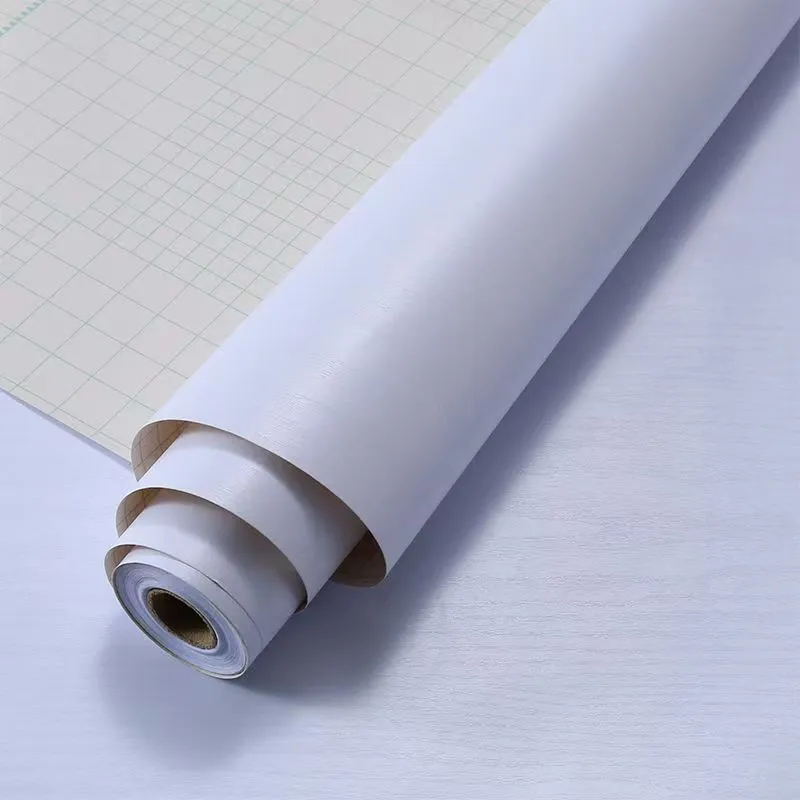
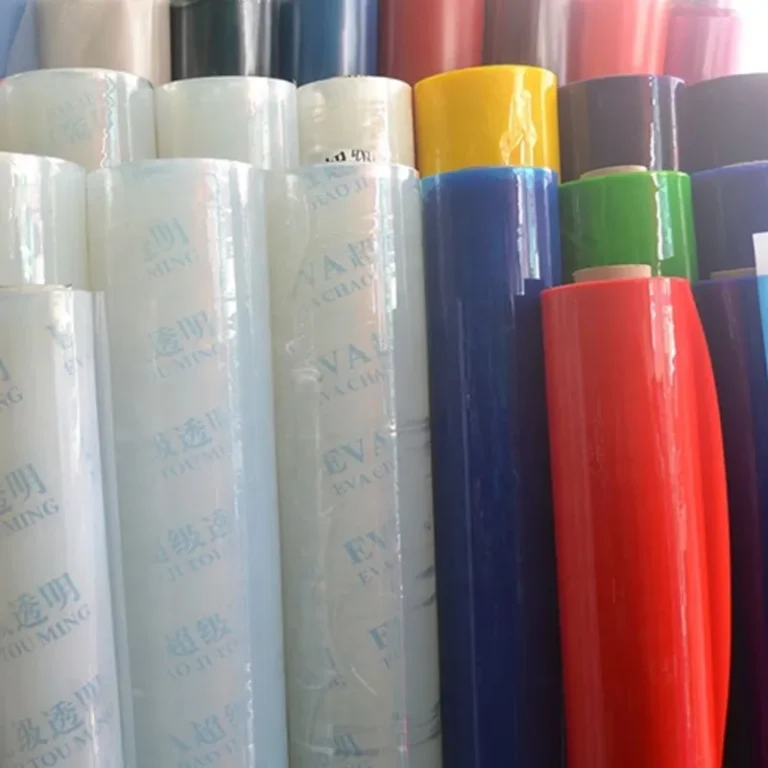
PVC transparent film is a versatile and widely used material derived from polyvinyl chloride. Its clarity, durability, and adaptability make it a cornerstone in numerous industries, from packaging and printing to construction and healthcare. Unlike opaque or decorative films, transparent PVC film offers the unique benefit of visibility while providing protection, making it ideal for applications where both see-through capability and material strength are required.
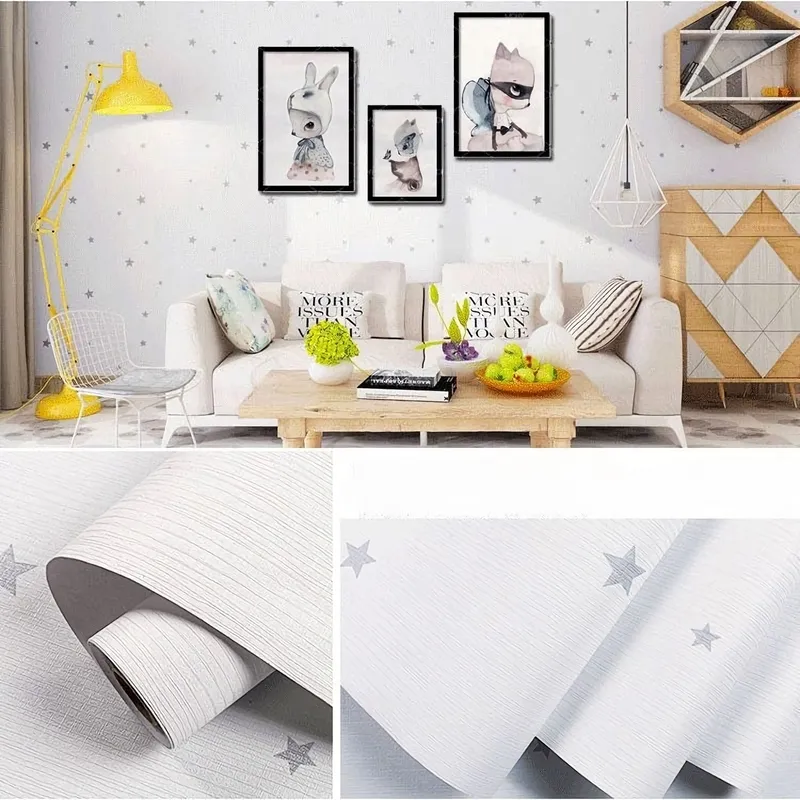
The world of PVC transparent film is not monolithic; it encompasses various types, each engineered with specific properties for targeted applications.
This is the most common type, offering high optical clarity and gloss. It is typically used for packaging, window envelopes, and simple protective coverings. Its primary advantage is its excellent transparency, which does not distort the view of the packaged item.
This film features a surface treatment that diffuses light, reducing reflections and glare. It is perfect for document protection, menu covers, and point-of-sale displays where readability under bright lights is crucial. The soft-touch feel of matte film also adds a premium quality to finished products.
For specialized environments, static control and clarity maintenance are paramount. Anti-static transparent film is essential in electronics packaging to prevent damage from electrostatic discharge. Anti-fog film, often used in food packaging or medical applications, prevents condensation from forming on the surface, ensuring contents remain visible in humid or variable temperature conditions.
Moving beyond flexible sheets, thicker, more rigid transparent PVC is used for blister packs, clamshell packaging, and protective barriers. This type provides structural integrity and impact resistance while maintaining visibility, commonly seen in retail product packaging.
The utility of PVC transparent film stretches across a broad spectrum of sectors, proving its indispensability.
This is the largest application area. The film is used for box windows, shrink wraps, blister packs, and overwraps. It allows consumers to inspect products without opening the package, enhancing shelf appeal and providing a hygienic barrier. For instance, a high-quality calendered film provides the smooth, consistent surface needed for premium retail packaging.
Transparent PVC film serves as an excellent substrate for printing. It is used for backlit signs, stickers, decals, and membrane switches. Its dimensional stability and ability to hold ink make it a favorite for durable outdoor and indoor graphics. Printed transparent films can be applied to windows, vehicles, and machinery as labels or decorative elements.
In building applications, it is used as a temporary protective layer for floors, windows, and fixtures during construction or renovation. Some specialized transparent films are also used in floor protection systems or as a component in laminated safety glass.
Sterility and clarity are non-negotiable here. PVC transparent film is used for sterile barrier packaging of medical devices, protective covers for equipment, and as sheets in cleanrooms. Its compatibility with sterilization processes like gamma irradiation or ethylene oxide is a key benefit.
Off-the-shelf products don’t always fit complex project requirements. This is where custom solutions from experienced manufacturers like Pulivk Film become critical. Customization can address virtually every specification.
✔ Thickness: Films can be produced in microns to millimeters, balancing flexibility with rigidity.
✔ Width & Roll Length: Slitting machines can cut master rolls to precise customer widths, optimizing material use and reducing waste on the production floor.
✔ Surface Texture: Beyond glossy and matte, embossed textures can be added for grip or specific visual effects, similar to options available in 3D texture films.
✔ Adhesive Backing: Adding a pressure-sensitive adhesive (PSA) layer transforms film into a self-adhesive product for easy application on various substrates.
✔ Coatings & Treatments: As mentioned, anti-static, anti-fog, UV-resistant, or scratch-resistant coatings can be applied to meet environmental challenges.
✔ Compliance & Safety: Films can be formulated to meet specific regulatory standards such as FDA compliance for food contact, REACH, RoHS, or flame-retardant requirements for construction.
Full-color digital or rotary printing can be applied to transparent film to create brand-specific graphics, instructional labels, or decorative patterns. This is common for creating unique decorative surfaces that also retain a degree of transparency or translucency.
Choosing a supplier like Pulivk Film, which controls the entire calendering, printing, and slitting process, offers distinct advantages for sourcing transparent PVC film:
PVC transparent film offers an excellent balance of clarity, flexibility, durability, and cost-effectiveness. It has better inherent deadfold (stays folded) and sealing properties than PP and is generally more flexible and easier to thermoform than PET. It also accepts a wide range of coatings and adhesives well.
Yes, but it requires modification. Standard PVC can yellow or become brittle with prolonged UV exposure. For outdoor use, such as in signage or protective covers, it is essential to specify film with UV stabilizers and additives that protect against sunlight degradation, ensuring long-term performance and clarity.
PVC transparent film has very good printability. Its surface can be treated to enhance ink adhesion, making it suitable for screen printing, digital printing, and flexographic printing. The choice of ink (e.g., solvent-based, UV-curable) is crucial to ensure durability and prevent cracking or peeling.
The environmental profile of PVC is a common concern. Manufacturers are responding with solutions such as phthalate-free formulations and films designed for mono-material recycling streams. Some offer films with recycled content. It’s important to discuss your sustainability goals with your supplier to identify the most suitable material option, which may include exploring bio-based or other polymer alternatives for specific applications.
To get an accurate and timely quotation, be prepared to specify: Application (end-use), Required Thickness (in microns or mils), Width and Roll Length, Key Performance Needs (e.g., anti-static, food-grade, tensile strength), Quantity, and any Printing or Packaging requirements. Providing a sample of what you need can be immensely helpful.