Address
304 North Cardinal St.
Dorchester Center, MA 02124
Work Hours
Monday to Friday: 7AM - 7PM
Weekend: 10AM - 5PM
Address
304 North Cardinal St.
Dorchester Center, MA 02124
Work Hours
Monday to Friday: 7AM - 7PM
Weekend: 10AM - 5PM


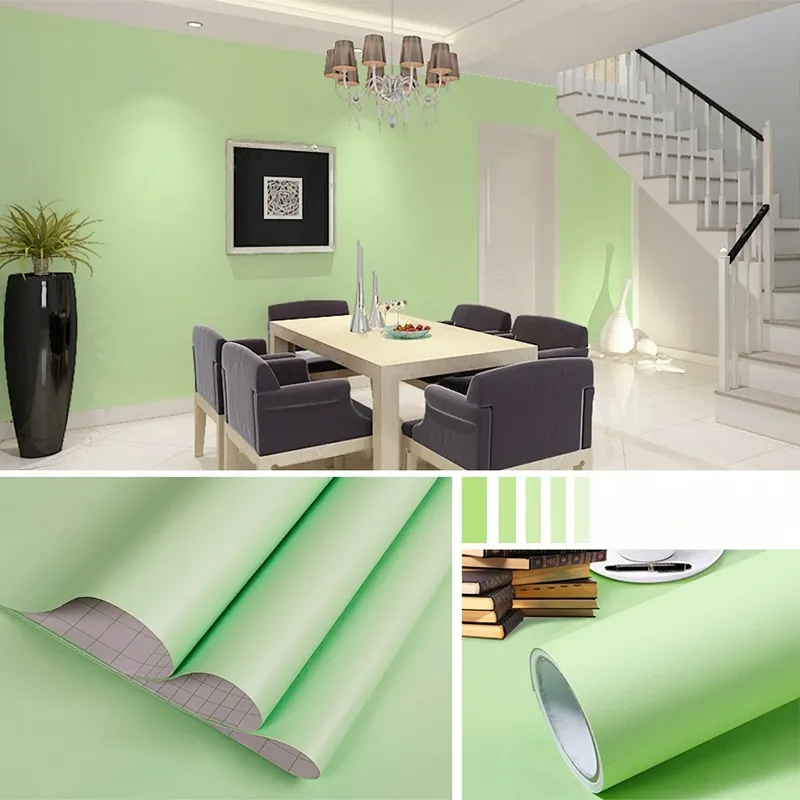
Air duct film, a specialized subset of PVC films, plays a critical role in modern HVAC (Heating, Ventilation, and Air Conditioning) systems. These films are engineered to line, protect, and seal air ducts, ensuring efficient airflow, preventing contamination, and improving overall system longevity. As buildings become more energy-conscious and indoor air quality gains prominence, the selection and proper installation of the right air duct film are more important than ever.
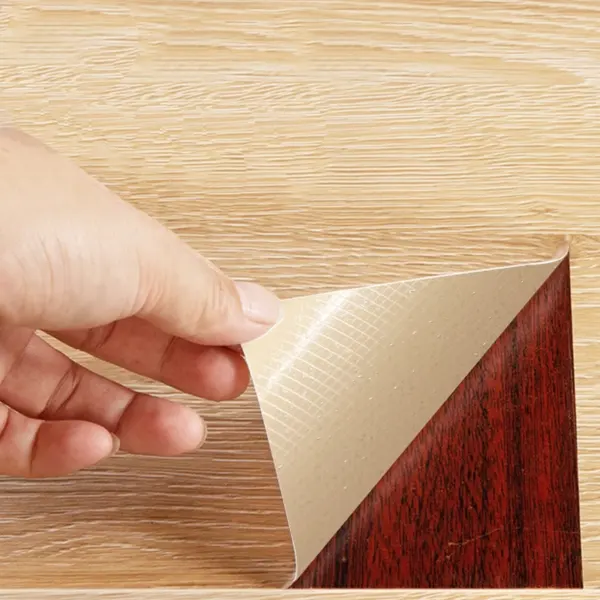
At its core, air duct film is typically made from flexible Polyvinyl Chloride (PVC) or laminated composites. The primary function is to create a smooth, impermeable barrier within ductwork. Key properties that define a high-quality air duct film include:
Low VOC Emission: To maintain healthy indoor air quality, premium films are formulated to minimize the release of volatile organic compounds.
Flame Retardancy: Must meet specific fire safety standards (like UL 723) to prevent the spread of flames through ductwork.
Flexibility and Tear Resistance: Must withstand installation stresses and pressure fluctuations within the ducts without cracking or tearing.
Fungistatic and Antimicrobial Properties: Many films are treated to inhibit the growth of mold, mildew, and bacteria, crucial for preventing biological contamination in air streams.
Thermal Stability: Must perform consistently across a wide range of operating temperatures without degrading.
The application dictates the type of film required. Major categories include:
These films are applied to the interior surfaces of ductwork. Their main purpose is to create a smooth surface that reduces air friction (improving energy efficiency) and prevents fiberglass or metal particles from entering the airstream. They are often calendered for consistent thickness and surface finish.
Installed on the exterior of insulated ducts, these films prevent moisture from penetrating the insulation. Condensation within insulation can lead to mold growth and significant efficiency loss. These films are typically reinforced for added durability.
These are heavy-duty tapes or patches made from film-backed materials. They are used to seal joints, seams, and connections in ductwork, ensuring an airtight system. Airtight ducts are essential for energy conservation and preventing unconditioned air from entering the system.
This category includes films with enhanced features, such as acoustic damping films to reduce noise transmission and static-dissipative films for use in cleanrooms or electronic manufacturing facilities where dust attraction must be minimized.
Air duct films are indispensable in various settings:
Commercial & Institutional Buildings
Healthcare Facilities
Food Processing Plants
Residential HVAC
Industrial Manufacturing
In hospitals and labs, antimicrobial duct lining is non-negotiable for infection control. In food production</strong, easy-to-clean, non-porous films that meet FDA standards are used to prevent contamination. For residential applications, especially in regions with high humidity, proper vapor barriers are critical to prevent mold in attics and crawl spaces. The principles of material selection are universal, though specific local building codes and climate conditions—like the stringent energy codes in Europe or the humidity challenges in Southeast Asia—will dictate the required film specifications.
Proper installation is as important as material selection. Incorrect installation can void warranties and compromise system performance.
1. Surface Assessment: The duct surface must be clean, dry, and free of dust, oil, rust, or old adhesive. Any irregularities should be smoothed out.
2. Material Measurement & Cutting: Measure the duct sections carefully. Cut the film to size, allowing a slight overlap (typically 1-2 inches) at seams and joints. Using a sharp blade ensures clean edges.
3. Adhesive Selection: Use only the adhesive recommended by the film manufacturer. Spray adhesives are common for large linings, while mastic or specialty tape is used for seams and vapor barriers.
Step A: Adhesive Application. Apply a uniform, thin coat of adhesive to the duct surface (or to the film back, as per instructions). Allow it to become tacky.
Step B: Film Placement. Carefully position the film, starting from one end. Use a roller or squeegee to smooth it out from the center towards the edges, eliminating air bubbles and wrinkles.
Step C: Seaming. For overlapping seams, apply adhesive to the overlap area or use a compatible sealing tape. Press firmly to ensure a permanent, airtight bond.
Step D: Fitting & Access Door Integration. Carefully cut out areas for dampers, sensors, and access doors. Seal all cut edges meticulously with adhesive or tape to prevent fraying.
⚠️ Critical Safety Note: Always ensure the workspace is well-ventilated when using adhesives. Wear appropriate personal protective equipment (PPE) such as gloves, safety glasses, and a respirator if needed. Follow all local safety regulations and the manufacturer’s Material Safety Data Sheet (MSDS).
Once installed, inspect the entire duct system. Check for:
A professional pressure test (duct blaster test) is recommended to quantify the system’s airtightness and confirm installation quality.
Correctly installed air duct film requires minimal maintenance. Periodic visual inspections, especially during routine HVAC servicing, are advisable. Look for signs of physical damage, peeling edges, or microbial growth. Cleaning, if necessary, should be done with mild detergents and methods approved by the film manufacturer to avoid damaging the surface or coatings. Choosing a durable, high-quality film from a reputable supplier like Pulivk Film is the first step toward long-term, trouble-free performance.
Yes, significantly. Smooth duct liners reduce turbulent airflow (friction loss), allowing your blower motor to work less hard. More importantly, airtight sealing with vapor barriers and sealing films prevents conditioned air from leaking into unconditioned spaces (like attics), which is a major source of energy waste. Properly sealed and insulated ducts are a cornerstone of an efficient system.
High-quality, modern PVC films designed for HVAC applications are formulated to be low-odor and have low VOC emissions. Look for films that comply with relevant health and safety standards (like CA Section 01350 or GREENGUARD). Films with antimicrobial properties can further enhance IAQ by inhibiting mold growth within the duct system itself.
They serve opposite functions in different locations. A duct liner goes inside the duct to smooth airflow and provide acoustic and thermal insulation. A vapor barrier is installed on the outside of insulated ducts to prevent ambient moisture from penetrating and wetting the insulation, which would ruin its effectiveness and promote mold.
When installed correctly using appropriate materials for the environment, air duct film can last the lifetime of the HVAC system—often 15 to 25 years or more. Durability depends on factors like film quality, adhesive performance, and the operating environment (temperature, humidity, and exposure to chemicals).
While small sealing projects might be a DIY possibility, installing full duct liners or complex vapor barrier systems is best left to HVAC professionals. They have the tools, knowledge of building codes, and experience to ensure an airtight, safe, and compliant installation that will perform optimally and not void system warranties.