Address
304 North Cardinal St.
Dorchester Center, MA 02124
Work Hours
Monday to Friday: 7AM - 7PM
Weekend: 10AM - 5PM
Address
304 North Cardinal St.
Dorchester Center, MA 02124
Work Hours
Monday to Friday: 7AM - 7PM
Weekend: 10AM - 5PM


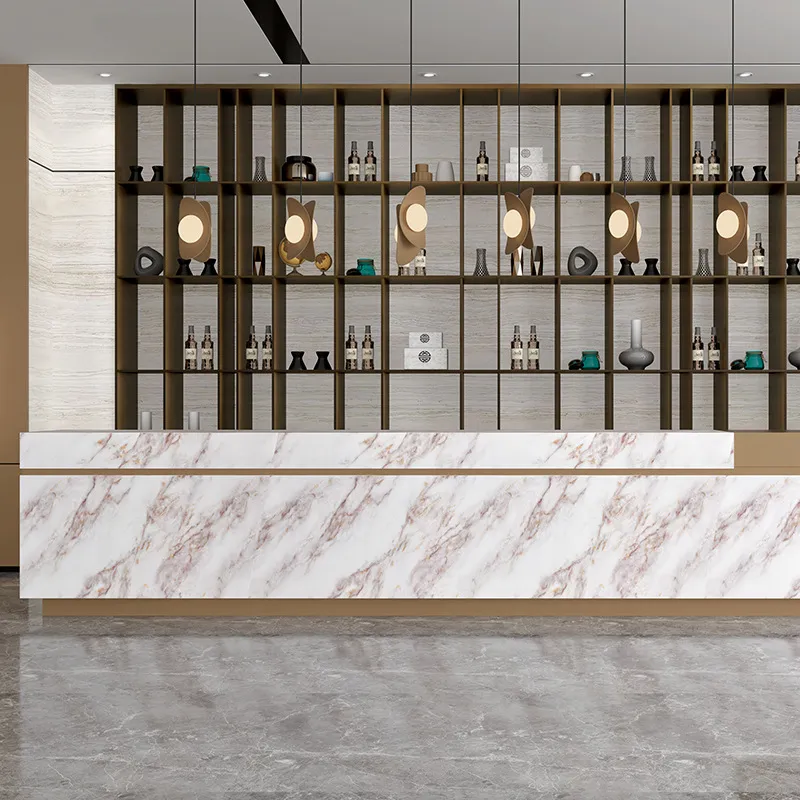
PVC film is an indispensable material in the modern construction and furniture industries, particularly when applied to PVC panels. This versatile laminate enhances the aesthetic appeal, durability, and functionality of panels used in everything from kitchen cabinets and wall cladding to office partitions and retail displays. The synergy between the film and the panel creates a product that is not only cost-effective but also highly customizable to meet diverse design and performance requirements.
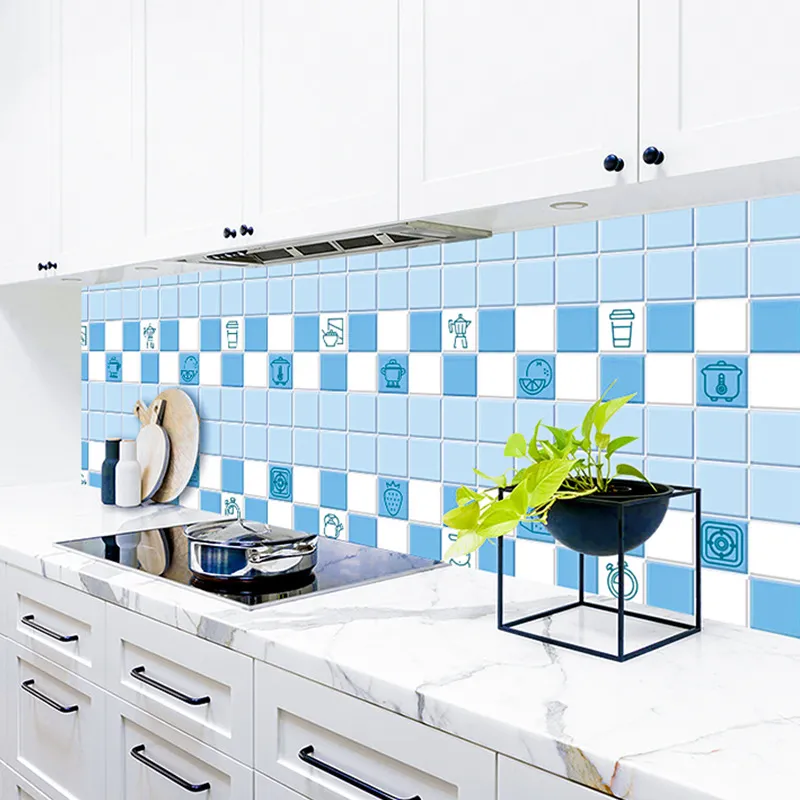
The performance and final look of a PVC panel are largely determined by the type of film used in its lamination. Manufacturers offer a wide spectrum to cater to different tastes and applications.
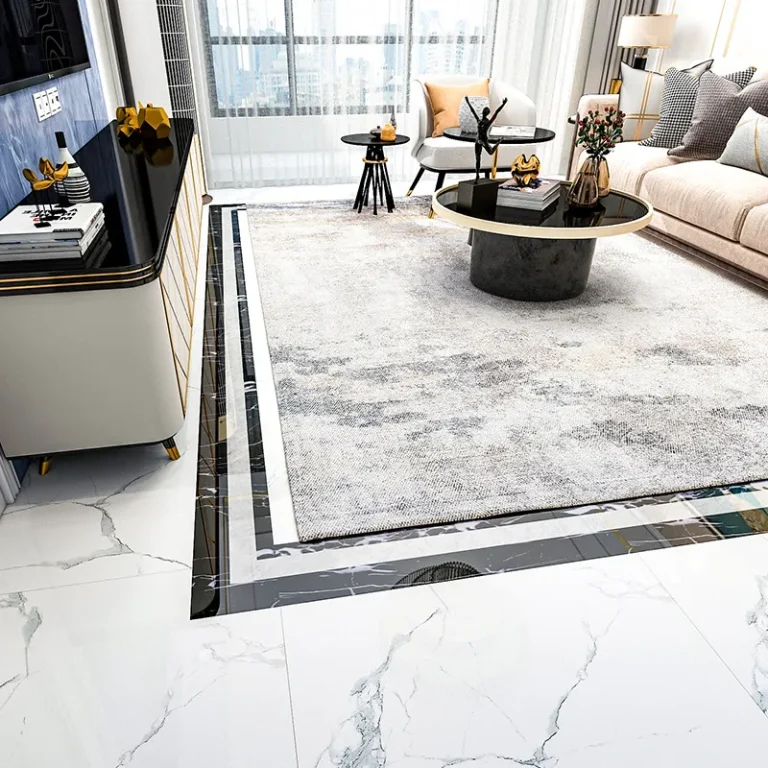
These films are designed primarily for visual impact. Wood grain films replicate the rich textures of oak, walnut, or teak, offering a warm, natural aesthetic without the cost and maintenance of real wood. Stone and marble films provide the luxurious look of granite or marble for feature walls or countertops, ideal for creating high-end interiors on a budget. For a modern, sleek appearance, glossy films deliver a reflective, easy-to-clean surface, while matte or soft-touch films offer a sophisticated, fingerprint-resistant finish. Textured options like 3D silk, linen, or canvas films add a tangible, tactile dimension to surfaces.
Beyond decoration, some films are engineered for specific performance needs. Flooring films are exceptionally wear-resistant and often feature reinforced layers to withstand heavy foot traffic, making them perfect for vinyl kitchen flooring or commercial spaces. Anti-bacterial and easy-clean films are crucial for healthcare environments, kitchens, and bathrooms. For electronic enclosures or cleanrooms, anti-static films prevent dust accumulation and protect sensitive components. Weather-resistant and UV-stable films are formulated for exterior applications or sun-exposed areas to prevent fading and degradation.
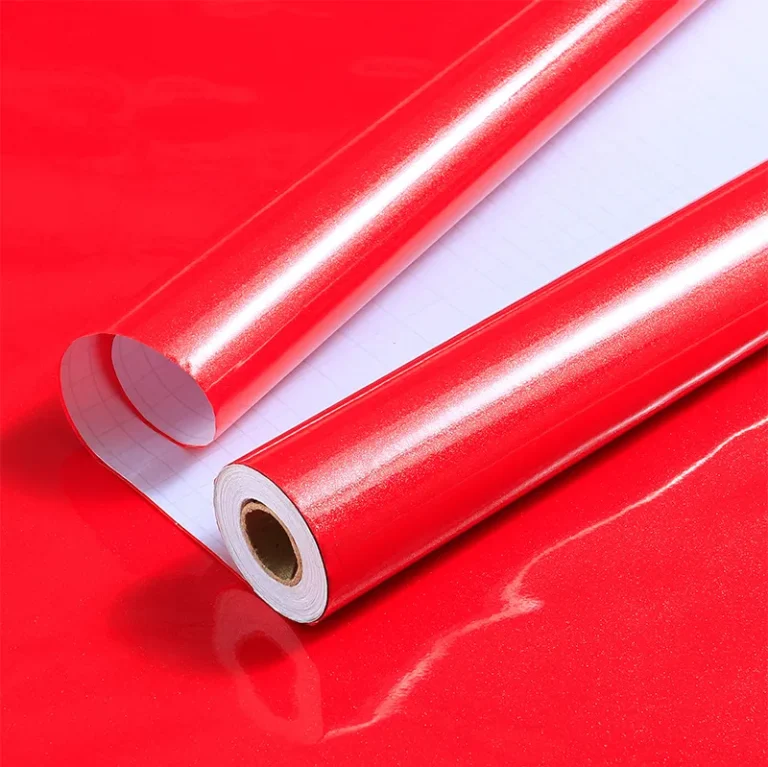
This category includes the foundational materials and unique variants. Calendered PVC film is a primary type, known for its excellent consistency, clarity, and smooth surface, serving as a perfect base for further printing and embossing. Transparent and translucent films are used for back-painted glass effects or light-diffusing panels. Metal foil and brushed metal films introduce a contemporary industrial or luxurious metallic finish. Self-adhesive films provide a DIY-friendly solution for renovation projects, allowing easy application to existing panels.
When selecting a PVC film for panels, consider these critical properties:
Thickness & Durability Surface Texture Color Fastness & UV Resistance Chemical & Stain Resistance Fire Rating & Safety Compliance
The combination of PVC film and panel substrates unlocks solutions across numerous sectors.
In modern construction, PVC film-laminated panels are a go-to material for interior finishes. They are extensively used for wall cladding and partitions in offices, hospitals, and schools, offering hygiene and easy maintenance. For ceiling systems, they provide lightweight, moisture-resistant options with integrated designs. PVC skirting boards and architraves laminated with matching films ensure a cohesive interior design. Solid color or textured films also see use in decorative wall coverings for a seamless look.
This is one of the largest application areas. PVC films are laminated onto MDF or particleboard to create kitchen cabinet doors, wardrobes, and shelving. The film provides a seamless, waterproof surface that is resistant to kitchen grease, steam, and cleaning agents. The ability to mimic high-end materials like wood or marble allows furniture makers to offer premium styles at competitive prices. The finish is also highly consistent, avoiding the natural variations found in veneers.
In the fast-paced retail environment, aesthetics and durability are paramount. PVC panels are used for shop fixtures, display units, and signage backdrops. The films can be customized with brand-specific colors and textures. Their resistance to scuffs and impact is essential in high-traffic commercial settings. For temporary exhibitions or pop-up stores, lightweight laminated panels offer an easy-to-install and reusable building solution.
Specialized films meet niche demands. In laboratories and food processing plants, non-porous, chemical-resistant panels with appropriate films are required. For cleanrooms, anti-static and easy-to-sterilize surfaces are critical. In residential settings, kitchen anti-oil films or bathroom flooring films provide protective, decorative layers for easy renovation.
Off-the-shelf products cannot always meet unique project demands. This is where the expertise of a manufacturer with strong OEM/ODM capabilities becomes invaluable. A partner like Pulivk Film can tailor every aspect of the PVC film to the specific panel application.
Customization begins with visual design. Clients can provide specific Pantone color codes for perfect brand matching. Unique patterns, logos, or digital prints can be directly applied to the film. The surface finish can be engineered to a specific gloss level (e.g., 10% matte to 95% high-gloss) or embossed with a proprietary texture depth to create a truly unique tactile feel.
Beyond looks, the film’s physical properties can be engineered. This includes adjusting the film thickness for added durability or flexibility. Formulations can be modified for enhanced UV resistance for outdoor use, improved fire retardancy (Class B, Class A), or specific chemical resistance. Adhesive systems on the film’s back can be customized for different panel substrates (MDF, plywood, metal) and application methods (hot roll laminating, cold press).
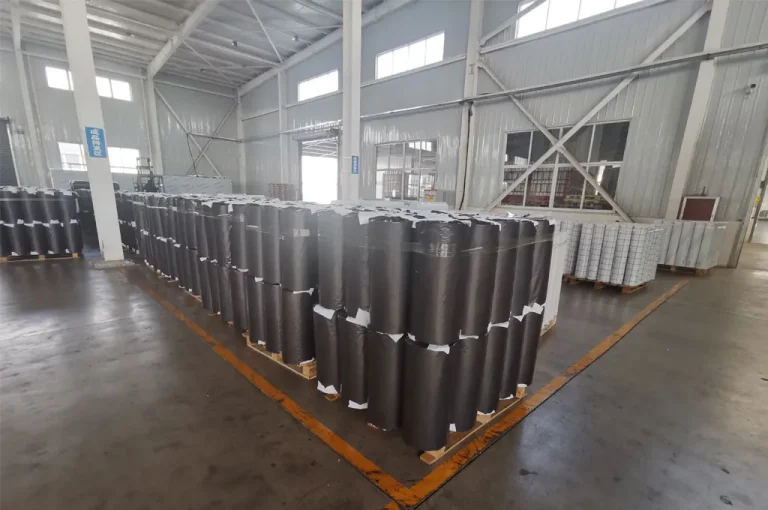
A full-service manufacturer manages the entire process. Films can be supplied in custom roll widths and lengths to minimize waste for the panel producer. Packaging is optimized for international shipping, ensuring rolls arrive undamaged. For large projects, just-in-time delivery schedules and batch-controlled production ensure color consistency across multiple shipments. This vertical integration from calendered film production to final slitting and packaging provides unmatched control over quality and lead times.
Partnering with a manufacturer that controls the entire production chain—from raw material compounding and calendering to printing and finishing—offers distinct advantages:
Quality Consistency: Every step is monitored under one roof, ensuring uniform thickness, color, and performance batch after batch.
Cost Efficiency: Eliminating middlemen and optimizing material usage reduces overall cost without compromising quality.
Innovation Speed: R&D, production, and testing teams work closely to rapidly prototype and scale new custom solutions.
Supply Reliability: Integrated production mitigates risks from external supply chain disruptions, guaranteeing more stable lead times.
PVC film offers a more durable, uniform, and cost-effective finish. It provides excellent resistance to moisture, chemicals, and scratches, which paint often lacks. Unlike natural wood veneer, it has no grain variation or susceptibility to warping, ensuring batch-to-batch consistency. The lamination process also seals the panel core, making it more hygienic and easier to clean.
The choice depends on the application and desired aesthetic. Glossy finishes reflect light, making spaces feel larger and brighter; they are easy to wipe clean but can show fingerprints and scratches more easily. Matte or soft-touch finishes are contemporary, hide fingerprints and minor imperfections well, and reduce glare, making them ideal for cabinets, office furniture, and walls where a sophisticated, understated look is preferred.
Yes, but only with films specifically engineered for exterior use. These films contain high levels of UV stabilizers and weather-resistant additives to prevent fading, chalking, and brittleness caused by sunlight, rain, and temperature fluctuations. It is crucial to confirm the film’s technical data sheet for outdoor performance ratings and warranty conditions before specification.
Lead time varies based on order complexity and volume. For standard custom colors or patterns, lead times can range from 2-4 weeks. For new designs requiring tooling (like a unique embossing roller) or complex performance testing, the initial timeline may be longer. Reputable manufacturers provide clear project timelines and can often expedite samples for evaluation. For more details on products and services, visit our product page or contact us directly.
Responsible manufacturers prioritize safety and compliance. High-quality films are typically free from heavy metals (like lead and cadmium) and phthalates (like DEHP). They comply with international standards such as REACH, RoHS, and may have low VOC emissions certifications (e.g., CARB Phase 2, TÜV). For specific projects, always request relevant test reports and safety data sheets (SDS) from your supplier to ensure the materials meet local regulatory and green building standards.