Address
304 North Cardinal St.
Dorchester Center, MA 02124
Work Hours
Monday to Friday: 7AM - 7PM
Weekend: 10AM - 5PM
Address
304 North Cardinal St.
Dorchester Center, MA 02124
Work Hours
Monday to Friday: 7AM - 7PM
Weekend: 10AM - 5PM


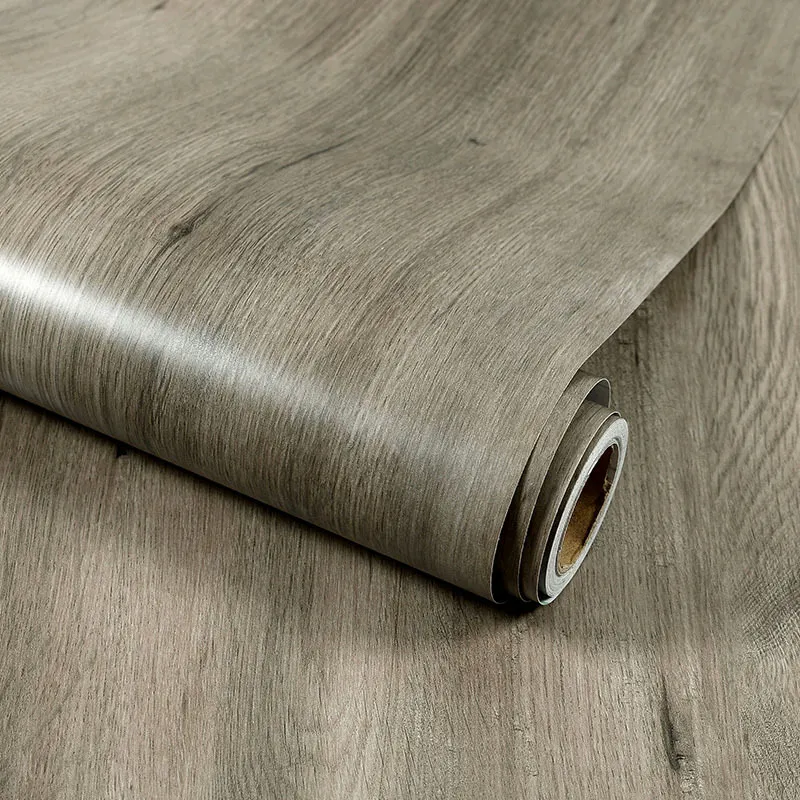
PVC film lamination is a versatile and transformative process that involves bonding a thin layer of polyvinyl chloride film to a substrate, enhancing its aesthetic appeal, durability, and functionality. This technique has become indispensable across numerous industries, from furniture manufacturing to architectural design, offering a cost-effective alternative to solid materials while providing extensive creative freedom.
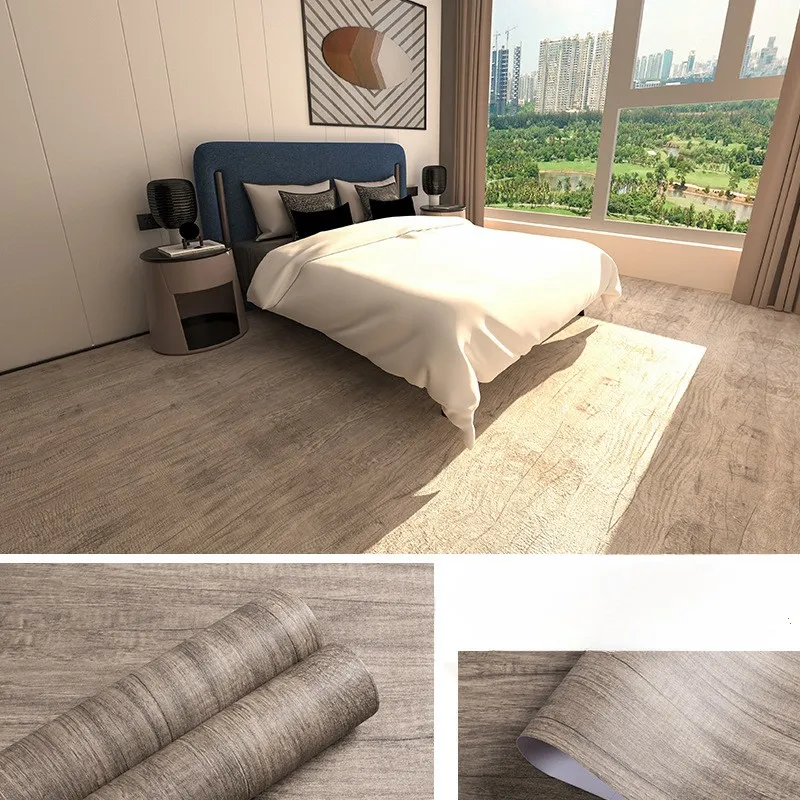
The effectiveness of a lamination project begins with selecting the right type of film. The market offers a diverse range, each with unique properties.
Produced by pressing molten PVC compound through a series of heated rollers, calendered films are known for their excellent dimensional stability, uniform thickness, and smooth surface. They are the workhorse of the industry, ideal for large-surface applications like furniture panels and wall cladding. For a deeper look at this foundational product, explore our detailed guide on Calendered Film.
This category unleashes design potential. It includes films that replicate natural materials or create unique tactile experiences:
Beyond aesthetics, some films are engineered for specific performance needs:
Anti-static Films: Critical for protecting sensitive electronic components during manufacturing and storage.
Self-Adhesive Films: Feature a pressure-sensitive adhesive backing for easy, tool-free application on smooth surfaces, ideal for DIY projects and temporary installations.
Protective Films: Used as a temporary surface guard during transportation, construction, or manufacturing to prevent scratches and stains.
The adaptability of PVC film lamination makes it a key material in sectors demanding both form and function.
This is one of the largest application areas. PVC films are laminated onto particleboard, MDF, or plywood to create:
PVC films revolutionize interior surfaces by offering lightweight, installable alternatives to heavy materials.
Wall Paneling and Decorative Surfaces: Films can be applied to gypsum boards or directly to walls, offering an easy-update solution for homes and commercial spaces. Solid color wallpaper films are a prime example.
Doors and Windows: Laminated films provide consistent color and texture, improving the aesthetic of uPVC or composite door and window profiles.
Flooring and Skirting: While thicker vinyl sheets are used for flooring, decorative films are perfect for matching skirting boards to floor or wall designs. See our PVC skirting film solutions.
The printability and visual impact of PVC films make them ideal for branding and display.
Point-of-Sale Displays: Lightweight, printed, and laminated panels are easy to assemble and transport.
Exhibition Stands and Signage: Films offer a smooth, vibrant surface for digital printing, creating eye-catching graphics and backdrops.
Off-the-shelf films meet many needs, but custom solutions unlock true innovation and brand differentiation. Partnering with a manufacturer like Pulivk Film allows for tailoring across multiple dimensions.
Thickness (ranging from ultra-thin to heavy-duty), width, roll length, and core size can be specified to fit precise production machinery and minimize waste.
This is the heart of customization. Clients can work with designers to:
Films can be engineered with added functionalities:
Engaging in custom solutions typically follows a collaborative path:
PVC film lamination offers superior consistency in color and texture, excellent resistance to moisture, chemicals, and scratches, and is generally more cost-effective. It also provides a wider range of design options, including complex patterns and textures that are difficult to achieve with paint. The process is often faster and generates less waste compared to working with solid veneers.
The choice depends on the primary requirement. If you need a durable, uniform base film for subsequent printing or where the surface finish is secondary, a calendered film is ideal. If the visual and tactile aesthetics are the priority—such as replicating wood, stone, or a specific texture—a decorative film is the correct choice. For applications needing both, a high-quality decorative film is laminated onto a stable substrate.
Standard PVC films are not suitable for prolonged outdoor exposure as UV radiation can cause fading and embrittlement. However, specially formulated films with added UV stabilizers and weather-resistant coatings are available for outdoor use. It is crucial to specify your outdoor requirements to your supplier to ensure you receive a film with the appropriate weatherability ratings.
Lead time varies significantly based on the complexity of the customization. Simple color matches or size adjustments may have a lead time of 2-4 weeks. New pattern development, texture creation, or performance-enhancing formulations can take 6-10 weeks or more, as they involve sample rounds and testing. Reputable suppliers like Pulivk Film provide clear timelines after the initial consultation.
The environmental profile is improving. Many manufacturers now use phthalate-free plasticizers and heavy-metal-free stabilizers. PVC itself is a thermoplastic and is technically recyclable. The challenge lies in the composite nature of laminated products (film + adhesive + substrate). However, efforts are increasing to develop take-back programs and technologies to separate and recycle these layers. Always inquire about a supplier’s specific environmental certifications and material safety data sheets (MSDS).