Address
304 North Cardinal St.
Dorchester Center, MA 02124
Work Hours
Monday to Friday: 7AM - 7PM
Weekend: 10AM - 5PM
Address
304 North Cardinal St.
Dorchester Center, MA 02124
Work Hours
Monday to Friday: 7AM - 7PM
Weekend: 10AM - 5PM



In the world of secure identification and access control, the material that encases the credential is as crucial as the data it carries. PVC film for ID cards is the unsung hero, providing durability, security, and a professional finish. This versatile material forms the protective outer layer of identification cards, membership passes, employee badges, and student IDs, safeguarding the printed information from daily wear and tear, moisture, and fading. Its role extends beyond mere protection; it defines the card’s tactile feel, visual appeal, and overall longevity, making it a fundamental component in credential manufacturing.

The performance and application of an ID card are heavily influenced by the type of PVC film used. Manufacturers offer a spectrum of films tailored to different needs, from standard durability to specialized security features.
These are the workhorses of the industry. Standard clear PVC film offers a high-gloss, transparent finish that makes colors pop and provides a sleek, professional look. Its counterpart, the matte or satin finish film, reduces glare and fingerprints, offering a more subdued and sophisticated appearance. Both are typically used for general-purpose ID cards where durability and clarity are the primary concerns.
For high-security environments, specialized films incorporate advanced features. These can include:
Holographic Overlays: Films with embedded holographic patterns that are extremely difficult to replicate, providing a visual authentication feature.
UV Printing Compatibility: Films designed to work seamlessly with ultraviolet (UV) inks, allowing for covert markings that are only visible under UV light.
Tamper-Evident Films: These films are engineered to delaminate or show a visible “VOID” pattern if someone attempts to peel them off, protecting against data alteration.
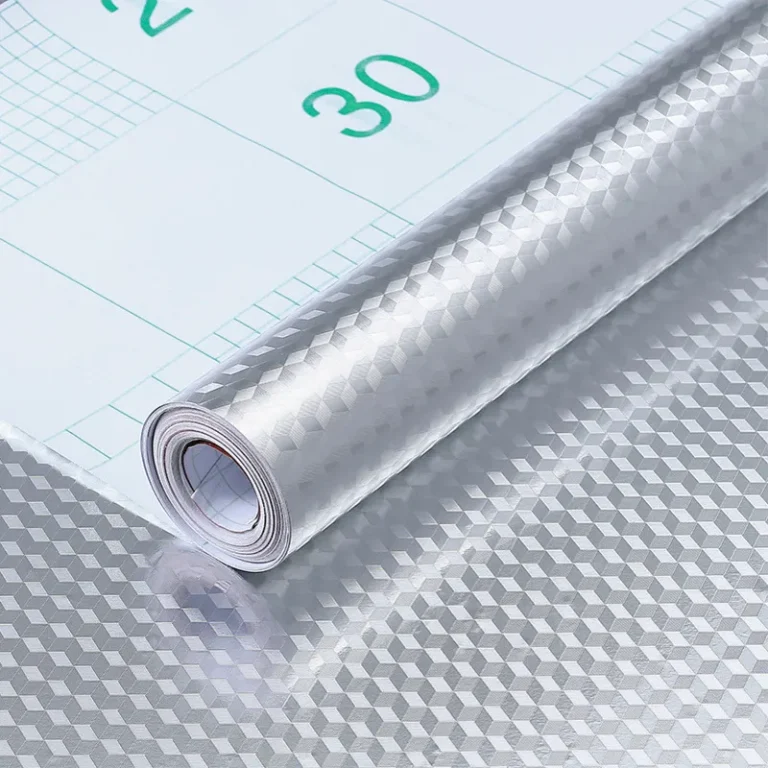
Beyond flat surfaces, textured films like 3D silk texture film add a unique tactile dimension to ID cards. Soft-touch films provide a luxurious, velvety feel, while other specialty films might offer enhanced chemical resistance or specific optical properties for machine-readable zones.
The application of PVC ID card film is ubiquitous, touching nearly every organized sector of society. Its primary function is to create a durable, standardized, and trustworthy credential.
In the corporate world, ID badges are essential for security, access control, and brand representation. A high-quality PVC film ensures the employee’s photo and details remain legible and the card withstands daily use, often including contact with RFID or magnetic stripe readers. The film’s finish can reflect corporate branding—glossy for a dynamic, modern feel, or matte for a more traditional, professional aesthetic.
From university student IDs to library cards for younger pupils, PVC film provides a cost-effective and durable solution. Student IDs face significant abuse, being kept in pockets, wallets, and backpacks. A robust laminated film protects the card from bending, moisture from spills, and the general rigors of academic life, ensuring it lasts for the school year or beyond.
This is where specialized security films come to the fore. Government IDs, driver’s licenses, and facility access cards for secure locations require films that integrate holograms, UV features, and tamper-evident properties. The PVC film here is a critical security layer, working in concert with other technologies to prevent forgery and counterfeiting.
In hospitals, staff IDs must be easily cleanable and resistant to disinfectants. In hotels, membership and key cards need to survive frequent handling. PVC films used in these sectors are often formulated for additional chemical resistance and durability, ensuring both hygiene and longevity are maintained.
Off-the-shelf films don’t always fit the bill. This is where the expertise of a specialized manufacturer becomes invaluable. Custom PVC film solutions allow organizations to tailor the credential to their exact specifications.
While standard ID cards use a specific gauge of film, custom orders can specify thicker films for premium, long-lasting membership cards or slightly more flexible films for wearable wristband credentials used in events and festivals.
For large-scale issuers, films can be pre-printed with intricate background designs, security patterns, or brand logos before the personalization data is added. This allows for a more complex and secure base card design. Films can also be manufactured in custom solid colors or with specific solid color palettes to match corporate identity schemes.
Leading suppliers like Pulivk Film understand that ID card film is part of a larger ecosystem. Their expertise in producing a wide range of films, from calendered film for consistent thickness to decorative textures, means they can advise on the best film for a specific lamination process, printer type (dye-sublimation or retransfer), and encoding technology (smart chip, RFID). Their full in-house control over production—from raw material to final slitting and packaging—ensures consistency, which is paramount for reliable, high-volume card production.
Custom solutions can include functional coatings applied to the film. These might be anti-static coatings to protect embedded electronics, anti-scratch layers for enhanced durability, or specific surface treatments to optimize ink adhesion for different printing technologies.
Choosing the right PVC film involves more than just picking a type. Underlying material properties and quality guarantees are fundamental.
Durability & Flexibility: The film must have the right balance—rigid enough to feel substantial and not curl, yet flexible enough to withstand repeated bending without cracking the laminate or the printed layer.
Clarity & Optical Properties: For clear overlays, exceptional clarity and low haze are non-negotiable to ensure the underlying print is not distorted. The film must also have consistent optical properties to avoid “hot spots” or uneven gloss.
Adhesive Performance: The thermal adhesive layer on the film must activate uniformly at the correct lamination temperature, creating a permanent, bubble-free bond with the PVC card core without causing image bleeding or distortion.
Environmental & Regulatory Compliance: Reputable manufacturers ensure their films are free from heavy metals like lead and cadmium and comply with international standards such as RoHS and REACH. This is crucial for products handled daily.
Partnering with a manufacturer that has strict quality control from raw materials to finished rolls, like the processes described in Pulivk’s approach, provides assurance of batch-to-batch consistency, which is critical for maintaining the integrity and appearance of an ID card program over time.
The primary advantage is an optimal balance of durability, cost-effectiveness, and printability. PVC film creates a waterproof, scratch-resistant barrier that protects the printed data, significantly extending the card’s lifespan compared to unlaminated or paper-based cards. It is also highly compatible with standard card printing and lamination equipment.
Yes, the industry is evolving. Manufacturers now offer films based on alternative polymers like PET-G or PLA (derived from renewable resources), which provide similar performance with a reduced environmental footprint. Even traditional PVC films are increasingly produced using non-phthalate plasticizers and processes that align with stricter environmental and safety regulations.
The choice is often aesthetic and functional. Choose a glossy finish for vibrant colors, a modern look, and easy cleanability. Choose a matte or satin finish to reduce glare (making the card easier to read and photograph), minimize the visibility of fingerprints and minor scratches, and achieve a more professional, non-reflective appearance.
To get an accurate quote and sample, provide the intended application, required physical properties (thickness, rigidity), desired finish (gloss, matte, textured), any pre-printing or color requirements, and details about your production process (lamination temperature, printer type). Quantities are also key, as they affect feasibility and cost.
Absolutely. The technology behind durable decorative films is closely related. For instance, the expertise in producing a high-quality, printable, and protective floor film or a decorative surface laminate shares common ground with ID card film production, particularly in areas like consistency, adhesion, and wear resistance. A manufacturer skilled in one area often has transferable expertise to the other.