Address
304 North Cardinal St.
Dorchester Center, MA 02124
Work Hours
Monday to Friday: 7AM - 7PM
Weekend: 10AM - 5PM
Address
304 North Cardinal St.
Dorchester Center, MA 02124
Work Hours
Monday to Friday: 7AM - 7PM
Weekend: 10AM - 5PM


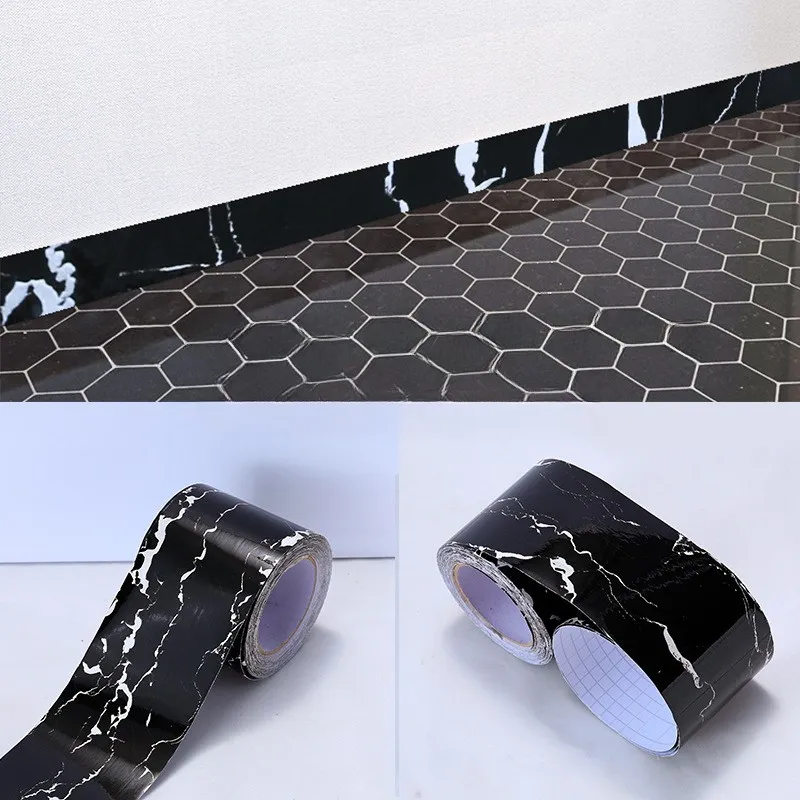
Understanding the price of PVC film sheets is crucial for businesses and individuals planning projects, from furniture manufacturing to interior decoration. The cost is not a single figure but a spectrum influenced by a complex interplay of material properties, production processes, market dynamics, and application-specific requirements. This guide delves into the key factors that determine pricing, explores the cost implications of different film types, and provides a framework for making informed purchasing decisions.
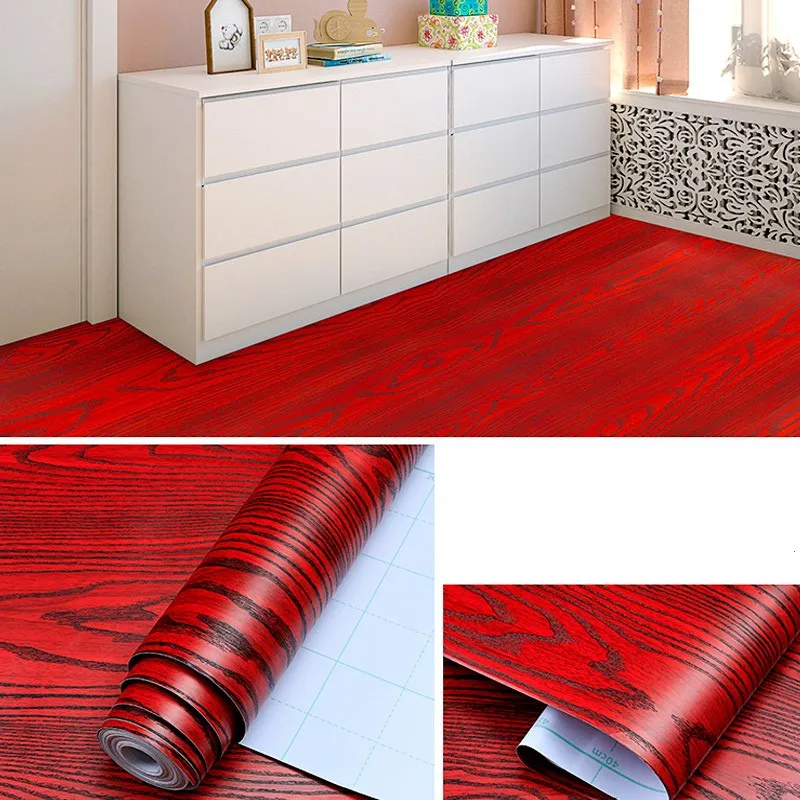
The final price per square meter or per roll of PVC film is a culmination of several variables. A deep understanding of these elements empowers buyers to evaluate quotes effectively and identify potential areas for cost optimization without compromising on essential quality.
The foundation of any PVC film is its raw material blend, primarily consisting of PVC resin, plasticizers, stabilizers, and additives. The quality and proportion of these components have a direct and significant impact on cost.
Premium-grade resins and phthalate-free plasticizers command higher prices but offer superior clarity, durability, and compliance with stringent safety standards like REACH and FDA. Conversely, films using recycled content or lower-cost additives may be more affordable but could sacrifice performance characteristics such as tensile strength, color consistency, or long-term flexibility.
Thickness, typically measured in microns (µm) or mils, is a primary cost driver. Thicker films naturally require more raw material, increasing the base cost. Common thicknesses range from 80µm for lightweight decorative applications to 500µm or more for heavy-duty industrial or flooring films. Density also plays a role; high-density films offer better dimensional stability and wear resistance but come at a higher material cost.
The production method significantly affects both the film’s properties and its price point. Calendered film is produced by passing heated PVC compound through a series of precision rollers. This process yields films with excellent surface finish, consistent thickness, and high gloss, making it ideal for decorative applications like wood grain films for furniture or glossy wardrobe films. The calendering process, with its high-precision machinery, often carries a higher production cost.
Extrusion involves forcing molten PVC through a die. It can be more cost-effective for producing very thin or very thick films and is common for packaging and some industrial films. The surface finish may not match the superior quality of calendered films for visual applications.
Additional processing steps add layers of functionality and cost. These treatments are applied to meet specific performance needs:
Decorative films derive much of their value from their aesthetic appeal. The complexity of the design directly influences price.
Solid colors or simple patterns are generally the most economical. Photorealistic prints, such as intricate wood grains, detailed marble films, or custom digital prints, require advanced printing technology (like rotogravure) and multiple color stations, increasing production costs. Metallic finishes or pearlescent effects also add to the expense.
Economies of scale are strongly at play. Large bulk orders allow manufacturers to optimize production runs, reducing the cost per unit. Conversely, small orders or highly customized requests—such as specific roll widths, unique color matching, or proprietary patterns—incur higher setup and handling fees. Minimum Order Quantities (MOQs) exist to make production runs viable for the manufacturer.
Different film categories serve distinct markets, and their price ranges reflect their intended use, material composition, and production complexity.
This is a broad category focused on aesthetics for interior surfaces. Prices vary widely based on the factors above.
Pricing here is driven by performance specifications rather than appearance.
These films serve niche applications with unique requirements, justifying their higher price points.
Beyond understanding the price structure, strategic sourcing can lead to significant savings.
Avoid over-specifying. Determine the exact required thickness, performance needs (e.g., wear rating, lightfastness), and aesthetic standards. Requesting a “premium” film for a non-critical application unnecessarily inflates cost.
Whenever possible, choose from a manufacturer’s standard catalog of colors, patterns, and thicknesses. Custom development involves design fees, plate-making costs, and minimum run quantities. For example, a standard solid color wallpaper film will be far more economical than a custom-matched Pantone shade.
Combining multiple projects into a single larger order can help meet volume thresholds for better pricing. Providing forecasts and placing orders with longer lead times allows the supplier to plan production efficiently, potentially reducing rush charges.
The cheapest film per square meter may not be the most cost-effective. Consider installation efficiency, durability, maintenance costs, and lifecycle. A slightly more expensive, more durable film for a PVC skirting film application could outlast a cheaper alternative by years, reducing long-term replacement costs.
Always test physical samples before committing to a large purchase. Evaluate the film’s handle, conformity to substrates, color accuracy under different light sources, and actual performance against your requirements. This prevents costly mistakes.
Working with a manufacturer that offers vertical integration—controlling the process from calendering and printing to slitting and packaging—can provide better cost control, consistent quality, and more responsive service. Inquire about their technical expertise and ability to provide comprehensive support.
While multiple factors contribute, raw material quality and thickness are typically the most significant base cost drivers. The choice of resins, plasticizers, and the amount of material used per unit area set the foundational price, upon which additional costs for printing, coatings, and customization are added.
There is a strong inverse relationship between order quantity and unit price due to economies of scale. Larger orders amortize fixed setup costs (like printing cylinder engraving) over more material, significantly reducing the cost per square meter. Manufacturers often have tiered pricing brackets based on roll or square meter quantity.
Beyond the film itself, buyers should clarify costs for custom packaging, shipping (especially international freight), payment terms, and any mold/tooling fees for custom textures or patterns. Always request a detailed, all-inclusive quotation that breaks down these potential additional charges.
Not necessarily. A higher price should correlate with enhanced features, performance, or certifications that you specifically require. It’s crucial to match the film’s specifications to the application. Paying for automotive-grade UV stability on a film used indoors in a dark cabinet is an unnecessary expense. Focus on value-for-specification rather than price alone.
No. Providing only vague requirements (e.g., “PVC film for furniture”) will result in an extremely wide and unhelpful price range. For a meaningful estimate, you must specify thickness, target application, desired surface finish (gloss/matte/textured), print pattern, required roll dimensions, and approximate quantity. The more precise your information, the more accurate the quote will be.