Address
304 North Cardinal St.
Dorchester Center, MA 02124
Work Hours
Monday to Friday: 7AM - 7PM
Weekend: 10AM - 5PM
Address
304 North Cardinal St.
Dorchester Center, MA 02124
Work Hours
Monday to Friday: 7AM - 7PM
Weekend: 10AM - 5PM


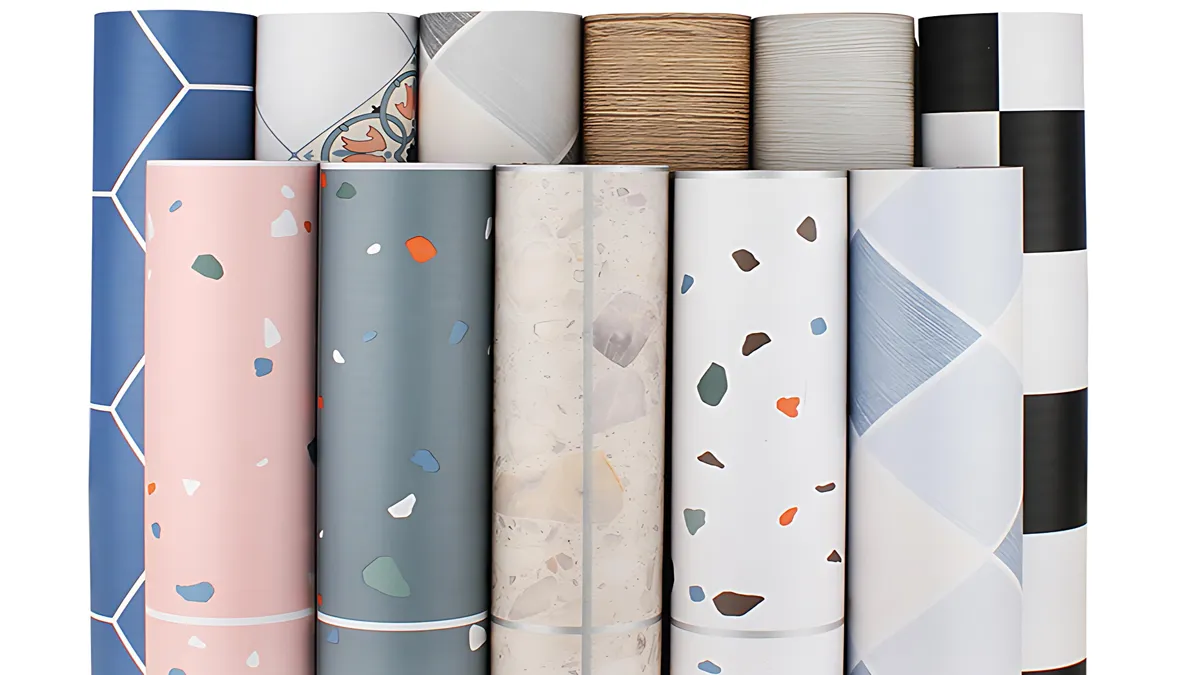
Cast PVC film is a versatile and widely used material known for its flexibility, durability, and excellent surface finish. Unlike calendered PVC film, which is produced by pressing heated PVC compound between heavy rollers, cast PVC film is manufactured by spreading a liquid PVC plastisol onto a moving carrier belt or release paper and then curing it in an oven. This process results in a film with exceptional clarity, dimensional stability, and a consistently smooth surface, making it ideal for high-end applications requiring precise detail and aesthetic appeal.
The manufacturing of cast PVC film is a precise and controlled operation. It begins with the formulation of a PVC plastisol, a liquid suspension of PVC resin particles in plasticizers. This mixture may include stabilizers, pigments, and other additives to achieve desired properties like color, flexibility, or UV resistance. The liquid is then doctored onto a highly polished, continuously moving stainless steel belt or a silicone-coated release paper. As the belt travels through a series of heated ovens, the plastisol gels and fuses, transforming from a liquid into a solid, continuous film. After cooling, the film is stripped from the carrier, wound into large rolls, and is ready for further processing like embossing, laminating, or printing.
Key Advantage: The cast process allows for extremely low gauge (thickness) consistency and superior optical properties. This makes cast PVC film the preferred choice for applications where clarity, printability, and a flawless surface are paramount.
Cast PVC films are categorized based on their composition, finish, and intended use. The main types include:
These films offer outstanding optical clarity and are often used as protective overlaminates for printed graphics, in packaging windows, and for medical device packaging where product visibility is essential.
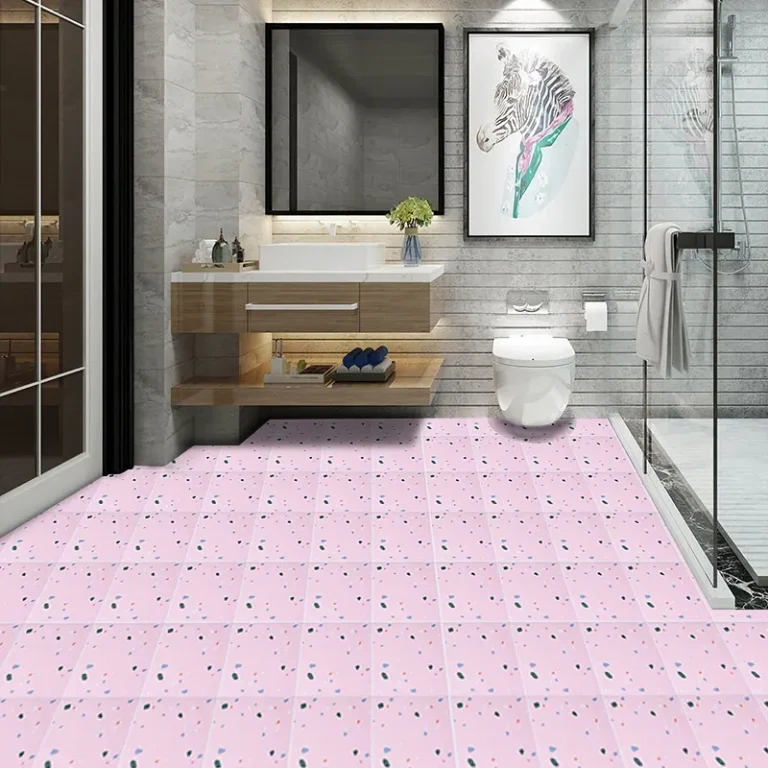
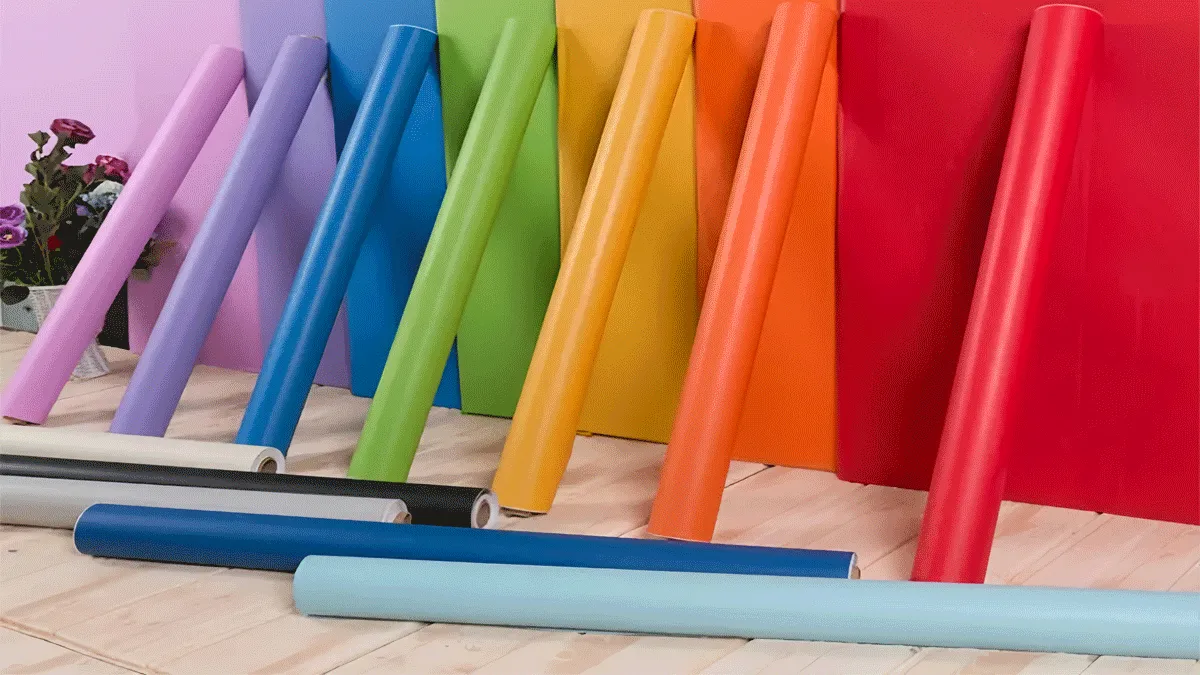
Pigments are added to the plastisol to create solid color films. These are extensively used in wall coverings, flooring surfaces, and decorative laminates for furniture and fixtures.
By using a textured carrier belt or by passing the gelled film through an embossing roller, a variety of textures can be imparted. This includes leather, linen, or 3D silk textures, which add a tactile and visual dimension to interior surfaces.
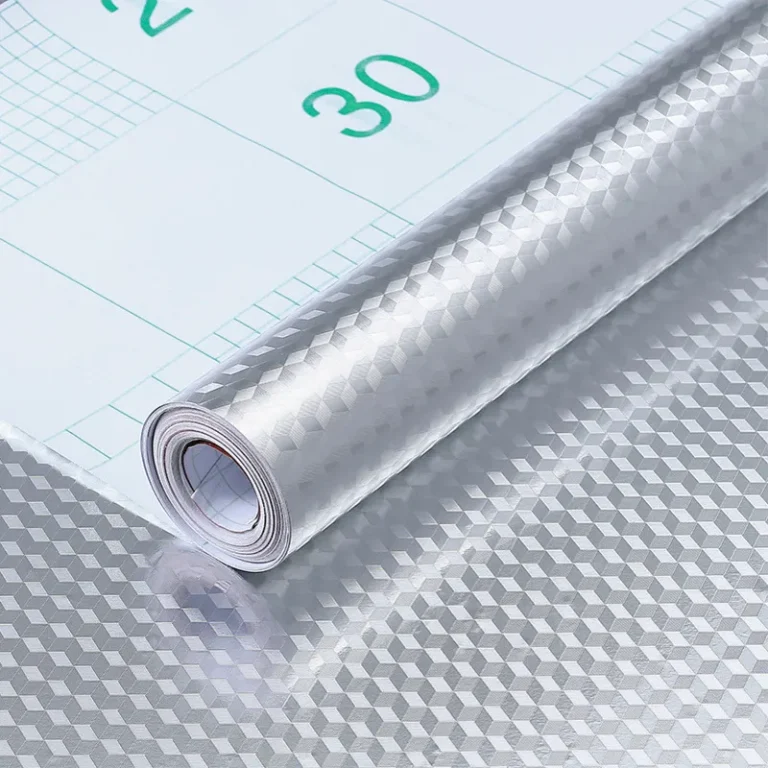
Through vacuum metallization or the inclusion of metallic pigments, films with a chrome, gold, or brushed aluminum appearance are created. Other specialty types include anti-fog, anti-static, and food-grade compliant films for specific industrial needs.
The unique properties of cast PVC film open doors to a multitude of applications. Its flexibility allows it to conform to complex shapes, while its durability ensures long-term performance.
Cast PVC films are a cornerstone of modern furniture manufacturing. They are laminated onto medium-density fiberboard (MDF) or particleboard to create durable, aesthetically pleasing surfaces for cabinets, wardrobes, tables, and shelves. Films with wood grain, marble, or solid color finishes offer a cost-effective and versatile alternative to natural materials or painted finishes.
In the flooring industry, cast PVC films are used as the wear layer in luxury vinyl tile (LVT) and sheet flooring. The clarity of the cast film protects the printed decorative layer beneath, while its toughness resists scratches and stains. Specialized films are also used for PVC skirting boards, providing a seamless and easy-to-clean transition between wall and floor.
The excellent print receptivity and dimensional stability of cast PVC film make it a premier substrate for vehicle wraps, outdoor banners, point-of-purchase displays, and wall graphics. It accepts digital, screen, and offset printing beautifully and can be finished with a protective overlaminate for extended outdoor durability.
From blister packs and clamshells that securely hold consumer goods to specialized packaging for medical devices that requires sterilization compatibility, clear cast PVC film is a reliable solution. Its consistent gauge ensures uniform sealing performance in thermoforming processes.
The production of high-quality cast PVC film hinges on meticulous control at every stage, from raw material selection to final winding.
The process starts with the careful selection of raw materials: PVC resin (often suspension or micro-suspension grades), primary and secondary plasticizers (like phthalates or non-phthalate alternatives), heat stabilizers, and pigments. These components are mixed in high-speed dispersers to create a homogeneous, air-free plastisol. The viscosity and rheology of this mixture are critical for the next stage.
The prepared plastisol is pumped to the casting head, which spreads it evenly across the width of the carrier belt. The thickness is controlled with extreme precision by an adjustable doctor blade. The coated belt immediately enters a multi-zone oven. The first zones gently heat the film to initiate gelation, where the plasticizer swells the resin particles. Subsequent zones at higher temperatures complete the fusion process, creating a strong, coherent film structure.
Pro Tip: The temperature profile and belt speed in the oven are closely guarded secrets of film producers. They directly influence the film’s physical properties, such as tensile strength, elongation, and thermal stability.
After fusion, the film may pass through a cooled embossing roller to impart a texture. Alternatively, it can undergo surface treatments like corona or flame treatment to increase its surface energy. This is crucial for ensuring excellent adhesion of inks, adhesives, or overlaminates in downstream applications.
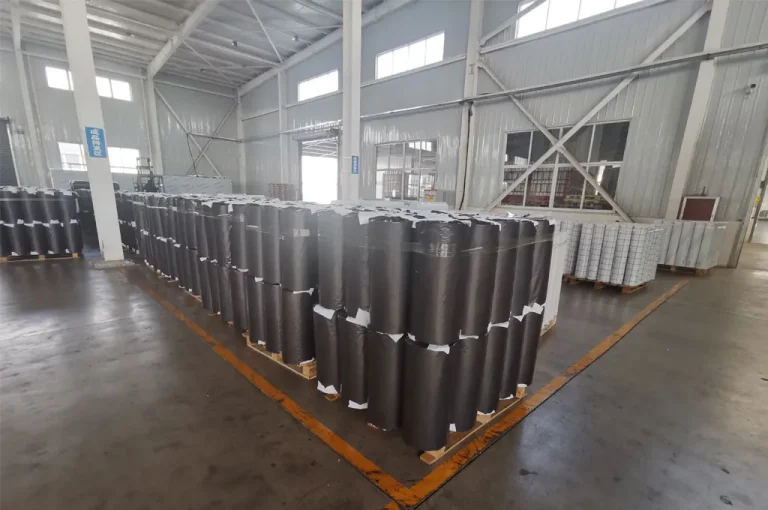
The film is then cooled on large chill rolls to set its dimensions. The edges are trimmed to ensure a uniform width. Finally, the film is wound onto a core under controlled tension to prevent wrinkles or stretching. Each master roll is inspected, labeled, and prepared for shipment or further conversion.
Cast film is made from a liquid plastisol spread on a belt and cured, resulting in superior clarity, dimensional stability, and a smoother surface. Calendered film is made by squeezing heated PVC compound between rollers, which is faster and more cost-effective for thicker, opaque films but may have less precise gauge control and optical quality.
Yes, when produced by reputable manufacturers using compliant raw materials. High-quality cast PVC films for furniture are formulated to be free of heavy metals and regulated phthalates. They are low in VOC emissions and meet international safety standards like REACH and CARB, making them safe for interior applications.
Standard cast PVC films have limited UV resistance and can degrade, become brittle, or fade when exposed to prolonged sunlight. For outdoor use, such as signage or exterior accents, specially formulated films with UV inhibitors and enhanced weather-resistant stabilizers must be used.
Thickness is measured in microns (µm) or mils. Thinner films (80-120 µm) are typical for graphic overlaminates and packaging. Medium gauges (150-300 µm) are common for furniture laminates and wall coverings. Thicker films (above 400 µm) are used for heavy-duty flooring wear layers. The choice depends on the required durability, flexibility, and substrate.
Important quality parameters include: Gauge Consistency (measured across the width and length), Optical Clarity (haze and gloss measurements), Tensile Strength & Elongation, Color Matching, and Surface Energy (for printability/adhesion). Reputable suppliers provide test certificates for these properties.