Address
304 North Cardinal St.
Dorchester Center, MA 02124
Work Hours
Monday to Friday: 7AM - 7PM
Weekend: 10AM - 5PM
Address
304 North Cardinal St.
Dorchester Center, MA 02124
Work Hours
Monday to Friday: 7AM - 7PM
Weekend: 10AM - 5PM


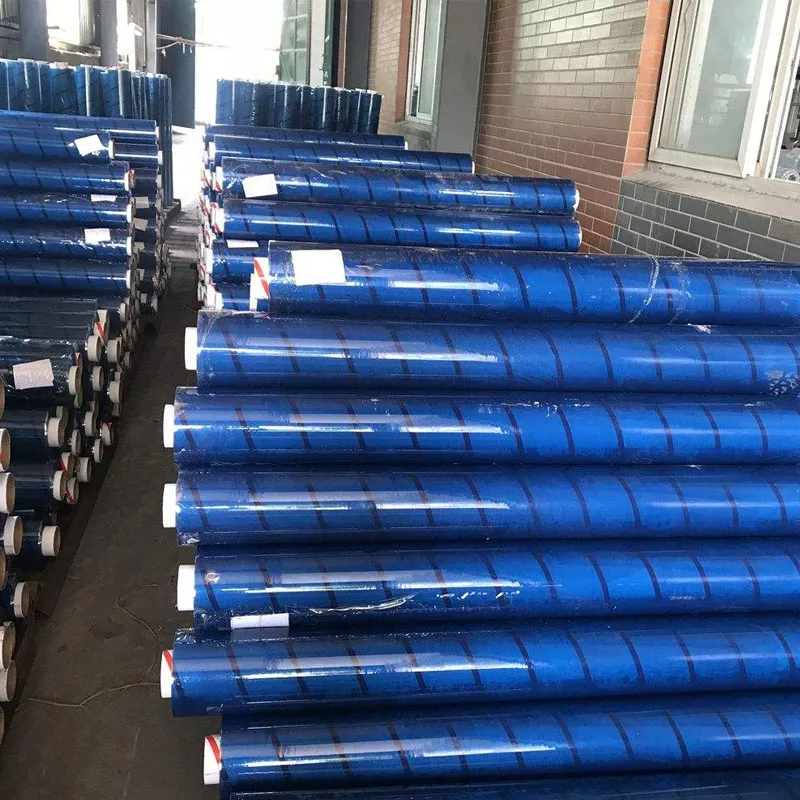
For decades, plastic cling film has been a staple in kitchens worldwide, offering a convenient way to preserve leftovers, cover bowls, and pack lunches. However, growing health and environmental concerns have shifted consumer focus towards the materials used in these everyday products. A significant portion of traditional cling film is made from Polyvinyl Chloride (PVC), a material now under scrutiny. This has led to the rise of non-PVC cling film as a preferred, safer alternative for conscientious households.
To appreciate the value of non-PVC alternatives, it’s important to understand why standard PVC film raises concerns. PVC itself is a rigid plastic; to make it flexible enough for cling film, plasticizers like phthalates are added. Certain phthalates are known endocrine disruptors and can potentially leach into food, especially fatty, acidic, or hot foods. While many manufacturers have moved away from the most harmful phthalates, the lingering perception of risk and the desire for completely inert food contact materials drive the search for alternatives. Furthermore, the environmental impact of PVC, which can release harmful chemicals if incinerated improperly, adds another layer to the decision for eco-conscious consumers.
Key Takeaway: The primary issues with some PVC cling films revolve around potential chemical migration from plasticizers and broader environmental lifecycle concerns, making non-plasticized, safer materials an attractive choice for direct food contact.
Non-PVC cling films are primarily manufactured from other polymer families that do not require the same type of chemical plasticizers. The most common materials are:
The benefits of choosing a non-PVC film extend beyond just avoiding a single chemical. They encompass health, performance, and environmental aspects.
This is the foremost advantage. Non-PVC films, particularly those made from LDPE or PE, are manufactured to be food-safe without relying on controversial plasticizers. They provide a reliable barrier that protects food without introducing unwanted compounds, giving families confidence whether storing cheese, covering a salad, or wrapping sandwiches for school. For those interested in specialized protective materials for other areas of the home, explore options like Kitchen Anti-oil Film for backsplashes or Bathroom Floor Stickers for wet areas.
Modern non-PVC films are engineered to perform exceptionally well:
While no single-use plastic is ideal from an environmental standpoint, non-PVC LDPE films often have a slightly better profile. They are less problematic in waste streams and are more widely accepted in recycling programs compared to PVC. The development of truly compostable films points toward a more sustainable future for food storage. The innovation in functional films isn’t limited to food wrap; the industry also develops durable solutions like Vinyl Kitchen Flooring and decorative options such as Marble Film for surfaces, reflecting a broad commitment to material science.
Transitioning to non-PVC cling film is straightforward. Start by reading product labels carefully—look for clear identifiers like “PVC-Free,” “Made from PE,” or “LDPE.” Be aware that performance might vary slightly between brands; some may feel thinner or have a different cling level. It’s worth trying a small roll first. Remember, the ultimate goal for reducing waste is to pair any cling film use with reusable containers, silicone lids, and beeswax wraps for appropriate applications. For more insights into material applications and innovations, you can find valuable resources in our Knowledge center.
The technology behind safe, flexible films has applications far beyond food storage. The same principles of creating durable, adhesive, and decorative surfaces drive innovation in home improvement and interior design. For instance, high-pressure laminates and decorative films used for furniture, cabinets, and walls undergo rigorous safety and performance testing. Products like Wood Grain Film for cabinets or Glossy Wardrobe Film for furniture offer aesthetic upgrades without the concerns associated with direct food contact, showcasing the positive potential of advanced polymer materials when designed and used appropriately.
Check the packaging or the cardboard tube inside the roll. Legitimate manufacturers are required to label the material type. Look for a recycling symbol with a number: #3 indicates PVC (V). If it says “PVC,” “Vinyl,” or has no material identification, it’s best to assume it is PVC and consider switching. Non-PVC films are typically labeled as “PE,” “LDPE,” or “PVC-Free.”
Initially, some specialty or branded non-PVC films might carry a slight premium. However, due to increased demand and production scale, the price difference has narrowed significantly. Many store-brand PVC-free options are now competitively priced. When considering cost, factor in the value of health safety and environmental preference.
Yes, modern non-PVC films are engineered to perform excellently. They use food-grade polymers and additives that create strong static cling. Some users even find them less prone to “over-sticking” to itself, making them easier to handle. Performance can vary by brand, so it may take trying one or two to find your favorite.
Freezer: Most LDPE/PE-based cling films are perfectly safe for freezer use. They remain flexible at low temperatures and provide a good barrier against freezer burn.
Microwave: Many, but not all, non-PVC films are microwave-safe. Crucially, you must always check the manufacturer’s instructions on the box. Even if microwave-safe, it’s generally recommended to avoid letting the film directly touch high-fat foods during heating and to leave a corner vented.
While non-PVC LDPE film is a better choice than PVC, the most eco-friendly practice is to reduce single-use wrap altogether. Prioritize reusable solutions: glass or stainless-steel containers with lids, silicone food pouches and bowl covers, and beeswax or plant-based wax wraps for items like cheese, herbs, and cut produce. Use cling film (even non-PVC) as a last resort for items that don’t fit well in other containers.