Address
304 North Cardinal St.
Dorchester Center, MA 02124
Work Hours
Monday to Friday: 7AM - 7PM
Weekend: 10AM - 5PM
Address
304 North Cardinal St.
Dorchester Center, MA 02124
Work Hours
Monday to Friday: 7AM - 7PM
Weekend: 10AM - 5PM


 ByPulivk
When clarity, durability, and performance matter most, super clear PVC film stands out as a top-tier material choice across dozens of industries. From high-end packaging and protective laminating to graphic overlays and medical barriers, this specialized film delivers optical brilliance without sacrificing mechanical strength. Understanding its key benefits, technical specifications, and selection criteria is essential for sourcing the right product for your application.
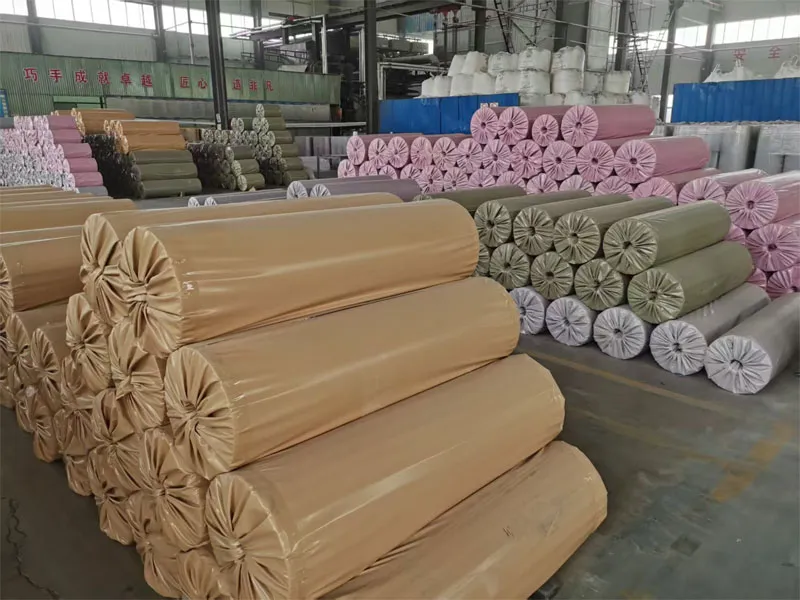
Not all PVC films are created equal. Standard grades often have a slight haze or bluish tint, whereas super clear PVC film is engineered for exceptional light transmission and minimal color shift. This is achieved through carefully selected raw materials, premium ASTM PVC film standard compliance, and precision calendered film processing techniques that ensure uniform gauge and surface smoothness.
Compared to PET or polycarbonate, super clear flexible PVC offers a unique balance of optical clarity, flexibility, printability, and cost-effectiveness. It can be easily die-cut, heat-sealed, or high-frequency welded, making it ideal for complex converting operations.
Super clear PVC film serves an incredibly diverse application spectrum. Here are the primary segments where its unique properties are indispensable:
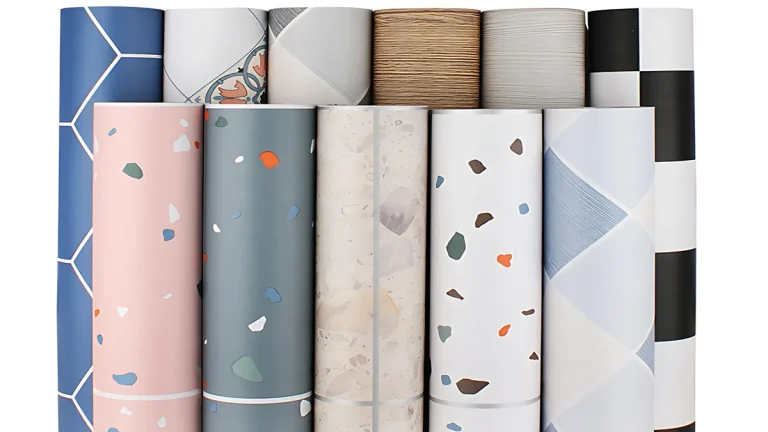
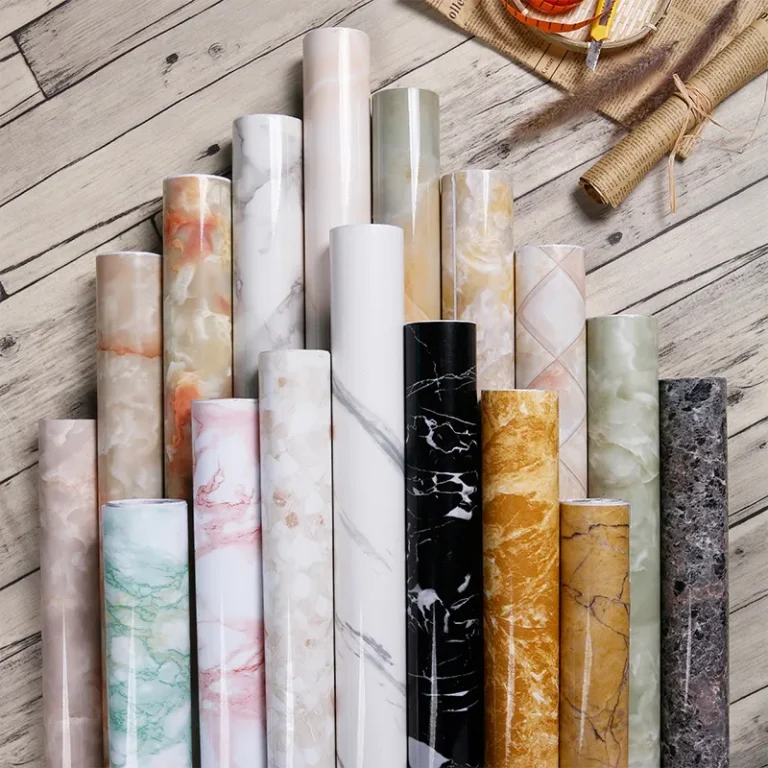
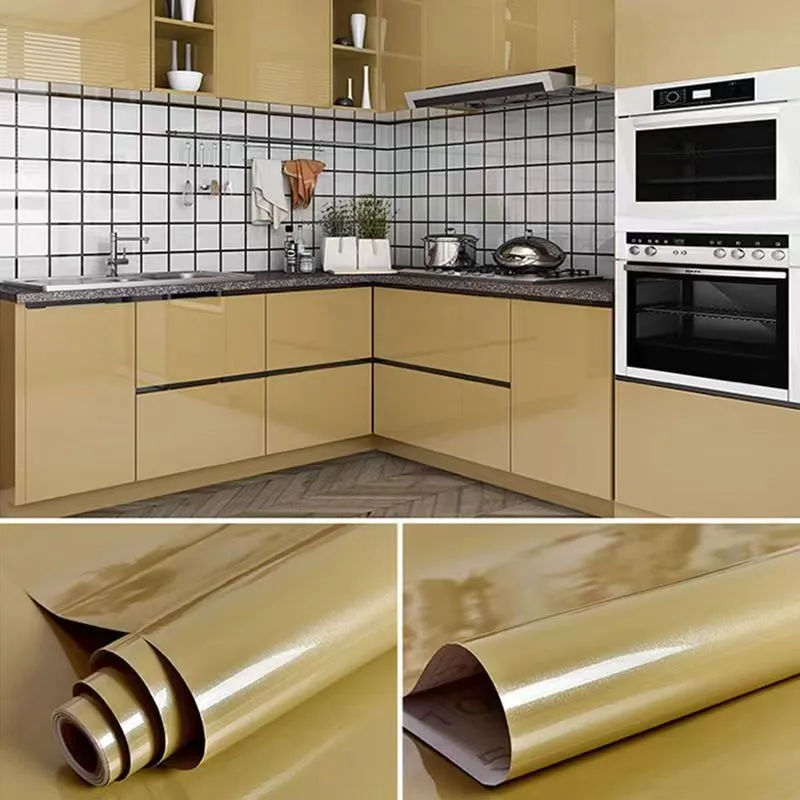
This is the largest market. Crystal-clear PVC is used for folding carton windows, tube packaging, envelope windows, and bag-making. Its ability to be heat-sealed easily and provide an immaculate view of the product makes it a staple in the cosmetics, toy, and stationery sectors. Products like glossy wardrobe film and document sleeves also rely on this base film.
High-tack printable clear vinyl is widely used for window decals, floor graphics, and POS displays. The film’s dimensional stability is crucial for multi-color registration. Rigorous PVC film dimensional stability testing ensures graphics remain distortion-free during solvent ink drying.
Clear PVC is formulated for blood bags, IV tubing, and sterile barrier pouches. The non-phthalate, high-clarity grades allow for visual inspection of fluids and instruments. Strict EU PVC chemical restrictions guide the material selection for these sensitive applications.
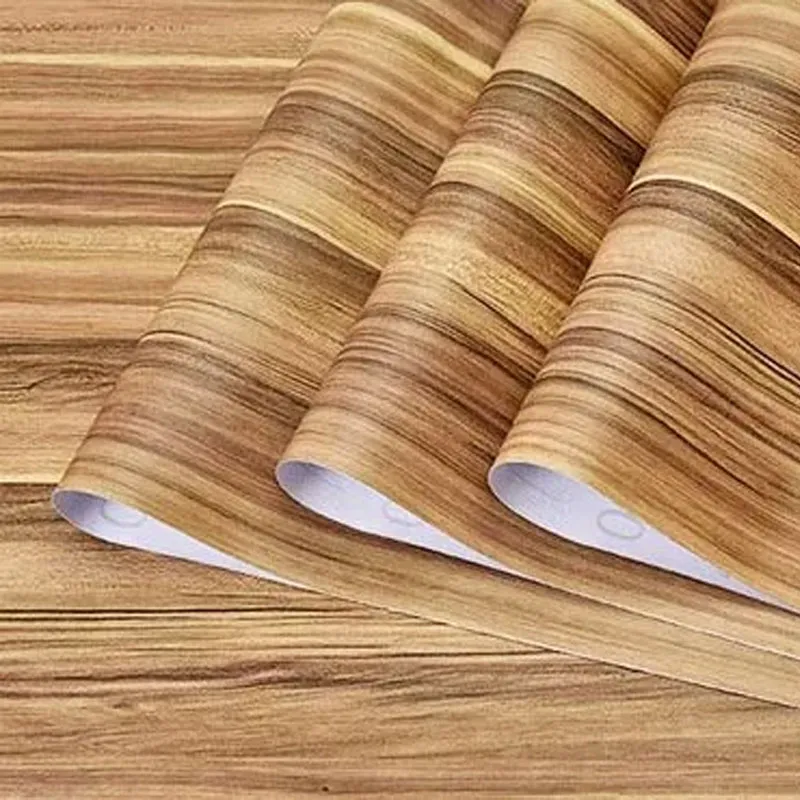
Used as a wear layer over printed decorative surfaces, super clear film protects while preserving image fidelity. It’s essential for wood grain film, flooring, and furniture wraps, where a deep, glossy finish is required to mimic natural materials.
Understanding the technical data sheet is vital when comparing suppliers. The table below outlines standard specifications for premium super clear PVC film:
| Property | Typical Value | Testing Standard |
|---|---|---|
| Thickness Range | 0.05 mm – 0.50 mm | Plastic Film Thickness Testing |
| Width | Up to 1500 mm | Plastic Film Width and Length |
| Light Transmittance | 90% – 94% | ASTM D1003 |
| Haze | < 2.5% | ASTM D1003 |
| Gloss (60°) | > 100 GU | Plastic Film Gloss Testing |
| Tensile Strength (MD) | 18 – 25 MPa | ISO Film Tensile Testing |
Selecting the right grade requires a systematic approach. Use the following checklist to ensure your choice meets both aesthetic and functional demands.
Medical, toy, and food-contact applications require specific certifications, such as EU 10/2011 or FDA 21 CFR. Verify that the manufacturer holds the necessary compliance documents before sampling. Reviewing EU PVC Food Contact Regulations is a good starting point for European projects.
Not all “super clear” films are identical. Request haze and gloss values measured according to ASTM standards. For applications requiring perfect transparency without a blue or yellow cast, evaluate samples under natural light. Our factory at Henan Pulivk New Materials Co., Ltd. supplies customized samples so you can assess clarity directly against your color target.
Die-cutting, thermoforming, heat sealing, and high-frequency welding all demand different plasticizer and stabilizer packages. Calendered film with a lower plasticizer content often provides better dimensional stability for precision die-cut parts, while flexible grades excel in high-speed bag-making.
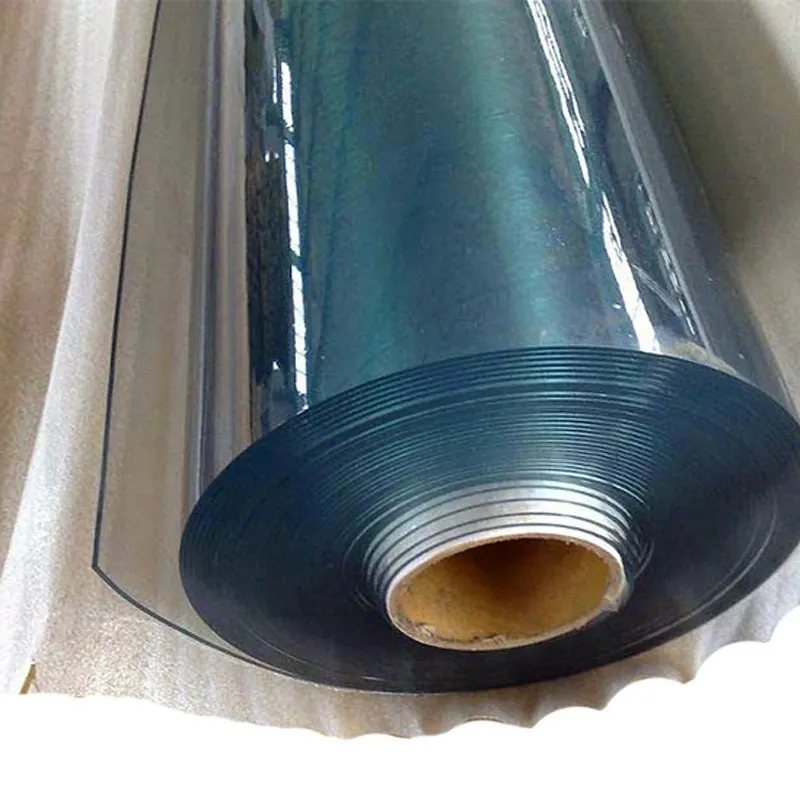
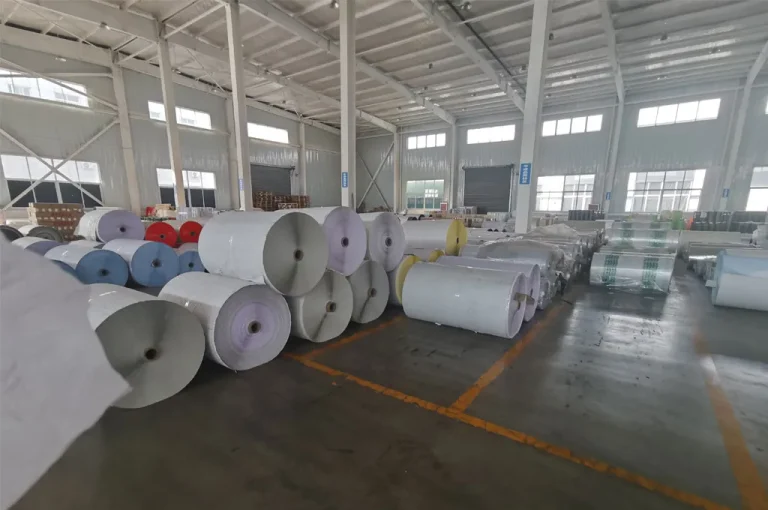
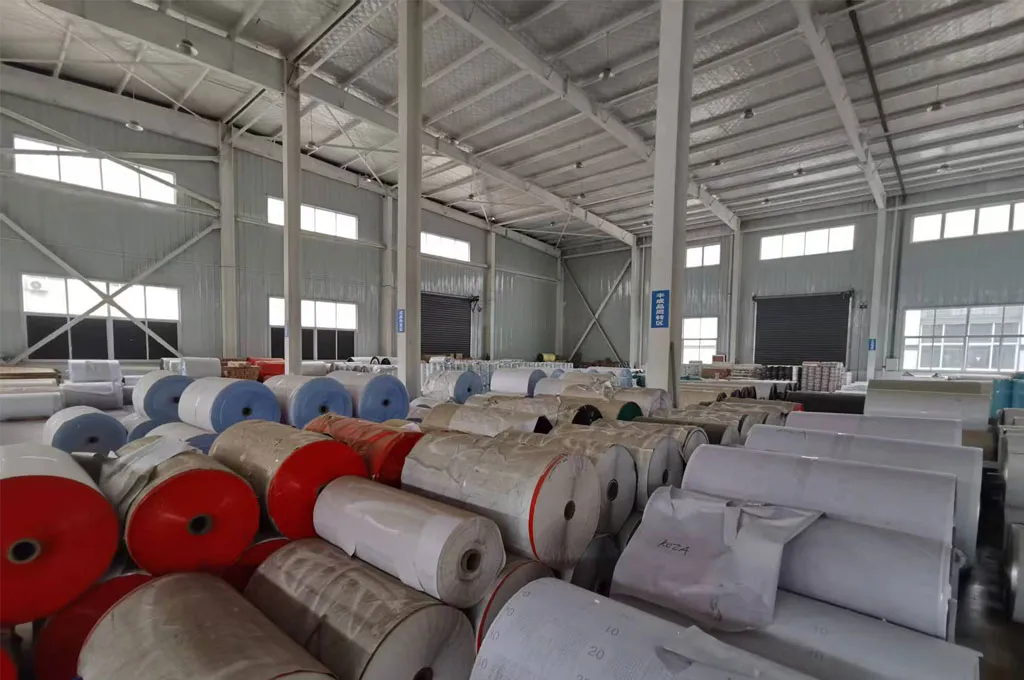
Confirm available log diameters, core sizes, and individual roll labeling. Consistent winding tension prevents telescoping during transport. Full rolls can be split into fixed-length segments and wrapped in dust-proof PE film — an essential service for cleanroom environments.
The PVC industry continues to evolve toward a more circular model. Super clear PVC film is fully recyclable in established mechanical recycling streams. Advanced formulations using bio-based plasticizers and non-heavy-metal stabilizers are increasingly available. Initiatives like the PVC Recycling and Circularity framework demonstrate how post-industrial and post-consumer clear PVC can be recompounded into new products, reducing the overall PVC Life Cycle Assessment footprint.
Most high-clarity PVC films are produced via the calendering process. This continuous method sculpts the molten compound through a series of heated, precision-ground rollers. The result is a film with exceptionally tight gauge control and superior optical properties. Calendered transparent film serves as the foundation for frosted, embossed, and pearlescent variants, with the base clarity remaining the critical quality indicator.
Our integrated calendering lines also produce antistatic, self-adhesive, multi-layer composite, and floor film variants — all leveraging the same process discipline that ensures clarity and consistency.
Selecting the right super clear PVC film is a balance of optical performance, mechanical durability, and regulatory compliance. By understanding your converting process and application requirements, you can secure a film that elevates your final product. For further guidance, sample requests, or technical documentation, reach out to discuss your specifications.