Address
304 North Cardinal St.
Dorchester Center, MA 02124
Work Hours
Monday to Friday: 7AM - 7PM
Weekend: 10AM - 5PM
Address
304 North Cardinal St.
Dorchester Center, MA 02124
Work Hours
Monday to Friday: 7AM - 7PM
Weekend: 10AM - 5PM


 ByPulivk
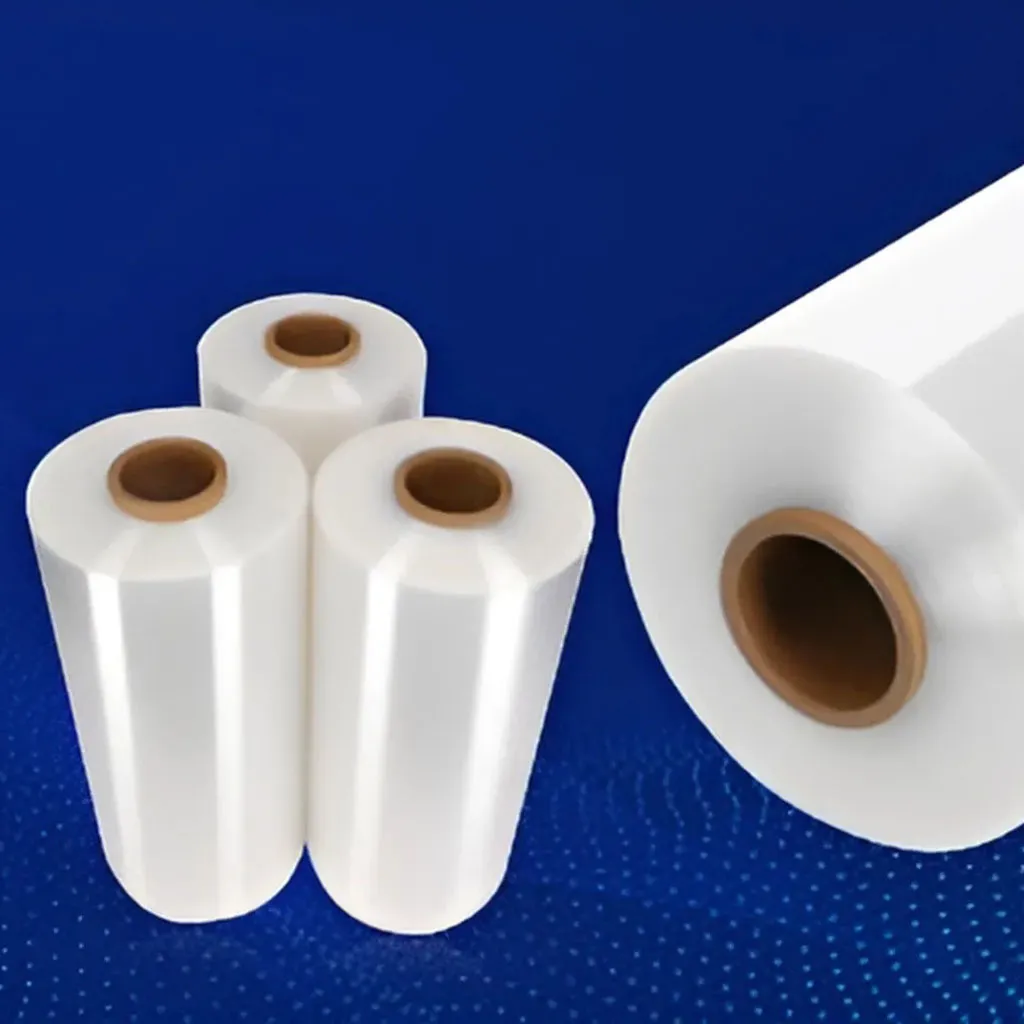
Color PVC film has become an essential material across industries ranging from interior design to commercial manufacturing. Its ability to combine vibrant aesthetics with durable functionality makes it a top choice for architects, furniture makers, and DIY enthusiasts alike. Understanding the different types, applications, and selection criteria can help you make the most informed decision for your project.
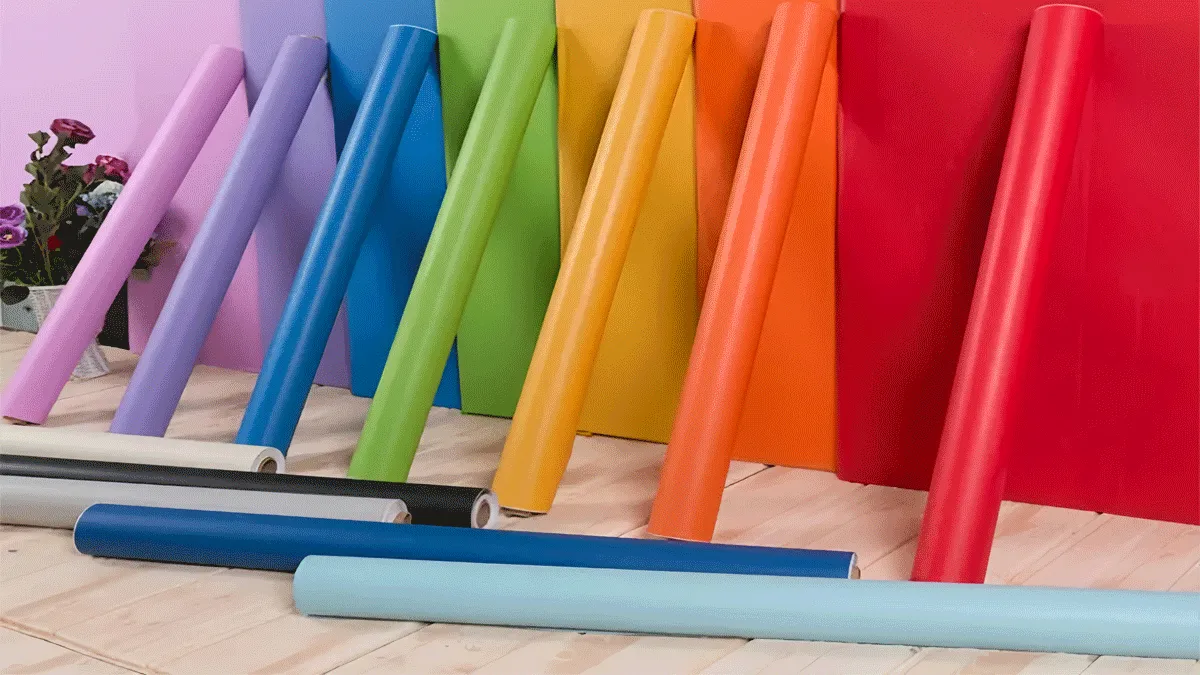
Color PVC film is a thin, flexible sheet made from polyvinyl chloride resin, blended with pigments, plasticizers, and stabilizers to achieve specific colors, textures, and performance characteristics. It is produced through calendering or extrusion processes, resulting in a versatile material that can mimic wood, stone, metal, or present bold solid hues. Unlike painted surfaces, color PVC film offers consistent color throughout and superior resistance to scratches, moisture, and UV exposure.
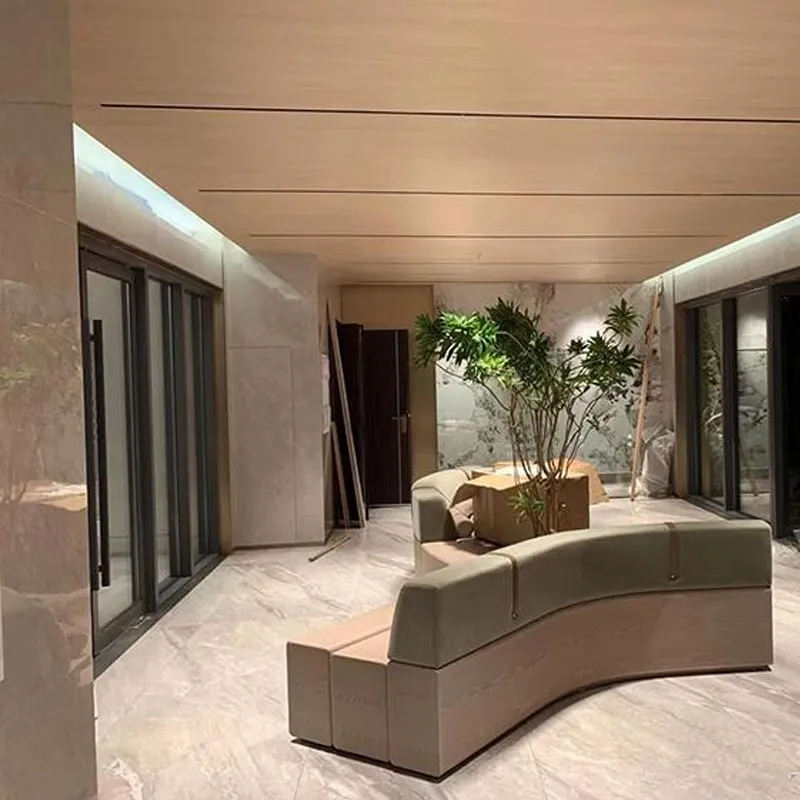
The market offers several distinct categories of color PVC film, each designed for specific use cases. Selecting the right type depends on the intended application, substrate material, and environmental conditions.
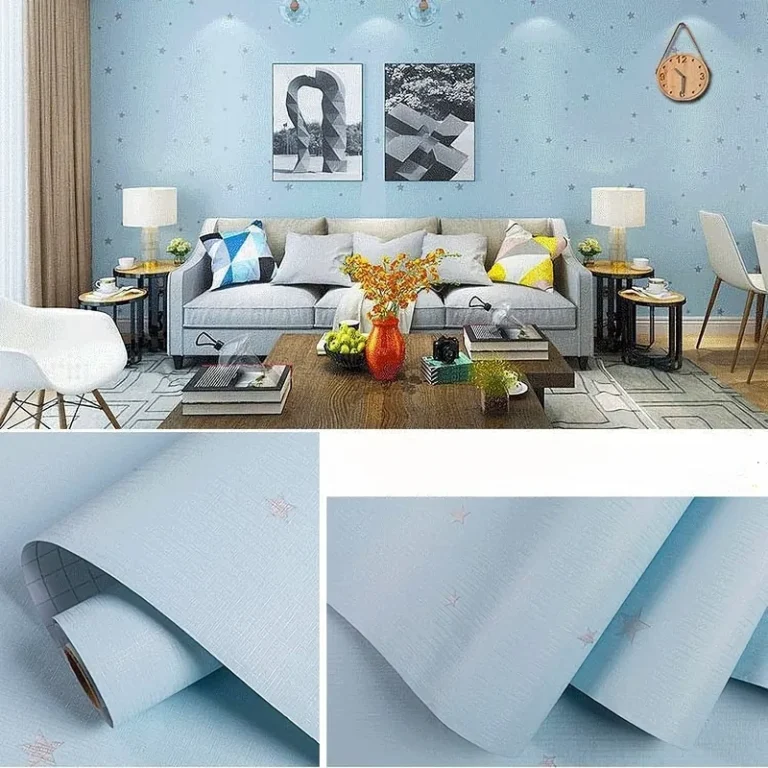
Solid color films provide a clean, uniform appearance without patterns or textures. They are widely used in wallpaper and interior surfaces, furniture lamination, and appliance panels. Available in matte, glossy, and soft-touch finishes, these films deliver consistent pigmentation and excellent hiding power over substrates like MDF, particleboard, and plywood.
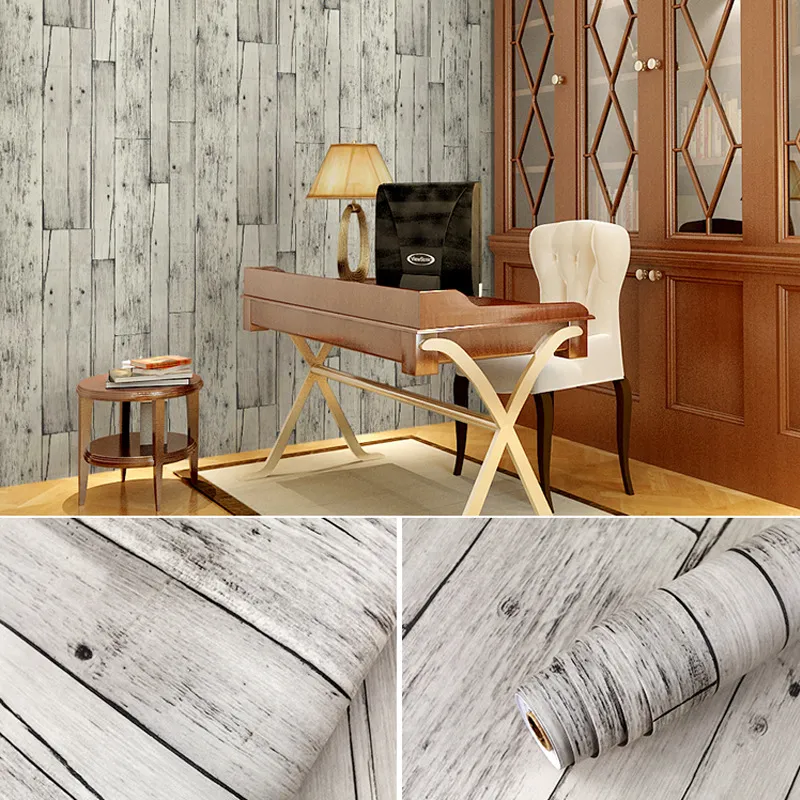
Designed to replicate the natural beauty of timber, wood grain color PVC film features realistic grain patterns, knots, and color variations. It is a cost-effective alternative to real wood veneer, offering better moisture resistance and easier maintenance. Common applications include cabinet doors, wardrobes, and interior door skins.
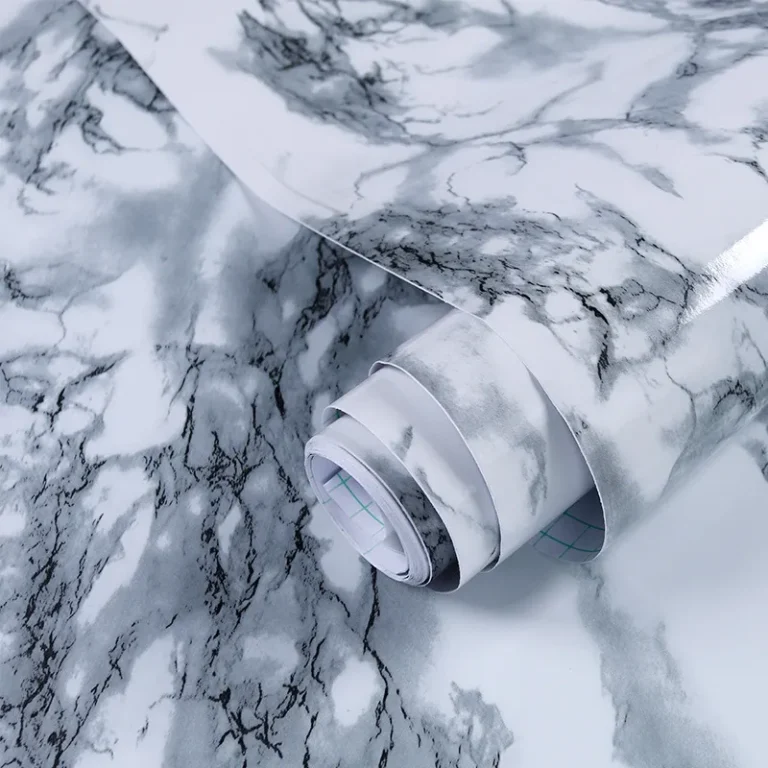
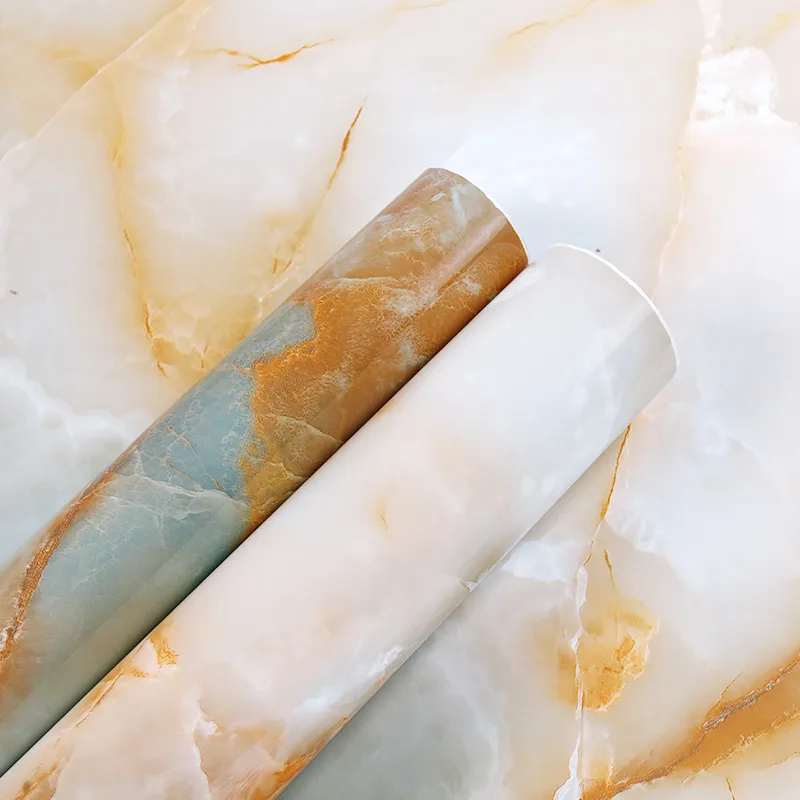
Marble-effect color PVC film captures the elegance of natural stone without the weight and installation complexity. These films are popular for wall panels, countertop wraps, and floor decorative layers. Advanced printing technologies ensure high-definition veining and depth that closely resemble authentic marble.
Metallic-finish films offer a sleek, modern aesthetic with shimmering surfaces that reflect light. Brushed textures add a sophisticated industrial look suitable for appliance fronts, elevator interiors, and exhibition displays. These films often incorporate UV stabilizers for enhanced outdoor durability.
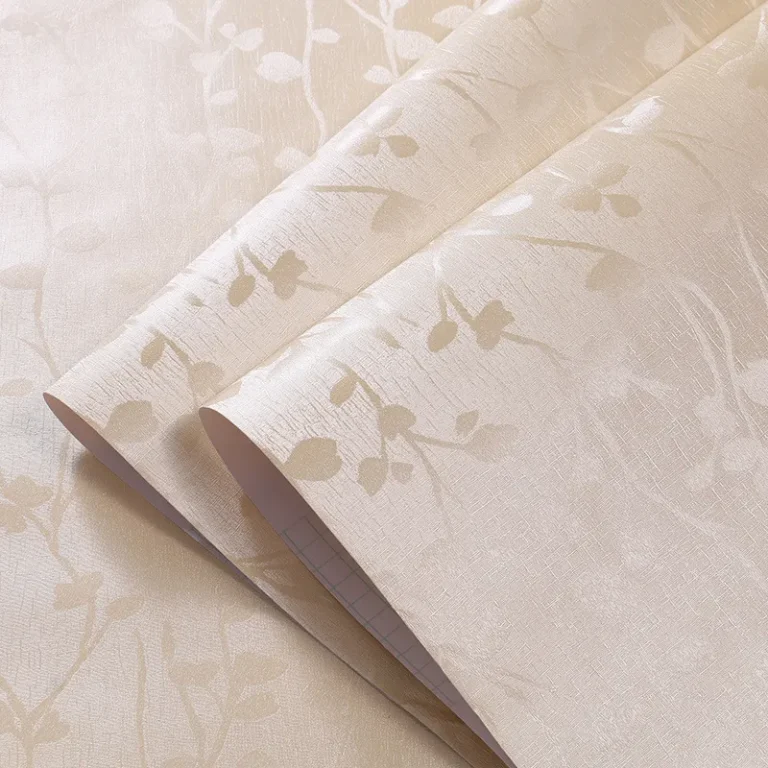
Embossed color PVC film adds tactile dimension to surfaces. Patterns range from fine leather grains and fabric weaves to 3D geometric reliefs. The embossing process not only enhances visual appeal but also improves slip resistance and scratch concealment on high-touch surfaces.
| Film Type | Finish Options | Common Thickness | Typical Applications |
|---|---|---|---|
| Solid Color | Matte, Glossy, Soft-Touch | 0.08 – 0.50 mm | Furniture, Wall Panels, Appliances |
| Wood Grain | Matte, Semi-Gloss, Embossed | 0.10 – 0.45 mm | Cabinet Doors, Wardrobes, Doors |
| Marble/Stone | Glossy, Matte | 0.12 – 0.50 mm | Wall Cladding, Countertops, Flooring |
| Metallic/Brushed | Brushed, Mirror, Satin | 0.10 – 0.40 mm | Appliances, Signage, Exhibitions |
| Textured/Embossed | Leather, Fabric, 3D Relief | 0.15 – 0.50 mm | Furniture Surfaces, Decorative Panels |
The versatility of color PVC film enables its use across residential, commercial, and industrial sectors. Below are the most prominent application areas where this material excels.
Why do professionals consistently choose color PVC film over alternatives like paint, laminate sheets, or natural veneers? The advantages span performance, cost, and design flexibility.
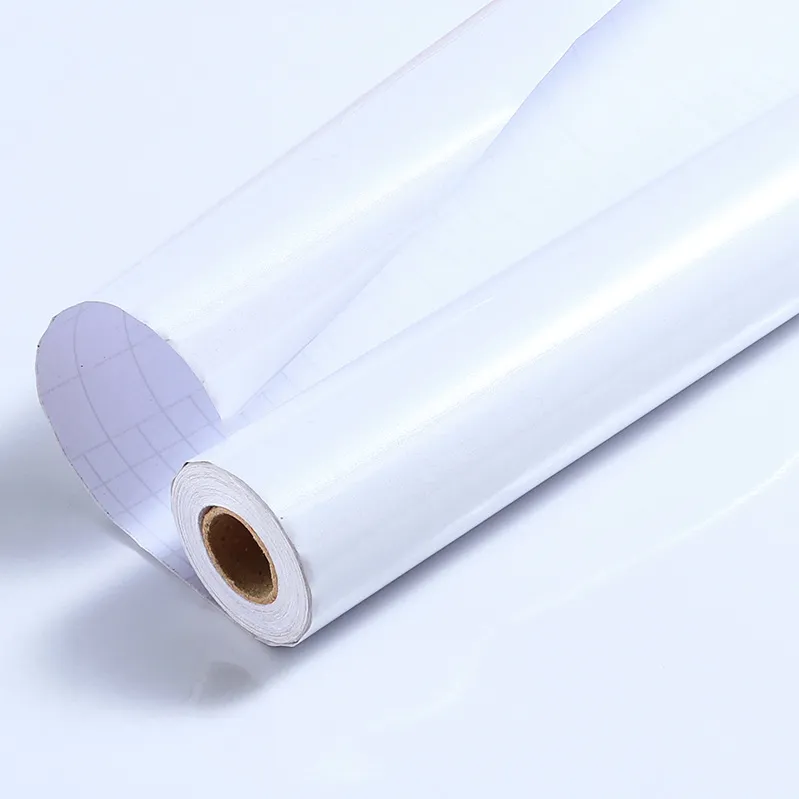
Selecting the optimal color PVC film requires evaluating several key factors to ensure long-term performance and satisfaction. Follow this structured approach to narrow down your options effectively.
Indoor applications typically require standard UV stability and scratch resistance. Outdoor or high-humidity environments demand films with enhanced UV inhibitors, anti-fog properties, and superior dimensional stability. Consider whether the film will face direct sunlight, frequent cleaning, or temperature fluctuations.
The substrate significantly influences adhesion and finish quality. Smooth MDF and glass surfaces accept most films readily. Rough or porous substrates like untreated wood may require primer coats or thicker films with higher adhesive compatibility. Always confirm lamination temperature and pressure requirements for your specific substrate.
Finish choice affects both aesthetics and practicality. Glossy finishes maximize color vibrancy but show fingerprints and scratches more readily. Matte finishes offer a sophisticated, low-glare appearance with better scratch concealment. Soft-touch and embossed finishes add tactile interest and improve grip on handheld items.
Thicker films (0.30–0.50 mm) provide greater durability and better hiding of substrate imperfections, making them suitable for flooring and high-wear furniture surfaces. Thinner films (0.08–0.15 mm) are ideal for temporary displays, lightweight panels, and cost-sensitive projects. Always verify that thickness aligns with your lamination equipment specifications.
For large-scale projects, batch-to-batch color consistency is critical. Request production samples and, if possible, specify colors using Pantone references or physical swatches. Reputable manufacturers maintain strict quality control checkpoints to ensure color uniformity across production runs.
Ensure the film meets relevant safety and environmental standards for your region. Look for phthalate-free and lead-free certifications, particularly for indoor residential applications. Products tested under recognized classification systems offer added assurance of quality and performance consistency.
| Selection Factor | Key Questions to Ask | Recommended Film Type |
|---|---|---|
| Environment | Indoor or outdoor? High humidity? Direct UV exposure? | UV-stabilized for outdoor; standard for indoor |
| Substrate | MDF, plywood, glass, metal, or plastic? | Self-adhesive or heat-lamination grade |
| Finish Preference | Glossy, matte, textured, or soft-touch? | Embossed for high-touch; glossy for visual impact |
| Thickness Requirement | High wear or light decorative use? | 0.30–0.50 mm for durability; 0.08–0.15 mm for economy |
| Color Matching | Large project requiring batch consistency? | Custom-matched with QC certificates |
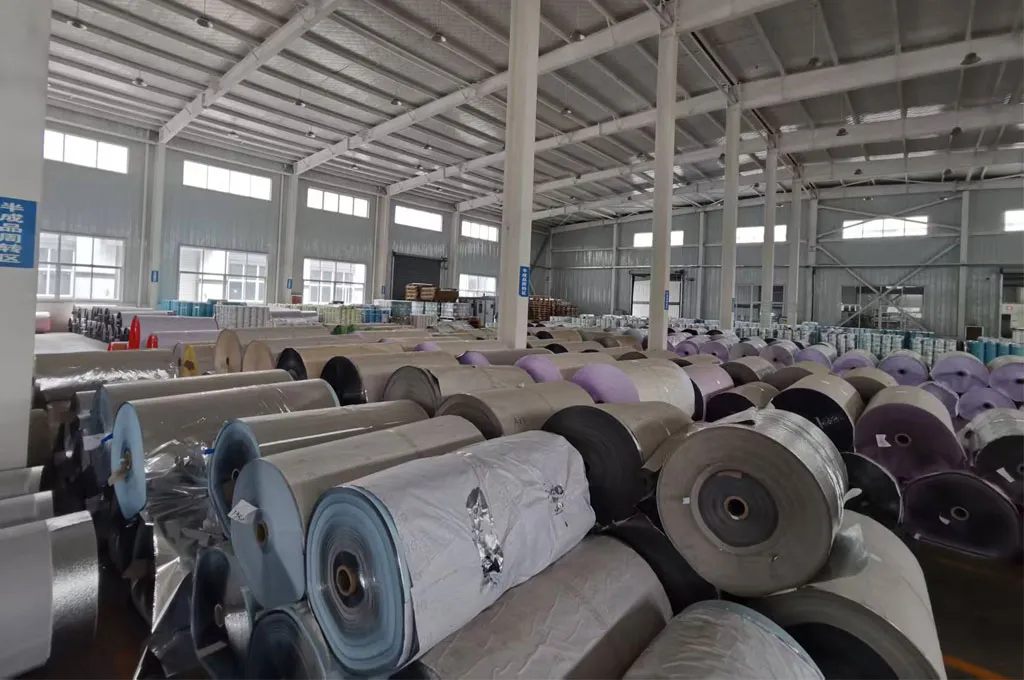
Behind every roll of premium color PVC film lies a sophisticated manufacturing process. Henan Pulivk New Materials Co., Ltd. operates advanced calendering lines, printing lines, and split-packaging lines under one roof, enabling complete quality control from raw material processing to finished packaging. This integrated approach ensures stable color consistency, reliable lead times, and cost efficiencies that benefit importers, distributors, and large-scale end users worldwide. With years of export experience spanning Southeast Asia, the Middle East, Europe, and beyond, the company supports flexible OEM customization including tailored sizes, custom color matching, and private label packaging.
Color PVC film represents a smart balance of aesthetics, performance, and value. Whether you are furnishing a residential space, outfitting a commercial property, or developing products for retail distribution, understanding the types, benefits, and selection criteria empowers you to choose the ideal material for lasting results. By partnering with experienced manufacturers who prioritize quality control and offer comprehensive customization options, you gain reliable access to films that meet both technical specifications and creative vision. For more information on available products and custom solutions, explore our full product range or reach out to discuss your specific project requirements.