Address
304 North Cardinal St.
Dorchester Center, MA 02124
Work Hours
Monday to Friday: 7AM - 7PM
Weekend: 10AM - 5PM
Address
304 North Cardinal St.
Dorchester Center, MA 02124
Work Hours
Monday to Friday: 7AM - 7PM
Weekend: 10AM - 5PM


 ByPulivk
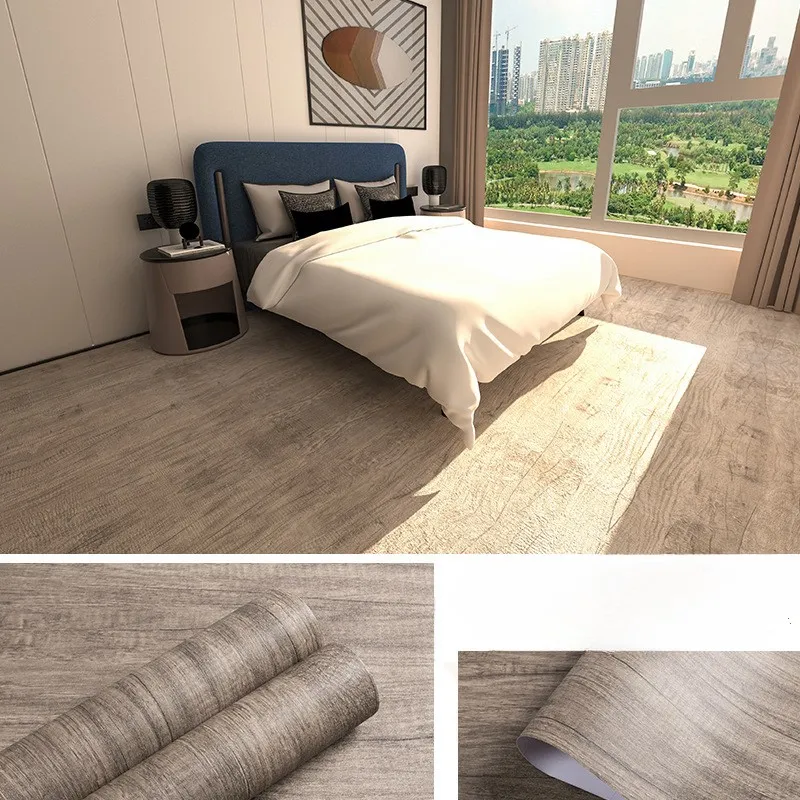
Modern construction and renovation projects demand materials that balance aesthetics, durability, and energy efficiency. Among the most versatile solutions available today is heat insulation PVC film. This specialized material has transformed how architects, contractors, and homeowners approach thermal management in buildings. By combining the structural benefits of polyvinyl chloride with advanced thermal reflective properties, heat insulation PVC film offers a cost-effective alternative to traditional insulation methods while maintaining design flexibility.
The growing emphasis on energy conservation and sustainable building practices has accelerated the adoption of thermal insulation films across residential, commercial, and industrial sectors. Whether applied to windows, walls, or roofing systems, heat insulation PVC film creates a barrier that significantly reduces heat transfer, leading to lower energy consumption and improved indoor comfort throughout the year.

Understanding the advantages of heat insulation PVC film helps decision-makers evaluate its suitability for specific projects. The material delivers multiple performance benefits that extend beyond basic thermal regulation.
The primary function of heat insulation PVC film is to reduce thermal conductivity between interior and exterior environments. By reflecting infrared radiation and minimizing heat absorption, these films can lower indoor temperatures by 3°C to 8°C during summer months while retaining warmth in winter. This translates directly into reduced HVAC loads and measurable energy cost reductions. Studies indicate that properly installed thermal films can contribute to annual energy savings of 15% to 30% depending on climate conditions and building orientation.
Beyond heat management, heat insulation PVC film blocks up to 99% of harmful ultraviolet rays. This protection prevents furniture fading, floor discoloration, and material degradation while safeguarding occupants from prolonged UV exposure. Additionally, the film reduces visible glare on screens and work surfaces, enhancing visual comfort in offices, retail spaces, and residential areas.
Compared to replacing windows or installing additional insulation layers, applying heat insulation PVC film requires minimal structural modification. The installation process is fast and non-disruptive, often completed within hours for standard applications. Maintenance involves simple cleaning with non-abrasive solutions, and high-quality films maintain their performance characteristics for 5 to 15 years depending on environmental exposure.
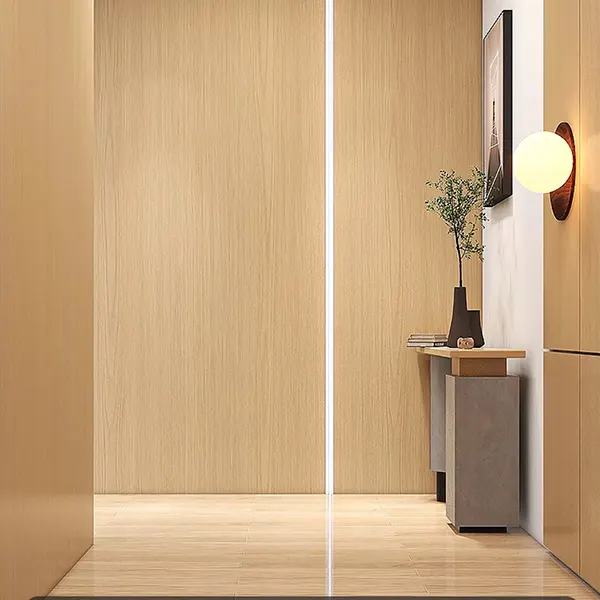
The versatility of heat insulation PVC film enables its use across diverse sectors. Each application leverages specific performance characteristics tailored to unique environmental demands.
| Application Sector | Specific Use Cases | Key Performance Requirements |
|---|---|---|
| Residential Buildings | Window films, skylight insulation, conservatory thermal control, sunroom glazing | High visible light transmission, superior UV blocking, aesthetic compatibility |
| Commercial Offices | Curtain wall insulation, conference room glare control, lobby thermal management | Glare reduction, energy efficiency, professional appearance |
| Automotive Sector | Windshield films, side window tinting, sunroof thermal barriers | Optical clarity, heat rejection, shatter resistance |
| Agricultural Facilities | Greenhouse covering, livestock shelter insulation, storage facility protection | Light diffusion, humidity resistance, temperature stabilization |
| Industrial Plants | Factory roof insulation, warehouse thermal barriers, equipment protection | High durability, chemical resistance, extreme temperature tolerance |
The adaptability of heat insulation PVC film across these sectors demonstrates its role as a universal thermal management solution. Each application can be customized through film thickness selection, adhesive formulation, and surface treatment to meet specific operational requirements.
When evaluating heat insulation PVC film, several technical parameters determine its suitability for particular applications. Understanding these metrics enables informed purchasing decisions.
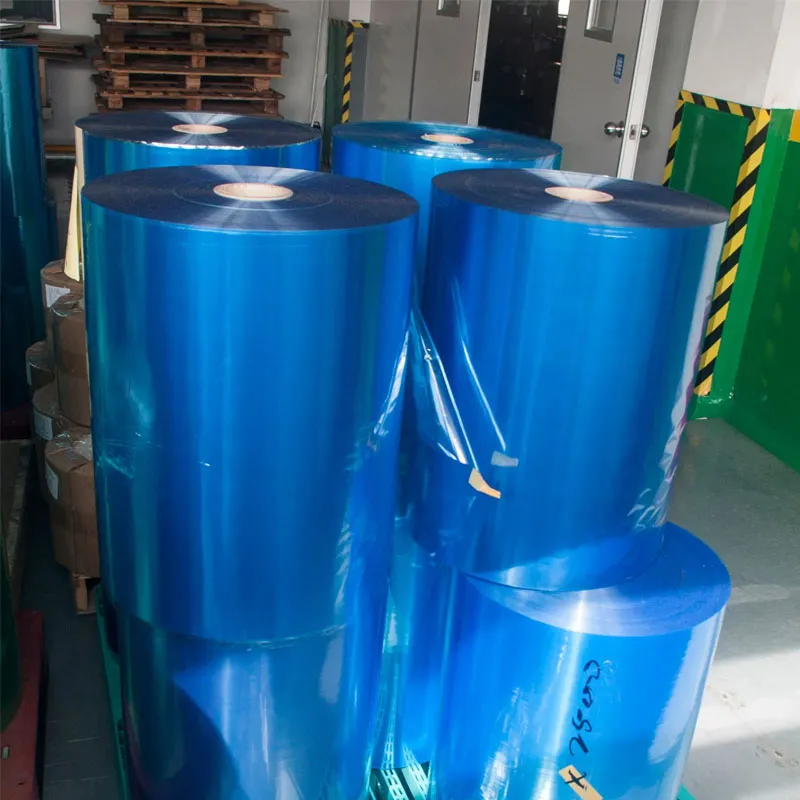
Selecting the optimal heat insulation PVC film requires a systematic evaluation of project-specific factors. The following framework guides the decision-making process.
Geographic location fundamentally influences film selection. Tropical and subtropical regions demand films with high infrared rejection and low SHGC values to combat intense solar radiation. Temperate climates benefit from films that balance heat rejection with adequate visible light transmission, maintaining natural illumination while controlling seasonal temperature fluctuations. Cold regions require low-emissivity films that retain interior heat while still allowing beneficial solar gain during winter months.
The surface to which heat insulation PVC film will be applied significantly affects performance. Glass substrates require films with appropriate adhesive systems that prevent thermal stress cracking. Polycarbonate and acrylic surfaces need specialized formulations to avoid chemical interactions that cause clouding or delamination. Metal panels and concrete walls each present unique adhesion challenges that must be addressed through proper film selection and surface preparation.
Building codes and safety standards increasingly mandate specific performance criteria for construction materials. Ensure selected heat insulation PVC film complies with ASTM PVC Film Standard specifications and relevant fire safety classifications. Products meeting Thermoplastic Film Testing Guide requirements provide documented quality assurance for commercial and institutional projects. Additionally, verify compliance with PVC Film Dimensional Stability standards to ensure long-term performance reliability.
While premium heat insulation PVC film products offer superior performance, project budgets often require practical compromises. Evaluate the total cost of ownership rather than initial material expenses alone. Higher-quality films typically deliver faster return on investment through greater energy savings and extended service life. Consider factors such as warranty coverage, expected durability in local conditions, and potential maintenance costs when comparing options.
Proper installation maximizes the performance and longevity of heat insulation PVC film. Following established protocols ensures optimal thermal insulation results.
Thorough cleaning removes dust, oils, and residues that compromise adhesion. Use non-abrasive cleaners appropriate for the substrate material. Ensure surfaces are completely dry before film application. Ambient temperature during installation should remain between 10°C and 35°C for optimal adhesive activation and bubble-free results.
Professional installers employ wet or dry application methods depending on film type and substrate characteristics. Wet application uses a mounting solution to allow repositioning and minimize air entrapment, ideal for large window installations. Dry application suits smaller areas and certain adhesive systems. Regardless of method, proper squeegee technique and edge sealing prevent premature peeling and moisture ingress.
Reputable manufacturers of heat insulation PVC film adhere to rigorous quality control protocols throughout production. Testing per Plastic Film Thermal Shrinkage standards verifies dimensional stability under temperature cycling. PVC Life Cycle Assessment data provides transparency regarding environmental impact and sustainability credentials. Third-party certifications from recognized testing organizations offer additional assurance of product quality and performance consistency.
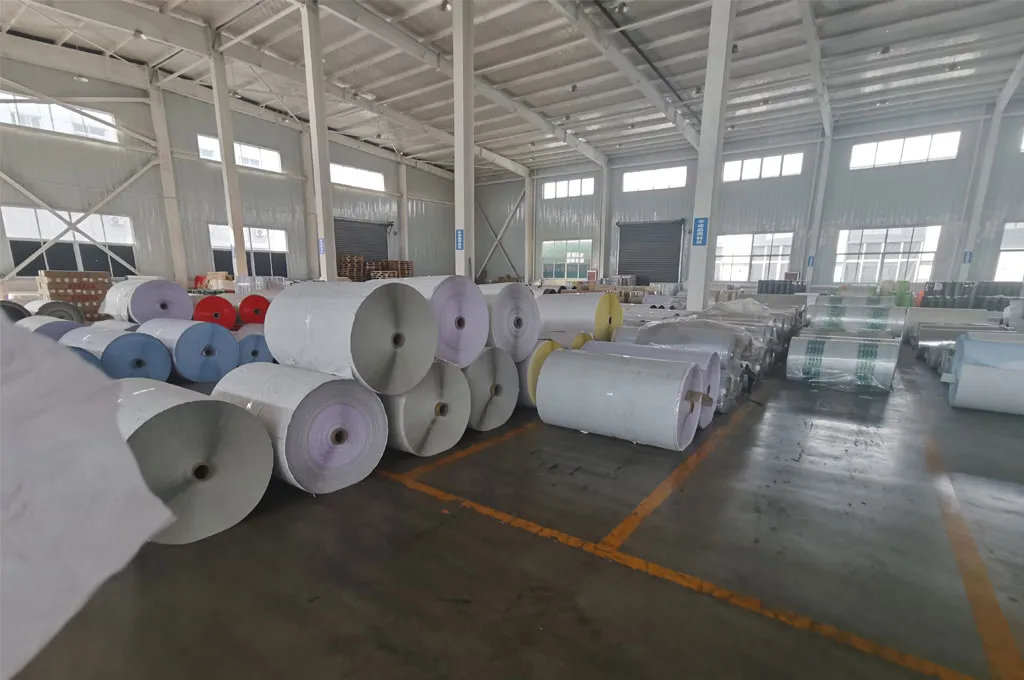
Modern heat insulation PVC film formulations increasingly incorporate eco-friendly materials and production processes. Lead-free and phthalate-free options meet stringent international environmental standards including RoHS and REACH requirements. The energy-saving benefits of these films contribute to reduced carbon footprints for buildings where they are installed. Additionally, many manufacturers offer recycling programs for post-installation waste and end-of-life film materials, supporting circular economy principles within the construction industry.
The thermal insulation properties of heat insulation PVC film align with global green building certifications such as LEED and BREEAM. By reducing energy consumption for heating and cooling, these films help projects earn credits toward certification while delivering tangible operational cost savings. This dual benefit makes thermal films an increasingly popular choice for environmentally conscious construction and renovation projects worldwide.
Ongoing research and development continue to expand the capabilities of heat insulation PVC film. Nanotechnology-enhanced coatings promise even greater infrared rejection with minimal impact on visible light transmission. Smart film technologies that adjust thermal properties in response to ambient conditions represent the next frontier in adaptive building materials. Integration with building automation systems and IoT sensors will enable dynamic thermal management that optimizes energy efficiency in real time.
The market for heat insulation PVC film continues to grow as awareness of energy conservation benefits spreads across global markets. Henan Pulivk New Materials Co., Ltd. supports this evolution through advanced calendering production lines, comprehensive quality control systems, and flexible OEM services that meet diverse international requirements. With production capacity spanning calendered film, decorative film, and specialized thermal insulation products, the company provides reliable supply chain solutions for distributors, contractors, and brand owners seeking high-performance PVC film materials.
Quality films properly installed on appropriate substrates typically maintain effective performance for 5 to 15 years. Longevity depends on factors including UV exposure intensity, temperature cycling frequency, substrate type, and adherence to maintenance recommendations.
Yes, one of the primary advantages of heat insulation PVC film is its suitability for retrofit applications on existing glazing. Professional installation ensures proper adhesion and thermal performance without requiring window replacement or structural modification.
Modern heat insulation PVC film products offer a range of visible light transmission options. High-VLT films maintain natural illumination while still providing thermal insulation benefits. The specific balance between light transmission and heat rejection can be selected based on project priorities.
While DIY installation is possible for small-scale applications, professional installation is recommended for optimal results, particularly for large areas or complex substrates. Professional installers possess the tools, experience, and techniques to minimize bubbles, ensure proper edge sealing, and maximize the film’s service life.
Maintenance involves periodic cleaning with soft cloths and mild, non-abrasive cleaners. Avoid ammonia-based products and abrasive tools that could scratch the film surface. Regular inspection of edges and seams helps identify any early signs of lifting or damage that should be addressed promptly.
Yes, heat insulation PVC film can be removed when replacement or updating is desired. Professional removal techniques minimize adhesive residue and substrate damage. The ability to upgrade film performance as technology advances provides long-term flexibility for building owners and managers.