Address
304 North Cardinal St.
Dorchester Center, MA 02124
Work Hours
Monday to Friday: 7AM - 7PM
Weekend: 10AM - 5PM
Address
304 North Cardinal St.
Dorchester Center, MA 02124
Work Hours
Monday to Friday: 7AM - 7PM
Weekend: 10AM - 5PM



 ByPulivk
In the pharmaceutical industry, packaging plays a critical role in protecting drug stability, ensuring sterility, and extending shelf life. Among the many materials available, pharmaceutical PVC film stands out as one of the most widely used rigid and flexible packaging solutions. Its versatility, cost-effectiveness, and excellent barrier performance make it indispensable for blister packs, medical device wraps, and unit-dose containers.
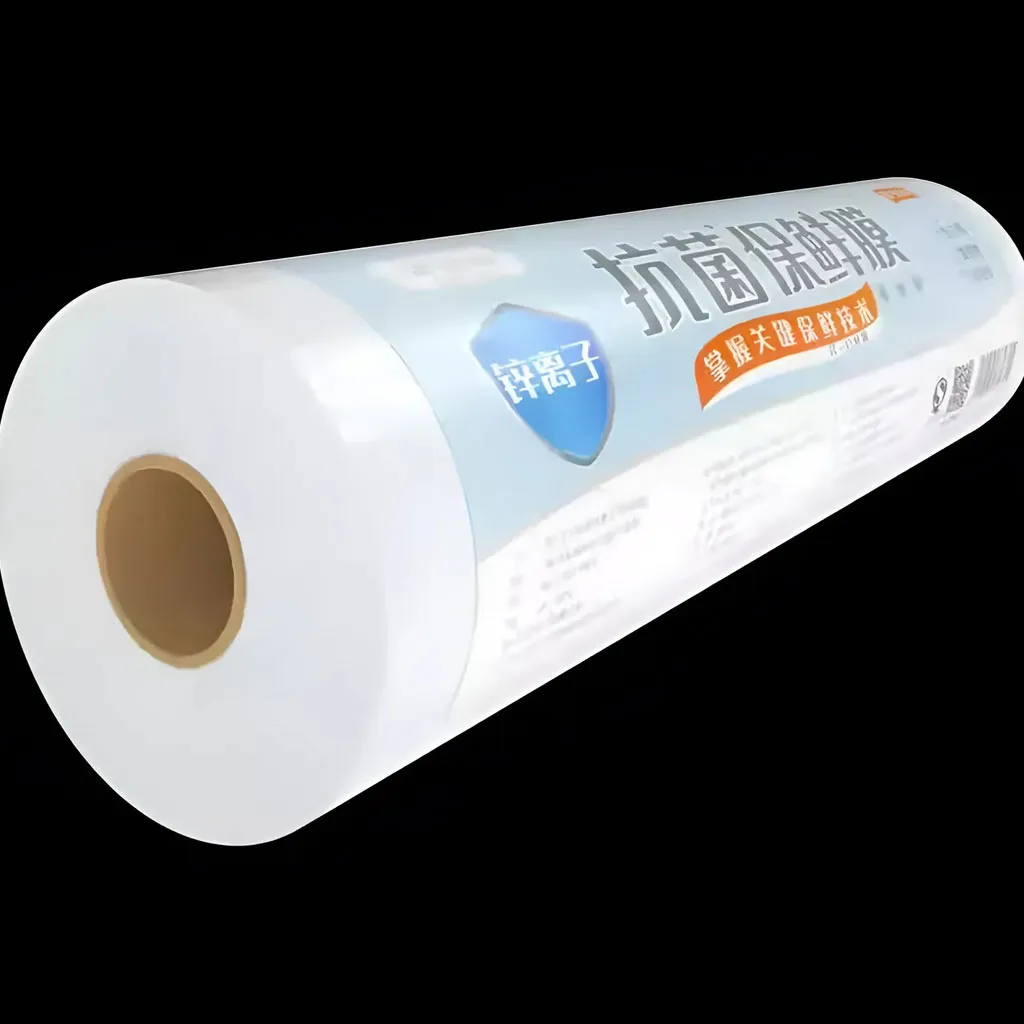
Pharmaceutical PVC film is a specialized grade of polyvinyl chloride sheeting formulated to meet stringent healthcare and drug packaging requirements. Unlike general-purpose PVC films, this material is manufactured with high-purity resins, non-toxic plasticizers, and precisely controlled additives to ensure compatibility with sensitive drug formulations. The film can be produced in both rigid and semi-rigid forms, with thicknesses typically ranging from 0.10 mm to 0.50 mm depending on the application.
Quality calendered film production ensures uniform thickness and consistent surface quality—two parameters that are absolutely critical in pharmaceutical packaging lines where precision thermoforming is required.
The adoption of pharmaceutical PVC film spans multiple packaging formats across the healthcare supply chain. Below are the most common applications:
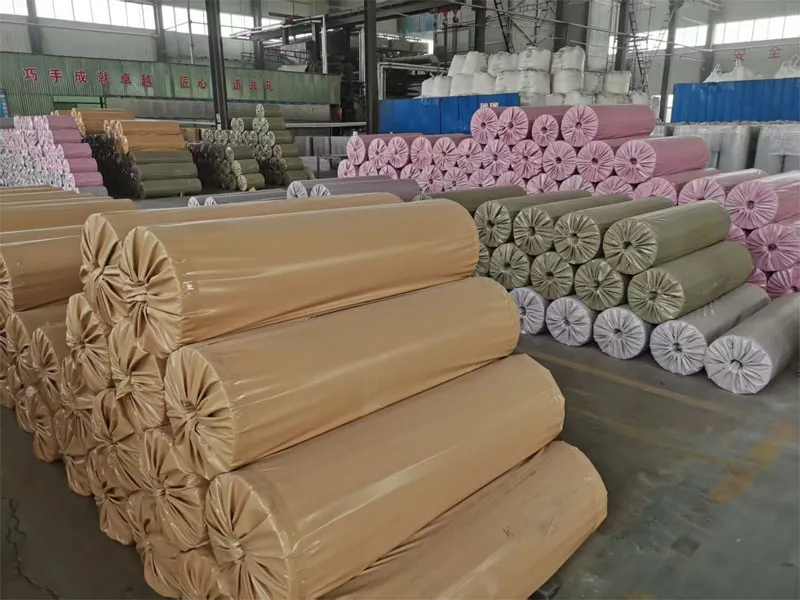
Why do pharmaceutical manufacturers consistently choose PVC film over alternative materials? The answer lies in a unique combination of performance, regulatory acceptance, and processing efficiency.
Not all PVC films are suitable for pharmaceutical use. The industry recognizes several distinct grades based on formulation, rigidity, and barrier requirements. Selecting the appropriate grade is essential for both regulatory compliance and functional performance.
| Grade | Rigidity | Typical Thickness | Key Applications |
|---|---|---|---|
| Rigid PVC (RPVC) | High | 0.15–0.50 mm | Blister packs, tray inserts, ampoule holders |
| Semi-Rigid PVC | Medium | 0.10–0.25 mm | Strip packs, sachet overwrap, flexible medical pouches |
| PVC/PVDC Laminate | Medium-High | 0.20–0.40 mm | Moisture-sensitive drugs, extended shelf-life products |
| PVC/CTFE Laminate | Medium-High | 0.20–0.35 mm | High-barrier applications, clinical trial materials |
| Antistatic PVC | Medium | 0.12–0.30 mm | Cleanroom packaging, electronics-containing medical devices |
Precise thickness control is fundamental to pharmaceutical film performance. The ISO Film Thickness Standard provides internationally recognized measurement methodologies that ensure batch-to-batch consistency and reliable thermoforming outcomes.
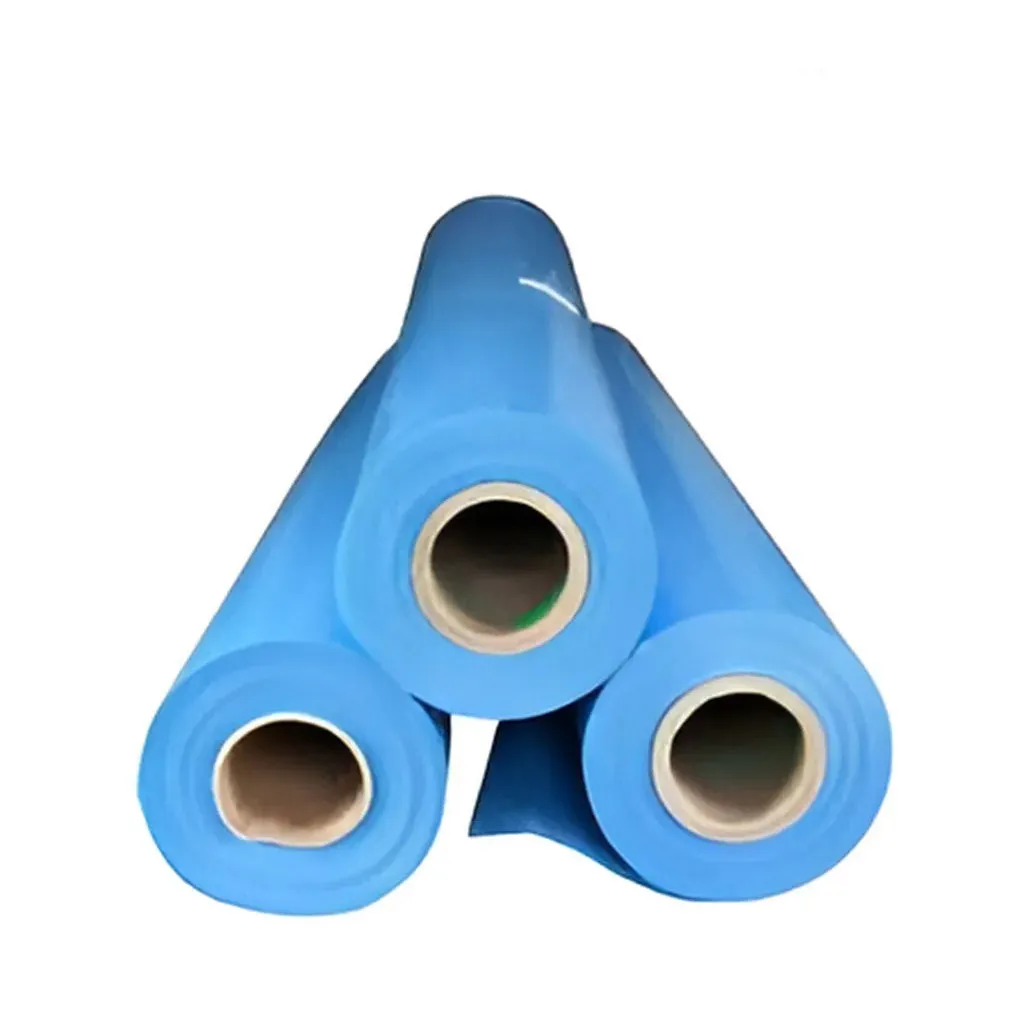
Pharmaceutical PVC film is converted into various packaging configurations that address different drug delivery and protection needs. Understanding these formats helps manufacturers align material selection with therapeutic requirements.
The most prevalent format, blister packaging uses thermoformed PVC cavities sealed with push-through aluminum foil. This configuration provides tamper evidence, child resistance options, and unit-dose dispensing accuracy. Modern blister lines can produce over 1,000 blisters per minute with precise cavity registration.
For extremely moisture-sensitive compounds, PVC-based films may be laminated with aluminum to form cold-formable blister base webs. While requiring different tooling, these structures offer near-absolute moisture protection while retaining PVC’s processing advantages.
Rigid PVC films serve as the formed tray component in sterile barrier systems, paired with Tyvek or medical-grade paper lids. The Flexible Barrier Film Testing standards help validate penetration resistance and seal integrity for these critical applications.
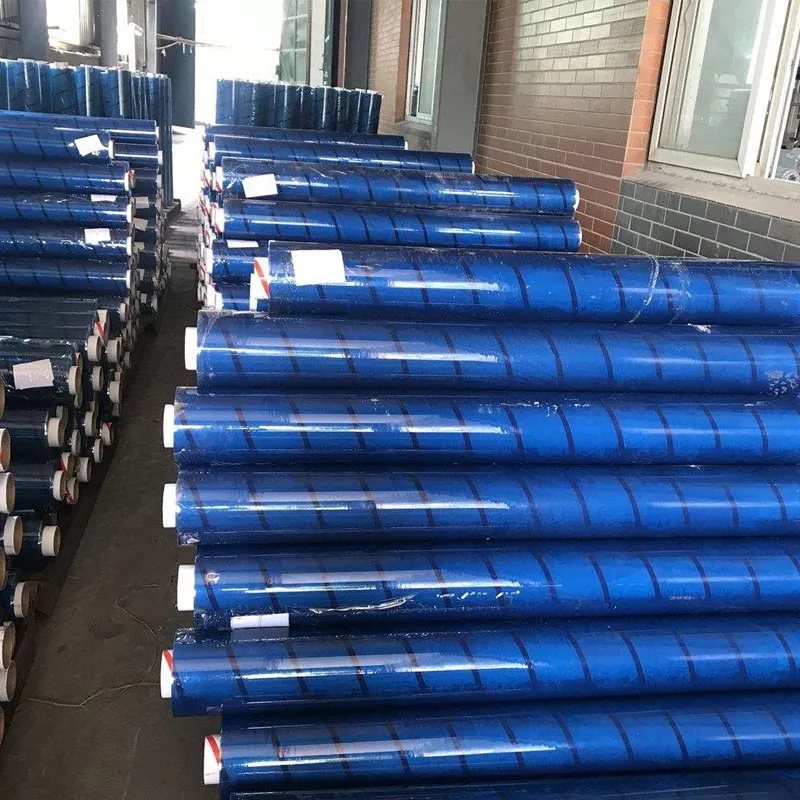
Pharmaceutical packaging materials must comply with an extensive framework of pharmacopoeial monographs, regional regulations, and international testing standards. Key compliance areas for PVC films include:
The pharmaceutical industry is increasingly focused on reducing packaging environmental impact without compromising patient safety. PVC film contributes to sustainability goals through several pathways. Mechanical recycling of production scrap is well-established, and post-industrial PVC waste can be reprocessed into non-pharmaceutical applications. The PVC Circular Economy initiatives continue to expand collection and reprocessing infrastructure across Europe and beyond.
Additionally, lightweighting trends in rigid PVC formulations have reduced material consumption per blister card by up to 15% over the past decade, while maintaining protective performance.
When evaluating suppliers of pharmaceutical PVC film, consider these critical factors:
Henan Pulivk New Materials Co., Ltd. operates integrated calendering, printing, and split-packaging lines, maintaining full in-house control over pharmaceutical-grade PVC film production. With years of export experience to regulated markets and a commitment to consistent quality, the company supports pharmaceutical packaging partners with reliable materials and technical guidance. For more information about product specifications and custom formulations, visit the product catalog or contact the team directly.
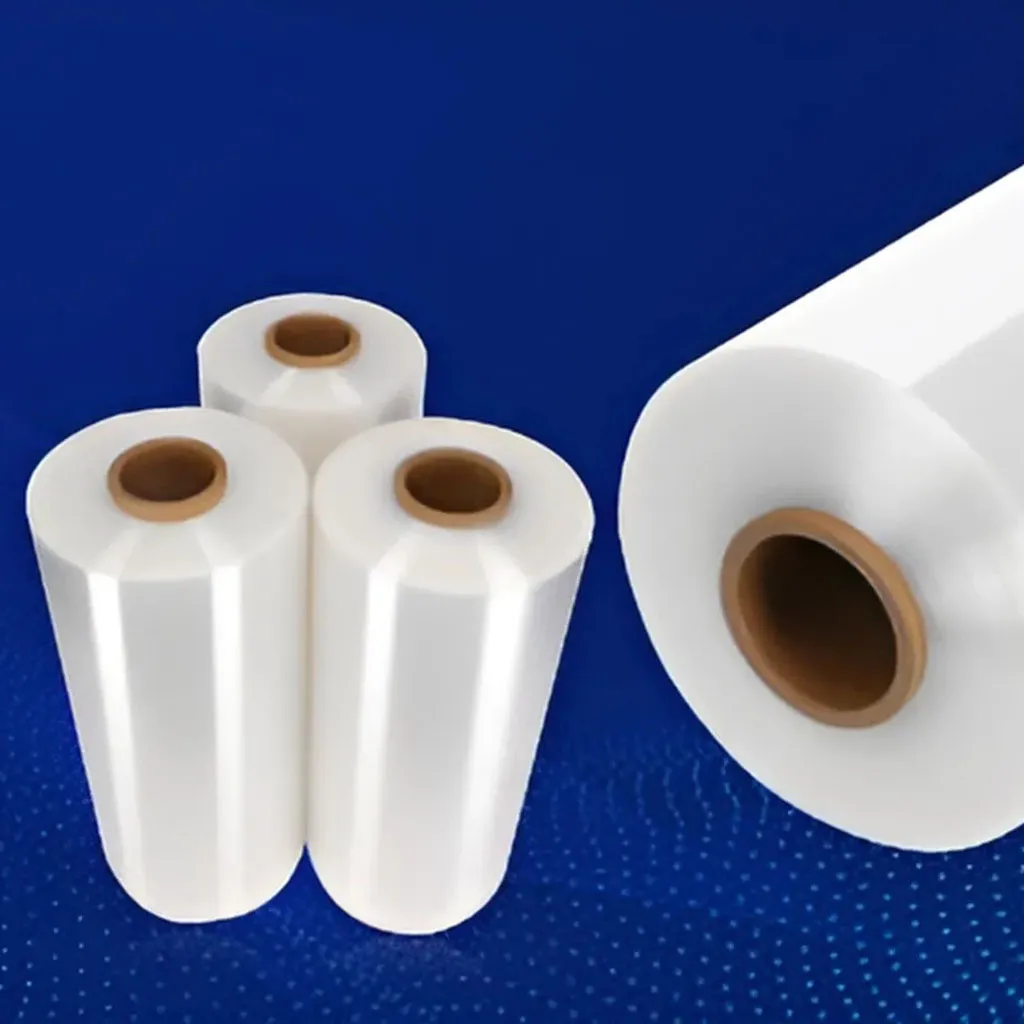
The role of pharmaceutical PVC film continues to evolve as drug delivery systems become more sophisticated. Emerging trends include high-barrier monolayer formulations that eliminate lamination steps, laser-markable films for serialization and track-and-trace compliance, and bio-based plasticizer systems that address evolving regulatory expectations around phthalate alternatives. Manufacturers who invest in R&D and maintain close collaboration with pharmaceutical end-users will be best positioned to capture growth in this essential packaging segment.
For companies seeking to optimize their pharmaceutical packaging supply chain, exploring the full range of PVC film options and engaging early with material specialists can yield significant advantages in both compliance and cost management.