Address
304 North Cardinal St.
Dorchester Center, MA 02124
Work Hours
Monday to Friday: 7AM - 7PM
Weekend: 10AM - 5PM
Address
304 North Cardinal St.
Dorchester Center, MA 02124
Work Hours
Monday to Friday: 7AM - 7PM
Weekend: 10AM - 5PM


 ByPulivk
In modern healthcare environments, material selection directly impacts patient safety, infection control, and operational efficiency. Medical PVC film has emerged as a cornerstone material across hospitals, clinics, and cleanroom facilities worldwide. Its unique combination of flexibility, chemical resistance, and cost-effectiveness makes it indispensable for a wide range of medical applications—from sterile packaging to protective barriers and fluid containment systems.
The healthcare industry demands materials that meet rigorous performance criteria. Medical PVC film products deliver exceptional versatility through several key characteristics. They offer outstanding clarity for visual inspection of packaged contents, maintain flexibility across temperature ranges, and resist punctures and tears during handling. Unlike rigid alternatives, medical PVC film conforms easily to irregular shapes, making it ideal for form-fill-seal packaging and protective coverings. Additionally, its compatibility with common sterilization methods—including ethylene oxide (EtO) and gamma irradiation—ensures sterile integrity throughout the supply chain.
When evaluating medical PVC film for healthcare use, several performance metrics demand attention. The table below summarizes the critical properties that define high-quality medical-grade films:
| Property | Healthcare Relevance | Testing Standard |
|---|---|---|
| Tensile Strength | Resists tearing during packaging and handling | Plastic Film Tensile Testing (ASTM D882) |
| Optical Clarity | Allows visual inspection of medical devices and fluids | Plastic Film Haze Testing (ASTM D1003) |
| Puncture Resistance | Prevents contamination from sharp instrument edges | Flexible Barrier Film Testing (ASTM F1306) |
| Thickness Uniformity | Ensures consistent barrier protection across the film | ISO Film Thickness Standard (ISO 4593) |
| Chemical Resistance | Withstands exposure to disinfectants and bodily fluids | Thermoplastic Film Testing Guide (ISO 23559) |
Safety remains the paramount concern in medical material selection. Medical PVC film must comply with stringent biocompatibility standards to ensure patient safety. Modern formulations avoid harmful phthalates and comply with PVC Plasticizers and Phthalates regulations established by the FDA for medical applications. Many manufacturers now offer phthalate-free medical PVC films that maintain excellent flexibility while addressing regulatory concerns. Additionally, films intended for blood contact or prolonged skin exposure undergo cytotoxicity testing, skin irritation studies, and hemocompatibility assessments according to ISO 10993 standards.
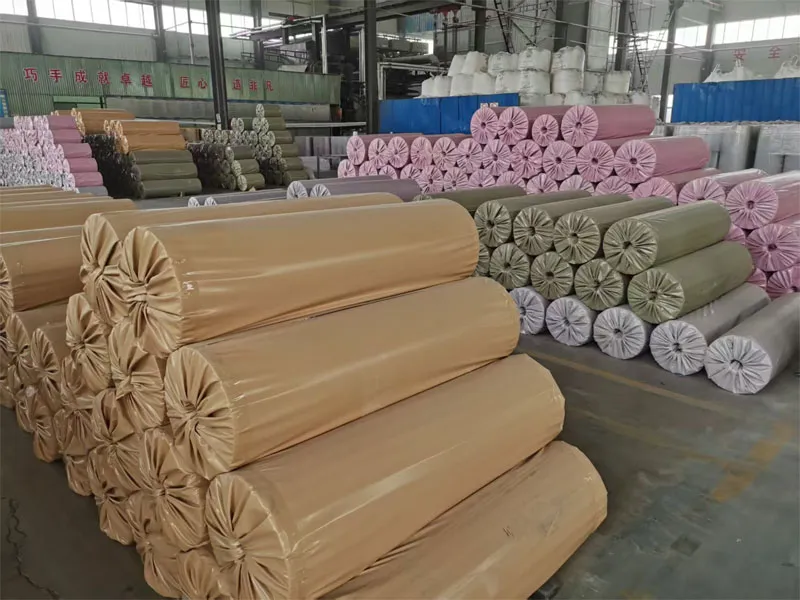
The inherent flexibility of calendered PVC film provides tangible advantages in healthcare settings. Medical tubing, fluid bags, and protective sheeting benefit from PVC’s ability to bend without kinking or cracking. This flexibility extends to cold storage conditions, where many alternative materials become brittle. Medical PVC film maintains its integrity across a wide temperature range, from freezer storage to autoclave sterilization cycles. Its durability translates to fewer failures during critical procedures and reduced waste from damaged packaging.
Procurement professionals evaluating medical PVC film must verify compliance with applicable standards. The ASTM PVC Film Standard (ASTM D1593) establishes baseline requirements for nonrigid vinyl chloride plastic film and sheeting used in medical and pharmaceutical applications. Manufacturers supplying the healthcare sector should maintain ISO 13485 certification for medical device quality management systems and provide full traceability documentation. Rigorous quality control at every production stage—from raw material inspection to finished film testing—ensures that medical PVC film consistently meets the exacting demands of healthcare applications.
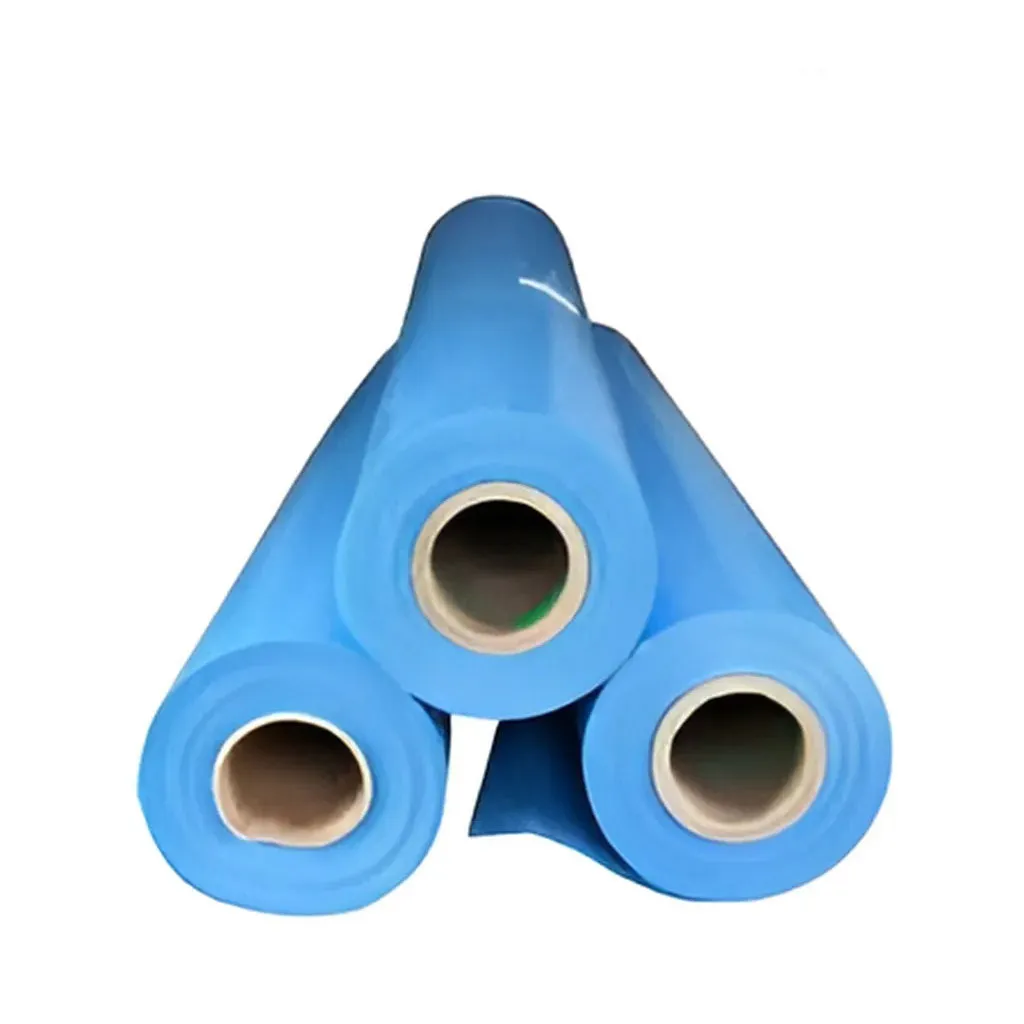
Despite the emergence of alternative polymers, medical PVC film continues to dominate healthcare material selection for compelling reasons. Its material cost is significantly lower than silicone, polyurethane, or specialty elastomers. The film’s exceptional weldability using radio frequency (RF) and heat-sealing techniques enables high-speed automated packaging lines. Furthermore, PVC’s inherent flame retardancy adds an extra safety margin in oxygen-rich clinical environments. These practical advantages, combined with decades of proven clinical performance, solidify its position in the medical supply chain.
When selecting a PVC film manufacturer for medical applications, consider production capabilities, quality certifications, and technical support. Henan Pulivk New Materials Co., Ltd. operates advanced calendering lines with full in-house production control, ensuring consistent quality from raw material processing to finished packaging. A qualified supplier should provide comprehensive documentation including certificates of analysis, regulatory compliance statements, and material safety data sheets. Evaluating PVC film product catalogs and requesting samples for in-house testing helps procurement teams make informed decisions aligned with their specific clinical requirements.

Medical PVC film represents a mature, reliable material solution that continues to evolve alongside healthcare industry needs. Its balance of safety, performance, and cost-effectiveness remains unmatched for a broad spectrum of medical applications. By partnering with experienced manufacturers and staying informed about regulatory developments, healthcare organizations can confidently specify medical PVC film that protects patients and supports clinical excellence.