Address
304 North Cardinal St.
Dorchester Center, MA 02124
Work Hours
Monday to Friday: 7AM - 7PM
Weekend: 10AM - 5PM
Address
304 North Cardinal St.
Dorchester Center, MA 02124
Work Hours
Monday to Friday: 7AM - 7PM
Weekend: 10AM - 5PM


 ByPulivk
Polymeric PVC film has become a cornerstone material across numerous industries, valued for its exceptional versatility, durability, and cost-effectiveness. From enhancing interior spaces with wood grain film to providing robust protection in industrial settings, understanding the benefits and selection criteria is essential for any project.
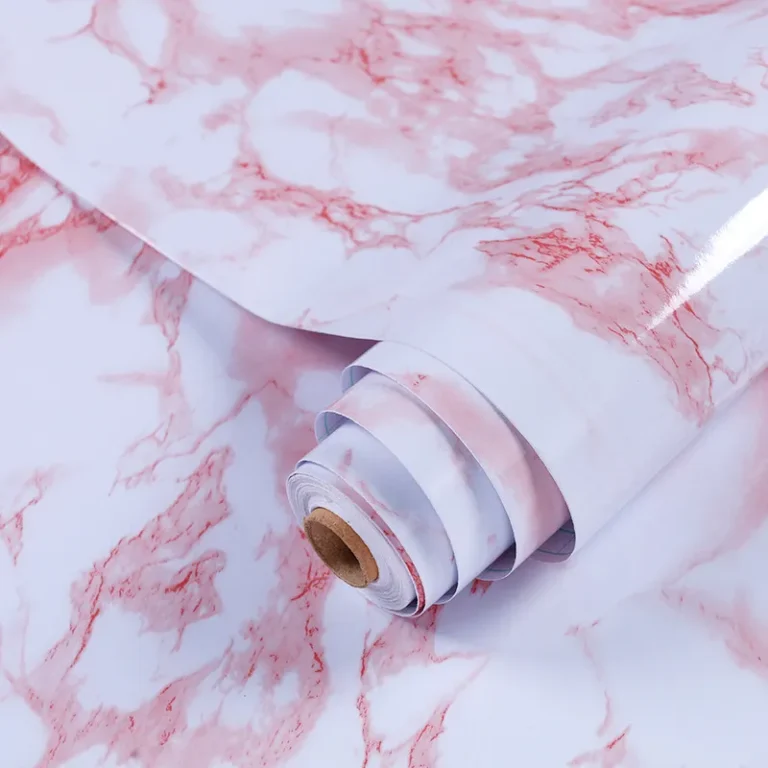
Polymeric PVC film is a thermoplastic polymer material manufactured through processes like calendering. This method produces films with consistent thickness, superior surface quality, and a wide range of physical properties. Unlike simple plastic sheets, polymeric pvc film can be engineered with specific additives to achieve desired characteristics such as flexibility, UV resistance, color fastness, and texture. This engineering capability makes it a preferred choice for applications ranging from marble film in furniture to anti-static films in electronics manufacturing.
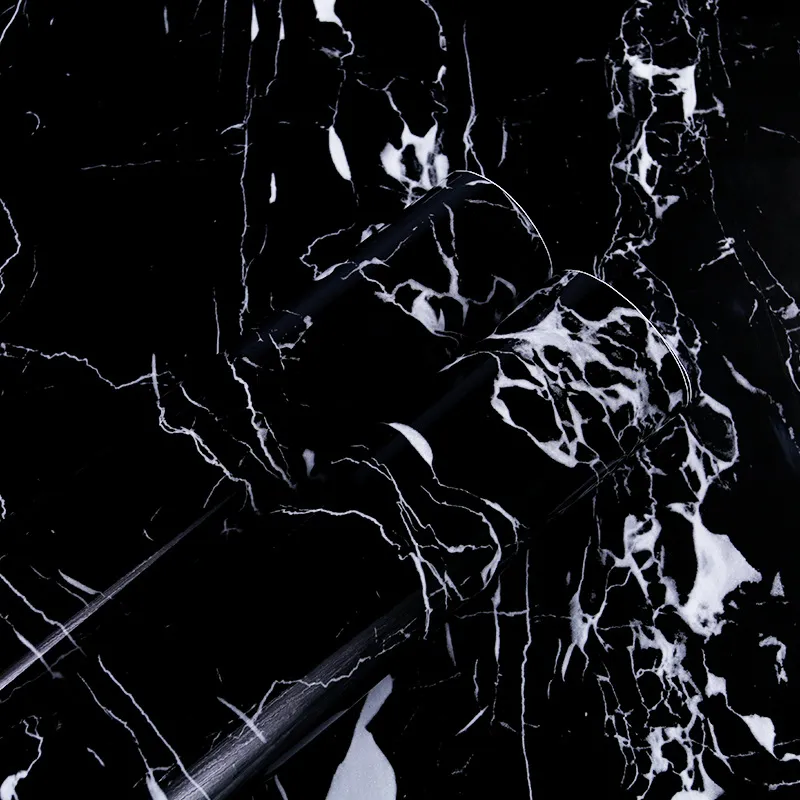
Choosing polymeric pvc film offers a multitude of advantages over traditional materials like wood, metal, or paint. Its unique properties provide functional and aesthetic value.
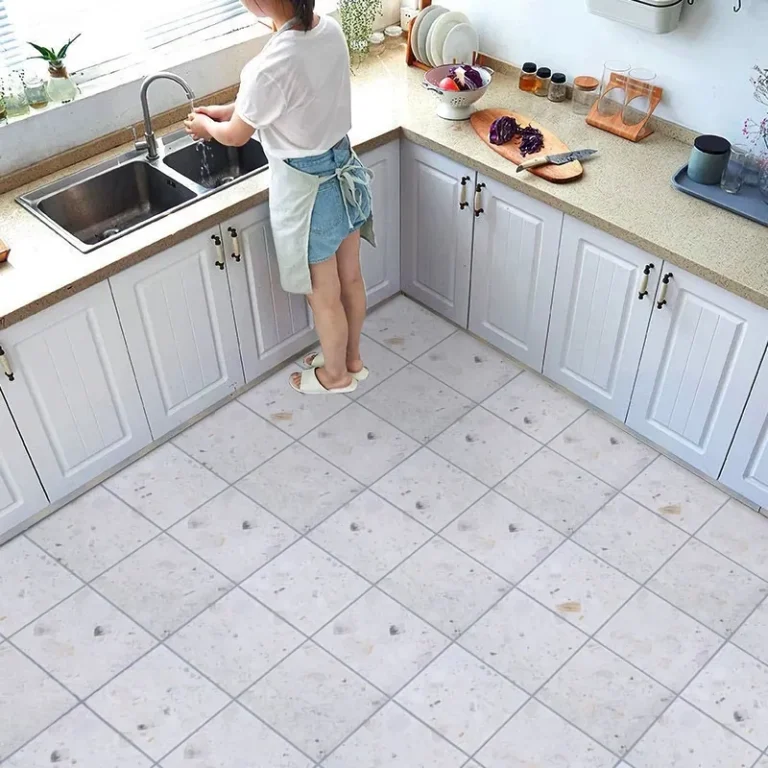
High-quality polymeric pvc film is designed to withstand daily wear and tear. It offers impressive resistance to scratches, impacts, and abrasions, ensuring surfaces maintain their pristine appearance for years. The floor film category perfectly exemplifies this, needing to endure constant foot traffic while retaining its aesthetic appeal. Many formulations also include UV stabilizers, which prevent yellowing and degradation from prolonged sunlight exposure, making them suitable for both interior and select exterior applications.
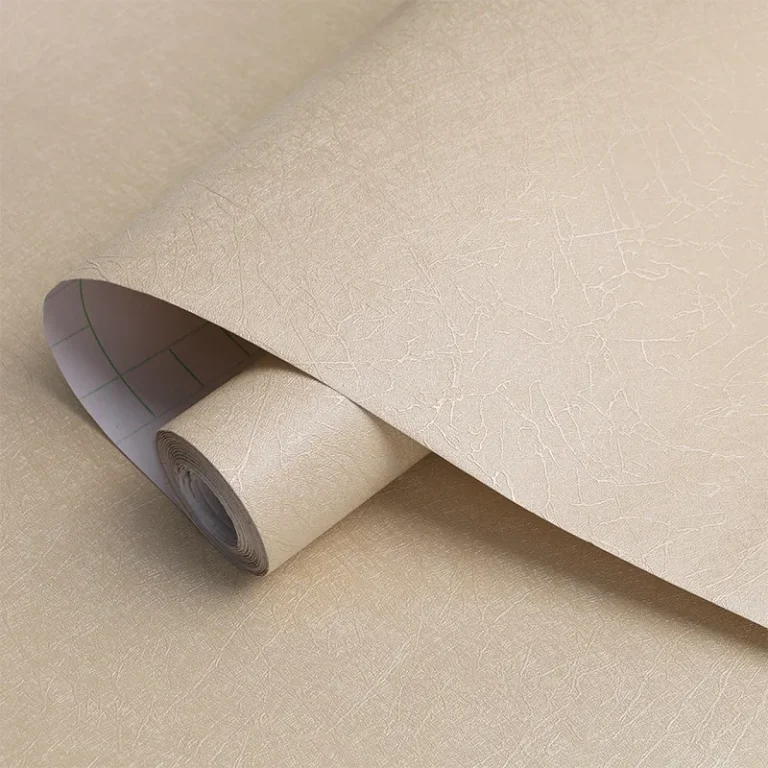
The aesthetic potential is nearly limitless. Through advanced embossing and printing technologies, polymeric pvc film can convincingly replicate natural materials like solid wood, complex stone patterns, and luxurious fabrics. Whether you need a high-gloss finish for a modern kitchen, a realistic wood grain for office furniture, or a unique 3D silk texture for a decorative accent wall, the 3D Silk Texture Film and other decorative series offer a look for every design vision without the high cost and maintenance of natural materials.
Compared to authentic stone, hardwood, or custom paint jobs, polymeric pvc film provides a significantly more affordable way to achieve a high-end look. The material itself is economical, and its application is often faster and less labor-intensive than traditional methods. Furthermore, maintenance is straightforward. The non-porous surface resists stains and is easily cleaned with a simple wipe-down using a mild detergent, eliminating the need for special cleaners, waxing, or refinishing, which translates to lower long-term ownership costs.
The adaptability of polymeric PVC film makes it indispensable in a diverse range of sectors.
This is one of the largest market segments. The film is used for laminating surfaces of wardrobes, cabinets, shelves, and tables. Products like glossy wardrobe film and wood grain designs offer contemporary and classic aesthetics while protecting the substrate from moisture and damage.
In construction, it serves as a decorative and protective layer for wall panels, doors, window frames, and skirting boards. pvc skirting film provides a waterproof and easy-to-clean finish. These films can also mimic stone and other high-end architectural finishes for a fraction of the cost.
Beyond decoration, functional film types address specific industrial needs. Packaging films for food and pharmaceuticals require strict quality control and non-toxic formulations. In electronics, anti-static and protective films are crucial. The automotive industry uses calendered films for car stickers and surface protection.
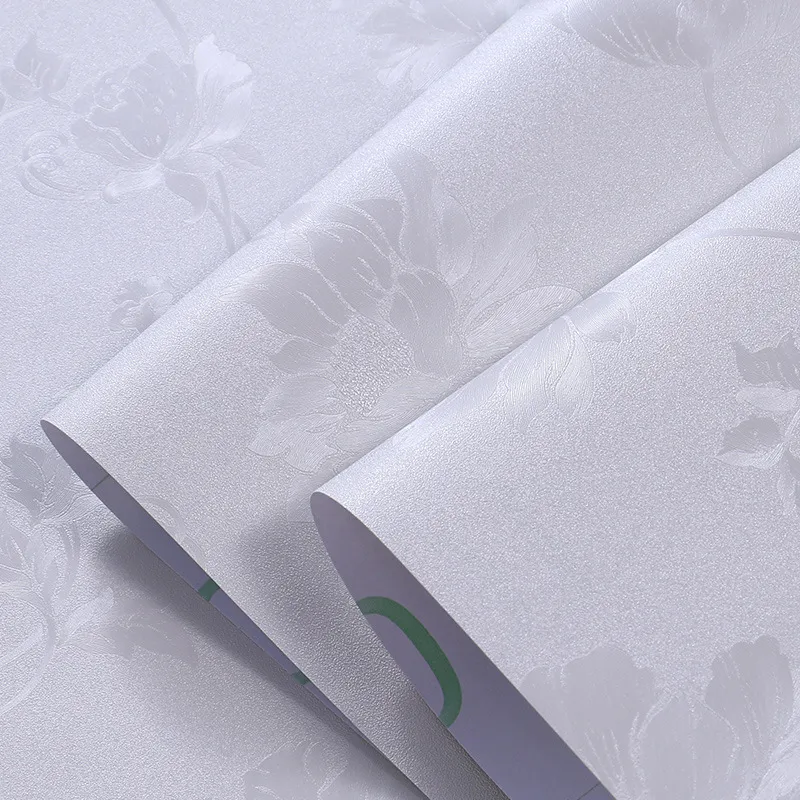
Selecting the optimal polymeric pvc film requires a systematic evaluation of your project’s specific technical and aesthetic requirements. The following factors are critical for a successful outcome.
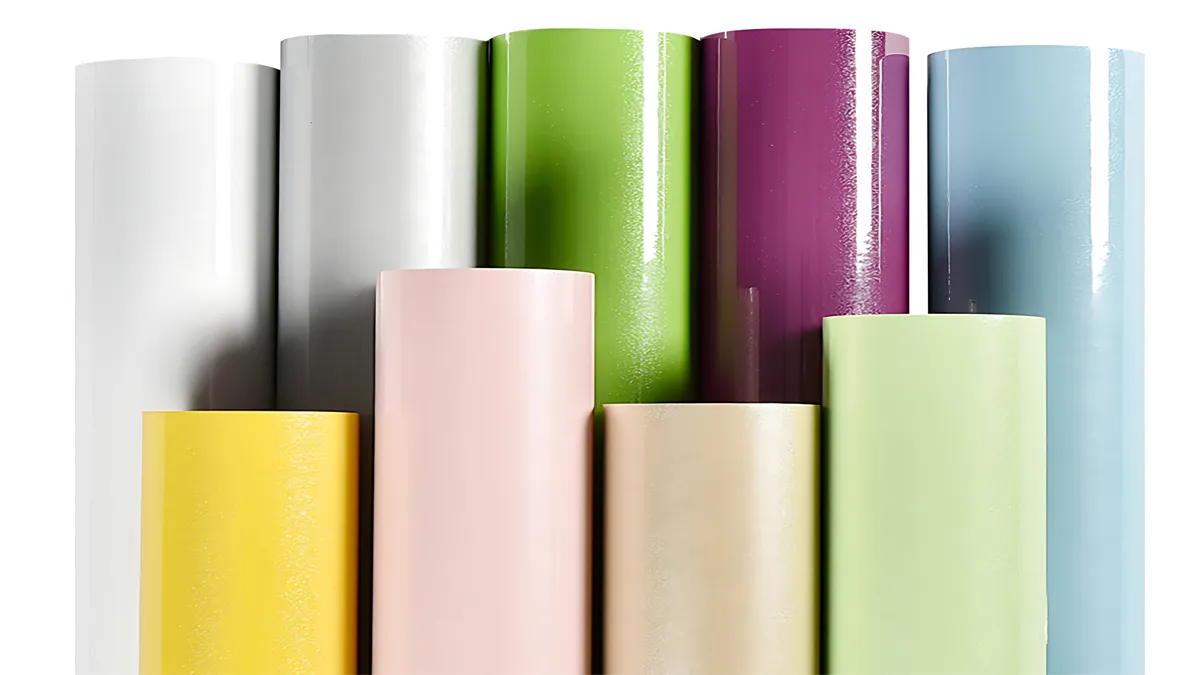
Understanding the end-use environment is paramount. For high-moisture areas like bathrooms, a waterproof and dimensionally stable film like solid color wallpaper made from PVC is critical. For surfaces that are touched frequently, a soft-touch or anti-fingerprint film may be desired. Outdoor or high-UV-exposure applications demand films with strong UV inhibitors, assessed by standards like the ASTM Plastics Standards for weathering.
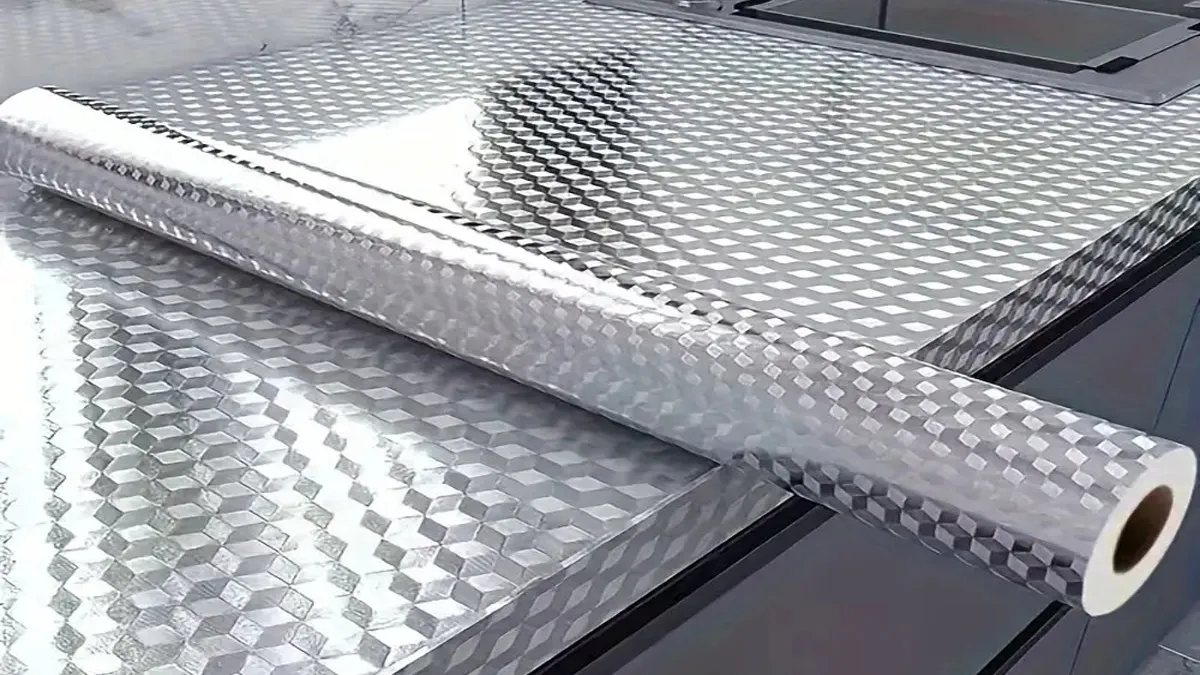
Match the film’s physical properties to the expected use. A floor film must have high abrasion resistance and impact resistance. Films for furniture edges require excellent conformability and Plastic Film Tear Resistance. You can define these needs using key testing metrics:
The choice of film depends heavily on your lamination technology. High-temperature membrane presses require films with specific heat profiles and thermal shrinkage characteristics. Cold lamination may use a self-adhesive film. Discussing your specific machinery and process with the supplier will ensure the film’s backing and activation temperature are perfectly matched to prevent damage or adhesion failure.
| Selection Factor | Key Questions to Ask | Relevant Product Feature |
|---|---|---|
| Application Environment | Is it interior or exterior? High moisture or chemical exposure? | Waterproof, UV-resistant, or chemical-resistant formulations. |
| Mechanical Stress | High abrasion, impact, or frequent flexing? | High-tensile, anti-scratch, or elastic film types. |
| Aesthetic Goals | Exact color match, specific gloss level, realistic texture? | Custom color matching, embossed finishes, 3D textures. |
| Lamination Process | Membrane press, flatbed press, or profile wrapping? | Specific backing, activation temperature, and shrinkage rate. |
For businesses, ensuring that your chosen polymeric pvc film meets regional and international regulations is non-negotiable. This is especially crucial for products that come into contact with food or are used in sensitive areas like children’s furniture. Reputable manufacturers, such as Henan Pulivk New Materials Co., Ltd., supply products that can be formulated to comply with stringent global standards, including:
Adherence to material and testing standards from organizations like ISO and ASTM ensures consistent product quality and performance, helping you qualify your supply chain effectively.
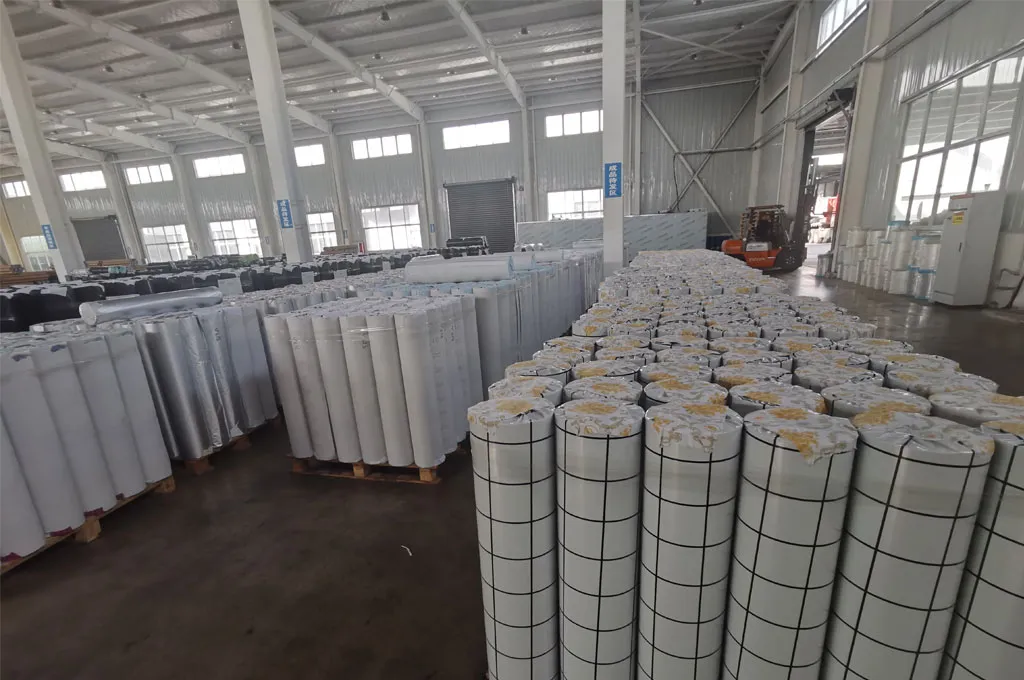
Finding a reliable supply partner means looking for full in-house control—from raw material processing to finished packaging. This not only ensures stable quality and faster lead times but also creates significant cost savings at the source. A partner with a complete calendering, printing, and split-packaging infrastructure can offer flexible OEM and customization for tailored sizes, colors, and surface textures, supported by a strong portfolio of Solid color wallpaper and beyond. Ultimately, selecting the right film is a strategic decision that impacts product quality, market appeal, and long-term profitability.