Address
304 North Cardinal St.
Dorchester Center, MA 02124
Work Hours
Monday to Friday: 7AM - 7PM
Weekend: 10AM - 5PM
Address
304 North Cardinal St.
Dorchester Center, MA 02124
Work Hours
Monday to Friday: 7AM - 7PM
Weekend: 10AM - 5PM



 ByPulivk
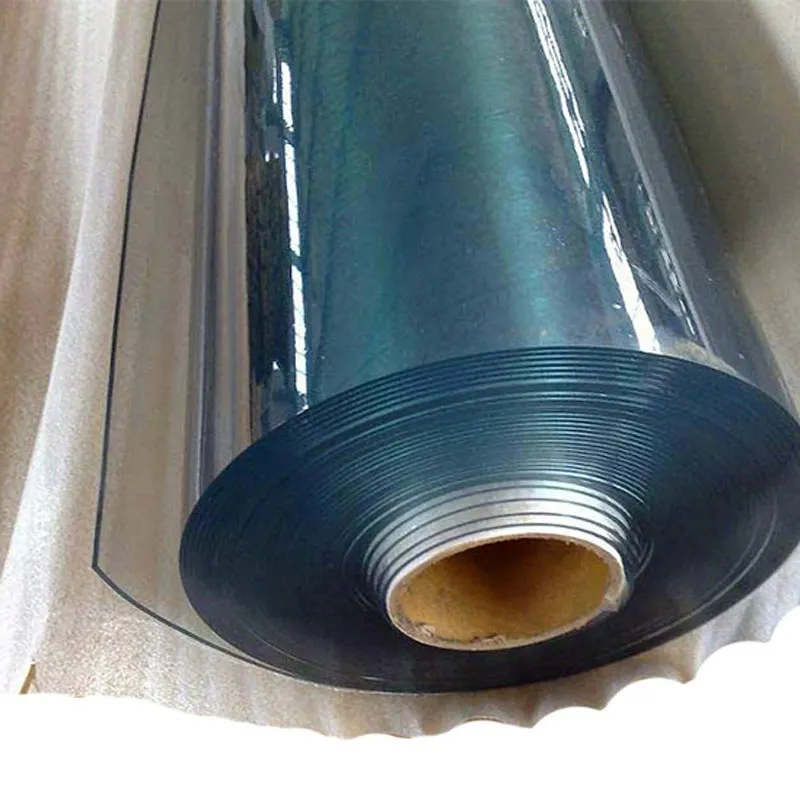
Polyvinyl chloride (PVC) cast film is a specialized flexible material widely recognized for its exceptional clarity, consistent thickness, and superior surface quality. Unlike conventional calendered films, the cast process produces a film with minimal internal stress, making it ideal for critical applications where precision and optical properties are paramount. This comprehensive guide explores the essential properties, diverse applications, detailed manufacturing process, and key benefits of pvc cast film.
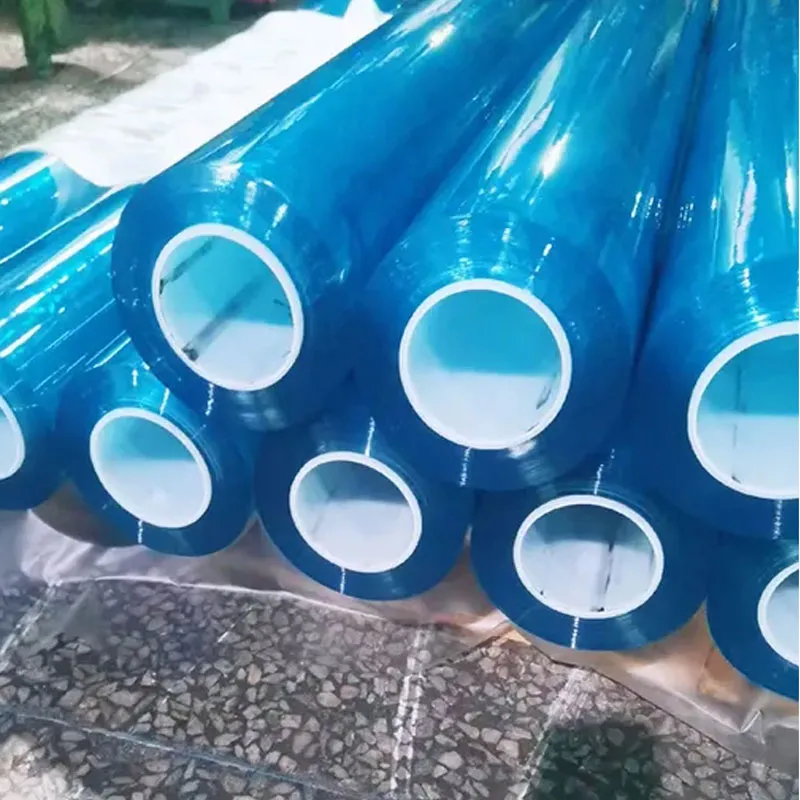
PVC cast film is produced by dissolving PVC resin in a solvent or plasticizer mixture and casting the liquid onto a moving carrier belt or release paper. The process then passes through a series of heated ovens to evaporate solvents or gel the plasticizers, leaving behind a solid, homogeneous film. This method yields a product with outstanding gauge control and optical clarity, often specified for applications such as high-definition printing, automotive wraps, and medical device components. The technology aligns with rigorous standards like the ASTM PVC Film Standard for nonrigid vinyl chloride film and sheeting.
The unique manufacturing route imparts a distinct set of physical and mechanical properties to pvc cast film. These characteristics distinguish it from other polymer films and make it suitable for demanding environments.
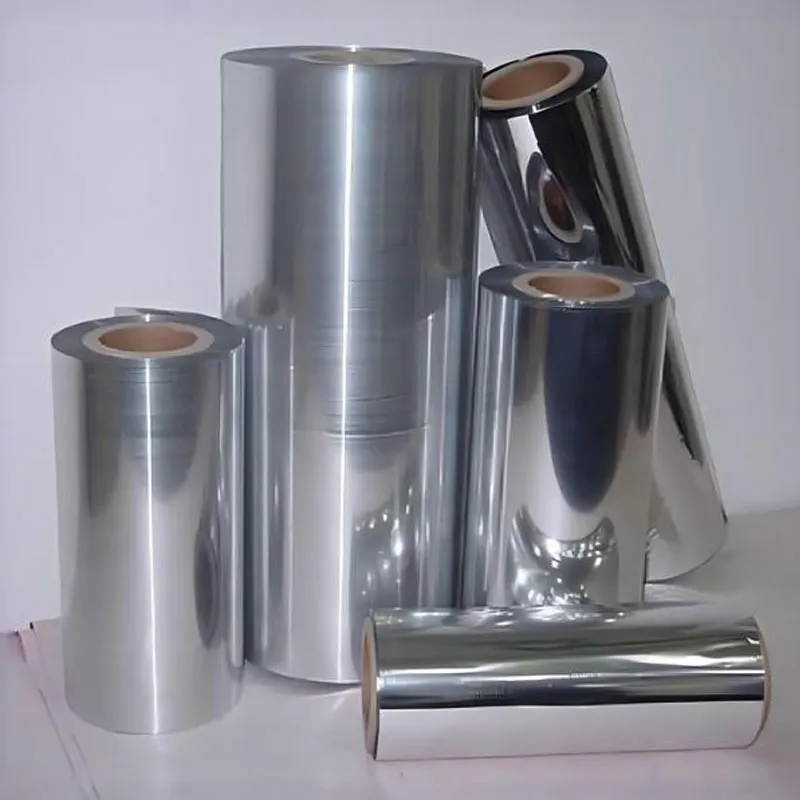
The versatility of pvc cast film allows it to serve a wide array of sectors, from high-end graphic arts to critical medical uses. Below is a summary of typical applications.
| Industry Sector | Typical Applications | Key Requirement Met |
|---|---|---|
| Automotive & Transportation | Paint protection films, vehicle wraps, interior surface skins | Conformability, UV resistance |
| Graphics & Signage | Premium advertising decals, retail window graphics, floor graphics | Printability, optical clarity |
| Medical & Healthcare | Sterile packaging, IV bags, surgical drapes | Purity, pinhole-free surface |
| Furniture & Interior Décor | High-gloss wardrobe films, 3D textured surface finishes | Aesthetic finish, scratch resistance |
Understanding the production cycle helps illustrate why pvc cast film commands a premium over standard films. The process is distinct from extrusion or calendering and involves several carefully controlled stages.

Interior Wall Application
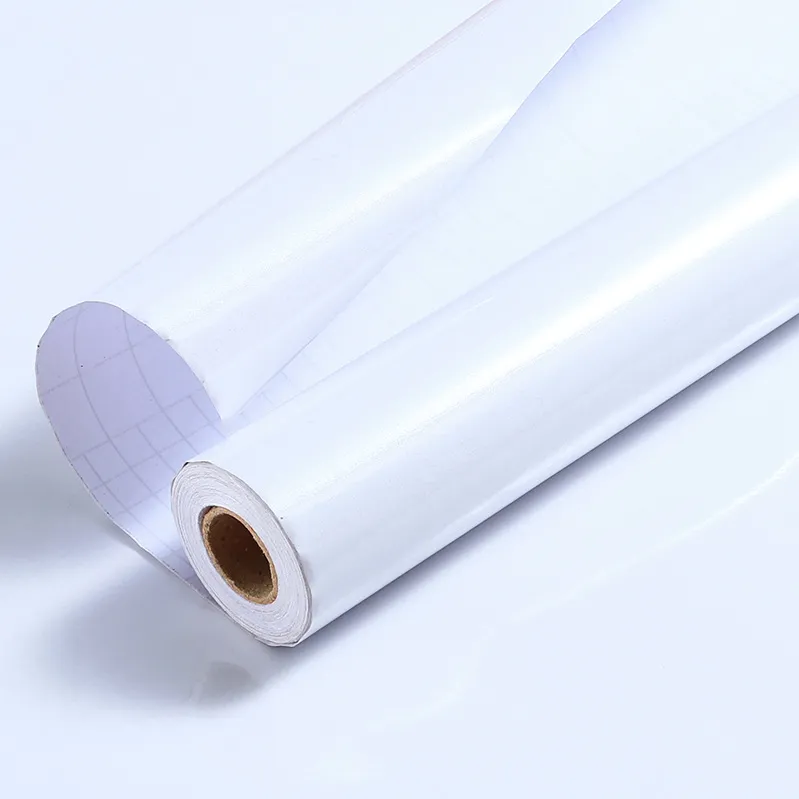
High-Gloss Furniture Finish
While both are forms of PVC, their properties differ significantly due to their respective thermal histories. The table below highlights these key differentiators.
| Property | PVC Cast Film | PVC Calendered Film |
|---|---|---|
| Thickness Tolerance | Very tight (±2-3%) | Standard (±5-10%) |
| Shrinkage Resistance | Excellent (low stress) | Moderate to High (higher stress) |
| Surface Gloss Control | Superior, highly consistent | Good, varies with roll finish |
| Typical Cost | Higher | Lower |
Selecting pvc cast film offers tangible advantages that translate into superior end-product performance and processing efficiency for manufacturers.
At Henan Pulivk New Materials Co., Ltd., we manage the entire production chain in-house, from raw material processing to finished packaging. This vertical integration allows us to control quality at every stage—ensuring our pvc cast film meets stringent physical property requirements, including those specified in key international standards for coefficient of friction and impact resistance. We offer flexible OEM solutions, supporting custom sizes, colors, and packaging to meet the exact demands of the global market.
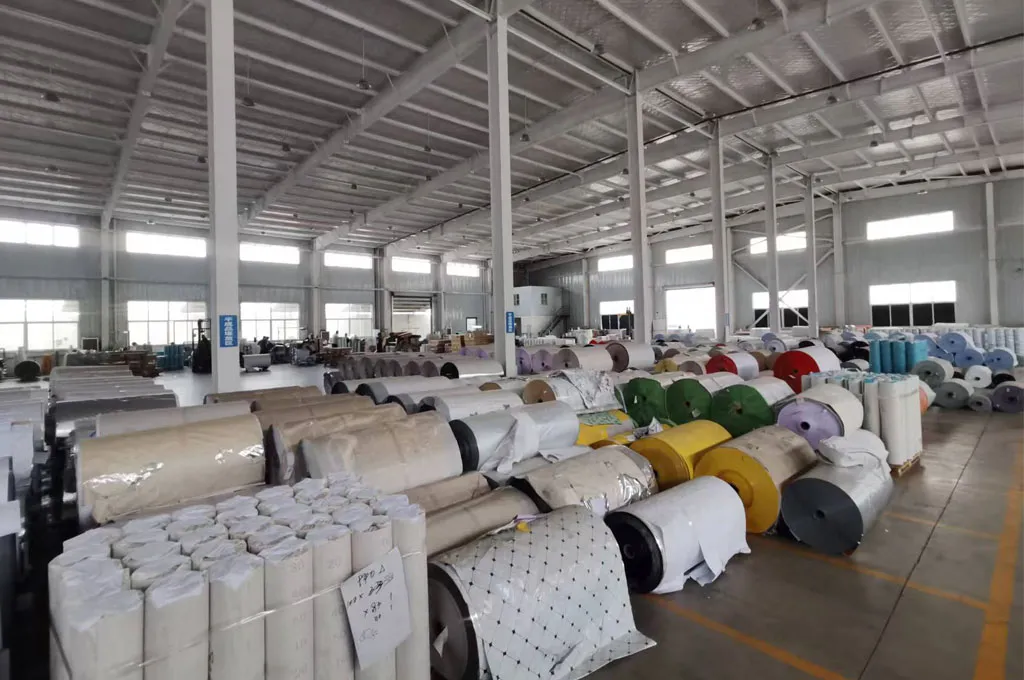
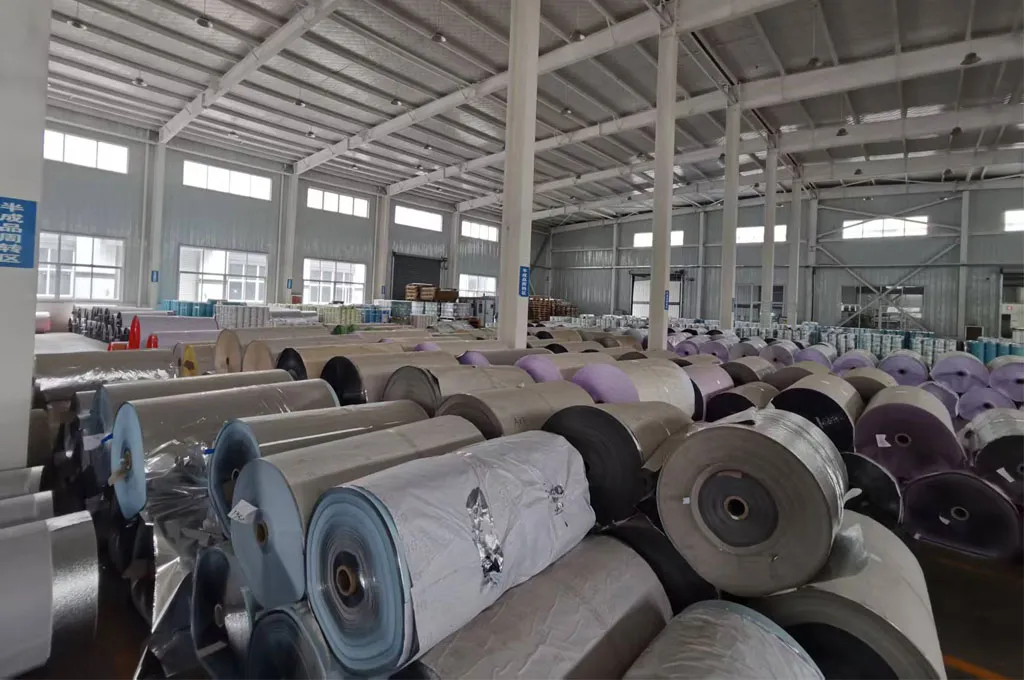
Whether you need a high-durability film for outdoor signage or a crystal-clear layer for medical packaging, exploring the specific properties of our cast film range is the first step. We invite you to contact our team to discuss your technical requirements and discover how our manufacturing strength can support your pvc cast film projects.