Address
304 North Cardinal St.
Dorchester Center, MA 02124
Work Hours
Monday to Friday: 7AM - 7PM
Weekend: 10AM - 5PM
Address
304 North Cardinal St.
Dorchester Center, MA 02124
Work Hours
Monday to Friday: 7AM - 7PM
Weekend: 10AM - 5PM


 ByPulivk
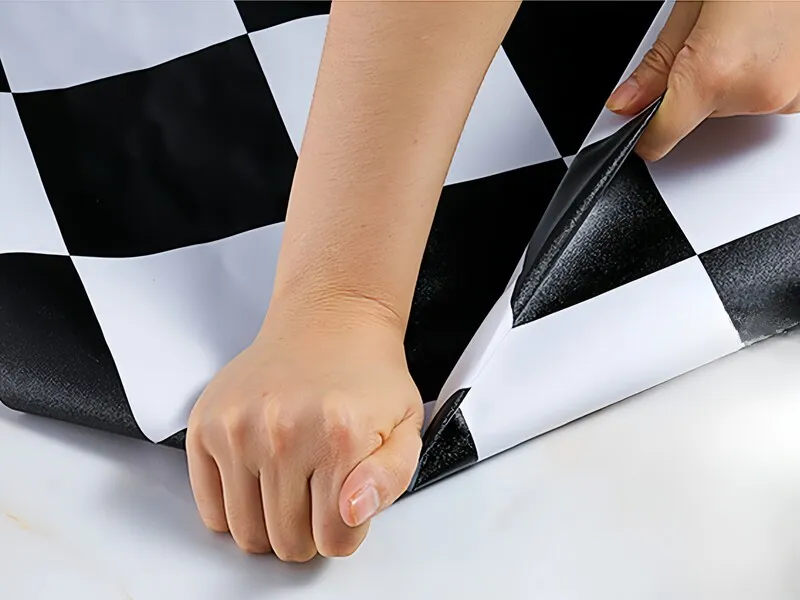
PVC card film is a specialized plastic sheeting engineered for the production of durable, high-definition cards. From credit cards and ID badges to gift cards and membership passes, the right film determines print quality, longevity, and security. Understanding the distinct types, their applications, and selection criteria is essential for manufacturers and converters aiming for consistent output.
This guide breaks down the core categories of calendered film used in card manufacturing, highlights key performance attributes, and provides a practical framework for choosing the optimal material based on technical requirements.
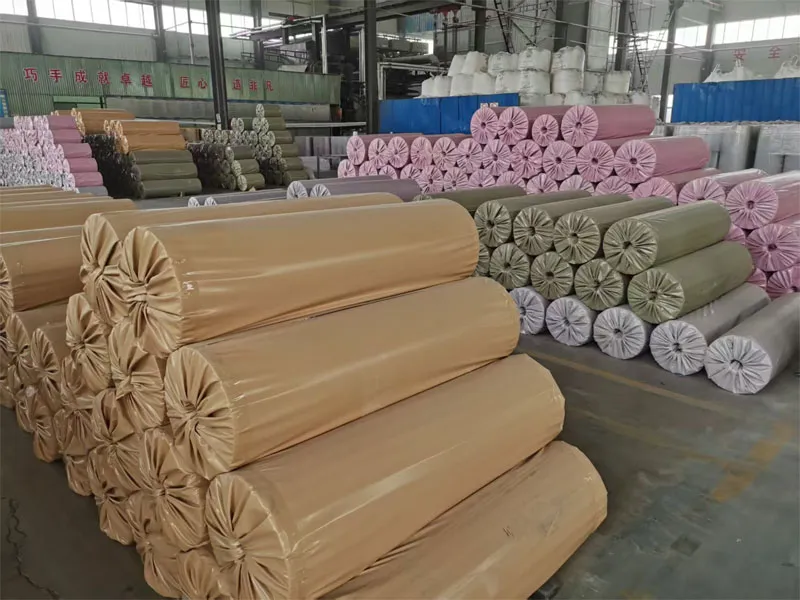
PVC card film generally falls into two structural categories: rigid and semi-rigid formulations. The core distinction lies in the plasticizer content, which dictates flexibility, heat resistance, and lamination behavior. Card manufacturers often utilize overlay films, core sheets, and specialized printable layers to build a composite structure.
The ASTM PVC Film Standard provides critical benchmarks for classifying nonrigid vinyl chloride sheeting, ensuring materials meet specific mechanical and thermal thresholds. Compliance with such standards guarantees that the film performs predictably during die-cutting, embossing, and chip embedding processes.
Rigid films contain minimal plasticizers, offering excellent dimensional stability. They are the preferred choice for the core layer in contact and contactless smart cards. These films withstand high-pressure lamination without warping, maintaining precise registration for printed graphics.
Thin, transparent overlay films protect printed surfaces from abrasion, UV exposure, and chemical damage. Surface hardness and haze percentage are critical metrics here; the Plastic Film Haze Testing standard measures light scatter to ensure optical clarity is not compromised after lamination.
Selecting the right pvc card film requires evaluating mechanical, thermal, and optical properties. A film’s tear resistance, tensile strength, and dimensional stability directly impact the card’s lifespan and tamper-evidence.
| Property Tested | Relevant Standard | Importance in Card Production |
|---|---|---|
| Thickness Uniformity | Plastic Film Thickness Testing | Prevents feeding jams and ensures ISO card thickness compliance. |
| Tear Resistance | Plastic Film Tear Resistance | Critical for die-cut edges and wallet slot durability. |
| Dimensional Stability | PVC Film Dimensional Stability | Prevents shrinkage during hot lamination cycles. |
| Coefficient of Friction | Plastic Film Friction Testing | Affects card separation in vending and dispensing systems. |
The versatility of PVC card film extends across multiple verticals. Each application demands a specific balance of rigidity, clarity, and printability. Modern calendered films offer targeted solutions for these distinct requirements.

Making the correct choice involves a systematic assessment of your production environment and the card’s end-use. Calendering technology often yields films with superior gauge uniformity compared to alternative methods, which is vital for high-speed punching. Consider these factors:
1. Print Compatibility: The film surface must match your printing technology. UV offset, screen printing, and digital retransfer all require different surface energies. Adhesion failure between the ink and the pvc card film is a primary cause of lamination defects.
2. Heat Resistance: Lamination temperatures typically range from 120°C to 160°C. The film must not exhibit significant shrinkage or discoloration. Reference the Plastic Film Thermal Shrinkage data sheet to predict behavior under thermal stress.
3. Security Features: For high-security documents, embedded holographic films, UV blockers, or chemical-reactive layers are often integrated directly into the overlay, forming a tamper-proof seal.
4. Environmental Regulations: Compliance with EU PVC Chemical Restrictions and REACH is mandatory for global distribution. Phthalate-free and lead-free stabilizer formulations are now standard requirements in eco-conscious markets.
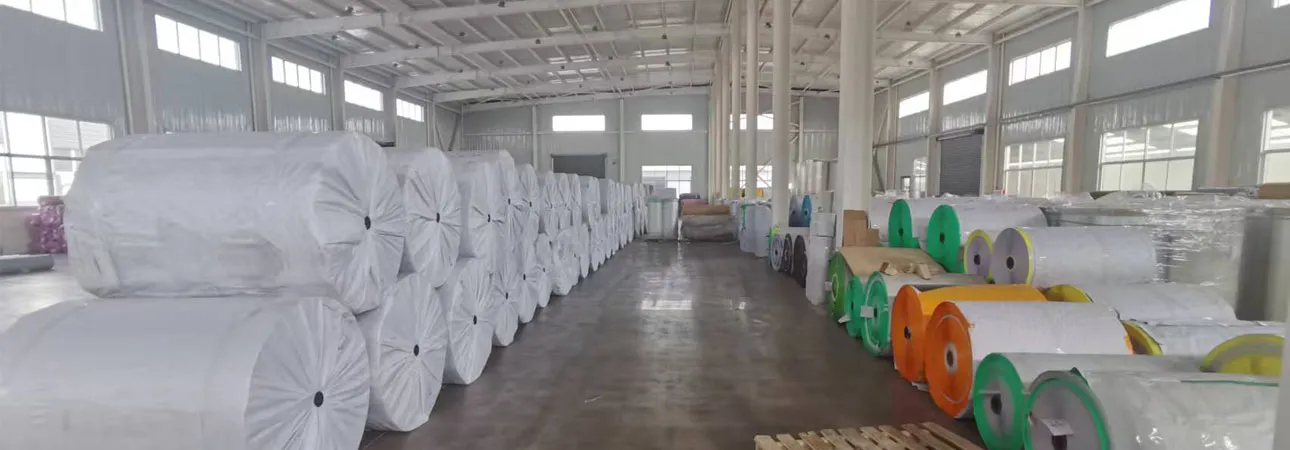
Partnering with a manufacturer that controls the complete production chain—from calendering to split packaging—reduces lead times and ensures consistent quality. Henan Pulivk New Materials Co., Ltd. operates integrated calendering, printing, and slitting lines, offering full in-house production for card films. This vertical integration allows for rapid adjustments to thickness, texture, and width, providing a reliable source for high-volume card producers.
Whether you need a transparent overlay with perfect optical clarity or a rigid core layer for smart card manufacturing, the technical properties defined by ASTM Plastics Standards should guide your evaluation process.
For diverse visual requirements, explore options like wood grain film for decorative cards or marble film for premium branding aesthetics. The future of card production relies on materials that combine rigorous mechanical strength with flawless surface quality.