Address
304 North Cardinal St.
Dorchester Center, MA 02124
Work Hours
Monday to Friday: 7AM - 7PM
Weekend: 10AM - 5PM
Address
304 North Cardinal St.
Dorchester Center, MA 02124
Work Hours
Monday to Friday: 7AM - 7PM
Weekend: 10AM - 5PM


 ByPulivk
Clear PVC film is one of the most versatile and cost-effective materials in the flexible plastics industry. Known for its exceptional clarity, durability, and ease of processing, this transparent thermoplastic film is used across packaging, industrial, medical, and decorative applications. Whether you are sourcing protective coverings or designing high-visibility packaging, understanding the properties and selection criteria of clear PVC film is essential.
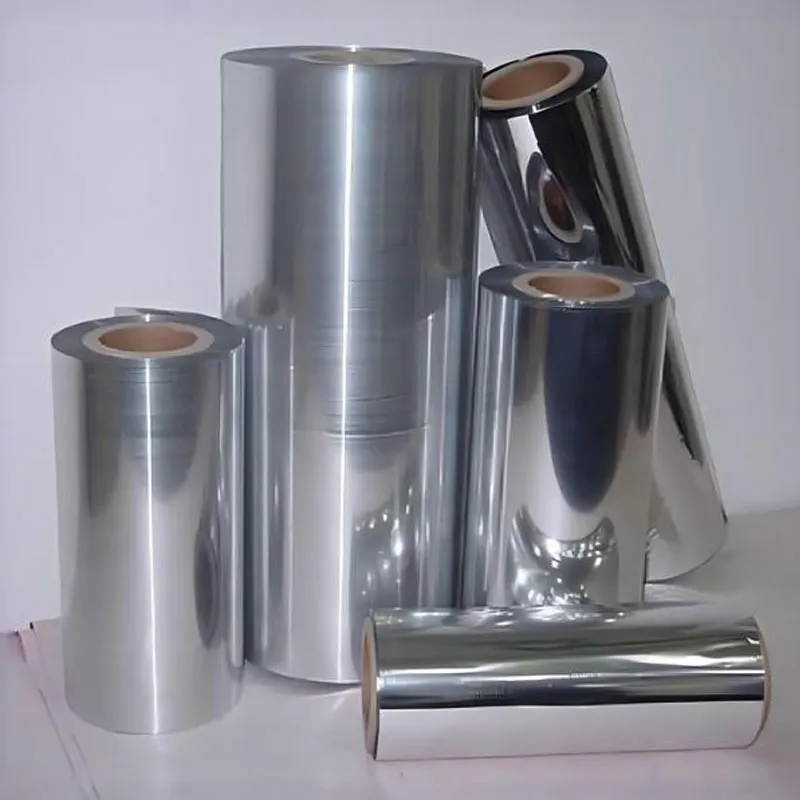
Clear PVC film is a transparent, flexible sheet manufactured primarily through a calendering process. This method involves passing a heated PVC compound through a series of precision rollers to achieve a uniform thickness and a smooth, glossy surface. The result is a material that combines high tensile strength with remarkable optical transparency, making it a preferred choice for applications where product visibility and protection are equally important.
Unlike rigid PVC sheets, the flexible variant contains plasticizers that give it the necessary softness and elasticity without compromising its structural integrity. This unique balance of properties is why clear calendered film is widely adopted in sectors ranging from medical device packaging to stationery and industrial laminating.
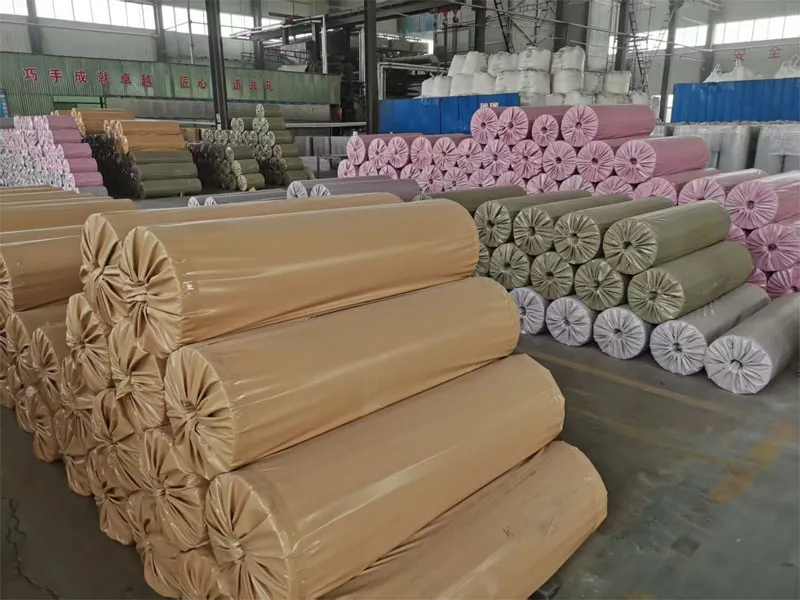
The popularity of transparent PVC sheeting is driven by a combination of practical and economic advantages. Here are the core benefits that make it a go-to material for engineers, designers, and procurement specialists:
High-quality clear PVC film offers excellent light transmission and low haze. This allows products to be displayed with true color fidelity, which is critical for retail packaging and graphic overlays. According to the Plastic Film Haze Testing standards, the refractive properties of PVC can be finely tuned during manufacturing to meet specific transparency requirements.
Despite its flexibility, clear PVC film exhibits impressive tear and puncture resistance. It maintains its shape under tension and recovers well from stretching. This durability is validated by mechanical tests such as the Plastic Film Tear Resistance standards, which ensure the material can handle rigorous handling during transport and end-use.
Clear PVC naturally resists oils, greases, and many chemicals, making it suitable for protective clothing and industrial curtains. Furthermore, its surface energy allows for excellent adhesion of inks and coatings without requiring complex pre-treatment, which is a significant advantage for custom printing and branding, as highlighted by PVC film manufacturers.
Compared to materials like polycarbonate or PET, PVC provides a much more economical solution while still delivering robust performance. This cost advantage, combined with long service life, drives its widespread use in high-volume industries.
The adaptability of clear PVC film allows it to permeate numerous industries. The table below highlights some of the most common application sectors and specific uses.
| Industry | Common Applications | Key Properties Required |
|---|---|---|
| Packaging | Blister packs, clamshells, shrink wrap | High clarity, thermoformability |
| Medical | IV bags, tubing, sterile barrier packaging | Biocompatibility, flexibility |
| Stationery & Office | Report covers, ring binder overlays, desk mats | Glossy finish, weldability |
| Industrial | Machine guards, strip curtains, masking films | Impact resistance, chemical resistance |
| Automotive | Paint protection films, interior laminates | UV stability, conformability |
When selecting a clear PVC film, it is important to distinguish between the two primary manufacturing methods: calendering and extrusion. While both produce transparent sheets, the physical properties and ideal use cases differ.
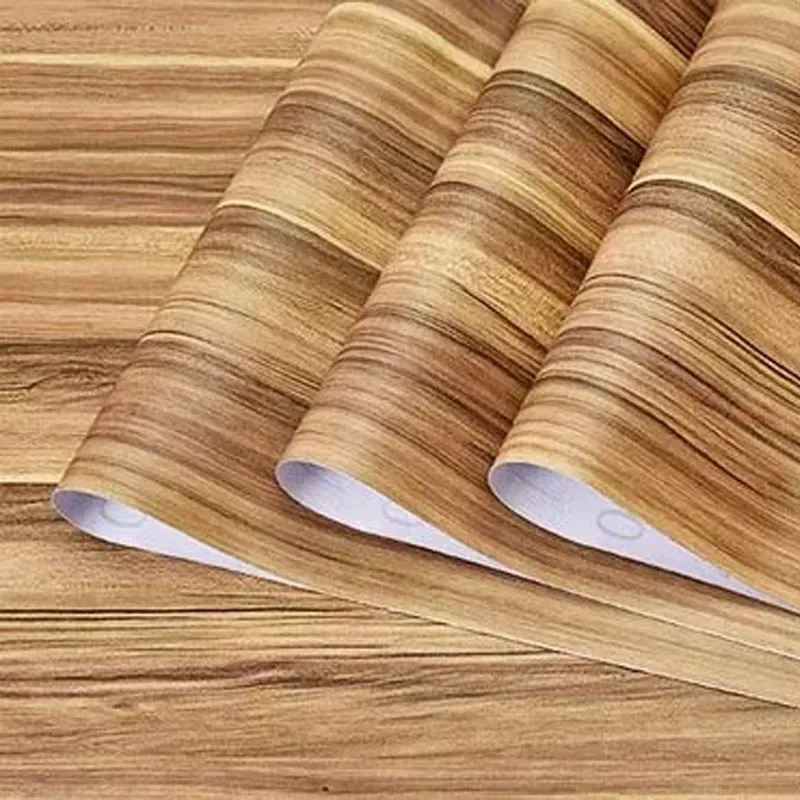
For projects where optical perfection and mechanical consistency are non-negotiable, calendered transparent PVC film is the superior choice. It offers better thermal stability and lower internal stress, reducing the likelihood of warping during printing or lamination.
Selecting the optimal film involves a careful evaluation of your project’s technical requirements. Don’t just look at the price per kilogram; consider the total cost of ownership, including processing efficiency and rejection rates. Here are the critical factors:
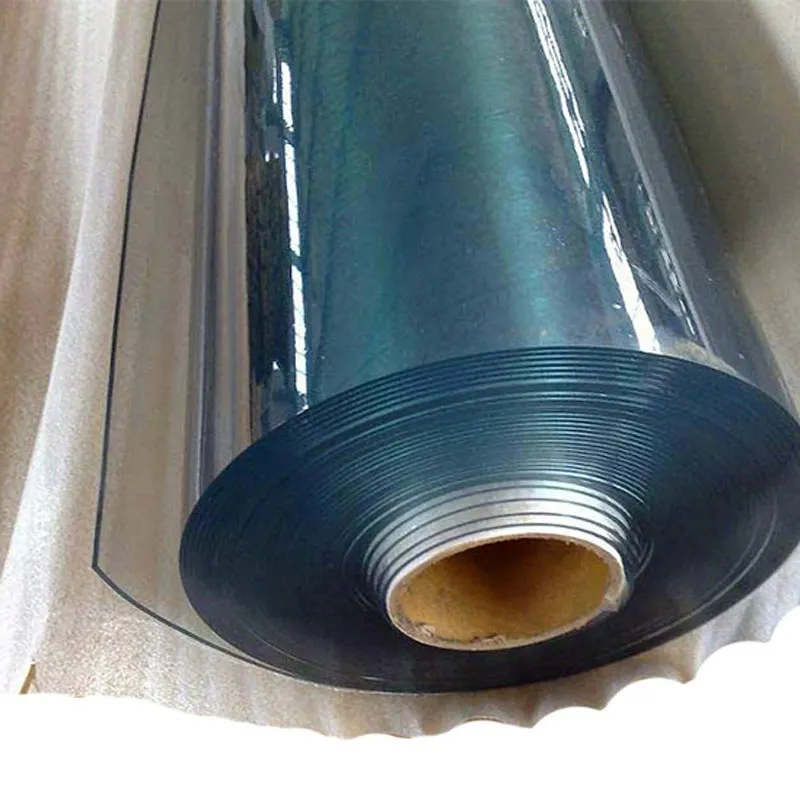
Clear PVC film is rarely a simple commodity. Leading suppliers offer a range of customization options to meet specific functional needs:
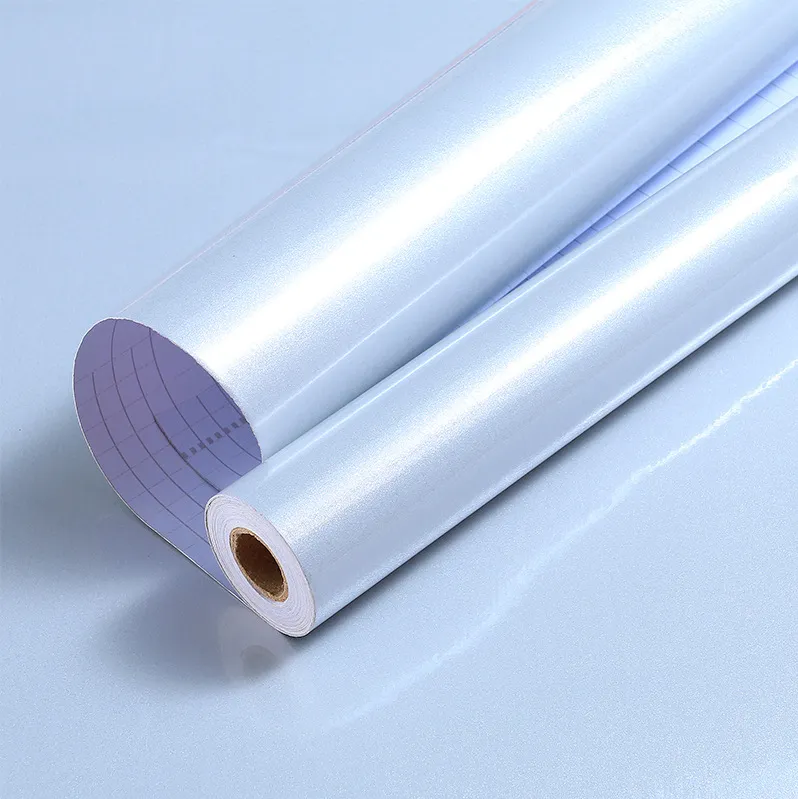
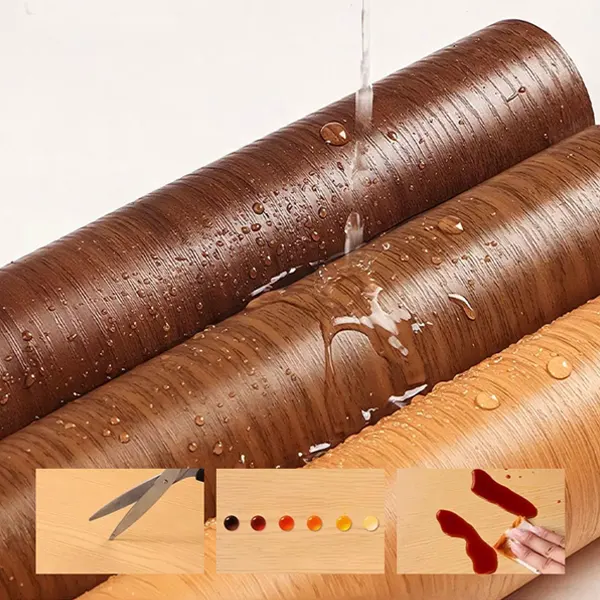
While clear film provides functionality, the technology behind its production is shared with decorative films. The same calendering lines that produce crystal-clear sheeting are used to create intricate wood grain films and marble films. Understanding the base material helps you appreciate the durability hidden beneath the decorative surface. If you are looking for a temporary solution, a glossy wardrobe film offers a perfect blend of clarity and decorative appeal for furniture renovation.
To avoid defects like “fish eyes” (unmelted resin particles) or uneven tension, strict quality control is vital. Reputable factories conduct on-line inspections using optical scanners. The ASTM D882 test for tensile properties of thin plastic sheeting is a standard method to ensure the film meets the specified strength parameters.
In conclusion, clear PVC film remains an indispensable material in the global market. By aligning your project requirements with the right gauge, formulation, and manufacturing process, you can achieve outstanding performance at a highly competitive cost. Always partner with an experienced manufacturer that offers technical support and a complete supply chain, from raw material processing to final packaging, to ensure the best results for your business.
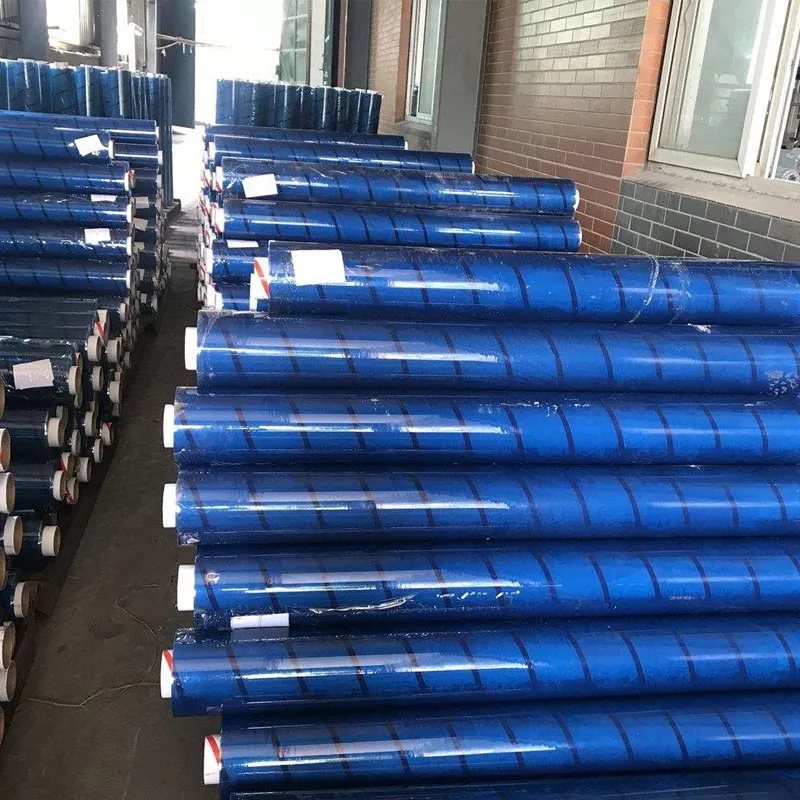
For more information on technical specifications and custom PVC film solutions, contact our expert team today.