Address
304 North Cardinal St.
Dorchester Center, MA 02124
Work Hours
Monday to Friday: 7AM - 7PM
Weekend: 10AM - 5PM
Address
304 North Cardinal St.
Dorchester Center, MA 02124
Work Hours
Monday to Friday: 7AM - 7PM
Weekend: 10AM - 5PM

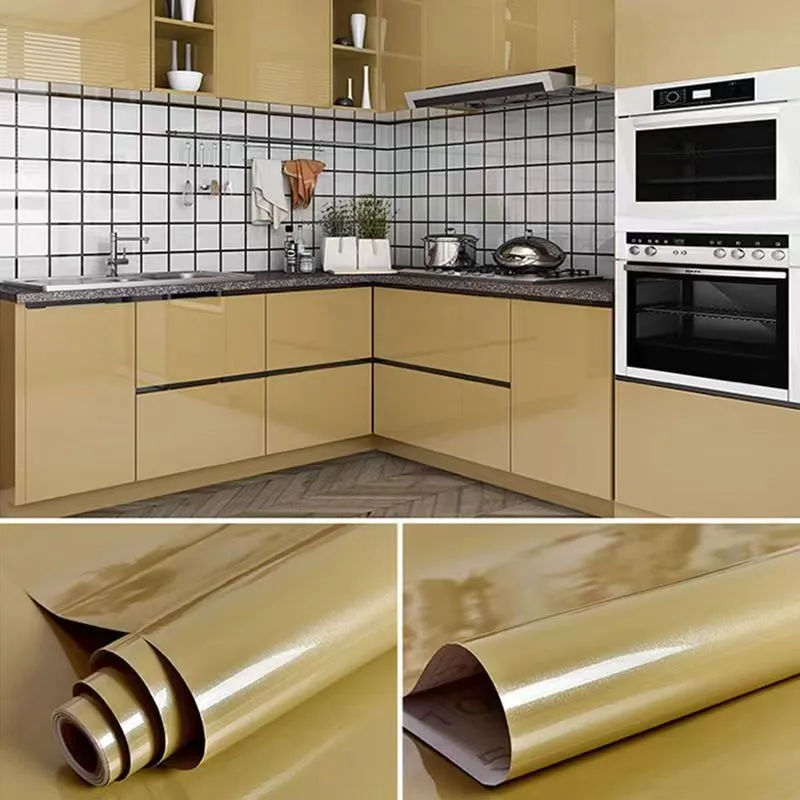
 ByPulivk
Polyvinyl chloride (PVC) film is one of the most versatile and widely used plastic materials in modern manufacturing. From decorative surfaces to industrial packaging, understanding the pvc film manufacturing process is essential for importers, distributors, and product developers seeking reliable supply partners. This guide breaks down every stage, from raw material preparation to final calendered film packaging.
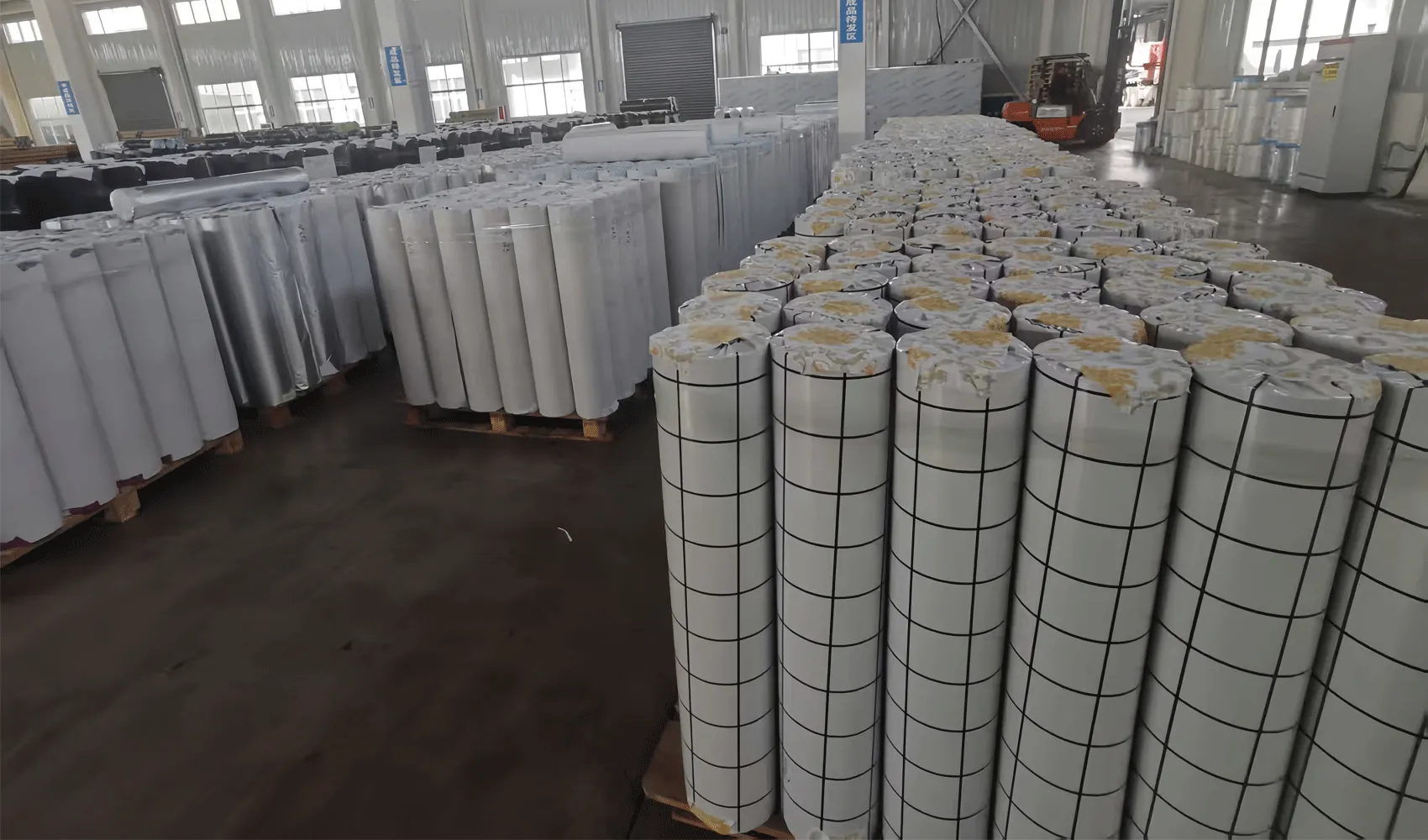
The foundation of any quality PVC film lies in precise material formulation. The process begins with PVC resin, which is blended with critical additives to achieve specific performance characteristics. These additives include plasticizers for flexibility, stabilizers for heat and UV resistance, lubricants for processing ease, and pigments for color. The formulation varies significantly depending on whether the end product is a rigid wood grain film, a flexible packaging material, or a high-gloss decorative surface.
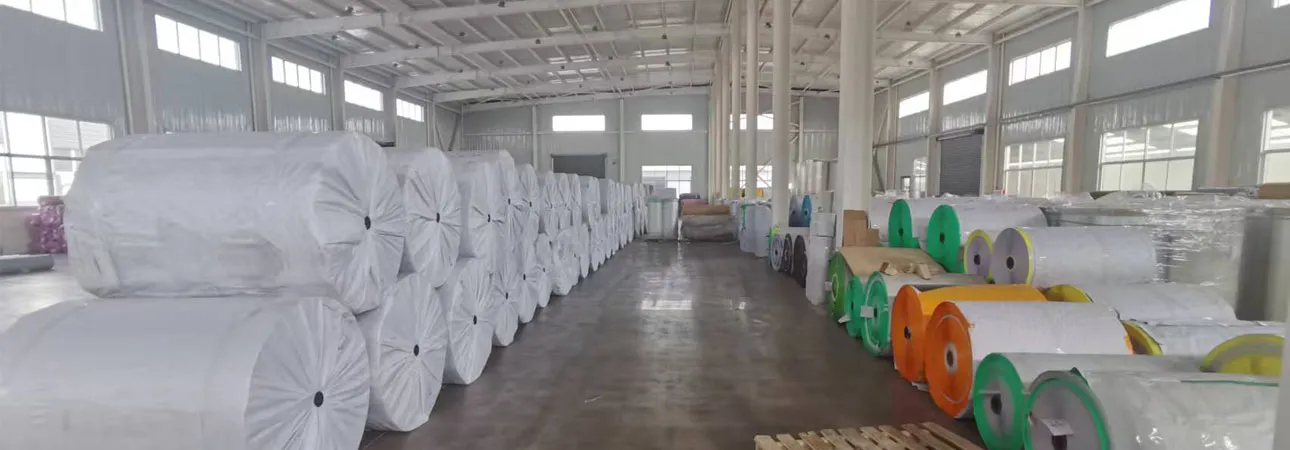
Calendering is the predominant method for manufacturing high-quality PVC film in large volumes. The compounded material is fed into a series of heated, rotating rollers that progressively compress and flatten the molten compound into a continuous sheet of uniform thickness. Temperature control and roll pressure are critical parameters at this stage. According to ASTM PVC Film Standard specifications, consistent thickness is a key quality indicator for nonrigid vinyl chloride plastic film and sheeting.
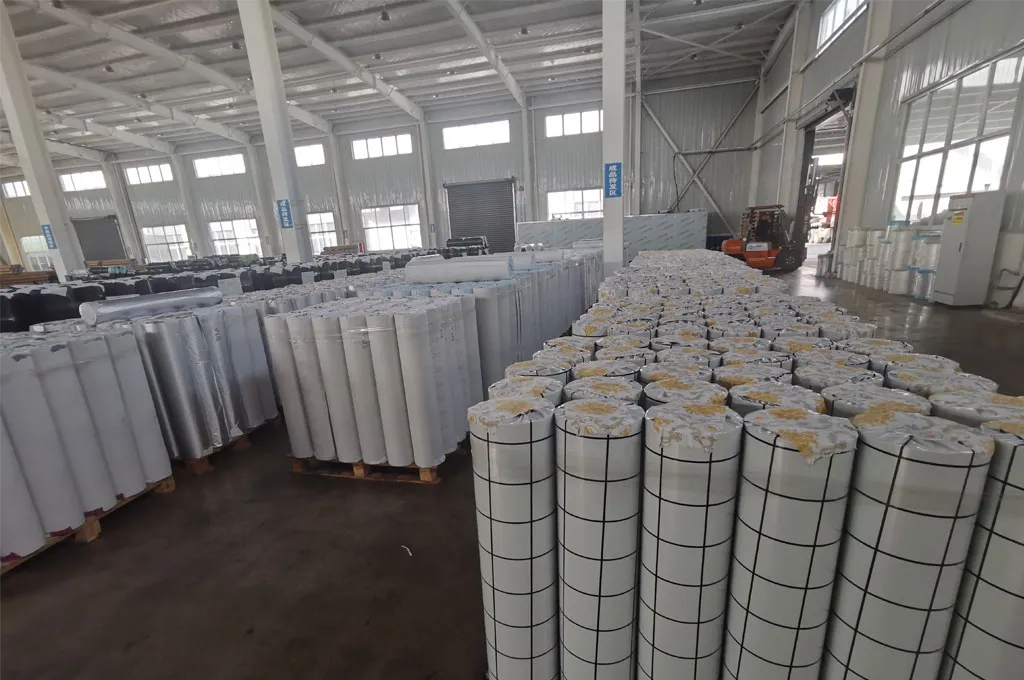
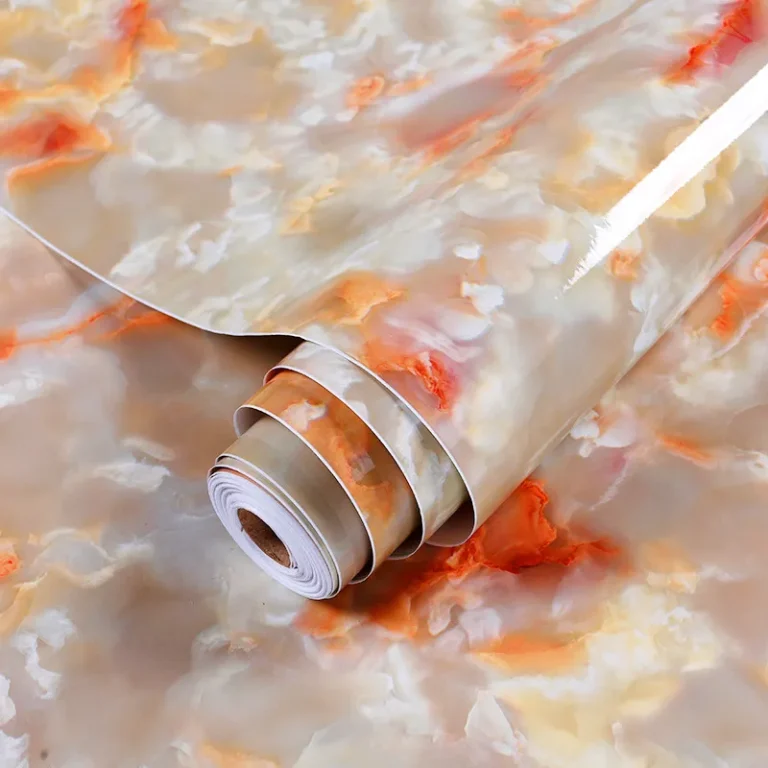
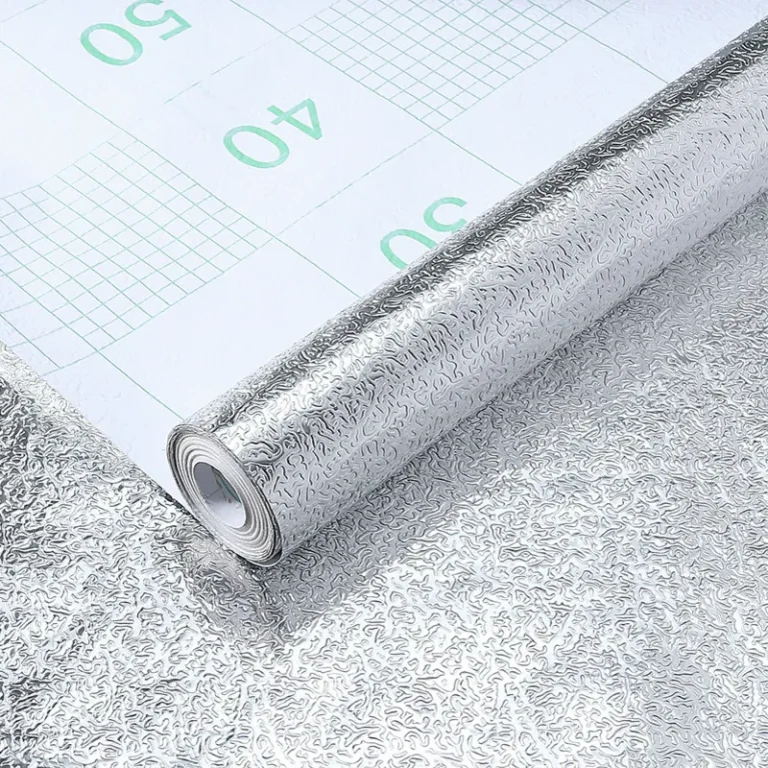
Immediately after calendering, the hot film passes through embossing rollers. This is where surface textures are created — from deep wood grains and stone patterns to matte finishes and high-gloss surfaces. The precision of the embossing roller determines the realism and consistency of the final texture. For products like marble film and 3D silk texture surfaces, advanced engraving techniques ensure highly detailed and repeatable patterns across production runs.
| Film Type | Common Thickness Range | Typical Width | Key Application |
|---|---|---|---|
| Calendered Transparent Film | 0.03 – 0.50 mm | Up to 1500 mm | Packaging, protective covers |
| Decorative Wood Grain Film | 0.10 – 0.30 mm | Up to 1500 mm | Furniture, interior doors |
| Marble and Stone Pattern Film | 0.12 – 0.35 mm | Up to 1500 mm | Wall panels, construction |
| 3D Embossed Film | 0.15 – 0.40 mm | Up to 1500 mm | High-end interior decoration |
After embossing, the film passes through a series of cooling rollers. Controlled cooling is essential to set the texture, lock in the dimensions, and prevent shrinkage. Testing methods referenced in PVC Film Dimensional Stability standards are frequently used to verify that the finished film will maintain its shape during storage and application. Proper cooling ensures the film remains flat and free from internal stresses.
For films requiring printed designs — such as realistic wood grains or artistic patterns — high-precision rotogravure or flexographic printing stations apply solvent-based or eco-friendly inks. The print cylinders can reproduce incredibly fine details, and multiple color stations allow for complex, multi-layer designs.
Many manufacturers today are adopting water-based and non-toxic inks to meet stringent environmental regulations. This is particularly important for films used in indoor furniture and living spaces, where indoor air quality is a concern. Henan Pulivk New Materials Co., Ltd. utilizes eco-friendly inks that are safe and non-toxic, ensuring their films are suitable for indoor decoration and human contact.
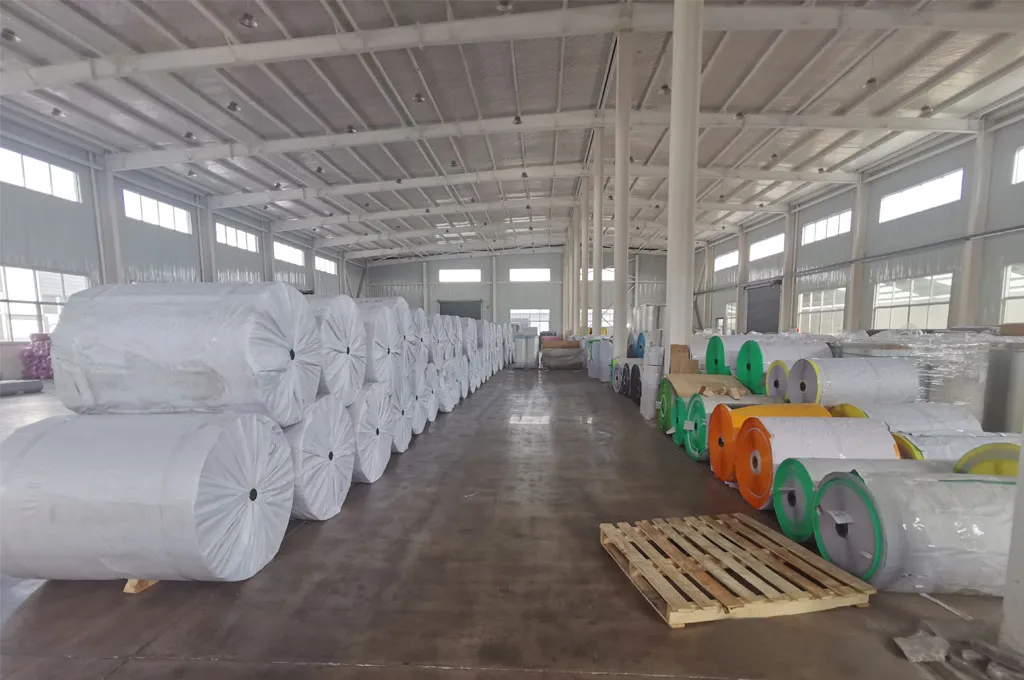
Many PVC films receive additional surface treatments to enhance performance. These can include:
Throughout the pvc film manufacturing process, rigorous quality checks are implemented. Automated optical inspection systems scan for surface defects, while inline thickness gauges monitor dimensional uniformity. Finished films are tested for tensile strength, tear resistance, gloss levels, and color consistency. Key testing standards include Plastic Film Tensile Testing protocols and Plastic Film Gloss Testing methods. A robust QC system ensures that every roll meets the specified parameters before it leaves the factory.
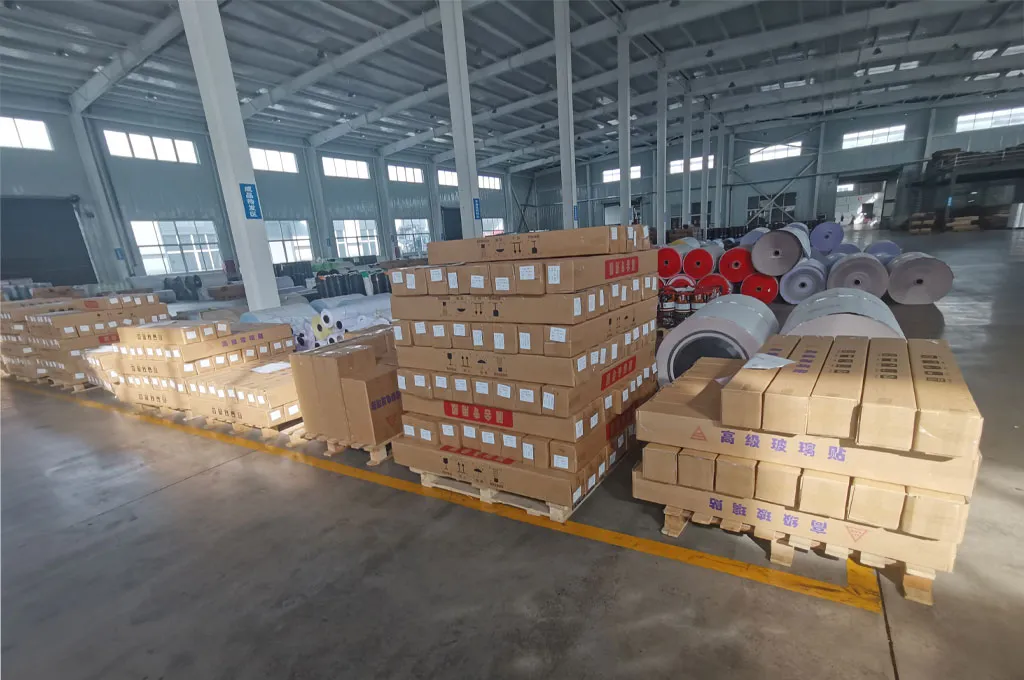
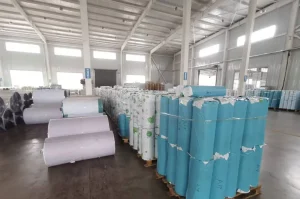
Master rolls from the production line are converted into customer-specific sizes. Slitting machines cut the film to precise widths, while rewinding stations create smaller, manageable rolls. For export orders, split packaging is a standard service: full rolls are cut into fixed-length units, individually wrapped in dust-proof PE film or kraft paper, labeled with specifications, and packed in cartons or pallets for safe transport. Palletized packaging ensures protection during ocean freight and long-distance land transportation.
| Characteristic | Calendered PVC Film | Cast PVC Film | Laminated PVC Film |
|---|---|---|---|
| Production Speed | High | Low | Medium |
| Thickness Uniformity | Excellent | Excellent | Good |
| Surface Quality | Very Good | Superior | Good |
| Cost-Effectiveness | High | Medium-Low | Medium |
| Typical Applications | Furniture, walls, packaging | High-end automotive, optical | Flooring, multi-layer composites |
PVC films manufactured through the calendering process serve a wide range of industries:

Choosing a supplier with comprehensive in-house production — including calendering lines, printing stations, and split-packaging facilities — offers distinct advantages. You gain better quality oversight, faster lead times, and cost efficiencies from source-level raw material management. A fully integrated manufacturer can also respond more flexibly to custom OEM and ODM requirements, whether you need tailored sizes, unique colors, or specialized packaging. This full production chain allows quality control at every stage while reducing overall costs for buyers.

Modern PVC film production increasingly focuses on sustainability. Lead-free and phthalate-free formulations are available to meet international standards such as RoHS and REACH. Selecting films that comply with these regulations is essential for importers serving European and North American markets. The EU PVC Chemical Restrictions framework continues to evolve, and responsible manufacturers stay ahead of these changes.
Understanding the complete pvc film manufacturing process empowers buyers to evaluate suppliers more effectively, specify products accurately, and build more reliable supply chains. From raw material compounding to final delivery, each stage contributes to the quality and performance of the finished film.