Address
304 North Cardinal St.
Dorchester Center, MA 02124
Work Hours
Monday to Friday: 7AM - 7PM
Weekend: 10AM - 5PM
Address
304 North Cardinal St.
Dorchester Center, MA 02124
Work Hours
Monday to Friday: 7AM - 7PM
Weekend: 10AM - 5PM


 ByPulivk
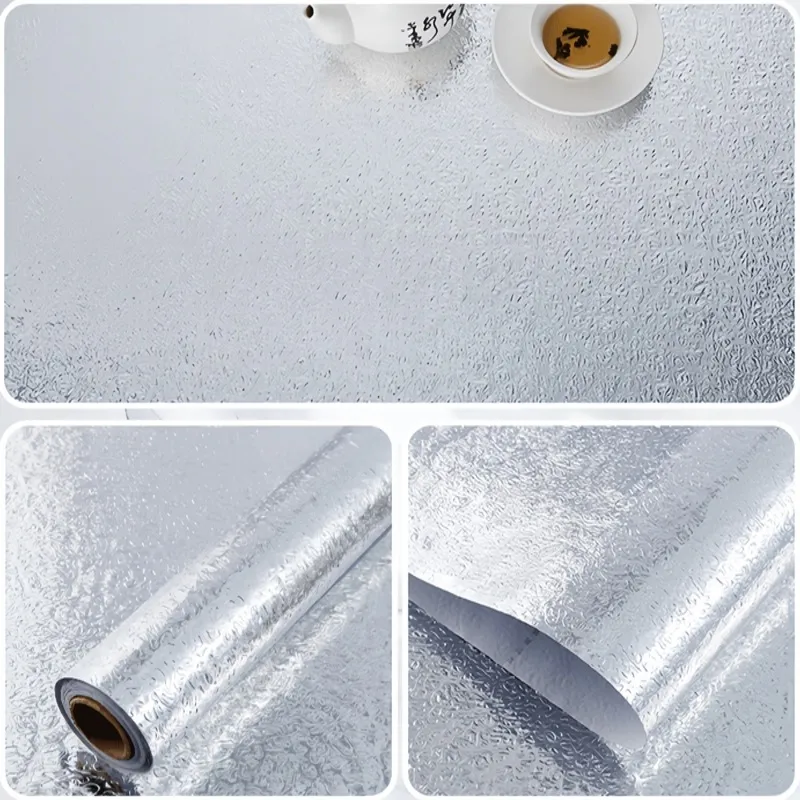
In modern construction, surface finishing plays a critical role in determining both the aesthetic appeal and long-term performance of a building. Building materials PVC film has emerged as a go-to solution for architects, contractors, and interior designers seeking cost-effective yet high-quality decorative and protective surfaces. From wall coverings to flooring overlays, PVC films offer unmatched versatility across a wide range of construction applications.
The growing demand for durable, lightweight, and customizable surfacing materials has positioned building materials pvc film at the forefront of the industry. These films are engineered to withstand daily wear while delivering realistic wood grains, stone textures, solid colors, and metallic finishes that rival natural materials at a fraction of the cost.
Polyvinyl chloride (PVC) films designed for construction are manufactured through advanced calendering and embossing processes. The result is a material that combines flexibility with exceptional mechanical strength. Unlike traditional laminates or paints, PVC films provide a seamless, uniform surface that resists moisture, scratches, and UV degradation.
One of the most compelling advantages is the ability to replicate premium materials. A wood grain film can authentically mimic oak, walnut, or teak without the environmental impact or maintenance requirements of real timber. Similarly, marble film delivers the elegance of natural stone while being significantly lighter and easier to install on walls, columns, and furniture panels.
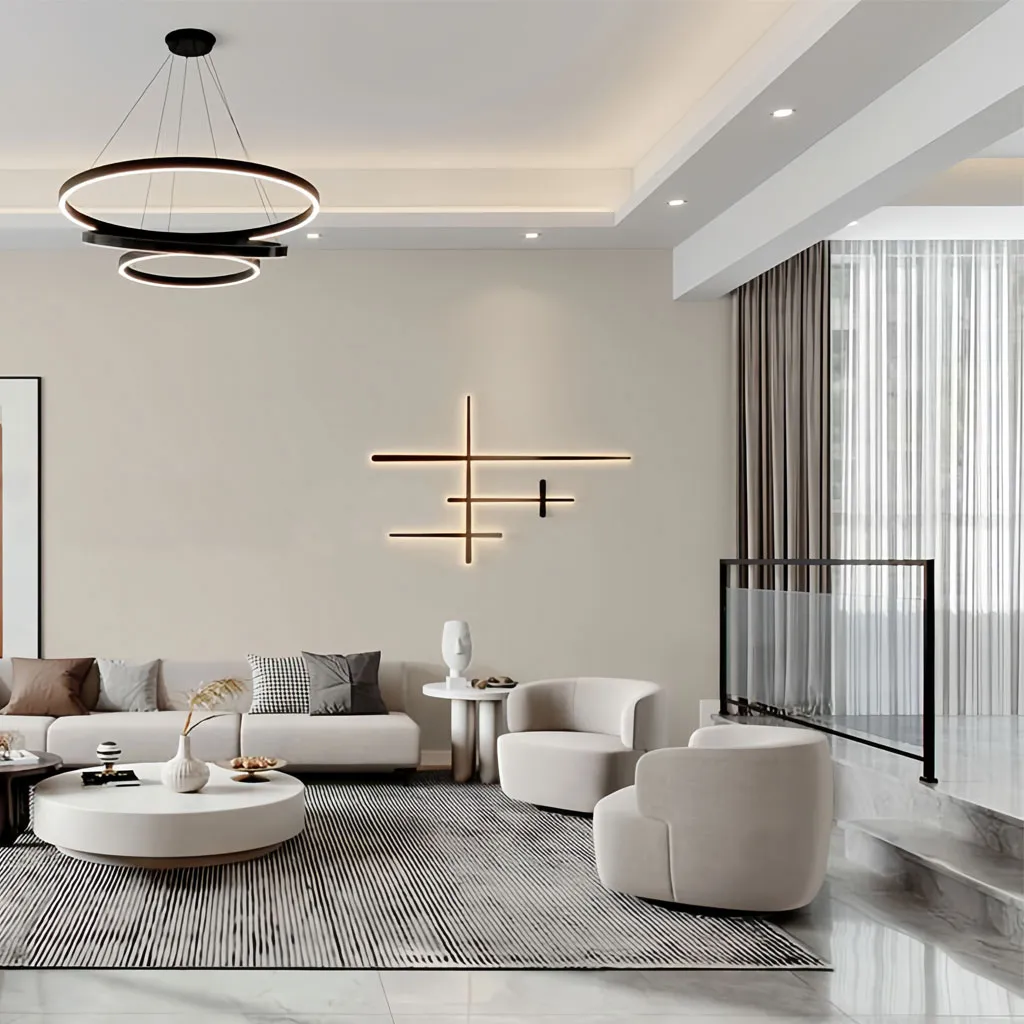
When selecting surfacing materials for building projects, several performance factors must be evaluated. Building materials PVC film consistently outperforms alternatives in the following areas:
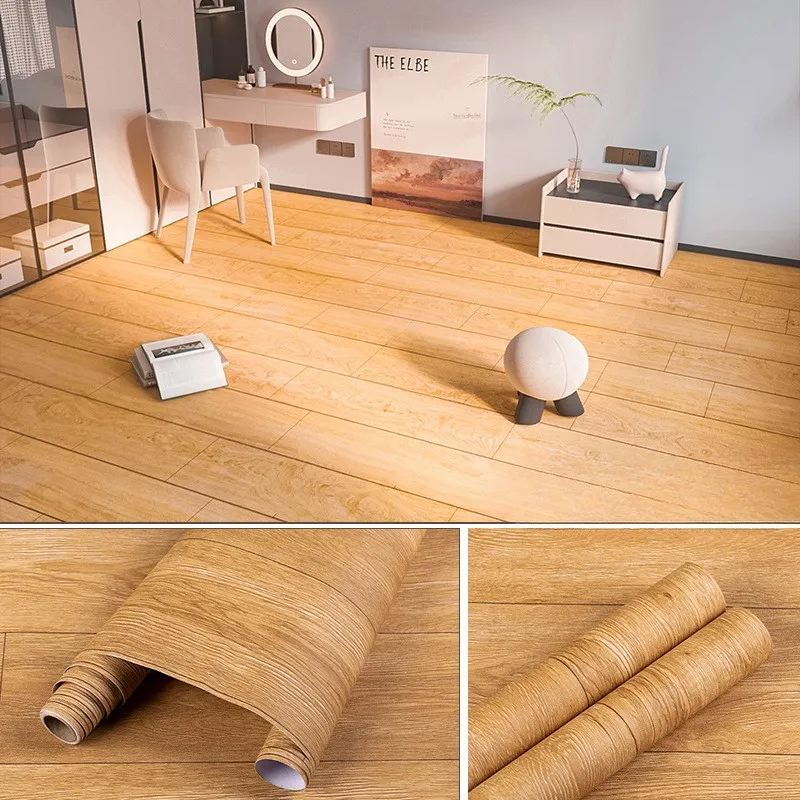
The adaptability of PVC films makes them suitable for diverse construction scenarios. Below is a breakdown of common applications and the recommended film types for each:
| Application Area | Recommended PVC Film Type | Key Benefit |
|---|---|---|
| Interior Wall Coverings | Solid color wallpaper film, 3D silk texture film | Seamless finish, easy cleaning |
| Flooring Overlays | Floor film, vinyl kitchen flooring | Slip resistance, waterproofing |
| Skirting Boards & Baseboards | PVC skirting film | Moisture barrier, decorative continuity |
| Ceiling Panels | Embossed film, pearlescent film | Lightweight, reflective options |
| Door & Window Frames | Wood grain film, metallic film | Realistic aesthetics, weather resistance |
| Partition Systems | Glossy film, matte film, brushed film | Modern appearance, durability |
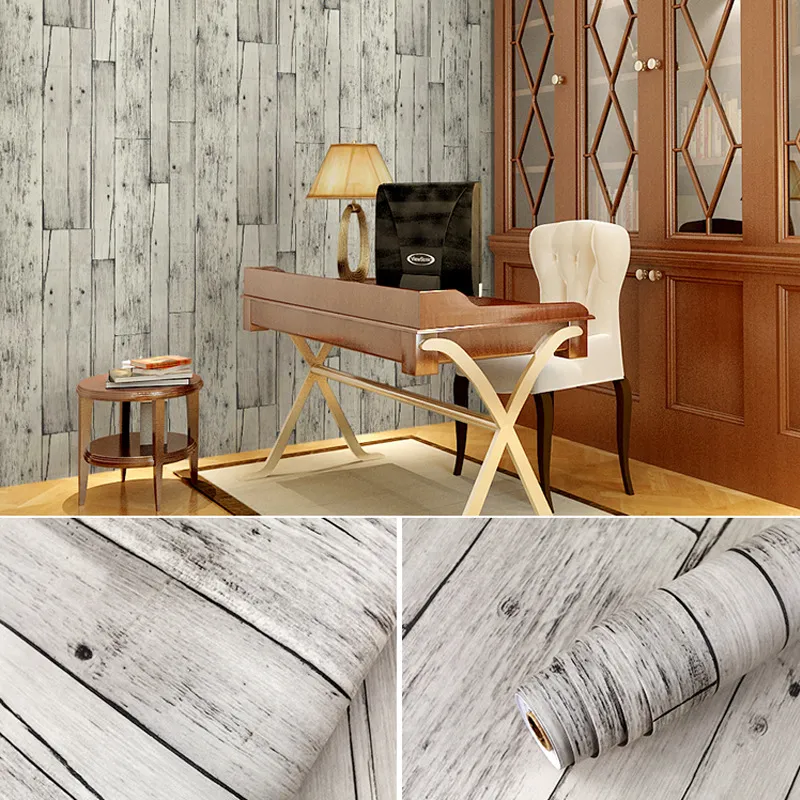
Quality-conscious builders and specifiers should verify that PVC films meet recognized international standards. Compliance with ASTM PVC Film Standard ensures the material has been tested for thickness uniformity, tensile strength, and dimensional stability. For flooring applications, adherence to PVC Flooring Standard ISO 10581 guarantees performance under foot traffic and cleaning routines.
Key technical parameters to evaluate include:
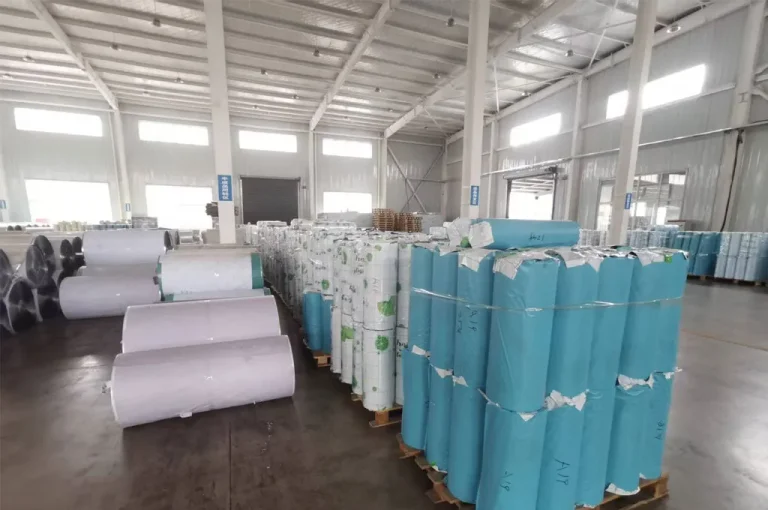
Environmental compliance is equally important. Leading manufacturers, including Henan Pulivk New Materials Co., Ltd., produce films that are lead-free and phthalate-free, with select formulations meeting RoHS and REACH requirements. The PVC Circular Economy initiatives further support sustainable material choices by promoting recycling and responsible production throughout the value chain.
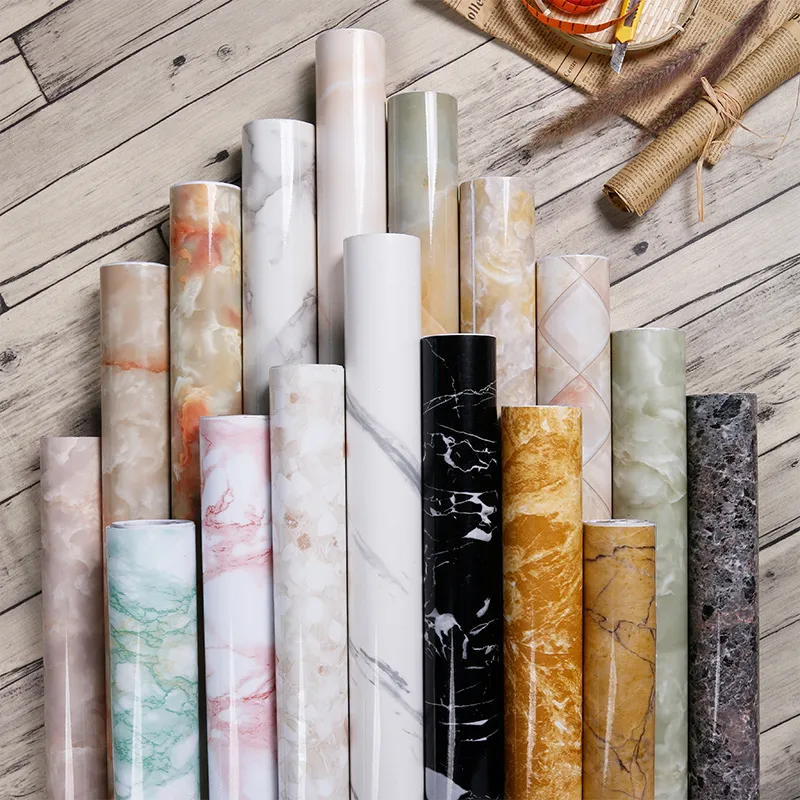
Achieving optimal results with building materials PVC film depends on proper surface preparation and application technique. The substrate should be clean, dry, and free of dust or grease. For wall and furniture applications, cold lamination using environmentally friendly adhesives is commonly recommended. Vacuum lamination with controlled heat and pressure ensures a bubble-free bond on contoured or profiled surfaces.
Temperature and humidity conditions during installation should be monitored, as extreme variations can affect adhesive performance. For flooring installations, a level subfloor is essential to prevent telegraphing of imperfections through the film. Post-installation, cleaning with a soft damp cloth and neutral detergent maintains the surface appearance without risk of scratching or chemical damage.
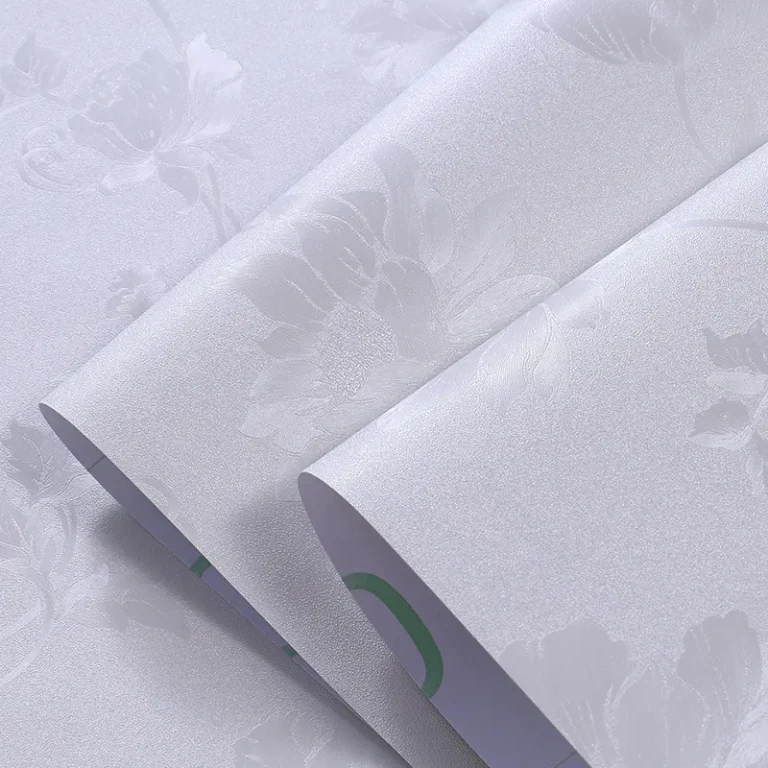
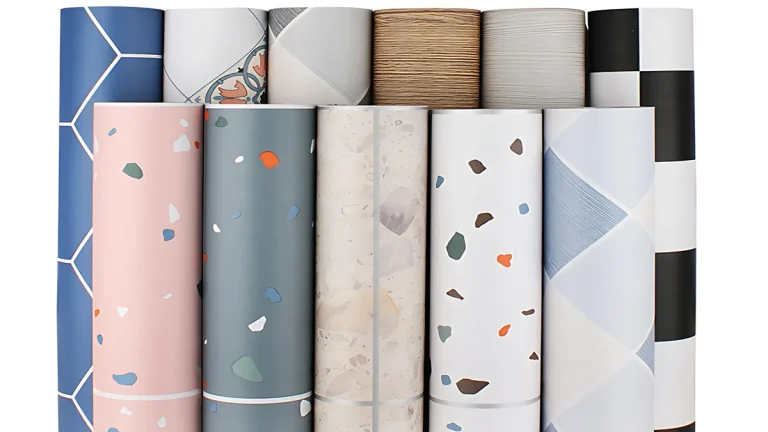
One of the standout features of PVC films in construction is the virtually limitless design potential. From classic wood grains and elegant marbles to bold solid colors and abstract patterns, the range of available designs exceeds 2,000 options. Custom color matching against Pantone references or physical samples is widely supported, allowing architects to specify exact tones that align with brand identities or design concepts.
Surface textures can be tailored to project requirements—soft-touch finishes for high-end residential interiors, anti-scratch coatings for commercial environments, and 3D relief patterns for feature walls that demand visual impact. This level of customization makes PVC films an invaluable resource for both new construction and renovation projects seeking distinctive aesthetics without budget overruns.
For further technical guidance on material selection, application methods, or to explore the full product portfolio, visit our product catalog or contact our team for detailed specifications and sample requests.