Address
304 North Cardinal St.
Dorchester Center, MA 02124
Work Hours
Monday to Friday: 7AM - 7PM
Weekend: 10AM - 5PM
Address
304 North Cardinal St.
Dorchester Center, MA 02124
Work Hours
Monday to Friday: 7AM - 7PM
Weekend: 10AM - 5PM


 ByPulivk
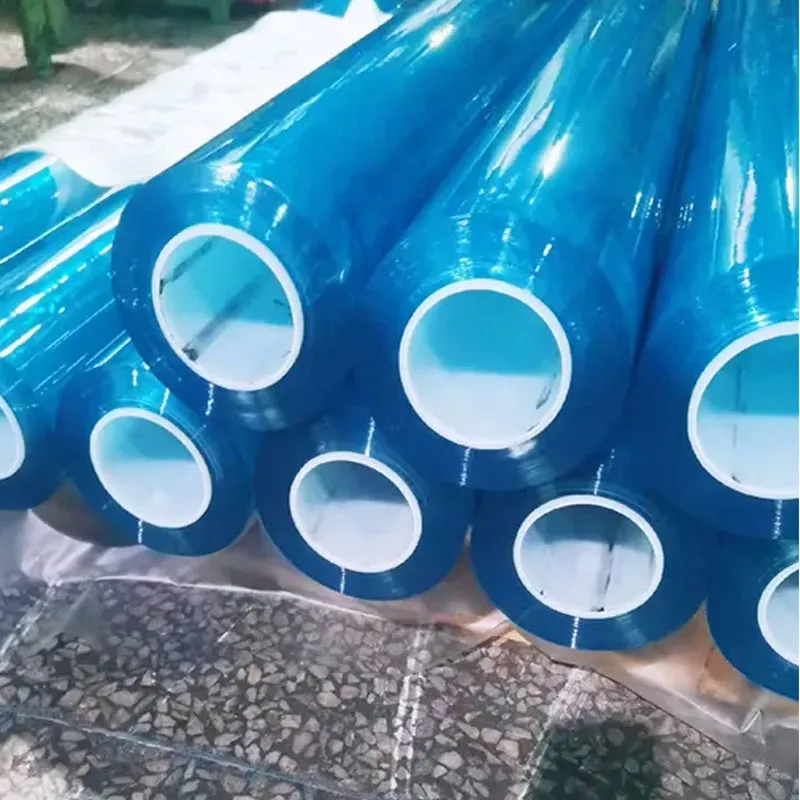
When it comes to furnishing homes, offices, or commercial spaces on a budget, finding the right surface material can be a challenge. You need something that looks premium, withstands daily wear and tear, and doesn’t blow your budget. This is exactly where cheap PVC film for furniture comes into play. Offering a versatile, robust, and cost-effective alternative to traditional laminates, veneers, or paints, PVC films have become the go-to solution for manufacturers and DIY enthusiasts alike.
Modern PVC decorative films are engineered to deliver high-end aesthetics—from realistic wood grain textures to sleek high-gloss finishes—without the associated costs. This article explores why opting for affordable PVC furniture film is a smart strategic move for your next project, backed by insights into durability, design flexibility, and manufacturing standards.
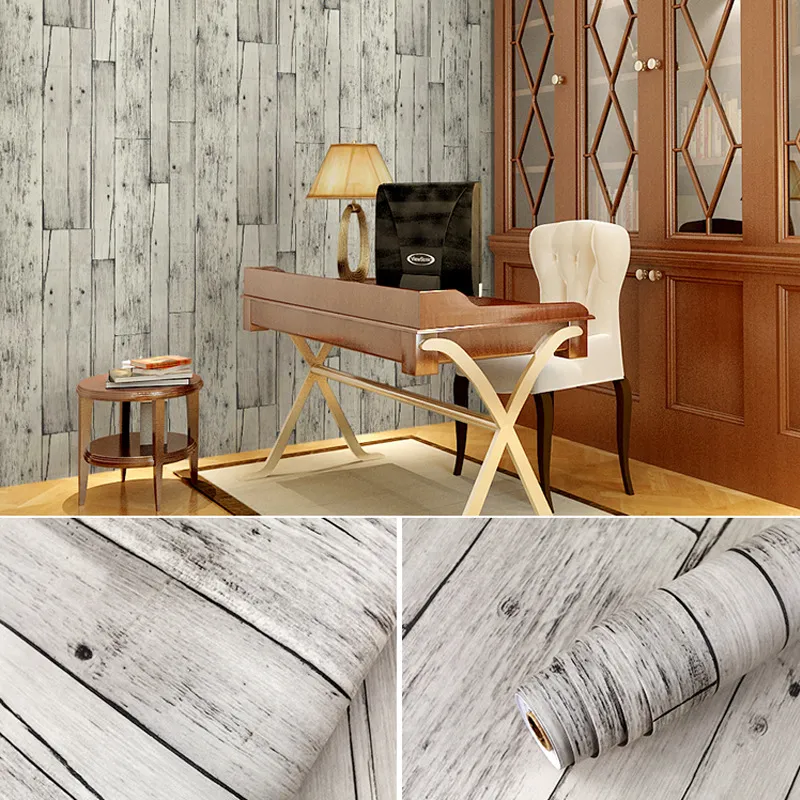
The term “cheap” often raises red flags, but in the context of PVC calendered film, it refers to high cost-efficiency rather than poor quality. Thanks to advanced ASTM PVC Film Standard manufacturing processes, modern production lines can churn out massive volumes of consistent, high-grade material at a fraction of the price of natural materials. The key lies in the economies of scale and raw material optimization, allowing suppliers to pass savings directly to furniture makers.
Instead of solid hardwood, which is expensive and requires maintenance, a cheap PVC film for furniture can replicate timber down to the tactile grain and color variation. This means you get the luxury look without sacrificing performance or longevity.
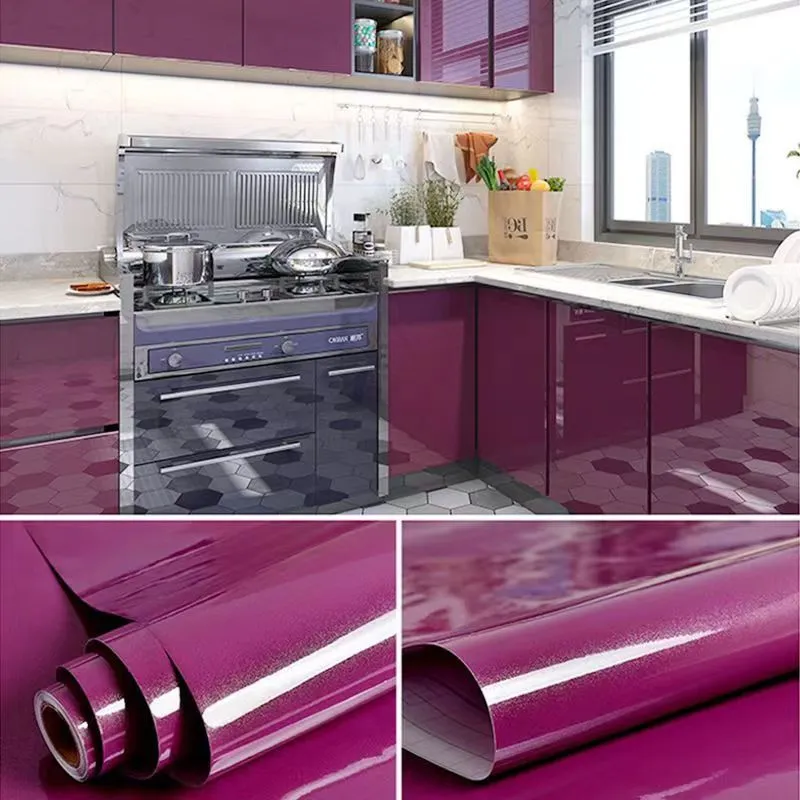
Furniture surfaces suffer daily abuse—scratches from keys, spills from coffee, and fading from sunlight. The durability of PVC film is scientifically measurable through rigorous testing. Standards like Plastic Film Tear Resistance and Plastic Film Gloss Testing ensure that even cheap PVC films maintain their structural integrity and visual appeal over time.
| Performance Feature | Benefit for Furniture | Testing Standard Match |
|---|---|---|
| Scratch & Abrasion Resistance | Keeps desks and cabinets looking new despite heavy use | ASTM D4060 / Taber Abrasion |
| Tear Propagation Resistance | Prevents accidental cuts from ruining the entire edge banding | ASTM D1922 |
| UV & Color Fastness | No yellowing or fading on window-side furniture | ASTM D4329 / QUV |
| Dimensional Stability | No peeling or warping due to temperature changes | PVC Film Dimensional Stability |
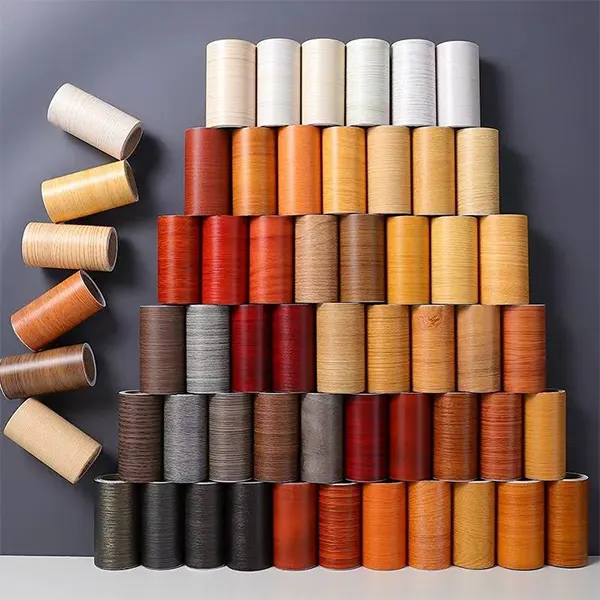
One of the biggest advantages of choosing cheap PVC film for furniture is the sheer creative freedom. Whether you are refurbishing a vintage dresser or mass-producing modern flat-pack wardrobes, there is a finish for every need. The 3D Silk Texture Film offers a subtle, fabric-like elegance, while high-gloss options deliver a lacquered look without the toxic fumes or lengthy drying times.
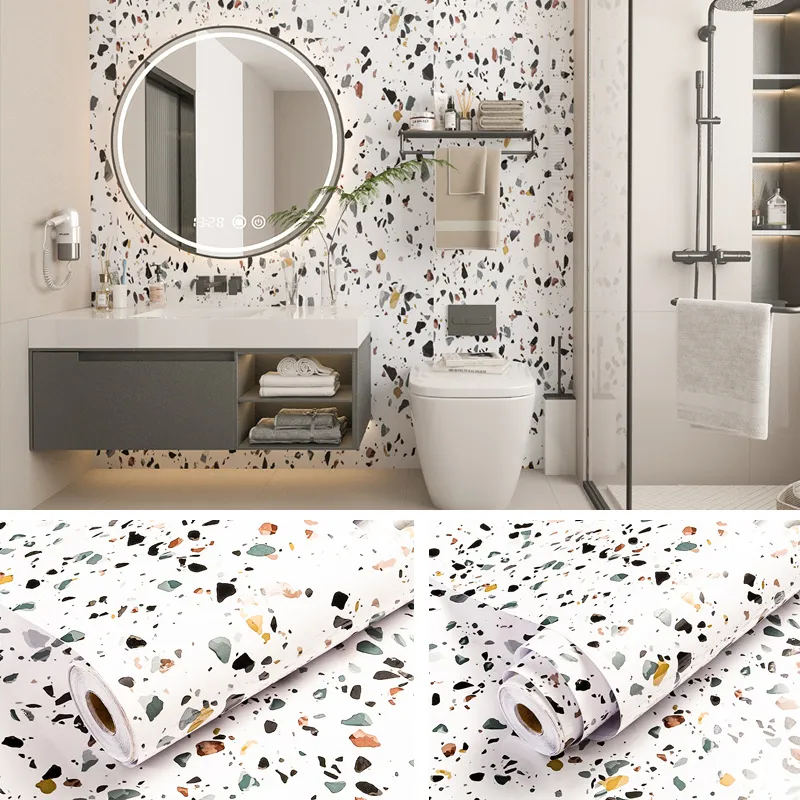
To understand the value proposition of PVC, let’s look at how it stacks up against common alternatives in terms of cost, maintenance, and longevity:
| Surface Type | Approx. Cost Ratio | Maintenance Level | Lifespan (Interior) |
|---|---|---|---|
| Solid Wood | Very High (100%) | High (Sealing/Oiling required) | 20+ years |
| Thermofoil / Acrylic | Medium-High | Medium (Prone to delamination) | 8-15 years |
| Paint / Lacquer | Medium (Labor intensive) | High (Chips and scratches easily) | 5-8 years (aesthetically) |
| Cheap PVC Film | Low (20-30%) | Very Low (Wipe clean only) | 10-20 years |
Note: While solid wood offers longevity, the maintenance cost and initial investment make cheap PVC film for furniture the clear winner for short-cycle renovations and modern fast-fashion furniture lines.
While most people associate PVC films with wardrobes, the application extends far beyond that. The high conformability of calendered film allows it to wrap around intricate profiles, MDF edges, and grooved doors. Here are the primary sectors benefiting from affordable PVC surface solutions:
The secret behind truly cheap PVC film for furniture that still performs well lies in vertical integration. Factories that control the entire production chain—from raw material mixing to calendering, printing, embossing, and splitting—can eliminate middlemen markups and ensure strict PVC Life Cycle Assessment compliance.
For example, Henan Pulivk New Materials Co., Ltd. operates advanced calendering lines that produce consistent gauge film at high speeds, a critical factor in keeping square-meter costs low. By investing in modern equipment and eco-friendly inks, they demonstrate that affordability does not compromise compliance with PVC REACH Restrictions or other safety standards.
Opting for cheap PVC film is also a sustainable choice in a rapidly evolving circular economy. Modern formulations are moving toward lead-free and phthalate-free compounds. The industry is heavily regulated, but forward-thinking manufacturers are already aligning with the PVC Circular Economy objectives, focusing on recycling waste back into the production loop.
Furthermore, using lightweight PVC films reduces shipping weight compared to heavy laminates, lowering the carbon footprint of the finished furniture product. When you choose a durable film that extends the life of an MDF core by 10-15 years, you are actively reducing deforestation and waste.
Time is money in furniture manufacturing. Unlike liquid coatings that require drying rooms, solvent recovery, and sanding between layers, PVC film is applied in a single, rapid step. Using thermal vacuum lamination presses, a profiled cabinet door can be completely wrapped in a cheap PVC film for furniture in under 2 minutes.
The film’s inherent elasticity and tack (controlled by the precise plasticizer ratio) allows it to navigate sharp radius edges without tearing or bridging—a crucial factor for modern minimalist flat-panel doors with tight 90-degree corners.
Myth 1: “It will peel off after a year.”
Truth: When the correct adhesive and chipboard/plywood substrate are used, the bond is essentially permanent. The failure is usually due to the substrate’s own cohesion breaking, not the film-to-glue interface.
Myth 2: “It looks like cheap plastic.”
Truth: The gap between entry-level and premium PVC has narrowed drastically. Today’s cheap calendered films use precision embossing rollers that physically stamp the grain into the surface, offering optical depth that matches expensive laminates.
Myth 3: “It’s unsafe for indoor use.”
Truth: Reputable suppliers produce films free from harmful heavy metals and volatile organic compounds (VOCs), often meeting EU PVC Food Contact Regulations standards for interior air quality.
To truly capitalize on the benefits of cheap PVC film for furniture, you need a partner who understands the industry. Look for suppliers who offer OEM/ODM flexibility, so you aren’t stuck with standard stock sizes or colors. A reliable partner will provide consistent gauge, minimal core waste at the start of rolls, and rapid sample prototyping.
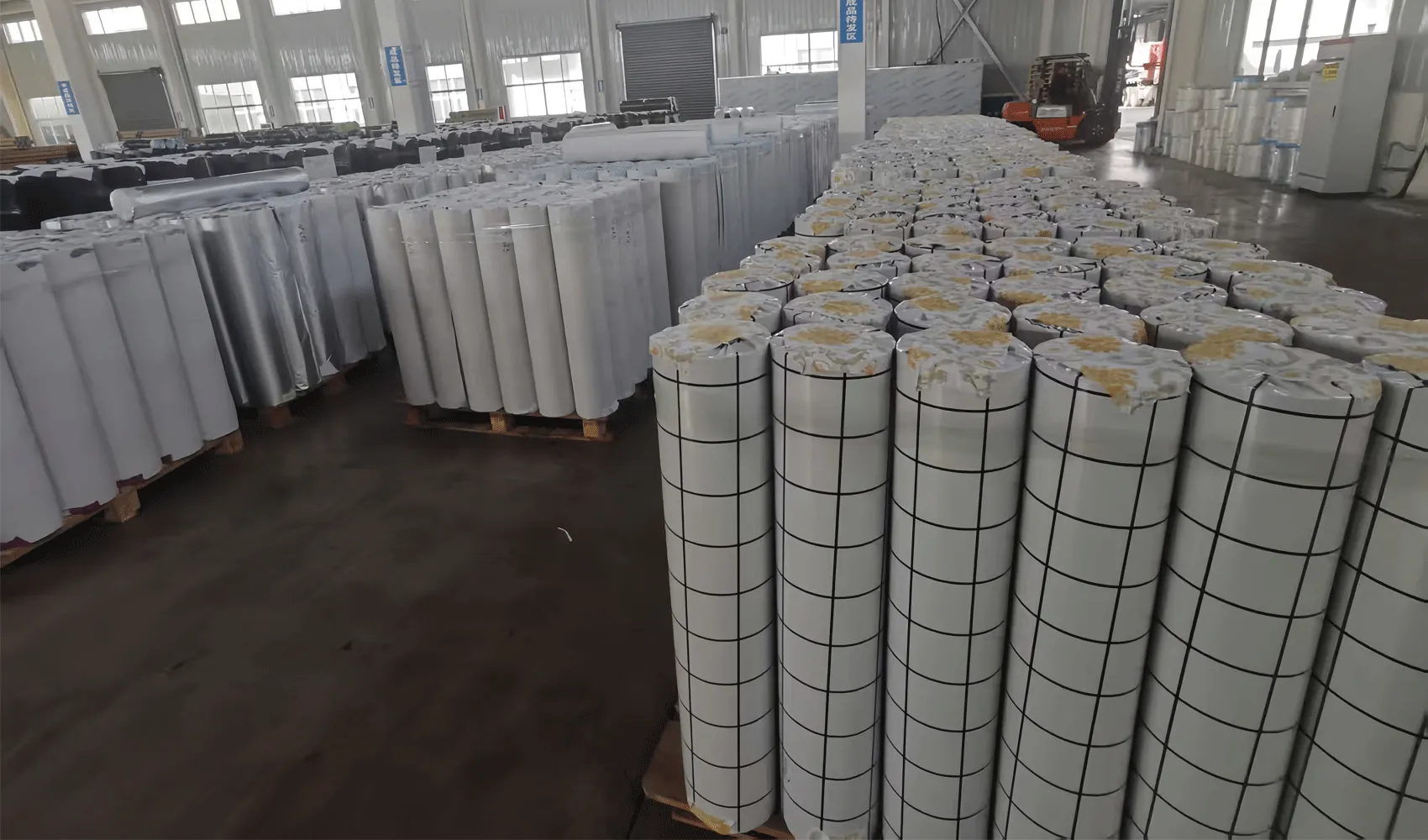
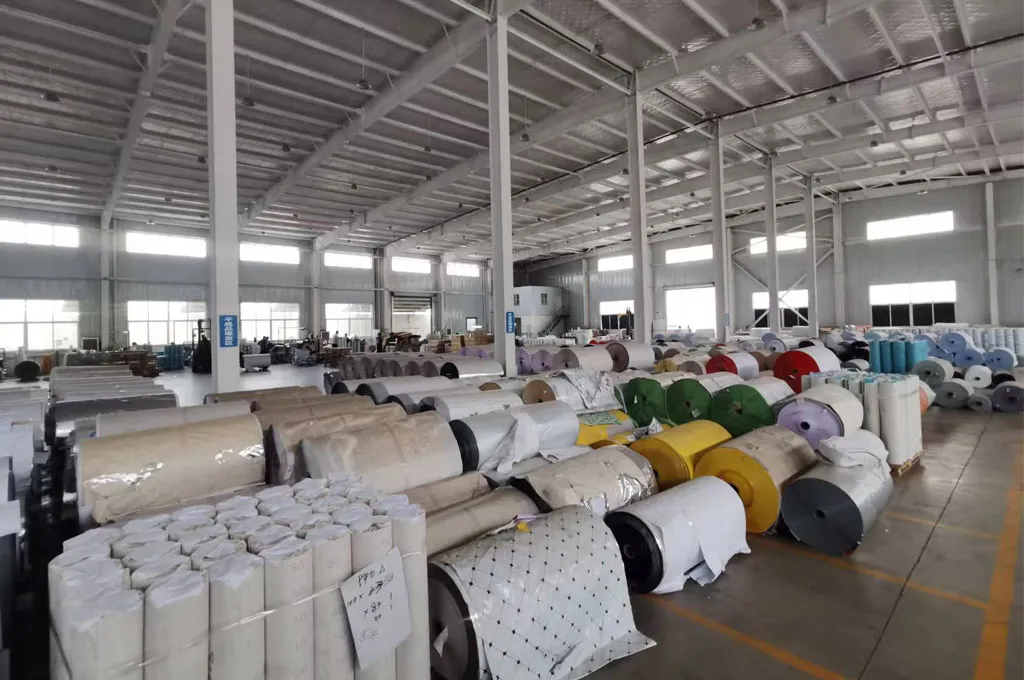
The ability to split and repackage large master logs into small, manageable rolls is also a game-changer for small and medium furniture workshops that cannot handle 500kg jumbos. This service, often provided by experienced exporters, prevents storage waste and maintains film freshness.
Balancing aesthetics, durability, and budget is the holy grail of furniture design. Cheap PVC film for furniture delivers this balance by offering a massive library of premium finishes on a lightweight, easy-to-process, and incredibly durable substrate. It allows designers to offer high-end looks at mid-range retail prices and lets homeowners achieve magazine-worthy interiors without massive renovation bills.
By understanding the technical strengths—tear resistance, thermal stability, and UV hardening—and pairing them with the economic advantages of direct factory sourcing, you unlock a surface solution that outperforms its price point by a significant margin.