Address
304 North Cardinal St.
Dorchester Center, MA 02124
Work Hours
Monday to Friday: 7AM - 7PM
Weekend: 10AM - 5PM
Address
304 North Cardinal St.
Dorchester Center, MA 02124
Work Hours
Monday to Friday: 7AM - 7PM
Weekend: 10AM - 5PM


 ByPulivk
Finding a cheap PVC film producer that doesn’t compromise on quality can feel like searching for a needle in a haystack. Too often, low prices come with hidden costs: inconsistent thickness, color fading, or poor lamination performance. The key is knowing exactly what to look for and asking the right questions before you commit. This guide walks you through practical steps to identify a supplier that genuinely balances cost-effectiveness with reliable product performance.
A truly cost-effective cheap PVC film producer achieves competitive pricing not by cutting corners, but through integrated production efficiency. When suppliers control multiple stages in-house—calendering, printing, and calendered film surface treatment—they eliminate middlemen and reduce per-unit costs significantly.
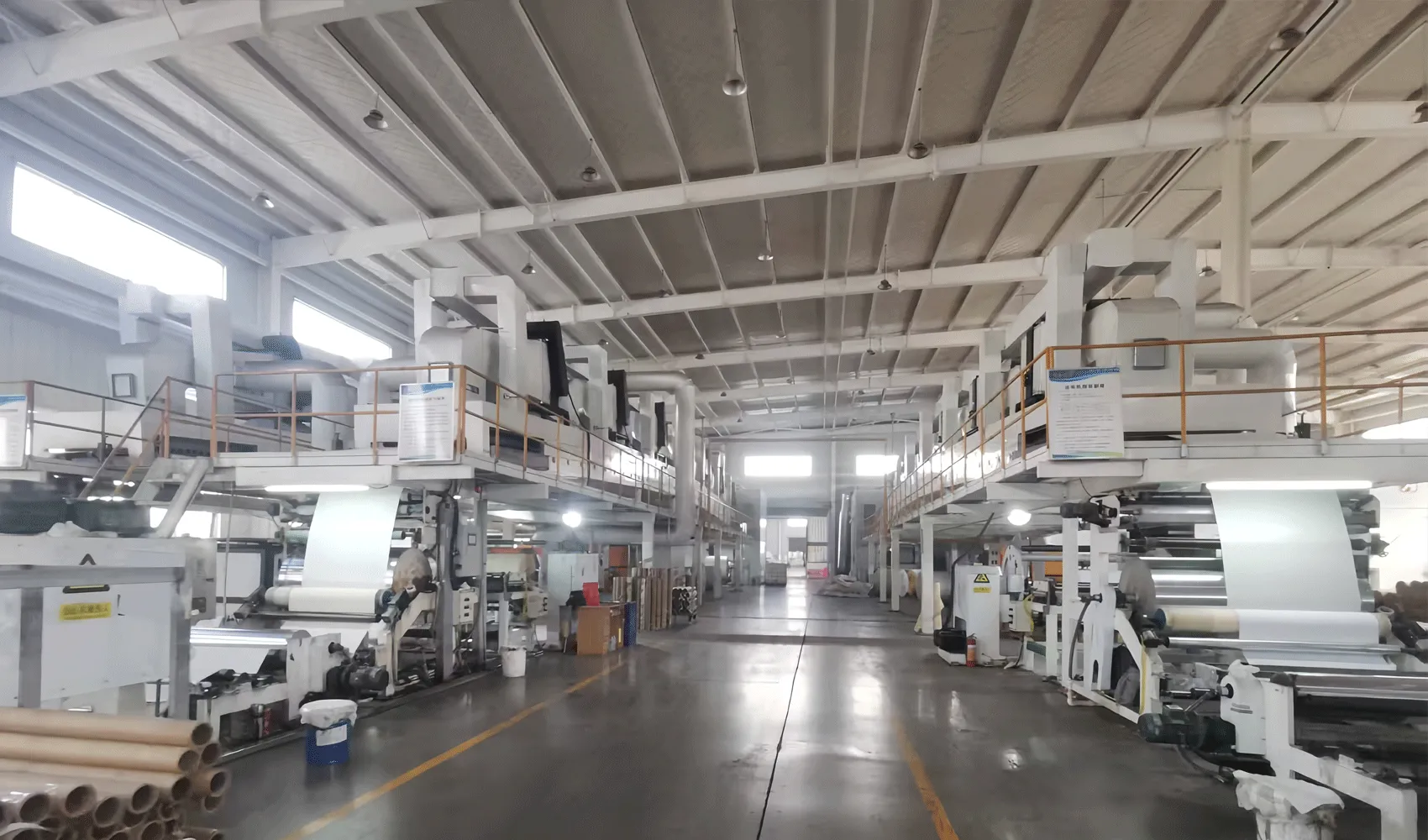
Look for producers who operate their own calendering lines. This allows them to manage raw material sourcing directly, which stabilizes pricing even when resin markets fluctuate. Facilities with in-house wood grain film printing capabilities also offer faster turnaround on custom designs without outsourcing fees.
Price means nothing if every batch arrives with different gloss levels or stiffness. Reliable producers implement multiple QC checkpoints: incoming resin testing, inline optical inspection during calendering, and final roll sampling before packing. Ask specifically how they measure key parameters like thickness tolerance and color delta values.
Many cheap PVC film producer options fail here because they skip proper testing to save money. Instead, request documentation that shows adherence to recognized testing methods. Reputable facilities typically reference standards like ASTM PVC Film Standard for nonrigid vinyl sheeting and Plastic Film Haze Testing for optical clarity verification.
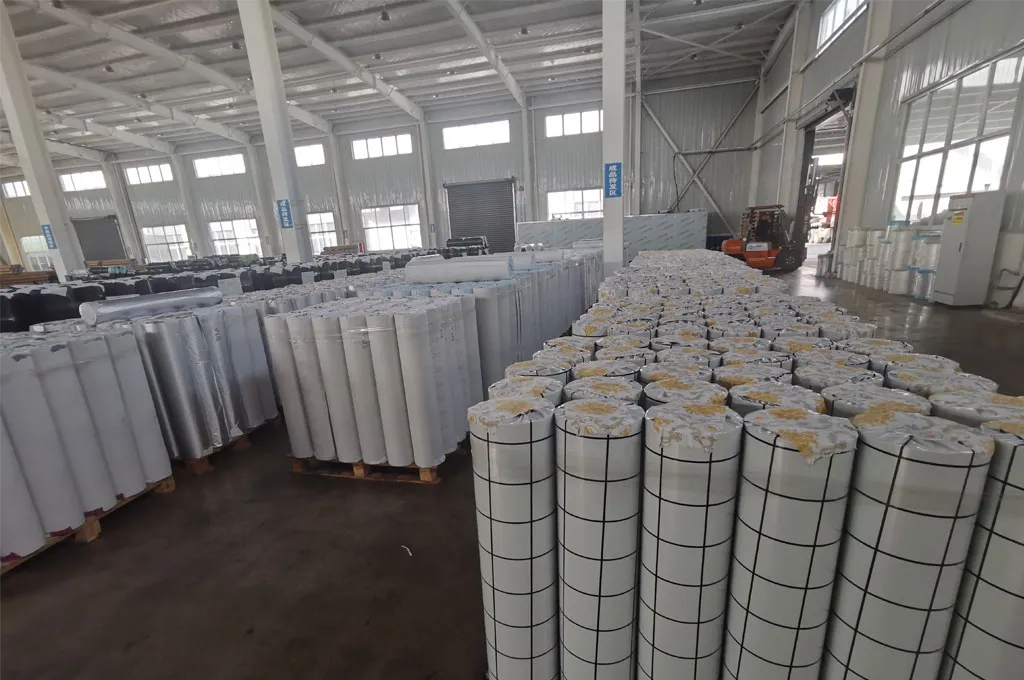
The lowest upfront price often leads to higher total cost over time. Inferior films may tear during lamination, shrink after application, or yellow within months. A genuinely value-oriented producer focuses on source-level cost control without sacrificing essential performance characteristics.
| Cost Factor | Low-Quality Hidden Cost | Reliable Producer Approach |
|---|---|---|
| Raw Resin | High filler content, poor flexibility | Virgin resin with specified plasticizer ratio |
| Calendering Precision | Thickness variation up to ±15% | Controlled tolerance within ±5% |
| UV Stabilizers | Minimal or none, fast yellowing | Formulated with UV inhibitors as specified |
| Surface Treatment | Uneven corona, poor ink adhesion | Consistent dyne level across roll width |
When evaluating a cheap PVC film producer, compare their technical data sheets side by side. Pay special attention to tensile strength values measured per Plastic Film Tensile Testing standards and tear resistance ratings. These numbers reveal more about long-term durability than price tags ever will.
The best value comes from producers who treat customization as a standard service, not a premium add-on. Whether you need specific widths for PVC skirting film applications or unique embossing patterns for furniture surfaces, the pricing structure should remain transparent and reasonable.
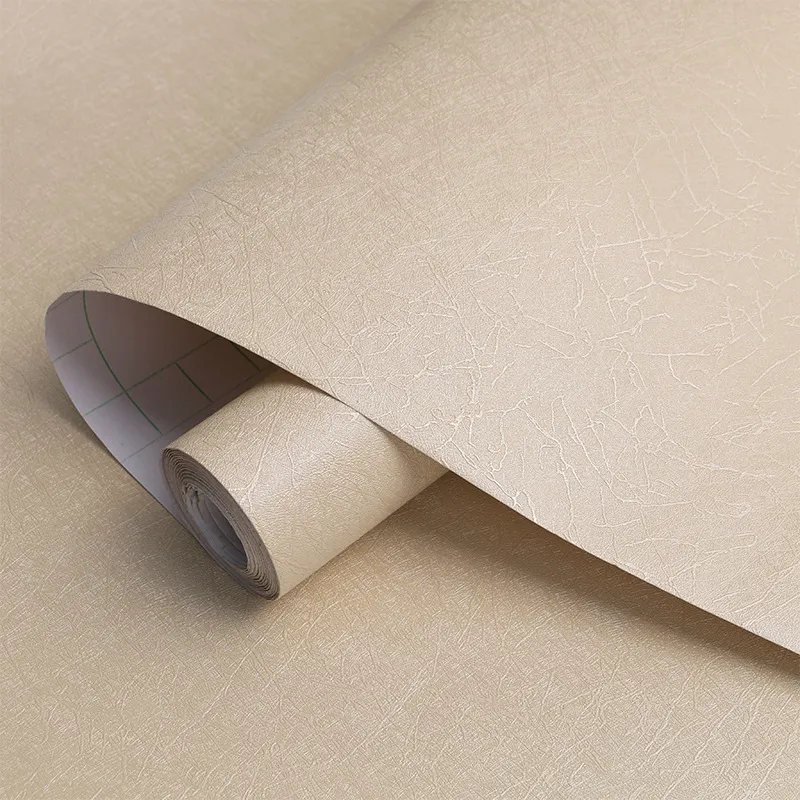
Look for suppliers offering OEM services with flexible minimum order quantities. Producers experienced in export markets, such as those supplying to Southeast Asia, the Middle East, and Europe, understand diverse regional requirements and can adjust formulations accordingly. The ability to split full rolls into smaller, fixed-length rolls with custom labeling also saves you downstream processing costs.
A cheap price loses its appeal quickly if deliveries are consistently late. Reliable producers maintain buffer stock of common grades and have streamlined production scheduling. Ask about their annual output capacity and typical order-to-shipment timelines for repeat orders.
Producers with integrated calendering, printing, and split-packaging lines can compress lead times significantly compared to those coordinating multiple subcontractors. This full-chain control also means they can prioritize urgent orders when needed. Companies like Henan Pulivk New Materials Co., Ltd. demonstrate this by maintaining consistent output across thousands of decorative film designs while supporting flexible OEM requirements.
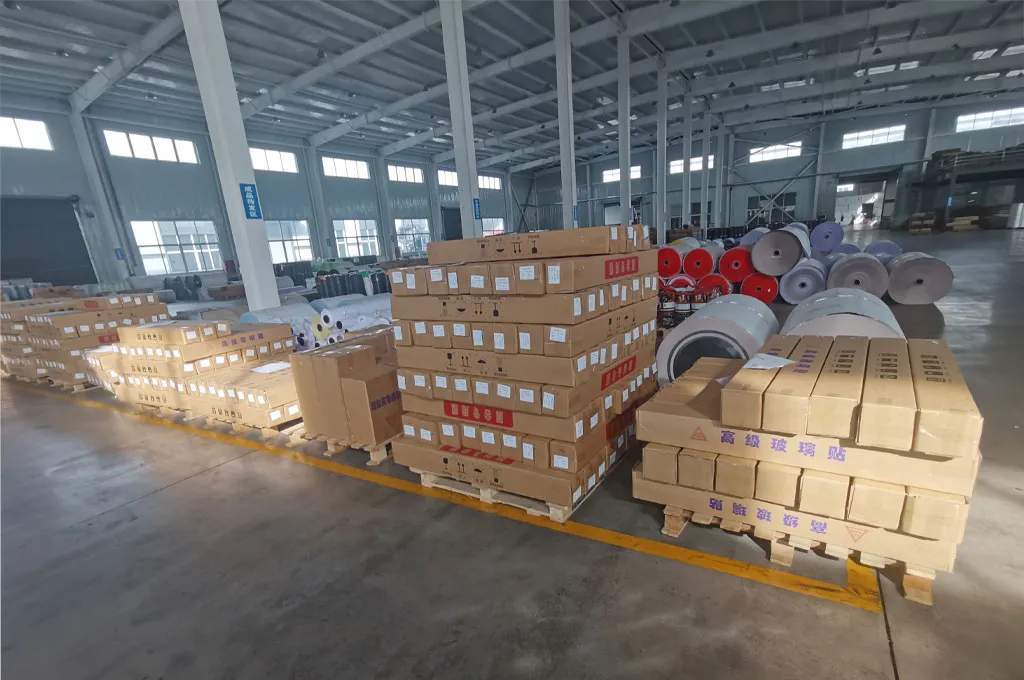
Even when targeting affordable options, never compromise on safety standards. Many markets now require compliance with regulations like EU PVC Chemical Restrictions and specific phthalate limitations. Ask for documentation confirming lead-free and phthalate-free formulations where applicable.
For indoor applications, ensure the producer uses eco-friendly, non-toxic inks suitable for furniture and wall decoration. Products intended for food contact or medical environments demand even stricter verification. A trustworthy producer will readily provide RoHS, REACH, or equivalent compliance certificates without hesitation.
Never skip the sampling stage. Physical samples reveal surface quality, flexibility, and actual color far better than digital catalogs. Request both A4 swatches for visual assessment and small rolls for lamination testing on your actual equipment. Pay attention to how the film handles during application, its adhesion behavior, and any post-lamination defects like bubbling or edge lift.
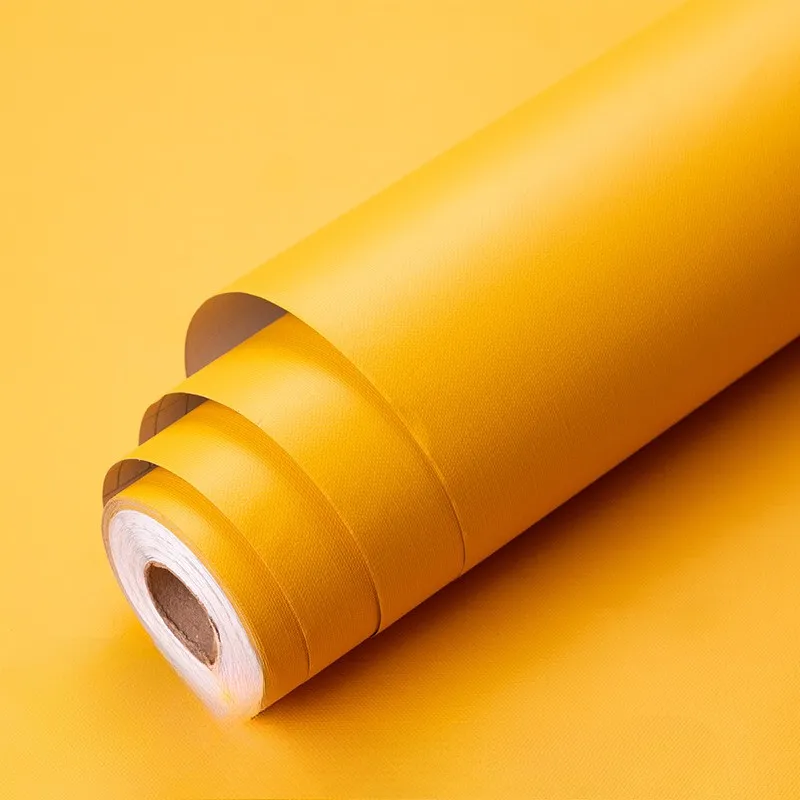
A responsive producer typically provides standard samples free of charge, with the customer covering shipping. This small investment prevents costly mistakes and gives you a tangible benchmark for measuring bulk deliveries against. If a supplier hesitates to provide samples or demands unreasonable sample fees, consider it a warning sign.
Quick, knowledgeable responses to inquiries often correlate directly with overall reliability. During your evaluation, note how thoroughly the sales team addresses technical questions about product specifications, application methods, and Plastic Film Tensile Testing data. Suppliers who provide detailed guidance on lamination temperatures, surface preparation, and troubleshooting demonstrate genuine commitment to your success.
Look for producers offering ongoing technical support after purchase. This includes assistance with material selection for new applications, optimization of lamination parameters, and advice on storage and handling. The best partnerships extend beyond transactional exchanges into collaborative problem-solving.

Calculate your true cost by factoring in waste rates, rework frequency, and production downtime. Films with inconsistent thickness cause lamination issues that waste operator time and substrate materials. Slightly higher-priced films that run smoothly through your process almost always deliver lower total cost per finished square meter.
Request yield data and dimensional stability information, referencing PVC Film Dimensional Stability standards. Understanding how the film behaves under heat and tension during application helps you predict actual consumption rates and avoid unpleasant surprises.
Choosing a cheap PVC film producer that delivers genuine value is entirely achievable when you approach the process systematically. Focus on production integration, quality transparency, and supply chain stability rather than the lowest quoted price alone. By verifying manufacturing capabilities, testing samples rigorously, and confirming compliance with relevant international film standards, you can secure a supply partnership that supports your business growth without compromising product quality.