Address
304 North Cardinal St.
Dorchester Center, MA 02124
Work Hours
Monday to Friday: 7AM - 7PM
Weekend: 10AM - 5PM
Address
304 North Cardinal St.
Dorchester Center, MA 02124
Work Hours
Monday to Friday: 7AM - 7PM
Weekend: 10AM - 5PM


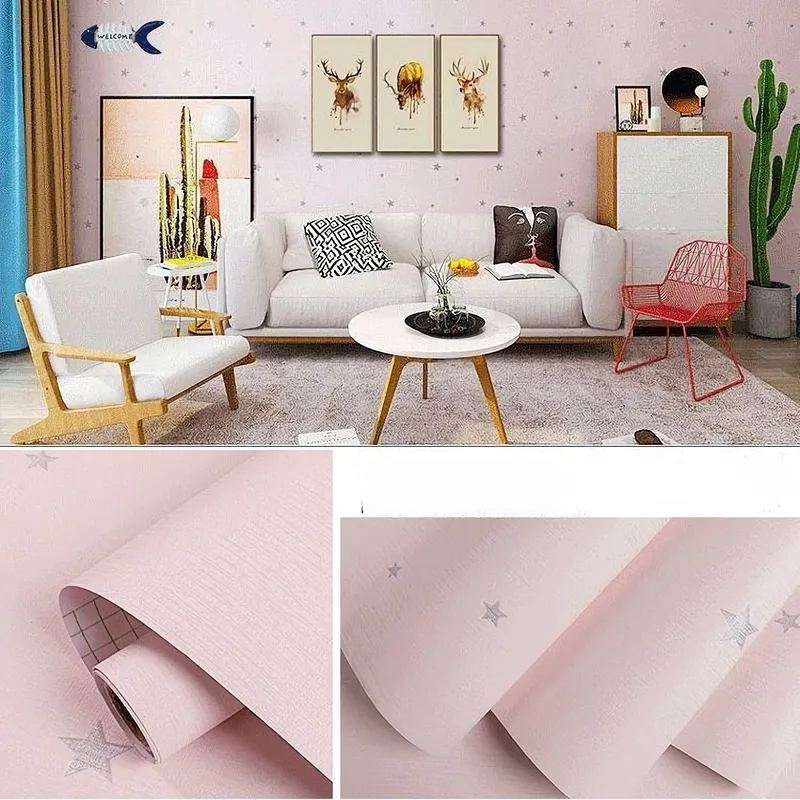
 ByPulivk
In demanding industrial and commercial environments, standard films often fail to deliver the durability, flexibility, and print quality required. Customized fabric PVC film bridges this gap, offering a reinforced material solution that combines the versatility of PVC with the strength and texture of fabric. Whether for heavy-duty covers, high-resolution printing, or specialized protective applications, this engineered material is becoming the go-to choice across multiple sectors.
Fabric PVC film is a composite material formed by laminating or calendering polyvinyl chloride onto a fabric substrate. This construction creates a product that is significantly more tear-resistant, dimensionally stable, and flexible than standard unsupported PVC sheeting. The customized fabric pvc film process allows manufacturers to tailor the base fabric weight, PVC formulation, surface texture, and finish to meet precise application requirements. Common fabric bases include polyester, nylon, and cotton blends, each selected for specific mechanical or aesthetic properties.
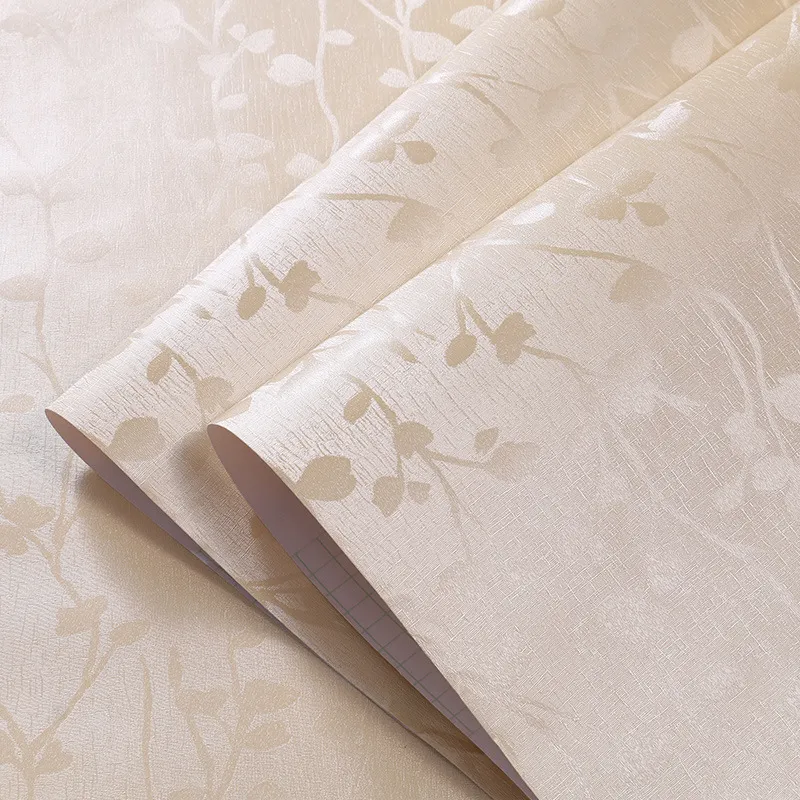
When compared to conventional plastic films, fabric PVC film delivers measurable performance gains. The fabric reinforcement provides exceptional tear propagation resistance, while the PVC coating ensures waterproofing, chemical resistance, and printability. Key benefits include:
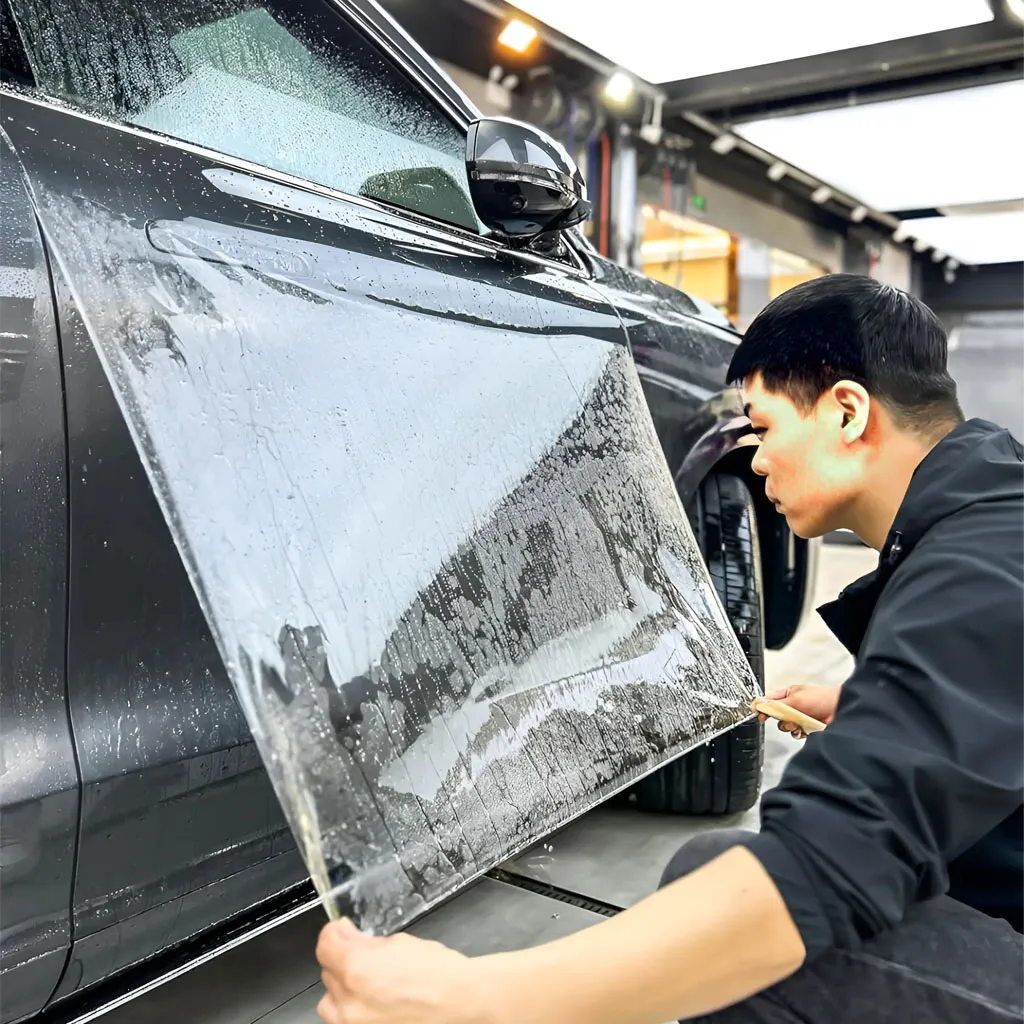
The following table outlines typical performance parameters for customized fabric pvc film products. Actual values may vary based on specific formulations and fabric specifications.
| Property | Typical Range | Testing Standard |
|---|---|---|
| Overall Thickness | 0.30 mm – 1.50 mm | ASTM D1593 |
| Tensile Strength (Warp/Weft) | ≥ 800 N / ≥ 600 N (per 5 cm) | ISO 527-3 |
| Tear Resistance | ≥ 150 N | ASTM D1004 |
| Adhesion (Coating to Fabric) | ≥ 50 N/5 cm | Internal Method |
| Cold Crack Resistance | -25°C to -30°C | ISO 8570 |
| Dimensional Stability | ≤ 1.5% (70°C, 2h) | ASTM D1204 |
| Accelerated Weathering | ≥ 1000 hours (QUV) | ASTM G154 |
The versatility of customized fabric pvc film makes it suitable for a wide range of demanding applications. Its unique combination of strength, flexibility, and printability addresses needs that unsupported films cannot fulfill.
For large-format banners, trade show graphics, and outdoor signage, fabric PVC film provides a robust yet lightweight substrate. It accepts high-density ink loads without warping and maintains color fidelity under prolonged UV exposure. The fabric backing prevents tearing in windy conditions, making it a preferred material for long-term outdoor installations.
In construction, agriculture, and logistics, heavy-duty covers demand materials that withstand abrasion, moisture, and mechanical stress. Fabric-reinforced PVC film is commonly used for truck covers, machinery covers, and temporary shelter membranes. It offers reliable protection against rain, dust, and debris while remaining easy to handle and fold.
Welding curtains, cold storage partitions, and cleanroom dividers benefit from the flame-retardant and anti-static formulations available. The customized PVC film can be engineered to meet specific safety codes and regulatory requirements for these sensitive environments.
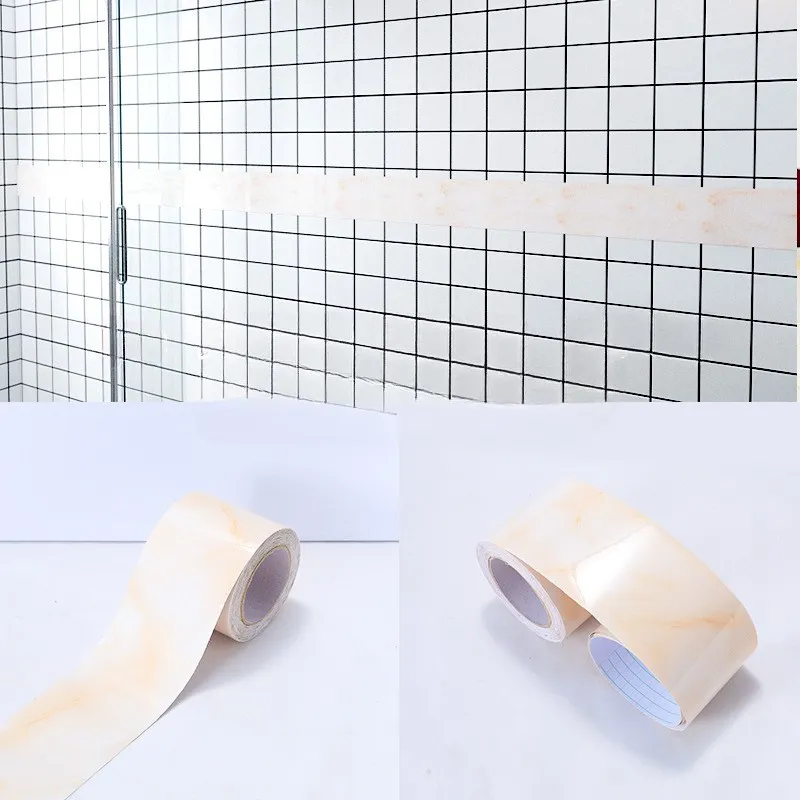
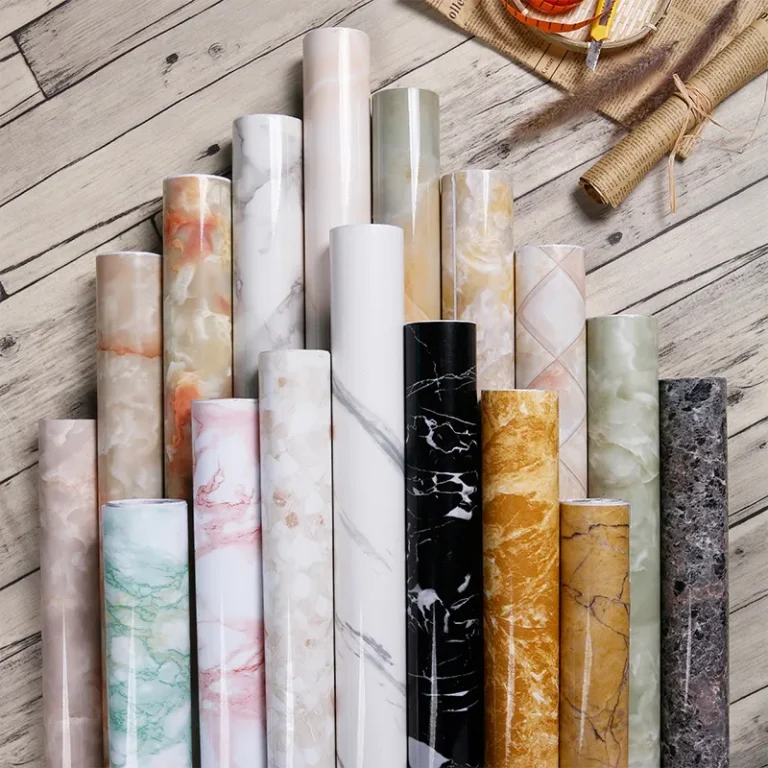
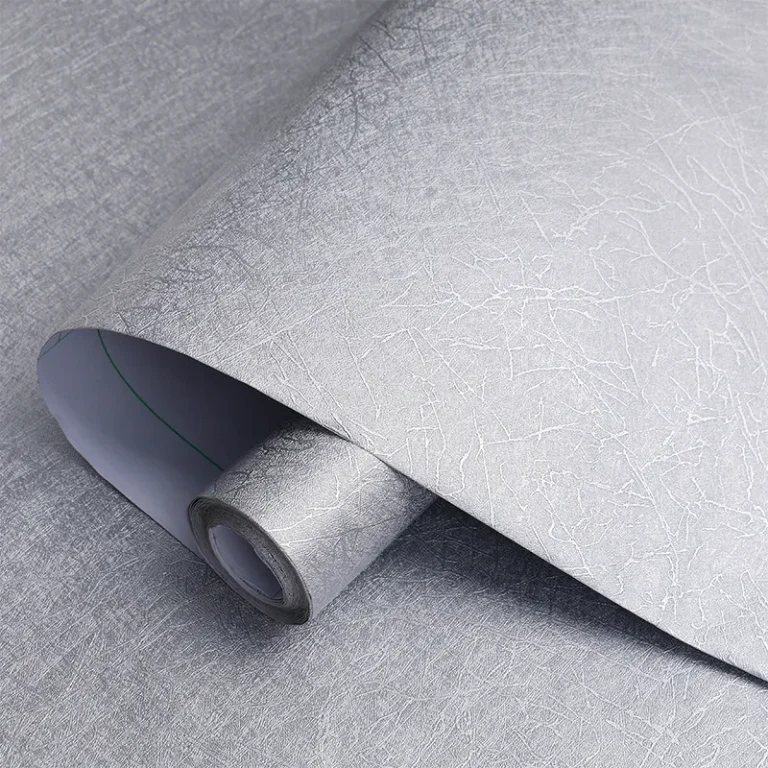
Decorative films for furniture, doors, and wall panels often incorporate fabric textures for a premium look and feel. Customized fabric pvc film with wood grain, stone, or textile patterns provides an economical alternative to solid materials while offering superior scratch and stain resistance.
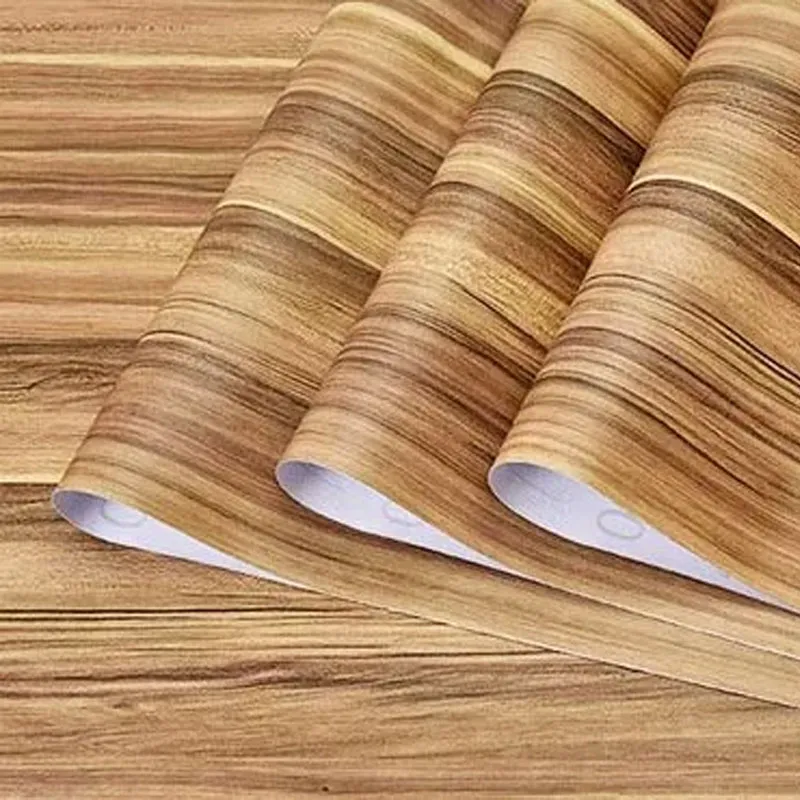
Every project has unique requirements. At Henan Pulivk New Materials Co., Ltd., the focus is on delivering PVC film solutions that align precisely with your operational needs. Key customization options include:
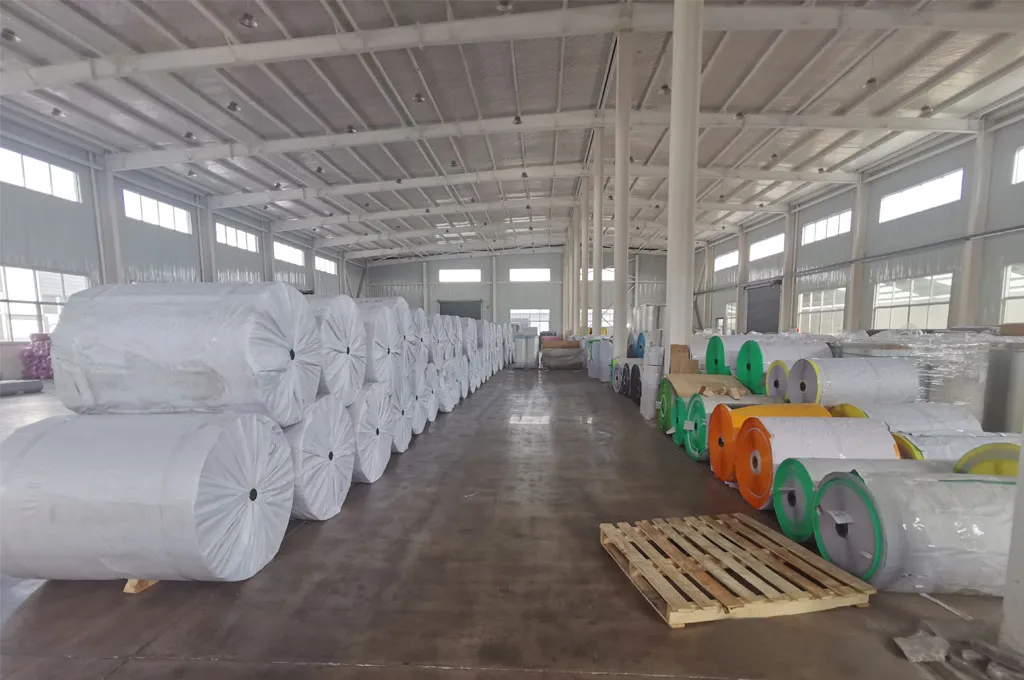
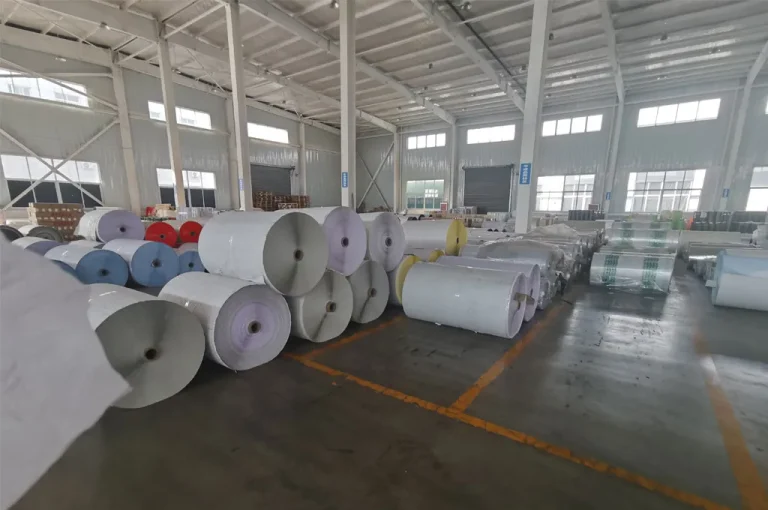
Reliable performance depends on consistent manufacturing and rigorous testing. The production of customized fabric pvc film follows established industry benchmarks to ensure every roll meets specified mechanical and chemical properties. Quality control checkpoints cover incoming raw materials, in-process monitoring, and final product inspection.
Testing protocols align with internationally recognized standards, including those published by ASTM and ISO. Parameters such as tensile strength, tear resistance, coating adhesion, and dimensional stability are verified using calibrated equipment. For applications involving food contact or indoor use, formulations can comply with EU REACH and RoHS requirements.
Environmental responsibility is also a growing priority. Efforts toward PVC circular economy initiatives continue to shape how raw materials are sourced, processed, and recycled. Selecting the right film partner means choosing a supplier committed to both product quality and sustainable practices.
Choosing the optimal customized fabric pvc film requires evaluating several factors:
By clearly defining these parameters, buyers can work with manufacturers to specify a product that balances cost, performance, and durability effectively.