Address
304 North Cardinal St.
Dorchester Center, MA 02124
Work Hours
Monday to Friday: 7AM - 7PM
Weekend: 10AM - 5PM
Address
304 North Cardinal St.
Dorchester Center, MA 02124
Work Hours
Monday to Friday: 7AM - 7PM
Weekend: 10AM - 5PM


 ByPulivk
When selecting PVC film for manufacturing, interior design, or industrial applications, density is one of the most critical yet often overlooked parameters. The density of PVC film directly influences its mechanical strength, flexibility, chemical resistance, and overall durability. Understanding how density impacts performance can help you make smarter procurement decisions and avoid costly mismatches between material and application.
PVC film density refers to the mass per unit volume of the material, typically expressed in grams per cubic centimeter (g/cm³). For most flexible and rigid PVC films, the density ranges between 1.16 g/cm³ and 2.80 g/cm³, depending on the formulation, plasticizer content, fillers, and manufacturing process. According to the ASTM PVC Film Standard, density is a fundamental property that correlates with many performance characteristics of nonrigid vinyl chloride plastic film and sheeting.
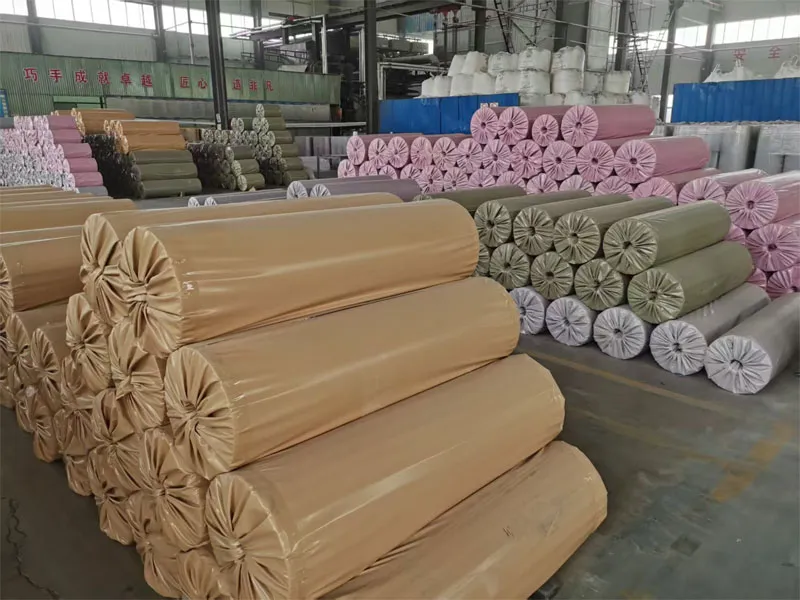
Density is not just a number on a datasheet—it has a direct impact on how the film performs in real-world applications. The relationship between density and performance can be understood through several key property dimensions, as outlined in the PVC Resin Viscosity framework and related thermoplastic film testing standards.
Higher-density PVC films generally exhibit greater tensile strength and tear resistance. This is because denser molecular packing provides better load distribution under stress. Testing per Plastic Film Tensile Testing standards (ASTM D882) shows that films with higher density values typically withstand greater elongation forces before failure, making them suitable for structural and protective applications.
Lower-density PVC films tend to be more flexible due to higher plasticizer content. Plasticizers increase the free volume between polymer chains, reducing density while enhancing flexibility. This trade-off is critical in applications where conformability and soft touch are priorities. The PVC Plasticizers and Phthalates regulations provide important guidance on safe plasticizer usage in food contact and sensitive applications.
Denser PVC films typically demonstrate better chemical resistance and barrier properties. A tighter molecular structure reduces permeability to gases, moisture, and chemical agents. Products tested under Flexible Barrier Film Testing (ASTM F1306) show that higher-density variants offer superior penetration resistance against oils, solvents, and cleaning agents.

The following table summarizes common density ranges for different PVC film types and their typical applications. Use this as a quick reference when evaluating material options:
| Film Type | Density Range (g/cm³) | Key Properties | Typical Applications |
|---|---|---|---|
| Flexible Calendered Film | 1.16 – 1.35 | High flexibility, soft touch, good elongation | Packaging, decorative film, calendered film products |
| Rigid PVC Film | 1.30 – 1.45 | High strength, dimensional stability, impact resistant | Wall panels, furniture surfaces, wood grain film |
| Filled PVC Film | 1.45 – 2.80 | Heavy weight, sound damping, high abrasion resistance | Floor film, skirting, heavy-duty mats |
| Foamed PVC Film | 0.40 – 0.90 | Lowest density, cushioning effect, thermal insulation | Cushioning layers, insulation, lightweight displays |
| Anti-Static PVC Film | 1.20 – 1.40 | Surface resistivity controlled, cleanroom compatible | Electronics packaging, cleanroom protection |

Selecting the appropriate density requires balancing multiple factors specific to your application. Here is a practical framework to guide your decision:
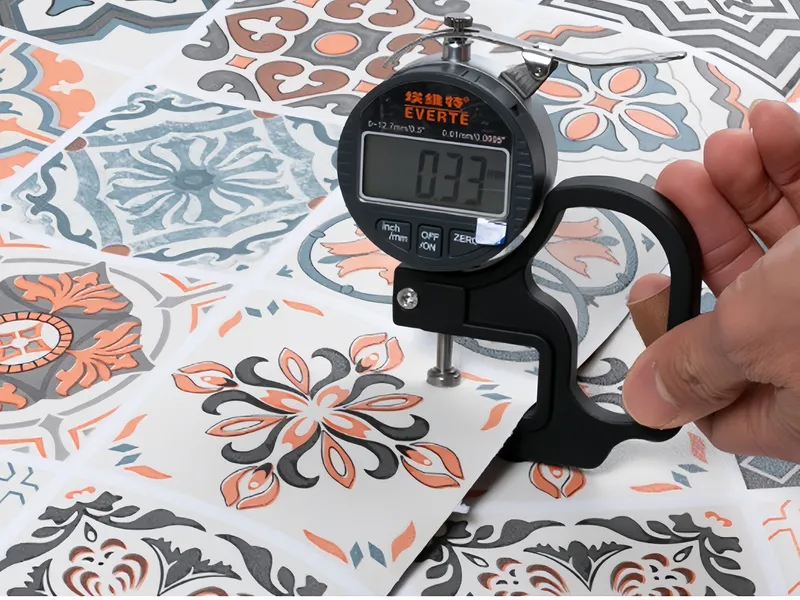
Reliable density measurement is essential for quality assurance in PVC film production. Industry-standard methods include gravimetric analysis (mass per unit area combined with precise thickness measurement) and displacement methods. The ISO Film Thickness Standard (ISO 4593) and Plastic Film Thickness Testing (ASTM D6988) provide validated procedures for determining film thickness, which is a critical input for density calculations.
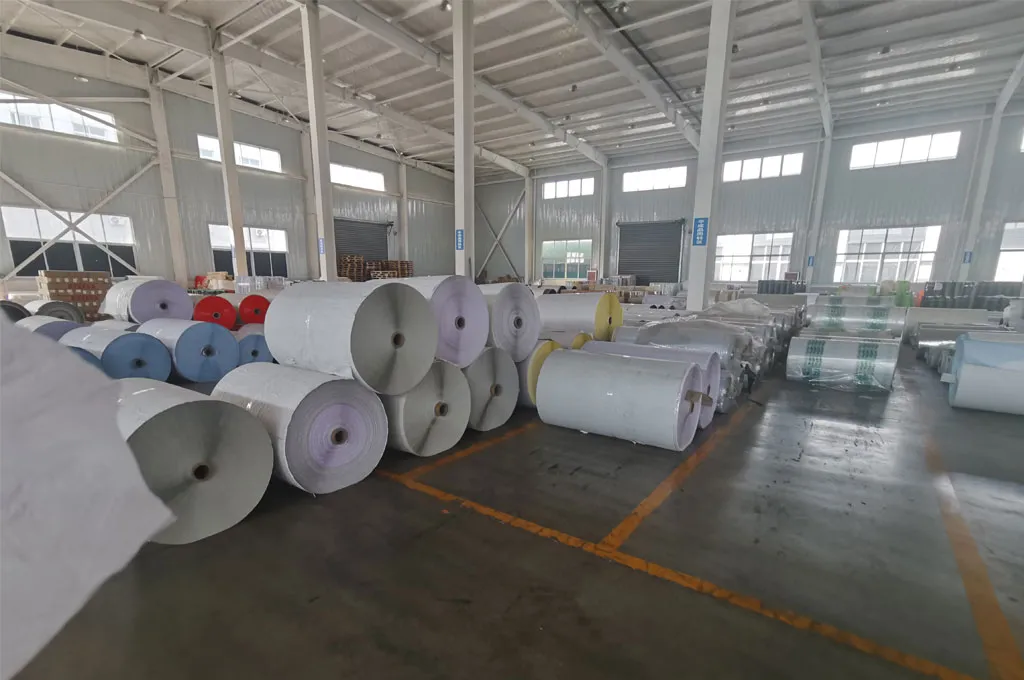
At Henan Pulivk New Materials Co., Ltd., every batch of solid color wallpaper film and decorative film undergoes rigorous density verification as part of a multi-point quality control program. This commitment to consistency ensures that each roll delivers predictable performance across lamination, printing, and end-use conditions.
The density of PVC film also plays a role in sustainability and lifecycle assessment. Denser films may contain higher filler content, which can reduce the proportion of virgin polymer and lower the overall carbon footprint per square meter. Conversely, lower-density films require less material by weight for the same coverage area. The PVC Life Cycle Assessment methodology helps manufacturers and buyers evaluate the environmental trade-offs associated with different density formulations.
The PVC Circular Economy initiatives promoted by VinylPlus encourage the use of recycled PVC content, which can influence final film density. Recycled materials may exhibit slightly different density profiles compared to virgin resin, and understanding these variations is important for both quality control and sustainability reporting.
Avoid these frequent pitfalls when specifying or purchasing PVC film based on density requirements:

When sourcing PVC film, request a complete technical datasheet that includes density values along with tensile test results, tear resistance data, and dimensional stability test results. Comparing these values across suppliers ensures you are evaluating materials on a consistent basis.
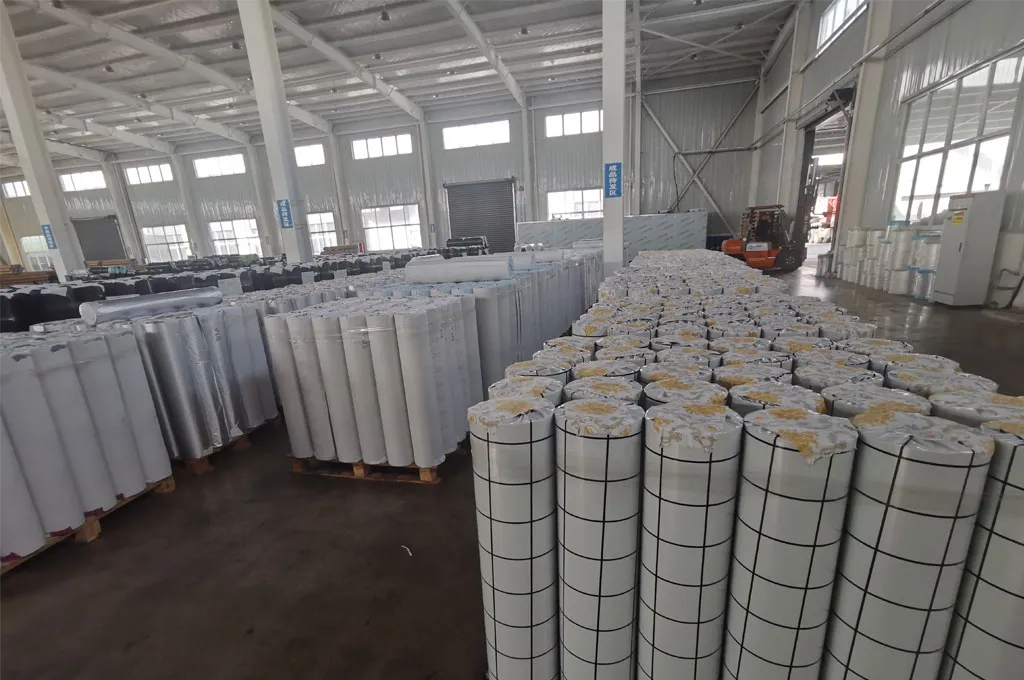
If your application requires customized density specifications, work with manufacturers who have the formulation expertise and production flexibility to adjust plasticizer ratios, filler content, and processing parameters. Our full in-house production capability—from calendering to split packaging—enables precise density control across every order batch.

For more detailed technical information, visit our product page or contact our team to discuss your specific density and performance requirements.