Address
304 North Cardinal St.
Dorchester Center, MA 02124
Work Hours
Monday to Friday: 7AM - 7PM
Weekend: 10AM - 5PM
Address
304 North Cardinal St.
Dorchester Center, MA 02124
Work Hours
Monday to Friday: 7AM - 7PM
Weekend: 10AM - 5PM

 ByPulivk
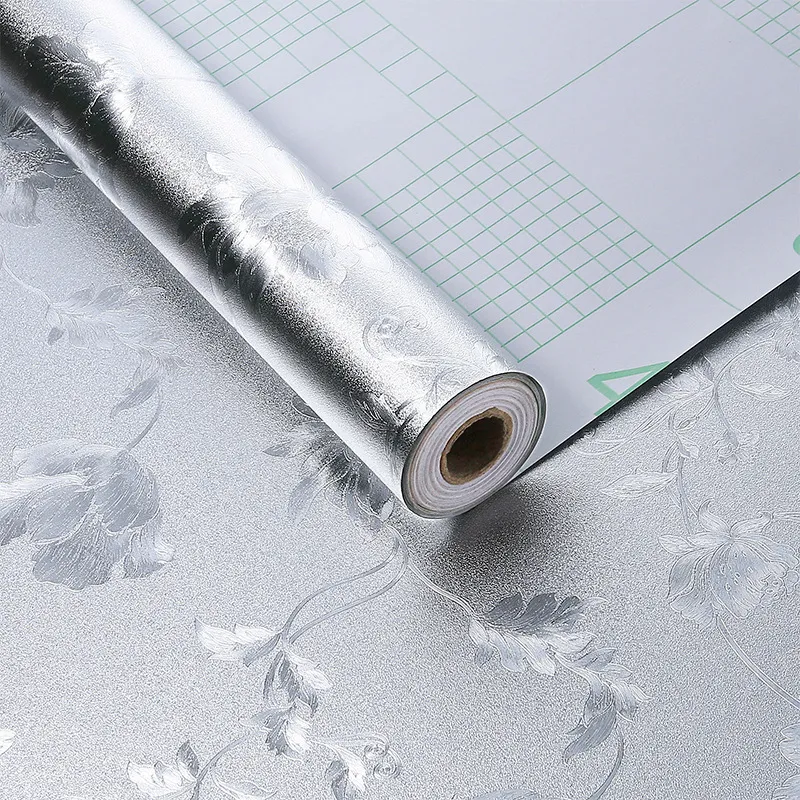
Polyvinyl chloride (PVC) film is one of the most versatile and widely used plastic materials in modern manufacturing and interior design. From furniture surfaces to wall coverings and industrial packaging, film en pvc offers an unmatched combination of durability, aesthetic flexibility, and cost-effectiveness. Whether you are an architect, furniture manufacturer, or DIY homeowner, understanding the different types of PVC films and their applications can help you make informed decisions for your projects.
PVC film is a thin, flexible sheet made from polyvinyl chloride resin, combined with plasticizers, stabilizers, and other additives to achieve specific performance characteristics. The manufacturing process typically involves calendering, where the PVC compound is passed through a series of heated rollers to produce films of precise thickness and surface texture. This production method allows for a wide range of finishes, from crystal-clear transparent films to richly embossed decorative surfaces.
According to the ASTM PVC Film Standard, nonrigid vinyl chloride plastic film and sheeting are classified based on their composition, thickness, and intended use. This standardization ensures consistent quality across different manufacturers and applications, giving buyers confidence in the materials they specify.
The diversity of PVC films available today can be overwhelming. Below is a comprehensive overview of the main categories, organized by production method, surface finish, and functional properties. Understanding these distinctions is essential when sourcing film en pvc for specific applications.
| Category | Types | Key Characteristics | Common Applications |
|---|---|---|---|
| By Production Method | Calendered Film, Cast Film | Excellent thickness uniformity, smooth surface finish, cost-efficient mass production | Packaging, decorative laminates, industrial sheeting |
| By Surface Finish | Glossy, Matte, Embossed, Brushed, Soft-Touch, Pearlescent | Wide aesthetic range, tactile variety, customizable visual effects | Furniture doors, wardrobe panels, interior walls, decorative accents |
| By Decorative Pattern | Wood Grain, Marble, Stone, Fabric/Cloth, Solid Color, Metallic, 3D Relief, Art Grain | Realistic texture replication, extensive design library, customizable colors | Furniture surfaces, wall panels, ceiling decoration, door skins, skirting boards |
| By Functional Property | Anti-Static, UV-Resistant, Anti-Fog, Anti-Scratch, Waterproof, Self-Adhesive, Antibacterial | Enhanced performance for demanding environments, extended service life | Electronics, medical cleanrooms, outdoor applications, food packaging, bathrooms |
| By Layer Structure | Single-Layer, Multi-Layer Composite, Cloth-Based Film | Enhanced strength, improved dimensional stability, better bonding performance | Heavy-duty flooring, automotive interiors, high-wear surfaces |
For a deeper understanding of how these films are classified and tested, the Plastic Film Classification system provides a standardized framework that manufacturers and buyers can reference when evaluating material specifications. This is particularly useful when comparing products from different suppliers or when developing custom film solutions.
PVC film has penetrated virtually every sector of manufacturing and construction. Its ability to mimic expensive natural materials at a fraction of the cost makes it indispensable for budget-conscious yet design-driven projects. Here are the primary industries where film en pvc plays a critical role:
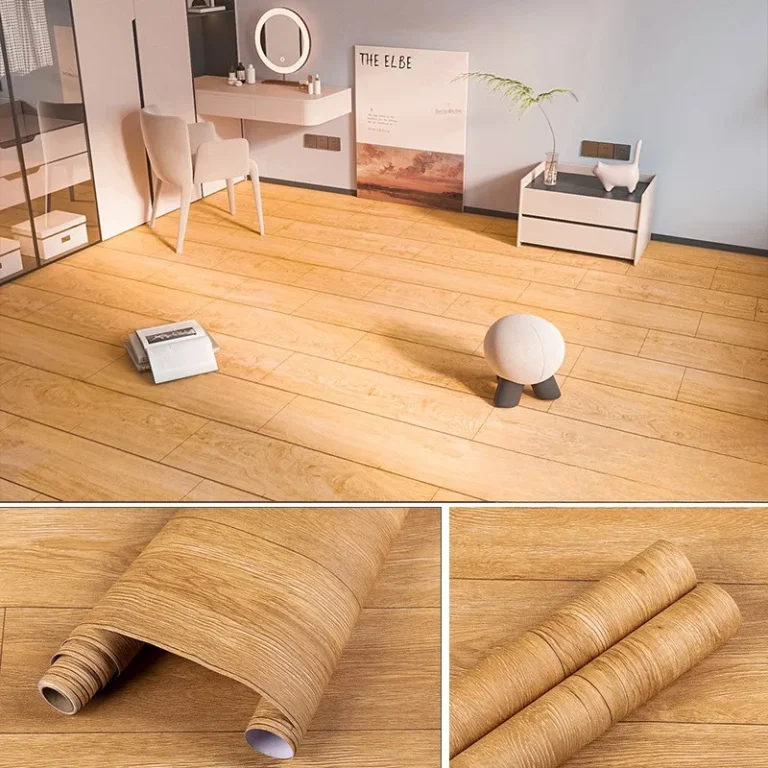
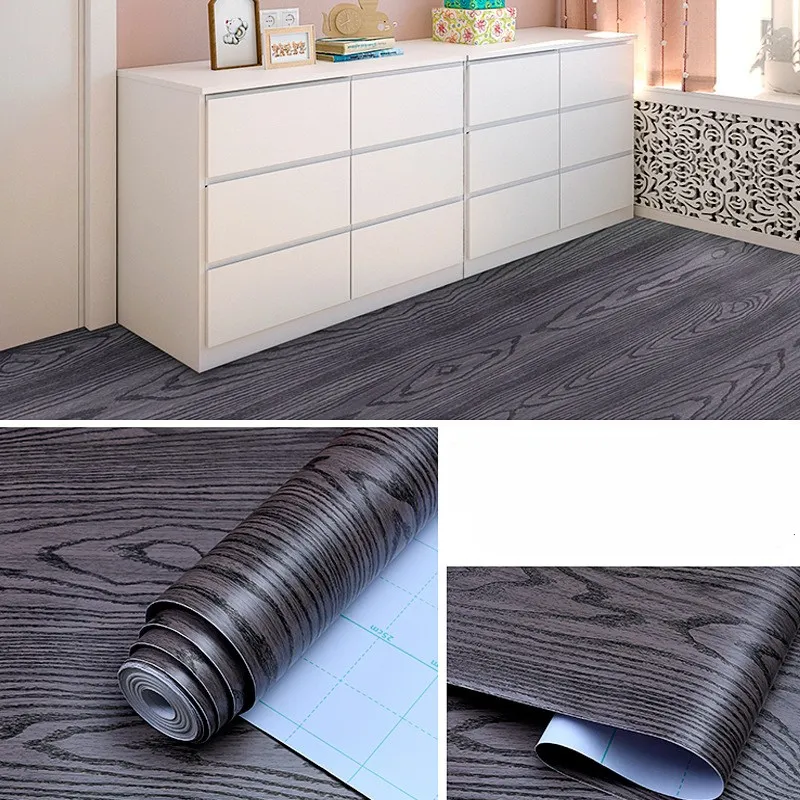
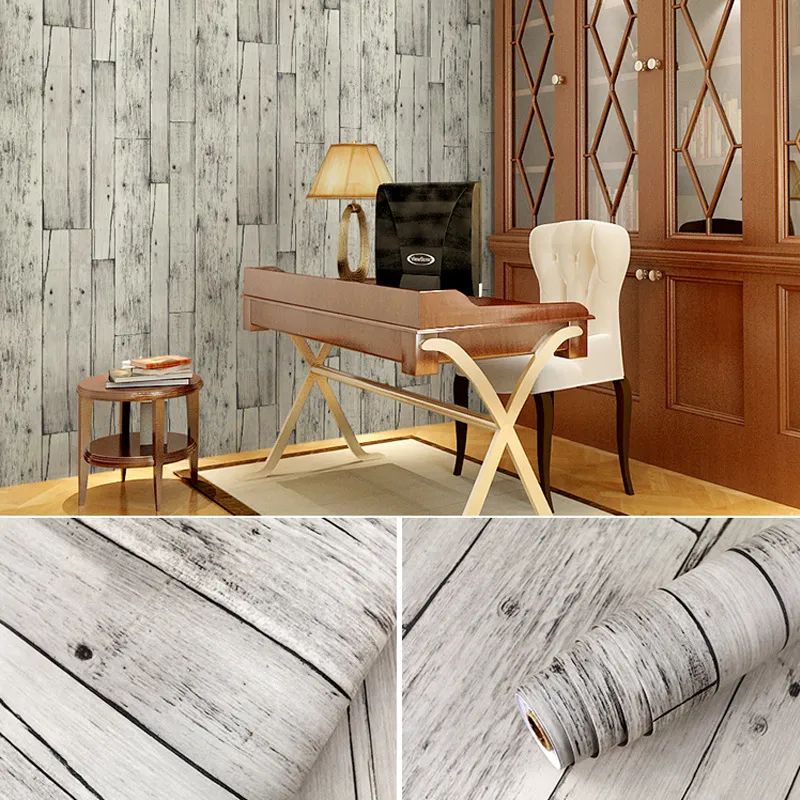
Decorative PVC films are extensively used for laminating MDF, particleboard, and plywood surfaces in furniture production. Wood Grain Film remains the most popular choice, offering the warm, natural appearance of real wood without the cost or maintenance requirements. From wardrobe doors to kitchen cabinets and office desks, PVC-laminated furniture delivers consistent quality and long-lasting beauty.
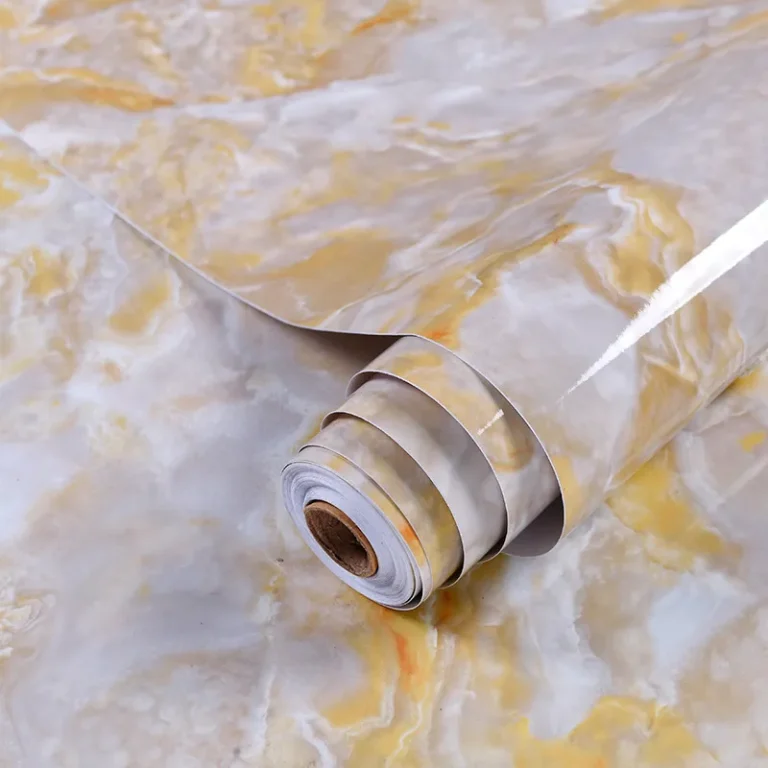
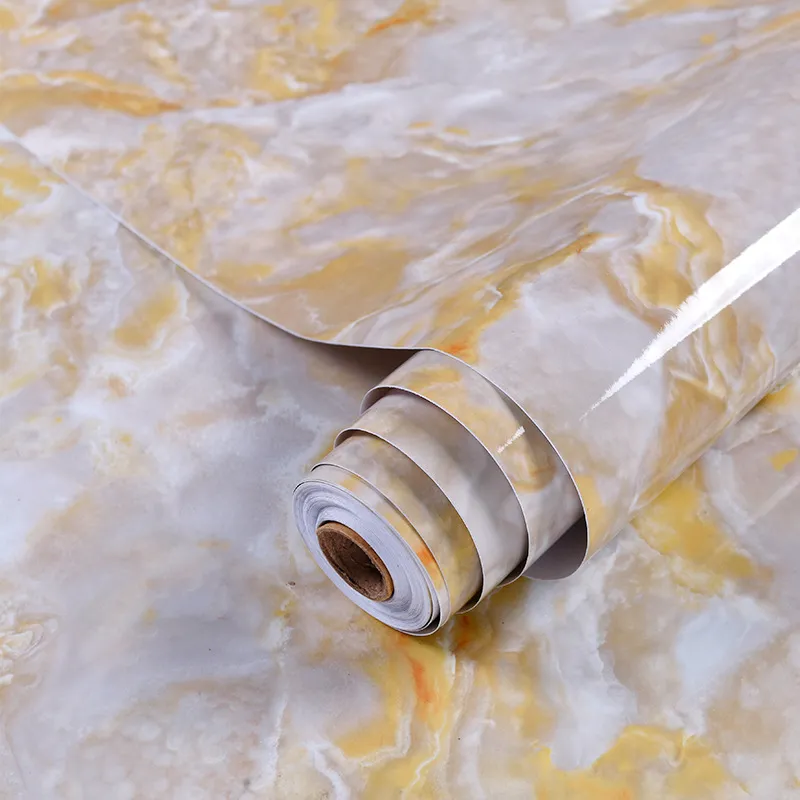
In the construction sector, PVC films serve as wall coverings, ceiling materials, partition films, and decorative panels. Stone pattern films and marble-effect films are particularly valued for creating luxurious interior spaces without the weight or installation complexity of natural stone. The waterproof nature of PVC also makes it ideal for bathrooms, kitchens, and other moisture-prone areas.
Floor Film products have revolutionized the vinyl flooring industry. These wear-resistant films provide the decorative layer in luxury vinyl tiles (LVT) and sheet flooring, offering designs that range from realistic wood planks to intricate stone and tile patterns. The PVC Flooring Standard (ISO 10581) specifies the requirements for homogeneous PVC floor coverings, ensuring products meet durability and safety benchmarks for residential and commercial use.
Anti-static PVC films protect sensitive electronic components during manufacturing and transportation. Brushed texture films are applied to appliance panels for a premium metallic appearance, while protective films safeguard screens and surfaces from scratches during assembly and shipping.
Antibacterial and easy-to-clean PVC films are essential in hospitals, laboratories, and pharmaceutical facilities. These specialized films help maintain sterile conditions while providing durable surface protection for walls, equipment, and packaging.
Lightbox films, advertising stickers, and exhibition backdrop films rely on PVC’s excellent printability and light transmission properties. The material accepts a wide range of printing technologies, from digital to screen printing, making it a go-to choice for visual communications.
The widespread adoption of film en pvc across diverse industries is no accident. The material offers a compelling set of advantages that few alternatives can match at comparable price points:
Selecting the optimal film en pvc for your project requires careful consideration of several factors. A systematic approach to evaluation will help you avoid costly mistakes and ensure the final result meets your expectations for both performance and aesthetics.
Start by clearly identifying where and how the film will be used. Indoor furniture surfaces have very different requirements than outdoor signage or bathroom flooring. Consider exposure to sunlight, moisture, temperature fluctuations, and physical wear. For exterior applications, UV-resistant formulations are essential, while bathroom and kitchen installations demand waterproof and mold-resistant properties.
PVC films adhere differently to various substrates. MDF, particleboard, plywood, glass, metal, and plastic all have distinct surface characteristics that affect bonding performance. Verify that the film you select is compatible with your substrate, and confirm the recommended lamination method—whether cold lamination with adhesive or hot lamination using a vacuum press with appropriate heat and pressure settings.
PVC films are available in thicknesses ranging from 0.03 mm to 0.50 mm, with widths up to 1,500 mm. Thinner films are more flexible and economical for light-duty decorative applications, while thicker films provide greater durability and wear resistance for flooring and high-traffic surfaces. Custom cutting services can tailor film dimensions to your exact specifications, minimizing waste and optimizing material usage.
The aesthetic choice is often the most subjective but also the most impactful. Consider the overall design language of your space or product. Marble Film creates a sense of luxury and timelessness, while wood grain patterns add warmth and natural character. Glossy finishes reflect light and make spaces feel larger, while matte and soft-touch surfaces offer a sophisticated, understated look that resists fingerprints and smudges.
Beyond basic aesthetics, assess whether your application requires special functional properties. Anti-static films are critical for electronics manufacturing. Anti-scratch coatings extend the life of high-touch surfaces. Antibacterial formulations support hygiene standards in healthcare settings. Self-adhesive backing simplifies installation for DIY projects and quick renovations. Prioritize these functional characteristics based on the actual demands of your intended use.
Reputable manufacturers test their products according to recognized standards such as ASTM and ISO. Request documentation on film thickness tolerance, tensile strength, tear resistance, colorfastness, and any relevant environmental certifications. This due diligence helps ensure consistent quality across production batches and provides assurance that the film will perform as expected over its intended service life.
While initial material cost is important, the total cost of ownership includes installation labor, maintenance requirements, and expected lifespan. A slightly more expensive film that installs faster, requires less maintenance, and lasts longer may ultimately be the more economical choice. Factor in these long-term considerations when comparing options from different suppliers.
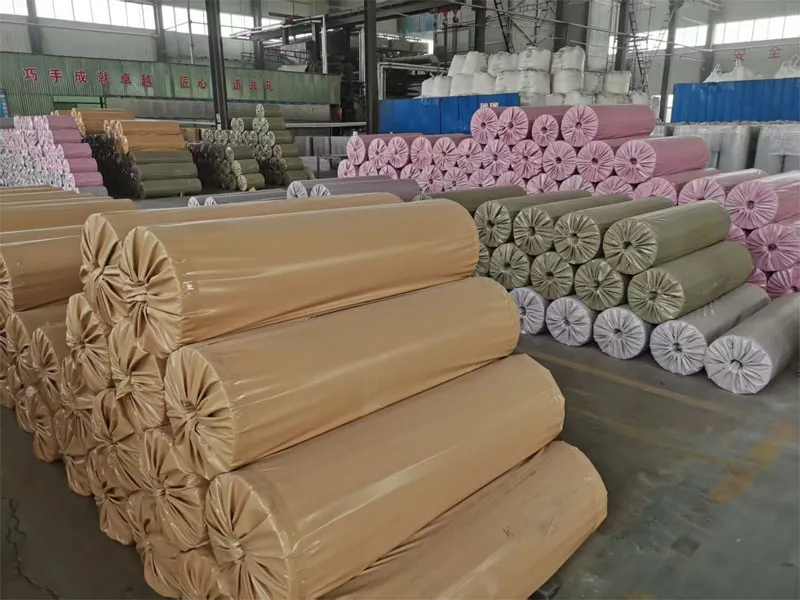
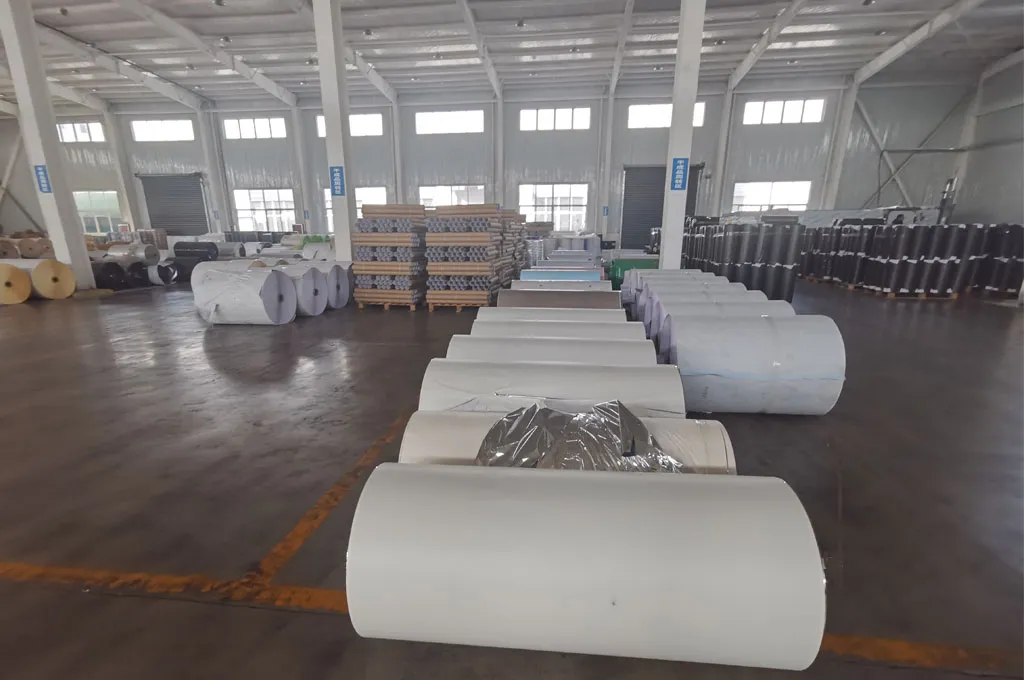
The quality of PVC film depends heavily on the manufacturing process and the rigor of quality control measures. Henan Pulivk New Materials Co., Ltd., a direct manufacturer with integrated production and trade operations, operates advanced calendering lines, printing lines, and split-packaging lines under one roof. This full in-house production capability allows for complete oversight at every stage—from raw material selection to final packaging—ensuring consistent product quality and reliable lead times for customers worldwide.
Modern production facilities employ automated optical inspection systems, precision thickness gauges, and comprehensive physical testing equipment to monitor film thickness, color consistency, surface finish, and mechanical properties throughout the manufacturing cycle. This level of control is essential for meeting the stringent requirements of industries ranging from furniture manufacturing to medical device packaging.
Proper installation is critical to achieving the full performance benefits of PVC film. For most decorative applications, the recommended methods are cold lamination using a suitable environmentally friendly adhesive or hot lamination with a vacuum laminator. The specific technique depends on the film type, substrate material, and end-use conditions. Always follow the manufacturer’s technical guidance for surface preparation, adhesive selection, lamination temperature, pressure settings, and curing time.
Once installed, PVC film surfaces are easy to maintain. Regular cleaning with a soft, damp cloth or sponge and a neutral detergent is usually sufficient. Avoid abrasive cleaners, steel wool, strong acids, and strong alkaline solutions, as these can scratch or chemically damage the film surface. With proper care, high-quality PVC films can retain their appearance and functionality for many years.
The PVC film industry continues to evolve, driven by advances in material science, growing environmental awareness, and changing consumer preferences. Bio-based plasticizers are gradually replacing traditional phthalates, addressing health and environmental concerns. Recycling technologies are improving, with initiatives like the VinylPlus 2030 Commitment pushing toward a fully circular PVC value chain. Digital printing technologies are enabling shorter production runs and greater design customization, making it easier for brands to create unique, differentiated products.
As these trends accelerate, film en pvc will remain a cornerstone material for industries seeking the ideal balance of performance, aesthetics, and value. By staying informed about the latest product developments and maintaining strong relationships with reliable manufacturers, buyers can continue to leverage PVC film’s unique advantages in an increasingly competitive global market.
For more detailed information about specific PVC film products, technical specifications, or to request samples for evaluation, please contact our team directly. We provide comprehensive support throughout the selection, sampling, and procurement process to ensure you find the perfect film solution for your project requirements.