Address
304 North Cardinal St.
Dorchester Center, MA 02124
Work Hours
Monday to Friday: 7AM - 7PM
Weekend: 10AM - 5PM
Address
304 North Cardinal St.
Dorchester Center, MA 02124
Work Hours
Monday to Friday: 7AM - 7PM
Weekend: 10AM - 5PM


 ByPulivk
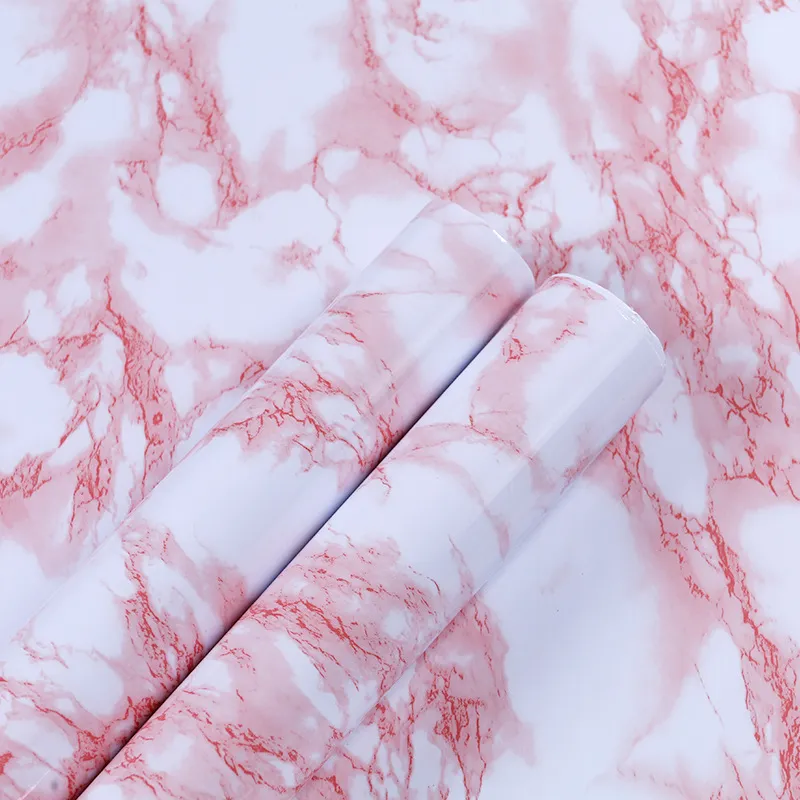
PVC flexible film is a versatile and cost-effective material widely used across industries from furniture manufacturing to construction and electronics. Engineered through calendering or extrusion processes, this adaptable plastic film offers an exceptional balance of durability, customization, and aesthetic appeal. Whether you are looking for wood grain film for cabinetry or a protective anti-static layer for electronics, understanding the types and properties is essential for making the right choice.
PVC flexible film is a thin polymeric sheet made primarily from polyvinyl chloride resin blended with plasticizers to achieve the desired elasticity. Unlike rigid PVC, the flexible variant can bend, stretch, and conform to complex shapes without cracking. This adaptability makes it indispensable for applications ranging from decorative surfaces to functional packaging. The manufacturing process often involves calendering, which ensures uniform thickness and a smooth finish, critical for demanding lamination jobs.
The categorization of pvc flexible film depends on the intended application, surface finish, and functional additives. Below is a comparative overview of the most common types you will encounter in the market.
| Film Type | Key Characteristics | Primary Applications |
|---|---|---|
| Calendered Film | Excellent thickness control, high clarity, available in multiple layers | Packaging, automotive protection, stationery |
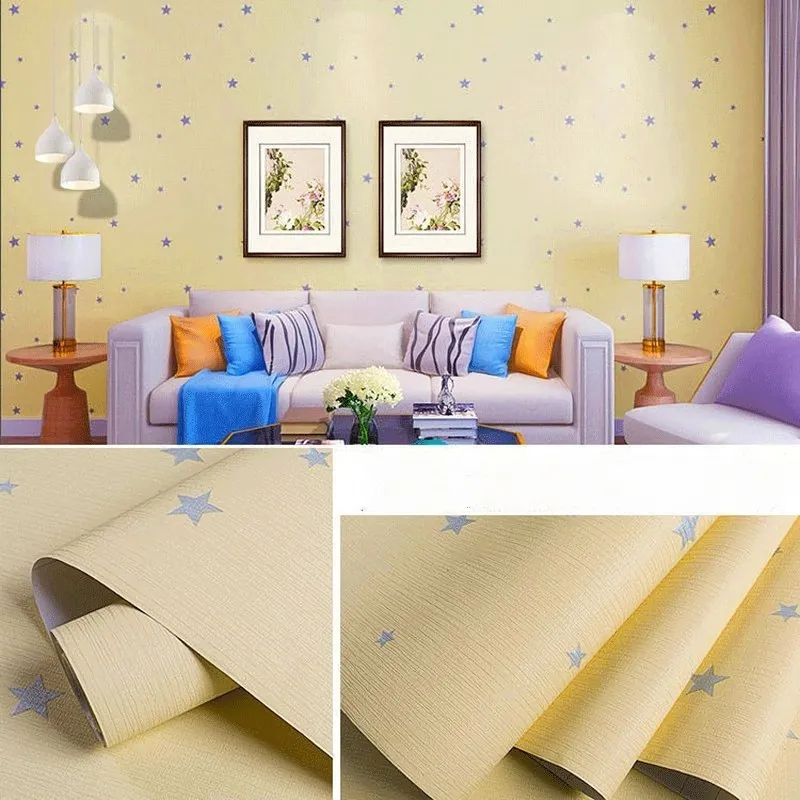
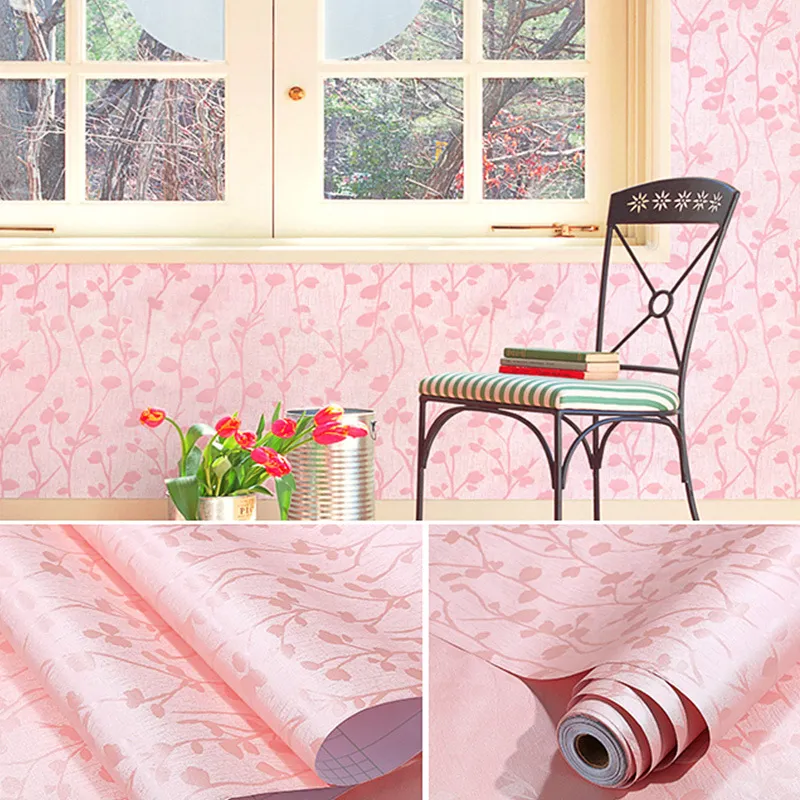
| Decorative Film | Realistic wood grain, stone, or solid color textures | Furniture lamination, interior doors, wall panels |
| Self-Adhesive Film | Pre-coated with pressure-sensitive adhesive, easy peel-and-stick application | DIY home decor, vinyl kitchen flooring, wall stickers |
| Anti-Static Film | Dissipates electrostatic charges, prevents dust attraction | Electronics manufacturing, cleanroom environments |
| Floor Film | High wear resistance, non-slip surface options, UV cured coating | Residential and commercial resilient flooring |
Choosing pvc flexible film over traditional materials like wood veneer or metal sheets yields significant advantages in manufacturing and end-use performance. The material’s inherent properties contribute to both cost reduction and enhanced product longevity.
The utility of pvc flexible film spans countless sectors. Its ability to mimic natural textures while providing functional protection makes it a favorite among architects, interior designers, and product engineers.
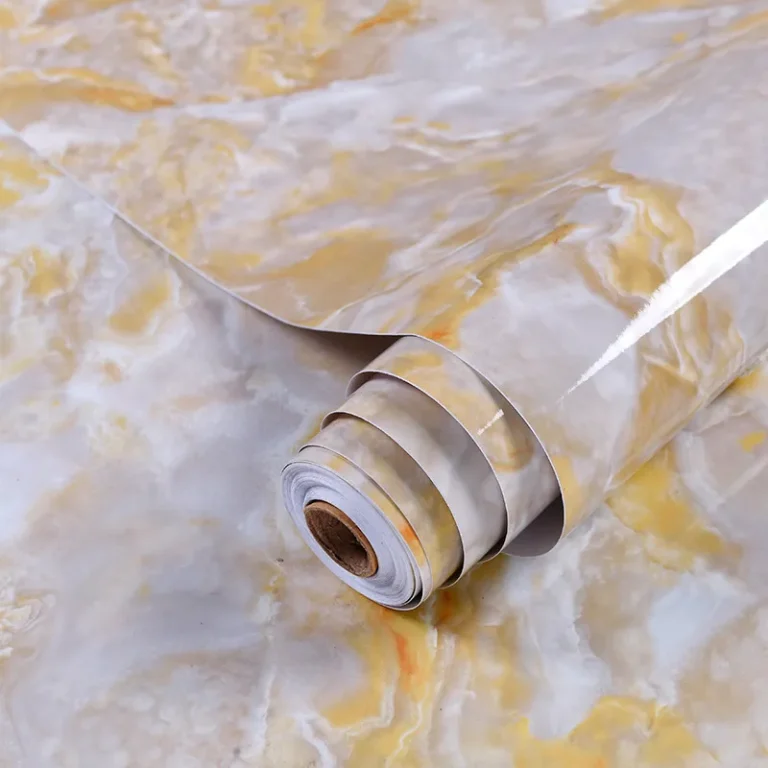
In modern furniture manufacturing, pvc flexible film is applied to MDF and particleboard to create seamless surfaces for wardrobes, tabletops, and kitchen cabinets. The industry relies heavily on marble film and solid color wallpapers to achieve a premium look without the weight or cost of natural stone.
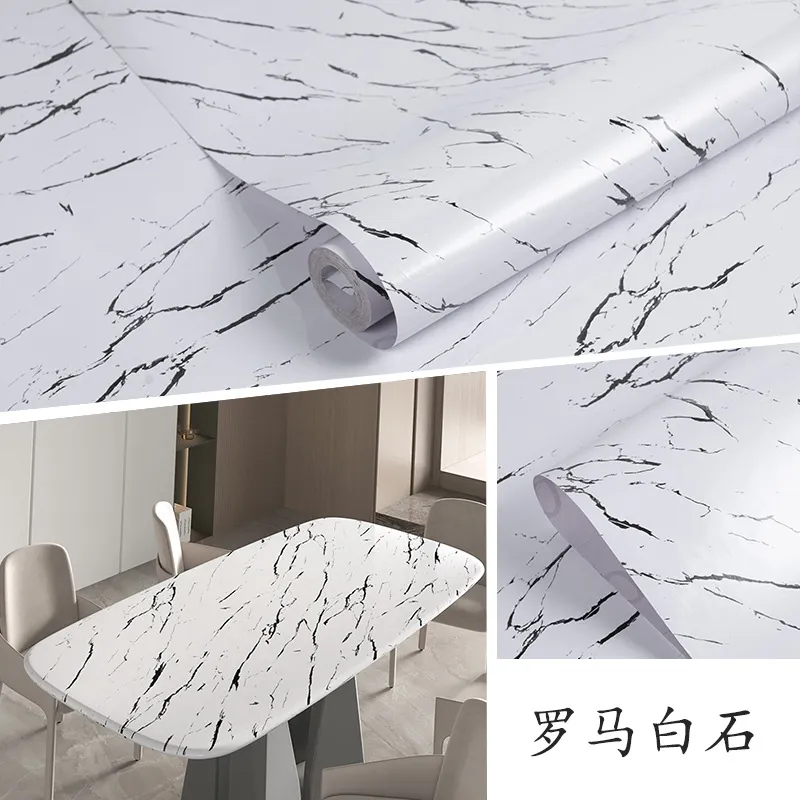
PVC films are extensively used as wall coverings, ceiling membranes, and window profiles. PVC skirting film provides a durable and hygienic baseboard solution, while waterproof decorative films protect walls in humid environments. The material’s compliance with international standards ensures its suitability for large-scale architectural projects.
For sensitive electronic components, anti-static PVC films prevent electrostatic discharge damage. Transparent calendered films also serve as protective masks for screens and metal panels during fabrication and transit, temporarily shielding against scratches without leaving residue.
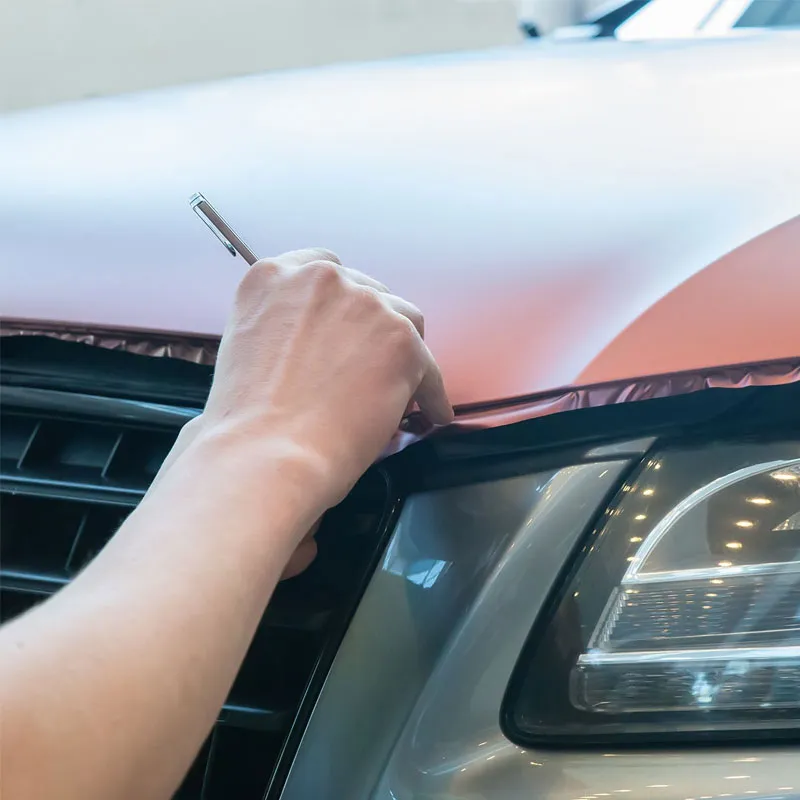
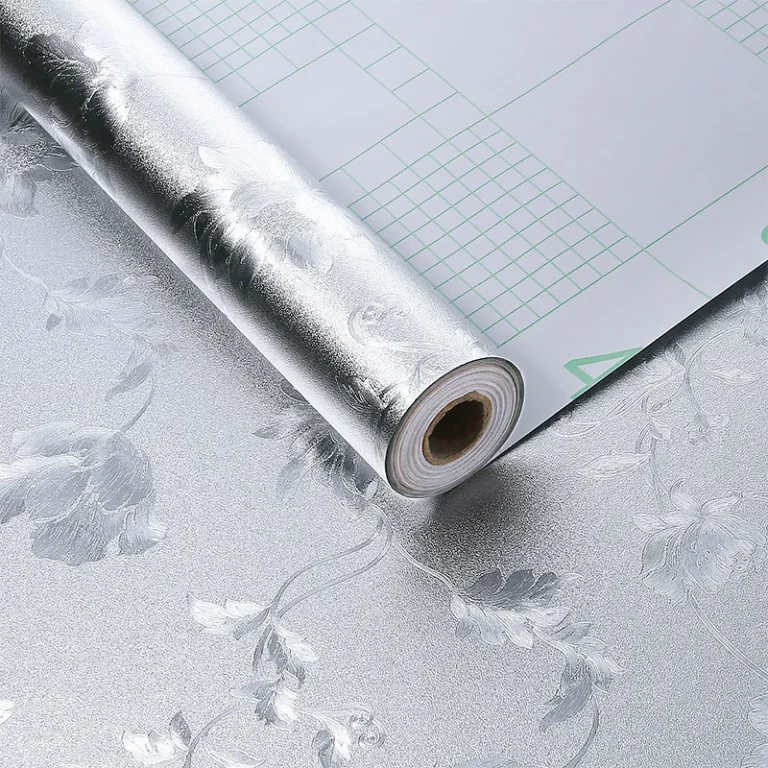
From kitchen oil-proof aluminum foil alternatives to stylish floor stickers, PVC films are transforming home improvement. Vinyl kitchen flooring and bathroom floor stickers offer a quick, budget-friendly renovation method that withstands heavy foot traffic and moisture.
Selecting the optimal pvc flexible film requires evaluating technical specifications against your project’s physical demands. Consider the substrate material, expected wear and tear, and aesthetic goals prior to making a decision.
Determine if the film is for indoor decorative use, where standard lightfastness is sufficient, or for outdoor exposure, which demands UV-stabilized grades. For areas with high moisture, such as kitchens and bathrooms, prioritize completely waterproof and anti-fog variants. The glossy wardrobe film is excellent for clean, dry indoor surfaces, whereas specialized floor films feature wear layers for constant friction.
Align the embossing depth and finish with the design theme. Deep grain structures create realistic wood sensations, while matte solid color films fit minimalist Scandinavian interiors. Always request physical swatches rather than relying solely on digital previews, as lighting significantly impacts the perception of gloss and texture.
Review the product datasheet for metrics such as tensile strength and elongation at break. Testing methodologies like Plastic Film Tensile Testing ensure the film can withstand stretching during deep drawing lamination. For flooring applications, confirm the tear resistance and Plastic Film Friction Testing results to guarantee slip resistance and durability under load.
Ensure the film meets regulatory requirements for your specific market. Look for phthalate-free formulations and compliance with REACH or RoHS directives. Industry guidance, such as ASTM Plastics Standards and PVC Life Cycle Assessment data, aids in selecting environmentally responsible products that do not compromise on performance.
The bonding method is crucial. Films intended for flat lamination using water-based adhesives differ from those designed for vacuum membrane pressing. Verify the recommended application temperature and pressure with your film supplier to avoid peeling or bubbling post-installation.
While exploring pvc flexible film options, you will encounter standard calendered films and multi-layer composites. Calendered films offer superior optical clarity, making them the preferred choice for transparent packaging and optical-grade laminates. Multi-layer composites, on the other hand, combine rigid cores with soft outer layers for high-impact scratch resistance. The Plastic Film Classification system helps standardize these distinctions.
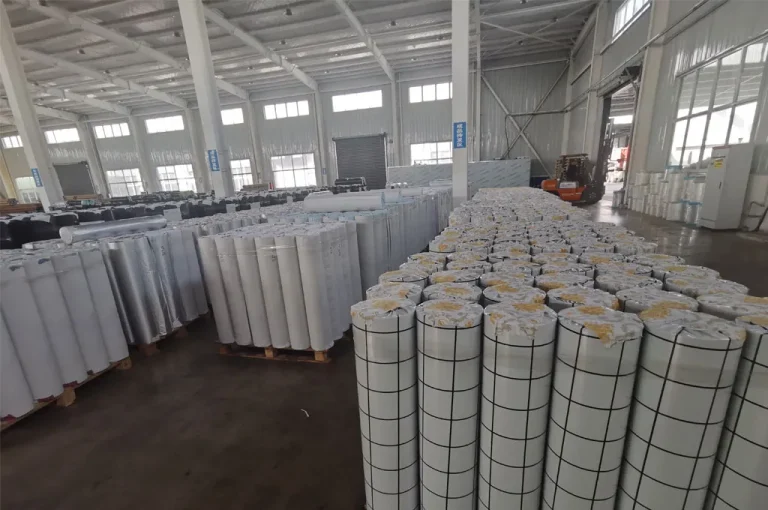
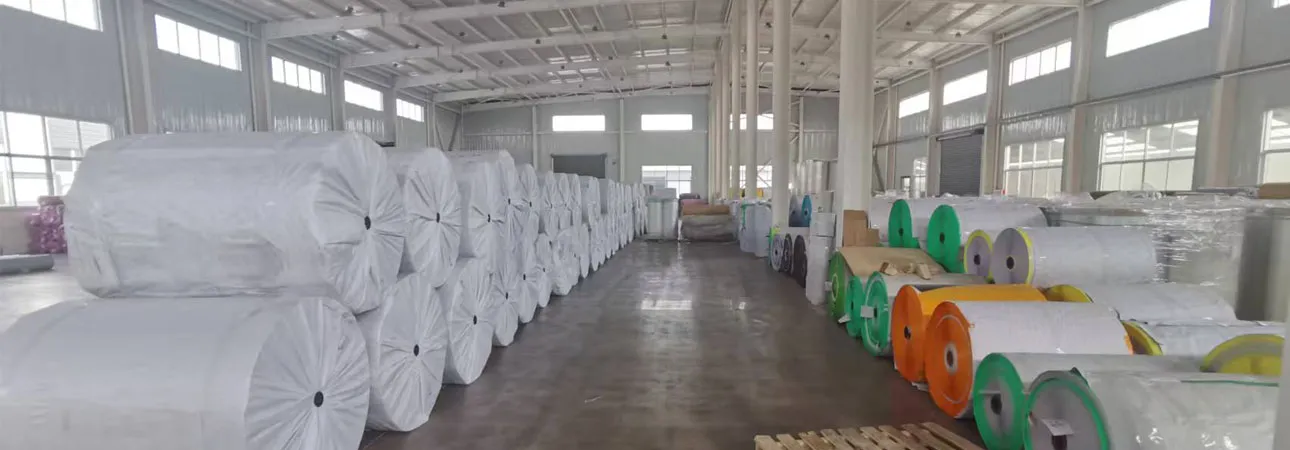
For a comprehensive selection of PVC flexible films, including solid color wallpaper and functional industrial films, Henan Pulivk New Materials Co., Ltd. provides integrated manufacturing solutions from raw material processing to final packaging. With advanced calendering lines and a global export network, the factory ensures rapid lead times and strict quality control. Requesting custom samples allows you to thoroughly evaluate the material’s adhesion to your designated substrate before committing to a full production order.
Rigid PVC contains minimal or no plasticizers, resulting in a hard, unyielding material typically used for pipes and window frames. Flexible PVC film incorporates plasticizers, giving it elasticity and pliability suitable for upholstery, tarpaulins, and shrink-wrap applications.
Yes, PVC is a thermoplastic material that can be mechanically recycled multiple times without severe degradation of its mechanical properties. The PVC Recycling and Circularity initiatives in Europe and North America are continually improving collection and reprocessing rates. Look for suppliers participating in circular economy programs to reduce environmental impact.
Use a soft microfiber cloth dampened with warm water and a mild neutral detergent. Avoid abrasive scrubbers, strong acids, alkaline cleaners, and solvents containing acetone, as these can etch or permanently stain the glossy surface. Regular cleaning prevents buildup in deep embossed textures.
For flat panel lamination on MDF, 0.12mm to 0.30mm is standard. For contoured profile wrapping using vacuum presses, thinner gauges between 0.08mm and 0.15mm are preferable to prevent cracking at sharp radius corners. Always consult standard testing methods like Plastic Film Thickness Testing to verify uniformity.
Certain formulations of PVC film are approved for food contact applications, provided they use authorized plasticizers and stabilizers. Always verify that the product adheres to regional legislation such as the Vinyl Chloride Food Contact Regulations and the relevant chapters of 21 CFR. Standard decorative films should not be used for direct food contact unless explicitly certified.