Address
304 North Cardinal St.
Dorchester Center, MA 02124
Work Hours
Monday to Friday: 7AM - 7PM
Weekend: 10AM - 5PM
Address
304 North Cardinal St.
Dorchester Center, MA 02124
Work Hours
Monday to Friday: 7AM - 7PM
Weekend: 10AM - 5PM


 ByPulivk
Hot laminating PVC film has become a cornerstone in modern surface decoration and protection, offering a unique combination of durability, versatility, and aesthetic appeal. Whether you are renovating furniture, upgrading interior walls, or enhancing commercial displays, understanding the benefits and selection criteria of hot laminating PVC film can significantly impact your project’s outcome. This comprehensive guide explores the key advantages, diverse applications, and essential factors to consider when choosing the right film for your specific needs.
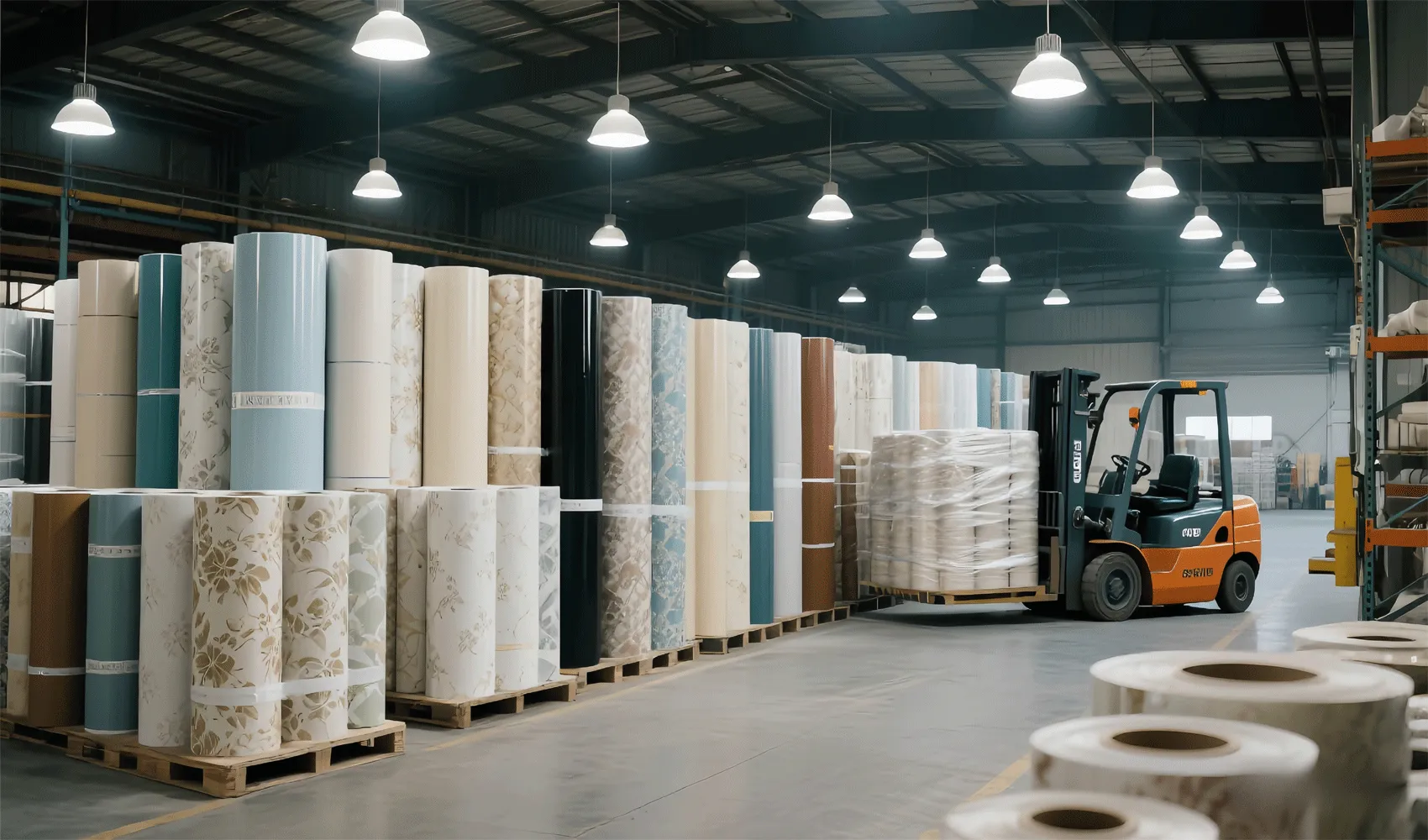
Hot laminating PVC film is a thermoplastic material designed to be applied to various substrates using heat and pressure. The process activates a heat-sensitive adhesive layer, creating a permanent bond between the film and the surface. This method is widely preferred over cold lamination for applications requiring superior adhesion, long-term durability, and a seamless finish. The film itself is manufactured through precision calendered PVC film processes, ensuring consistent thickness and quality across every roll.
The hot laminating PVC film market has grown substantially due to increasing demand in furniture manufacturing, construction, and automotive industries. Its ability to mimic natural materials like wood, stone, and metal at a fraction of the cost makes it an attractive solution for both residential and commercial projects.
One of the primary advantages of hot laminating PVC film is its exceptional durability. When properly applied through thermal activation, the film forms a robust protective layer that resists scratches, impacts, and daily wear. This makes it ideal for high-traffic areas such as kitchen countertops, flooring, and commercial furniture. The heat-activated bond is significantly stronger than pressure-sensitive alternatives, ensuring the film remains intact even under demanding conditions.
Compared to using genuine wood, stone, or metal materials, hot laminating PVC film offers a remarkably affordable alternative without compromising on visual appeal. Modern manufacturing techniques allow for highly realistic textures and patterns, including popular wood grain PVC film options that faithfully reproduce natural timber aesthetics. This cost efficiency extends beyond material savings to include reduced labor costs during installation and minimal maintenance requirements over the product’s lifetime.
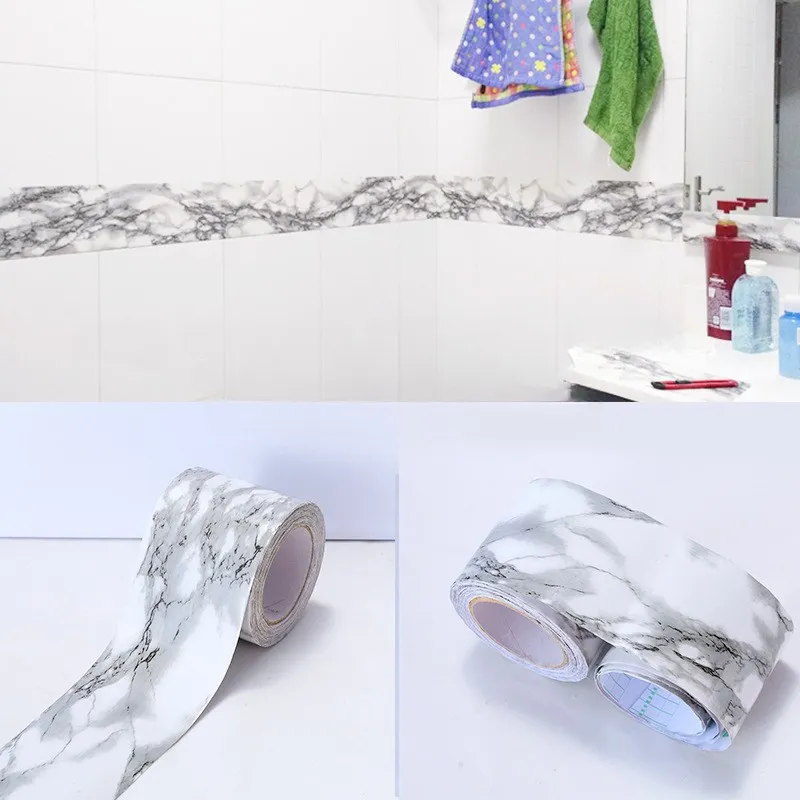
The design possibilities with hot laminating PVC film are virtually limitless. From PVC marble film that captures the elegance of natural stone to 3D silk texture film that adds depth and sophistication, the range of available finishes continues to expand. Solid colors, metallic effects, brushed textures, and embossed patterns are all achievable, giving designers and manufacturers complete creative freedom.
Quality hot laminating PVC film exhibits excellent resistance to moisture, chemicals, and UV exposure when properly formulated. This characteristic is particularly valuable in environments such as bathrooms, kitchens, and healthcare facilities where hygiene and cleanability are paramount. The non-porous surface prevents liquid penetration, reducing the risk of substrate damage and microbial growth.
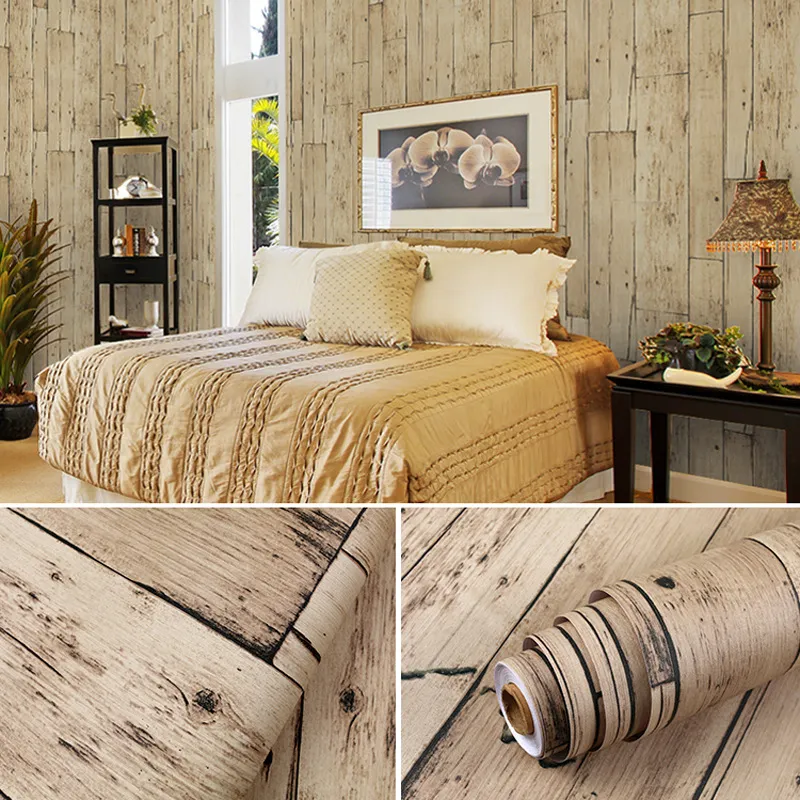
The versatility of hot laminating PVC film has led to its adoption across numerous sectors. The table below summarizes key application areas and recommended film types:
| Industry | Application | Recommended Film Type |
|---|---|---|
| Furniture Manufacturing | Cabinet doors, tabletops, wardrobes | Glossy wardrobe film, wood grain, matte finishes |
| Building & Construction | Wall panels, ceiling tiles, door skins | Stone grain film, solid color film, embossed film |
| Flooring | Residential and commercial flooring | PVC floor film with wear layer protection |
| Electronics & Appliances | Appliance panels, protective covers | Anti-static film, brushed metal film |
| Advertising & Exhibitions | Display boards, exhibition stands | Glossy film, pearlescent film, printable film |
| Automotive | Interior trim, dashboard panels | UV-resistant film, soft-touch film |
Selecting the appropriate hot laminating PVC film requires careful evaluation of several technical and practical factors. Making an informed decision ensures optimal performance, longevity, and visual satisfaction.
The thickness of hot laminating PVC film typically ranges from 0.03 mm to 0.50 mm. Thinner films are more flexible and suitable for curved or contoured surfaces, while thicker films provide enhanced durability and are better suited for flat, high-impact areas. Consider the substrate geometry and expected wear when determining the appropriate gauge. For furniture edges and detailed profiles, a more pliable film with good elongation properties is essential to prevent cracking or delamination.
Different hot laminating PVC film products utilize varying adhesive formulations, each with specific activation temperature ranges. It is crucial to match the film’s thermal requirements with your laminating equipment’s capabilities. Most films activate between 80°C and 120°C, but specialty products may require higher or lower temperatures. Using incompatible settings can result in poor adhesion, bubbling, or surface defects. Always request technical data sheets from your supplier and conduct small-scale adhesion tests before full production runs.
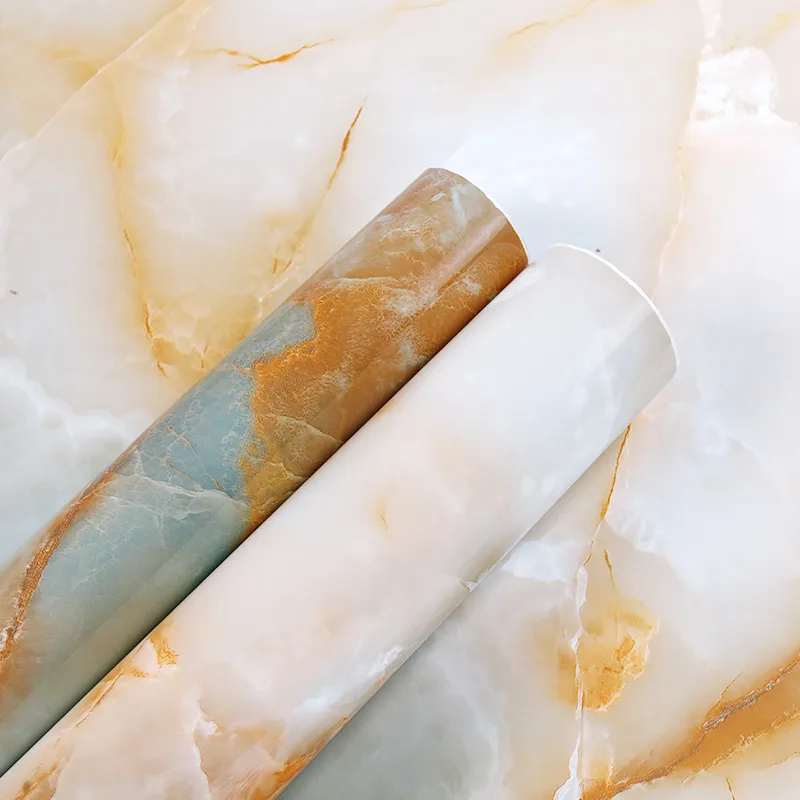
The tactile and visual qualities of hot laminating PVC film are defined by its surface finish. Options include:
When sourcing hot laminating PVC film, prioritize suppliers who adhere to recognized international standards. Products tested according to ASTM PVC Film Standard specifications ensure consistent physical properties and performance characteristics. Key tests include tensile strength, tear resistance, dimensional stability, and color fastness. Additionally, verify that the film meets environmental regulations such as RoHS and REACH if your products are destined for markets with strict chemical compliance requirements.
Not all hot laminating PVC film adheres equally well to every substrate. Common base materials include MDF, particleboard, plywood, aluminum, and certain plastics. The film’s adhesive must be compatible with the substrate’s surface energy and chemical composition. For challenging materials, a primer or surface treatment may be necessary to achieve optimal bonding. Discuss your specific substrate requirements with the film manufacturer to avoid compatibility issues.
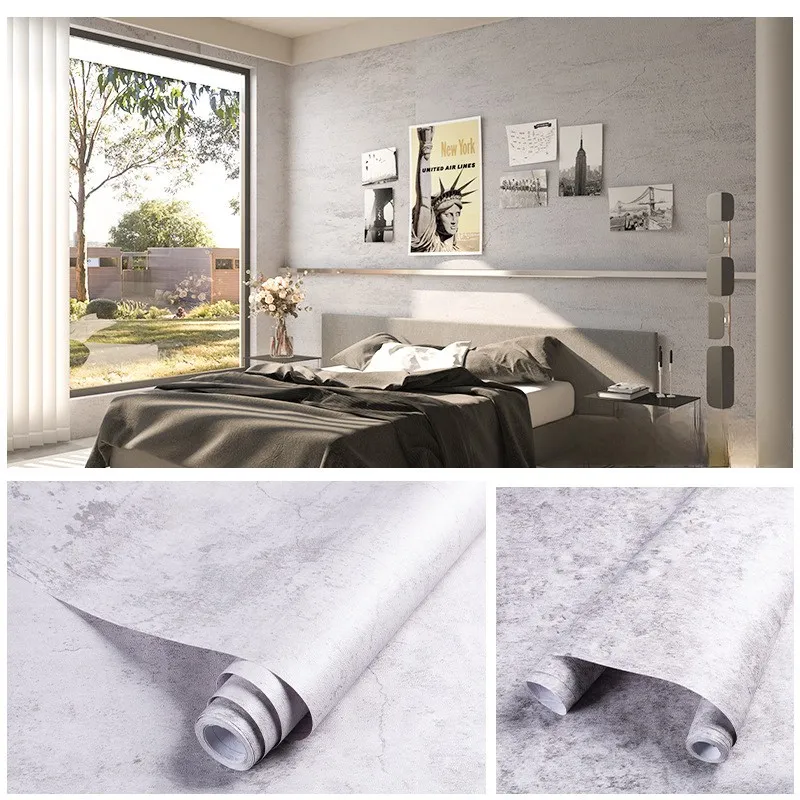
Achieving professional-quality results with hot laminating PVC film requires attention to several process parameters. Temperature control must be precise and uniform across the entire surface area. Pressure should be distributed evenly to prevent air entrapment and ensure complete adhesive activation. The substrate surface must be clean, dry, and free from dust, oil, or contaminants that could compromise bond strength. Post-lamination cooling and conditioning also play important roles in final film stability and appearance.
The quality of hot laminating PVC film is directly tied to the manufacturing capabilities and quality control systems of the producer. Henan Pulivk New Materials Co., Ltd. operates advanced calendering lines, printing lines, and split-packaging lines under one roof, enabling complete control over every production stage from raw material processing to finished packaging. This integrated approach ensures consistent film quality, stable lead times, and cost advantages that benefit downstream partners. A manufacturer with comprehensive in-house production can also respond more flexibly to custom requirements, whether for specific colors, textures, thicknesses, or packaging configurations.
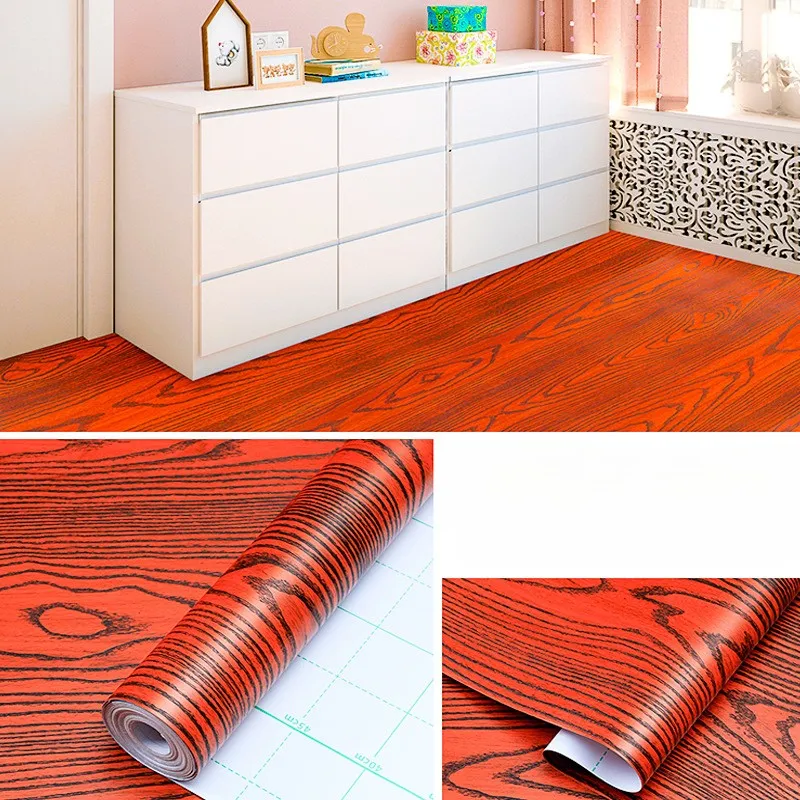
Properly applied hot laminating PVC film requires minimal maintenance to retain its appearance over time. Regular cleaning with a soft, damp cloth and mild detergent is sufficient for most applications. Avoid abrasive cleaners, steel wool, or strong solvents that could scratch or dull the film surface. With appropriate care, high-quality films can maintain their color, texture, and structural integrity for many years, even in demanding environments. The investment in quality film and professional installation pays dividends through reduced replacement frequency and sustained aesthetic appeal.
Choosing the right hot laminating PVC film involves balancing aesthetic preferences, functional requirements, and budget considerations. By understanding the key benefits, evaluating application-specific needs, and partnering with a reputable manufacturer, you can achieve outstanding results that enhance both the value and appearance of your products. Whether you need realistic wood grain finishes, elegant marble patterns, or durable floor protection films, the right choice starts with informed decision-making and reliable supply chain partnerships.