Address
304 North Cardinal St.
Dorchester Center, MA 02124
Work Hours
Monday to Friday: 7AM - 7PM
Weekend: 10AM - 5PM
Address
304 North Cardinal St.
Dorchester Center, MA 02124
Work Hours
Monday to Friday: 7AM - 7PM
Weekend: 10AM - 5PM


 ByPulivk
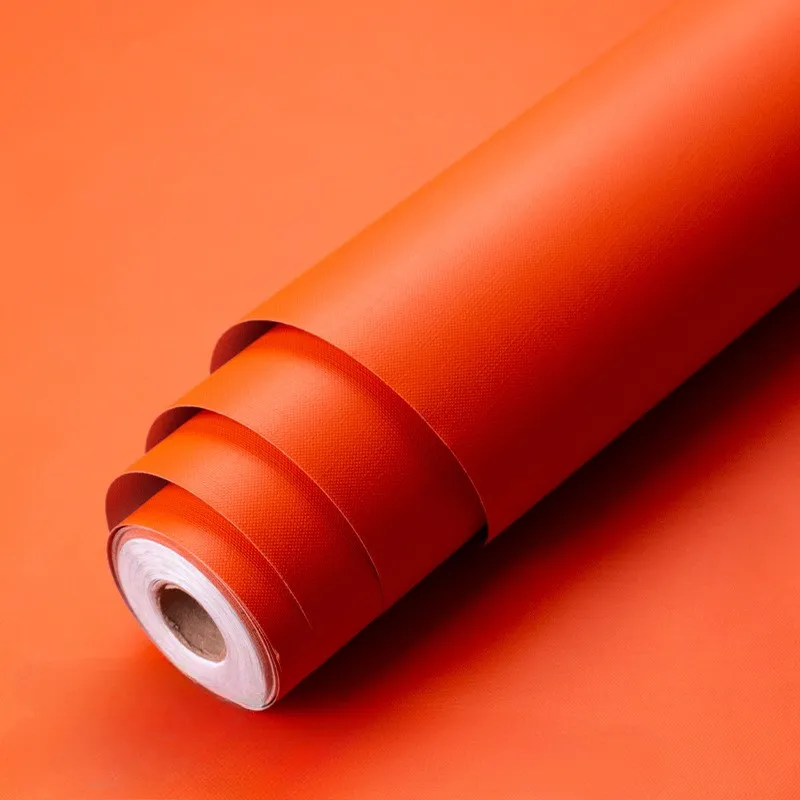
Polyvinyl chloride (PVC) film is one of the most versatile materials used across industries today — from furniture surfaces and interior wall panels to automotive interiors and medical packaging. Understanding how PVC film is made reveals the precision engineering and material science behind every roll. The process transforms raw PVC resin into a continuous, flexible sheet with controlled thickness, texture, and performance properties. Whether you are sourcing calendered film for industrial lamination or evaluating wood grain film for furniture manufacturing, knowing the production steps helps you make informed purchasing decisions.
PVC film is a thermoplastic sheet produced primarily through calendering or extrusion processes. It can be formulated as rigid, semi-rigid, or flexible material depending on the plasticizer content. The film is widely used in decorative surfacing, packaging, graphic arts, and protective applications. According to the ASTM PVC Film Standard, nonrigid vinyl chloride plastic film and sheeting must meet specific requirements for thickness tolerance, tensile strength, and dimensional stability.
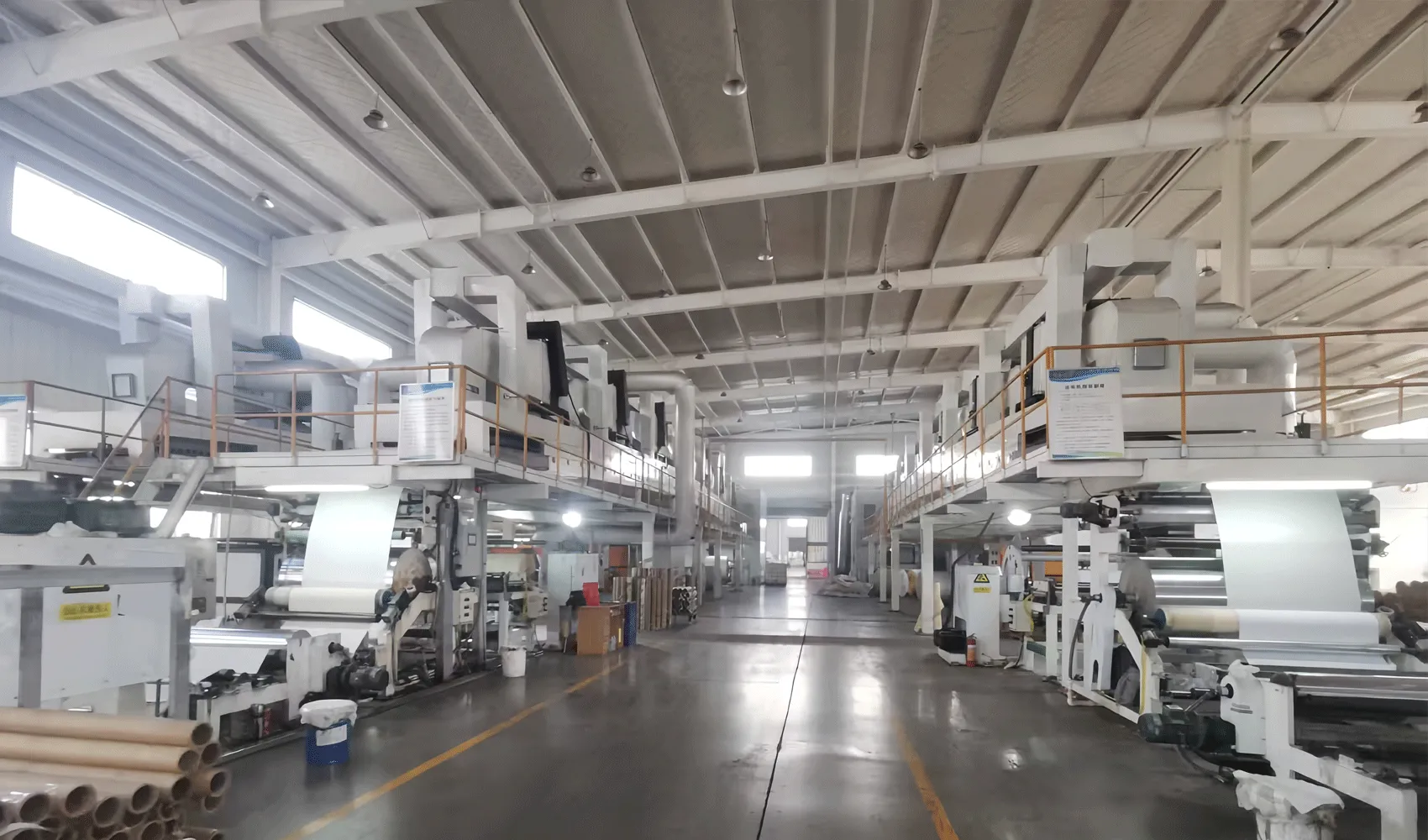
Before exploring how PVC film is made step by step, it’s essential to understand the core ingredients that determine the film’s final characteristics:
The production of PVC film involves several sequential stages, each critical to achieving consistent quality. Modern facilities with in-house calendering, printing, and split-packaging lines can control every stage from raw material intake to final shipment. Here is the detailed breakdown:
The process begins with precise formulation. Raw materials — PVC resin, plasticizers, stabilizers, pigments, and modifiers — are weighed according to carefully developed recipes. The formulation determines key performance attributes such as flexibility, color, opacity, and weather resistance. Digital batching systems ensure accuracy, as even minor deviations in plasticizer or stabilizer ratios can affect film quality. This stage directly impacts compliance with international standards for ISO film tensile testing requirements.
The weighed components are transferred to a high-speed mixer where they are blended under controlled heat and shear conditions. The mixing process has two distinct phases:
| Phase | Temperature Range | Purpose |
|---|---|---|
| Hot Mixing | 100°C – 120°C | Absorbs plasticizers into PVC resin particles; activates stabilizers |
| Cold Mixing | 40°C – 60°C | Cools the dry blend to prevent agglomeration; prepares for feeding |
The dry blend is fed into a continuous mixer or banbury mixer where it undergoes plasticization — the transformation from powder to a homogeneous, molten mass. Under controlled heat (typically 150°C – 200°C) and mechanical shear, the PVC resin particles absorb the plasticizer and fuse together. This gelation stage is critical: incomplete gelation results in weak spots and poor mechanical properties, while over-processing can cause thermal degradation. The output is a gelled compound ready for the calendering line.
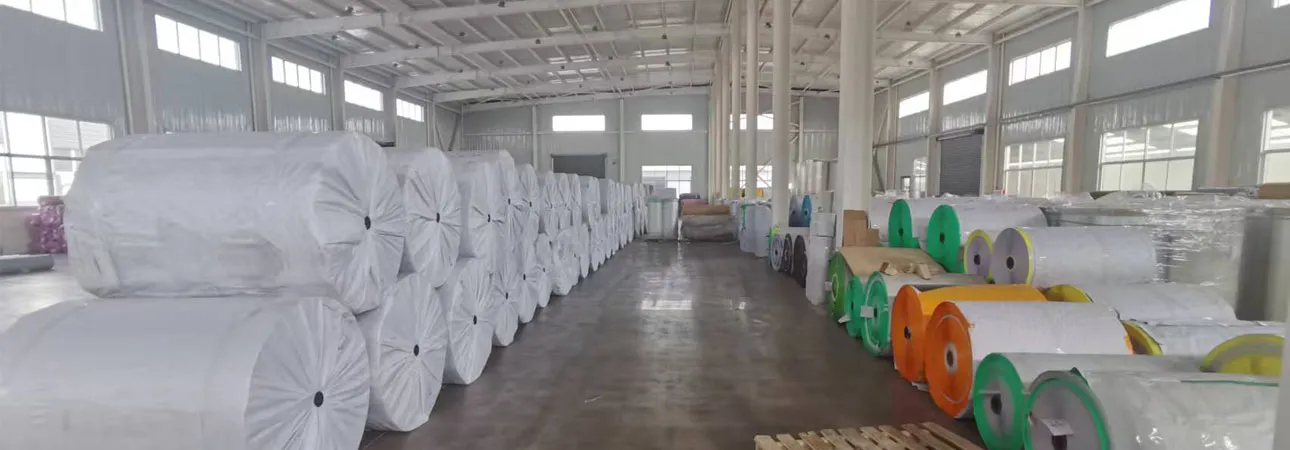
Calendering is the defining stage in how PVC film is made. The gelled compound passes through a series of heated, counter-rotating rollers that progressively squeeze and stretch the material into a continuous sheet of precise thickness. A typical calendering line features a multi-roll configuration:
| Roll Configuration | Typical Layout | Thickness Capability |
|---|---|---|
| 4-Roll L-Type | Compact design; rolls arranged in L-shape | 0.05 mm – 0.50 mm |
| 4-Roll Inverted L-Type | Improved access for maintenance and film handling | 0.03 mm – 0.35 mm |
| 5-Roll or 6-Roll | Extended configurations for superior gauge control | 0.03 mm – 0.50 mm |
Roll temperatures, speeds, and gap clearances are precisely controlled. Transparent film, frosted film, embossed film, pearlescent film, color film, antistatic film, and self-adhesive film can all be produced on the same calendering line with appropriate adjustments. Multi-layer composite films can also be created by laminating different formulations together during calendering.
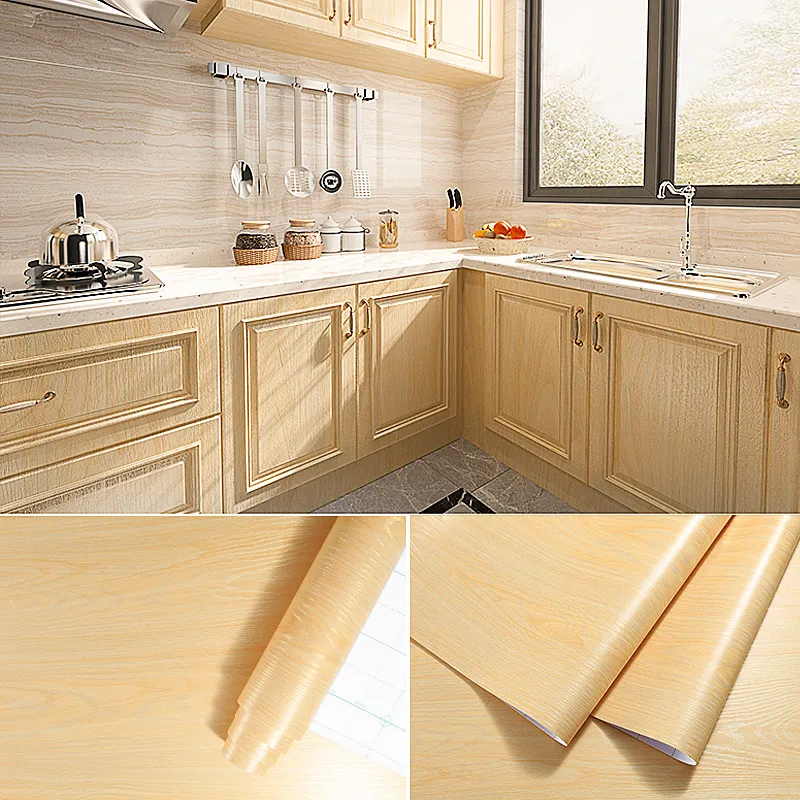
Immediately after calendering, the hot film passes through an embossing station where surface patterns are impressed into the material. An engraved embossing roll presses against a rubber backup roll, transferring textures such as:
The embossed film passes over a series of water-cooled or chilled rollers that rapidly bring the temperature down to ambient levels. Controlled cooling is essential to lock in the surface texture, prevent warping, and ensure PVC film dimensional stability. If cooling is too rapid, internal stresses can build up and cause curling or distortion during later use. Gradual, uniform cooling across the full web width is maintained through automated temperature monitoring systems.
Online gauge measurement systems continuously scan the film width for thickness uniformity. Optical inspection systems detect surface defects such as gels, pinholes, contamination, and uneven texture. Key quality parameters monitored include:
| Quality Parameter | Testing Method Reference | Acceptance Criteria |
|---|---|---|
| Thickness Tolerance | Plastic Film Thickness Testing | ±5% of nominal thickness |
| Tensile Strength | Plastic Film Tensile Testing | Application-dependent; minimum specified per product grade |
| Tear Resistance | Plastic Film Tear Resistance | Minimum values per product specification |
| Surface Gloss Level | Plastic Film Gloss Testing | Matched to gloss target range (matte/satin/glossy) |
The film edges are trimmed to remove any irregularities and achieve the specified width. For products requiring narrower rolls, the master roll is slit into multiple smaller rolls. Modern slitting equipment uses rotary blades with adjustable spacing to accommodate different width requirements — widths up to 1500 mm are achievable on standard calendering lines.
Depending on the end application, the film may undergo additional surface treatments:
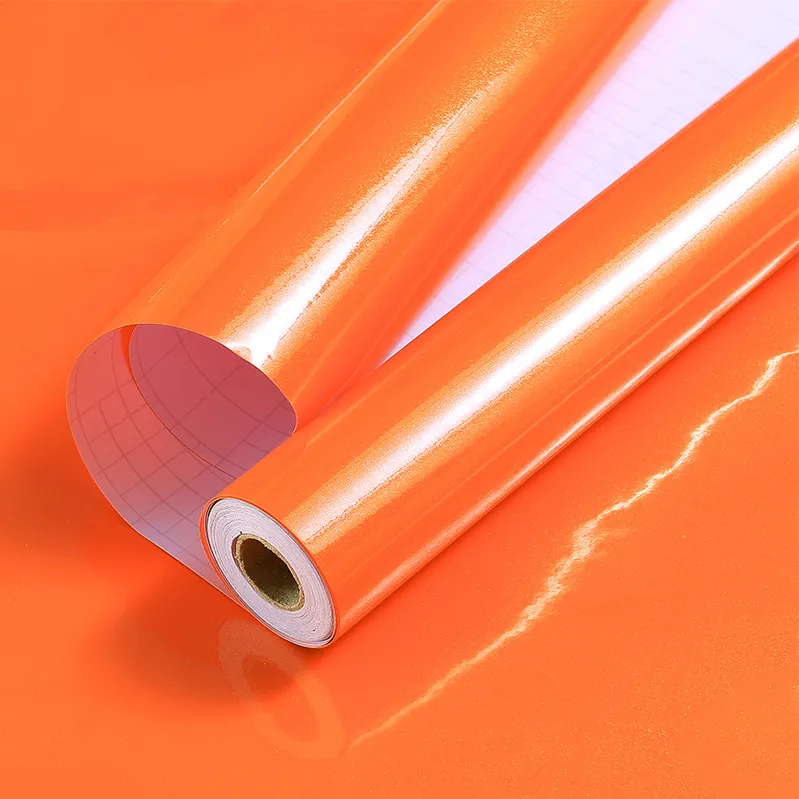
For decorative applications, the film may proceed to a printing line where gravure or digital printing applies wood grain patterns, stone effects, solid colors, or custom designs. Eco-friendly, non-toxic inks are used to ensure the film remains suitable for indoor decoration and human contact. Henan Pulivk New Materials Co., Ltd. operates integrated printing lines that can reproduce over 2,000 decorative designs, from subtle matte textures to vibrant marble film patterns for high-end interiors.
The finished film is wound onto cardboard or plastic cores under controlled tension. Proper winding tension is crucial — too tight and the film may block or deform; too loose and the roll may telescope during handling. Roll diameters and lengths are specified according to customer requirements, with typical roll lengths ranging from 50 to 500 meters depending on film thickness and application.
Each roll is individually wrapped in dust-proof PE film or kraft paper to protect against contamination and moisture. Labels with product specifications — including thickness, width, length, color code, batch number, and production date — are applied for traceability. Rolls are then packed in cartons or arranged on pallets for safe storage and transport. Split packaging services can cut full master rolls into smaller, fixed-length rolls based on specific requirements.
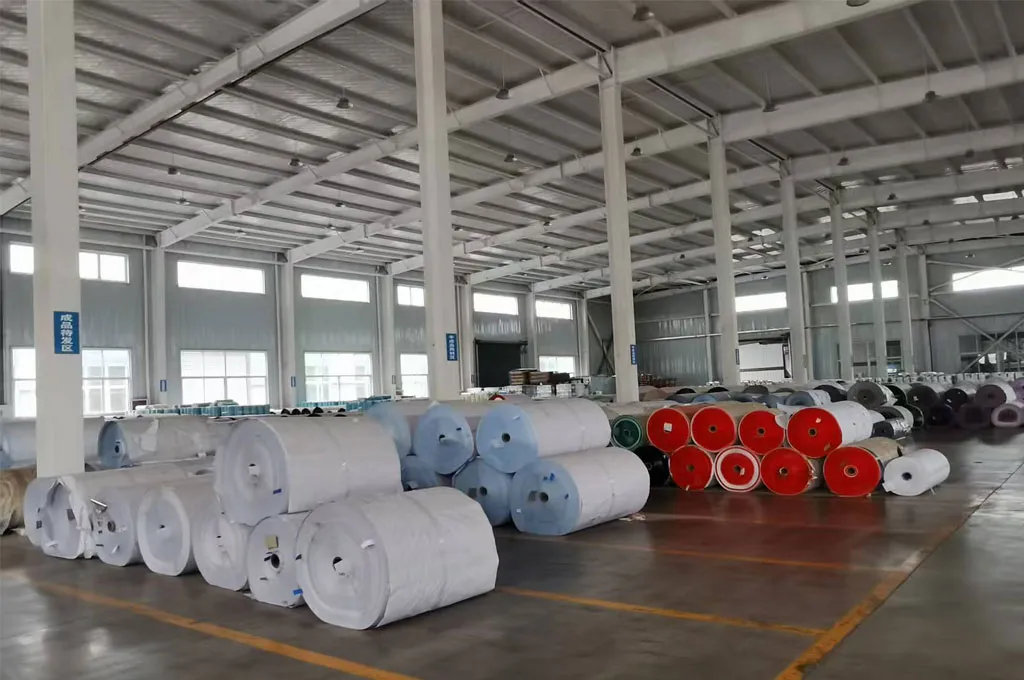
Comprehensive quality control spans the entire manufacturing chain. Multiple inspection checkpoints verify:
Products can be formulated to comply with international standards such as RoHS, REACH, and specific food-contact regulations when required.
Modern PVC film manufacturing increasingly prioritizes environmental responsibility. Lead-free and phthalate-free formulations are now standard offerings. The PVC circular economy framework promotes recycling and waste reduction throughout the product lifecycle. Production scrap can be reprocessed and reintroduced into certain film grades, minimizing material waste. Water-based and solvent-free ink systems further reduce the environmental footprint of printed decorative films.
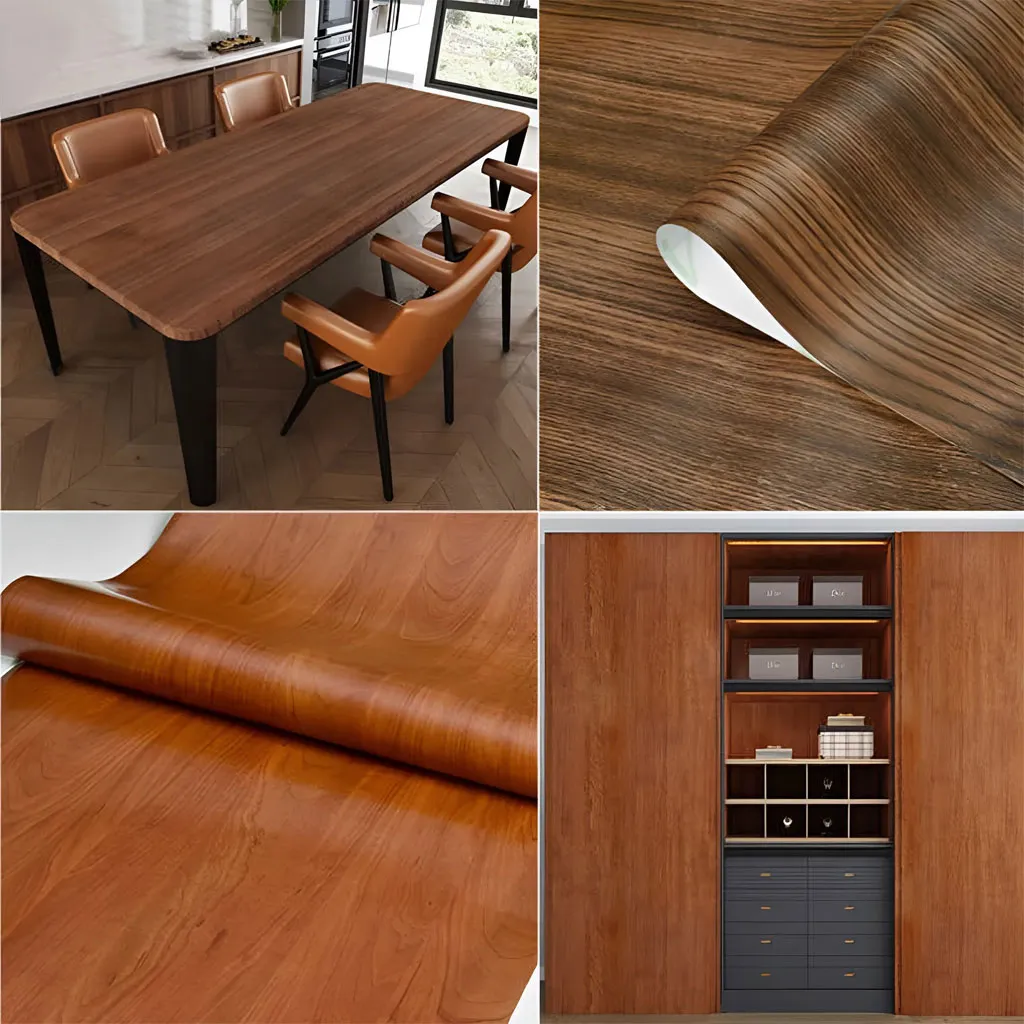
The versatility of PVC film is evident in its wide range of applications across multiple industries:
| Industry Sector | Typical Applications | Film Types Used |
|---|---|---|
| Furniture Manufacturing | Cabinet doors, table tops, wardrobe surfaces, MDF lamination | Wood grain, matte, glossy, 3D embossed |
| Building and Construction | Wall panels, ceiling tiles, skirting boards, door skins | Stone grain, solid color, waterproof |
| Electronics and Appliances | Appliance panels, protective films, insulation layers | Anti-static, brushed texture, metal finish |
| Advertising and Exhibitions | Lightbox films, banners, exhibition backdrops, stickers | Transparent, translucent, printable |
| Medical and Cleanroom | Protective barriers, sterile packaging, cleanroom curtains | Antibacterial, anti-static, clear |
When evaluating suppliers, consider these critical factors:
Understanding how PVC film is made empowers buyers to ask the right questions and select products that match their specific performance and aesthetic requirements. From the initial formulation to the final packaged roll, each manufacturing step influences the quality, durability, and appearance of the finished film.