Address
304 North Cardinal St.
Dorchester Center, MA 02124
Work Hours
Monday to Friday: 7AM - 7PM
Weekend: 10AM - 5PM
Address
304 North Cardinal St.
Dorchester Center, MA 02124
Work Hours
Monday to Friday: 7AM - 7PM
Weekend: 10AM - 5PM


 ByPulivk
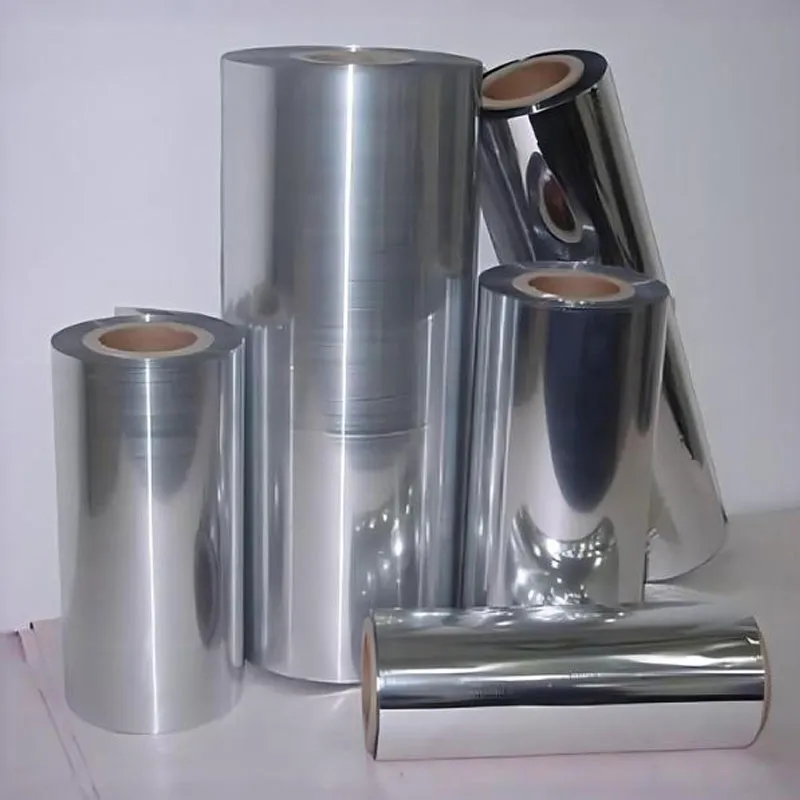
Understanding how to calculate the density of PVC film is essential for quality control, material selection, and ensuring product performance across various applications. Density directly influences the film’s mechanical properties, flexibility, transparency, and suitability for specific uses such as calendered film production, decorative laminates, and protective coverings. Whether you are a manufacturer, quality inspector, or procurement specialist, mastering this calculation helps verify material consistency and compliance with industry standards like the ASTM PVC Film Standard.
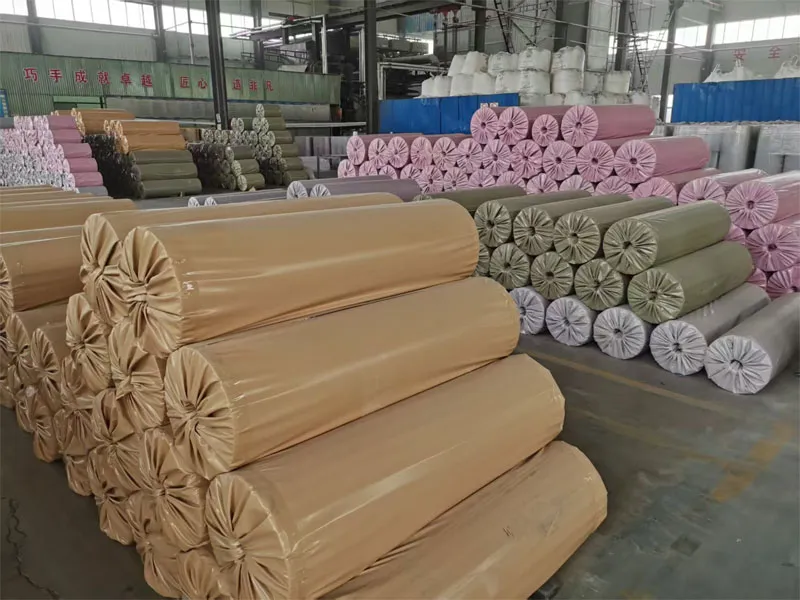
The fundamental formula for calculating density is straightforward. Density (ρ) equals mass (m) divided by volume (V). For PVC film, this translates to:
ρ = m / V
Where:
For thin plastic films, volume calculation requires precise thickness measurement — a step where many errors occur. Refer to Plastic Film Thickness Testing standards to ensure your measurements align with recognized methods.
Accurate density measurement depends on having the right instruments. Below is a checklist of essential tools:
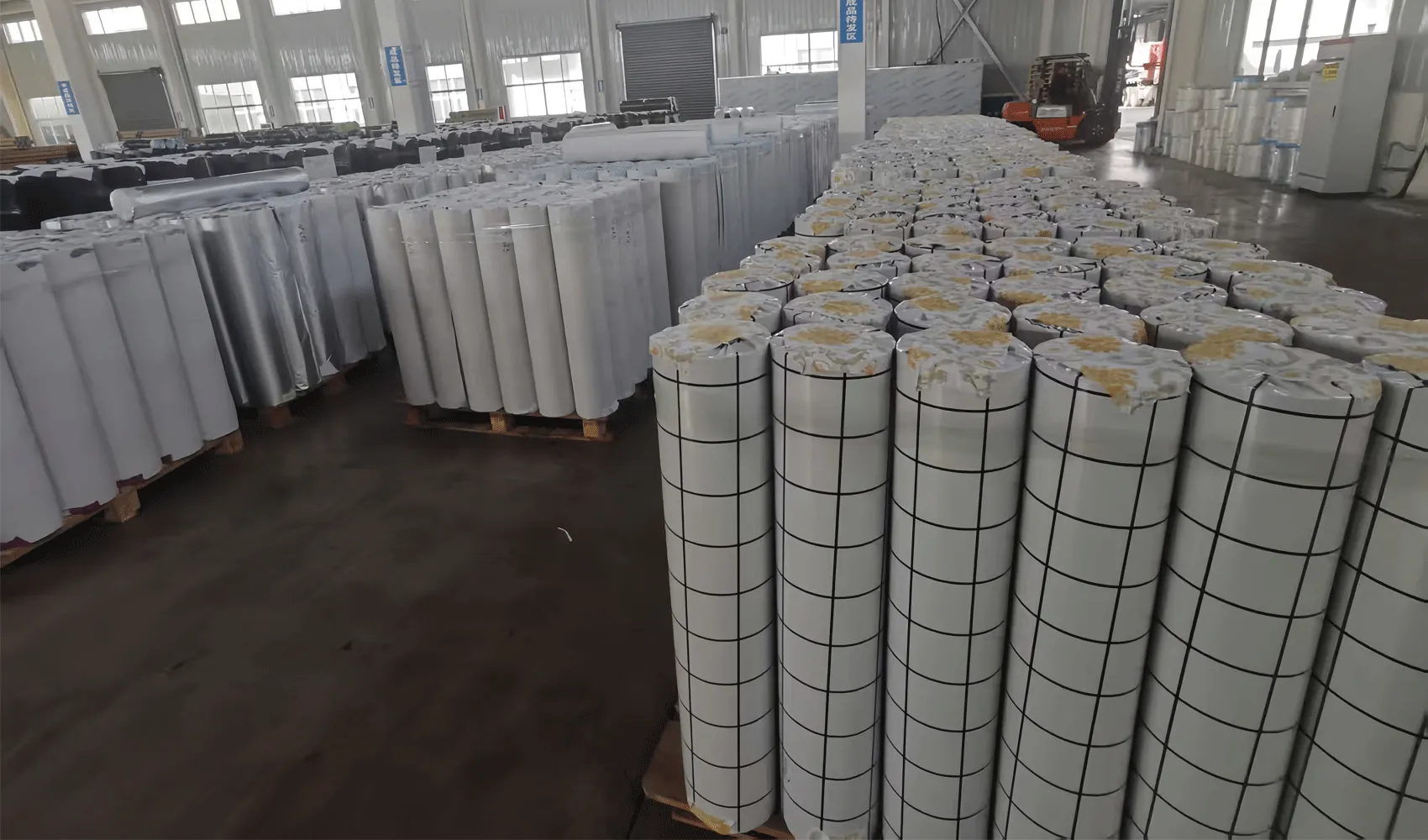
Follow these steps carefully to obtain reliable density values. Performing at least five measurements and averaging the results improves accuracy.
Cut a rectangular or square specimen from the PVC film. A sample size of 10 cm × 10 cm is commonly used. Ensure the edges are clean and straight. Avoid wrinkled or stretched areas of the film, as these can distort volume calculations.
Using a calibrated ruler or caliper, measure the length and width of the sample at multiple points and record the average. For thickness, use a digital micrometer and take readings at five different spots across the film surface. Calculate the average thickness from these readings. Consistent thickness measurement is critical — consult ISO Film Thickness Standard guidelines for best practices.
Multiply the average length, width, and thickness to determine the volume in cubic centimeters (cm³):
Volume (cm³) = Length (cm) × Width (cm) × Thickness (cm)
Place the film sample on the analytical balance and record its mass in grams. Ensure the balance is calibrated and the sample is free from dust or static electricity, which can affect readings.
Divide the mass by the volume to obtain the density. For example, if a PVC film sample weighs 2.85 g and has a calculated volume of 2.10 cm³, the density is:
ρ = 2.85 g / 2.10 cm³ = 1.36 g/cm³
This falls within the expected range for standard PVC films, which we will discuss next.

The density of PVC film varies depending on its formulation, plasticizer content, fillers, and manufacturing process. The table below provides reference ranges for common PVC film categories:
| PVC Film Type | Density Range (g/cm³) | Key Characteristics |
|---|---|---|
| Rigid PVC Film (unplasticized) | 1.35 – 1.45 | High stiffness, low flexibility |
| Flexible PVC Film (plasticized) | 1.20 – 1.35 | Softer, more elastic |
| Transparent PVC Film | 1.28 – 1.38 | High clarity, balanced properties |
| PVC Decorative Film | 1.25 – 1.42 | May include fillers and pigments |
| Foamed PVC Film | 0.55 – 1.10 | Lightweight, cellular structure |
Knowing these ranges helps verify that your calculated density aligns with the expected values for your specific film type. Significant deviations may indicate formulation issues or measurement errors. Standards such as PVC Film Dimensional Stability provide additional guidance on evaluating material consistency.
Even with the correct formula and tools, subtle factors can affect your results. The following tips address common challenges encountered during PVC film density testing:

Avoiding these frequent errors will save time and improve the reliability of your density calculations:
Calculated density values serve multiple practical purposes beyond quality verification. They help predict how the film will behave during converting processes such as slitting, laminating, and thermoforming. Density also correlates with yield — the area covered per unit weight — which directly impacts material cost calculations. A film with lower density covers more area per kilogram, offering potential cost advantages in large-scale applications.
For professionals sourcing PVC films, working with a manufacturer that maintains strict process controls ensures consistent density and reliable performance. Henan Pulivk New Materials Co., Ltd. operates integrated calendering and finishing lines with comprehensive quality checkpoints throughout production, helping customers achieve predictable results across furniture, construction, and decorative applications.

Small variations within ±3% are normal and can result from measurement tolerances, environmental conditions, or batch-to-batch formulation differences. If the deviation exceeds 5%, recheck your instruments and sample preparation procedure. Also verify whether the specification refers to the base polymer density or the formulated film density, as plasticizers and fillers alter the final value significantly.
Yes, the Archimedes principle (water displacement) can be used, but it requires careful technique. PVC film is denser than water and will sink. However, surface tension and trapped air bubbles can introduce errors. For thin films, the dimensional method described above is generally more practical and equally accurate when performed correctly.
Plasticizers typically have a lower density than PVC resin. As plasticizer content increases, the overall film density decreases. This relationship can be used as a rough indicator of plasticizer level when comparing films of similar base formulation. Flexible films with higher plasticizer content generally fall in the 1.20–1.30 g/cm³ range, while rigid films exceed 1.35 g/cm³.
Mastering density calculation enhances your ability to evaluate PVC film quality, optimize material usage, and maintain consistent production standards. With proper technique and attention to detail, this fundamental measurement becomes a powerful tool in your quality assurance process.