Address
304 North Cardinal St.
Dorchester Center, MA 02124
Work Hours
Monday to Friday: 7AM - 7PM
Weekend: 10AM - 5PM
Address
304 North Cardinal St.
Dorchester Center, MA 02124
Work Hours
Monday to Friday: 7AM - 7PM
Weekend: 10AM - 5PM


 ByPulivk
When you walk down the kitchen aisle at any supermarket, you will likely see rolls of thin, clingy film labeled as “plastic wrap.” In industrial settings or furniture manufacturing plants, you might hear the term “PVC film” used frequently. This often leads to a simple but important question: is PVC film the same as plastic wrap? While both are flexible, transparent, and made from plastic, assuming they are identical can lead to costly mistakes in both domestic and professional applications.
The short answer is no. Although some traditional plastic wraps were historically made from PVC, the modern landscape is far more complex. Today, most household plastic wrap is made from low-density polyethylene (LDPE), while PVC film—especially calendered PVC—is a robust, engineered material used for decorative surfaces, industrial packaging, and construction. Understanding the key differences in composition, safety, mechanical properties, and application is critical for manufacturers, interior designers, and even conscious consumers.
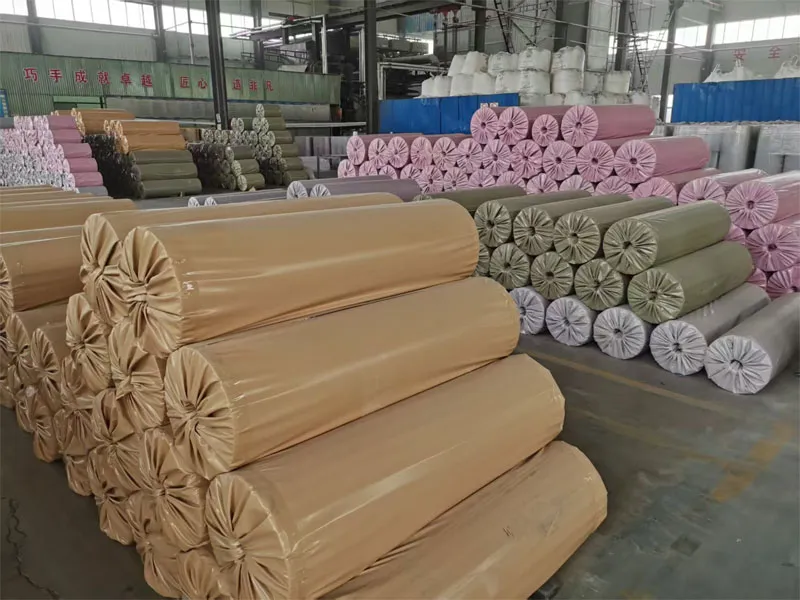
Plastic wrap, also known as cling film or food wrap, is a thin plastic film typically used to seal food items in containers to keep them fresh. The primary material used in the vast majority of modern consumer plastic wraps is LDPE. This is a conscious shift made by the industry to avoid health controversies associated with plasticizers often found in PVC. You will notice on the box of a leading brand that it often highlights being “BPA-free” or “PVC-free.” This is because LDPE provides excellent flexibility and inherent cling without requiring the large amounts of phthalate plasticizers that soft PVC historically needed.
The defining characteristics of plastic wrap are its low thickness gauge (usually below 0.02 mm), high stretchability, and a very low tensile strength. It is designed to be disposable, single-use, and to tear easily. It is an excellent moisture barrier but a relatively poor oxygen barrier, which is why it is suitable for short-term food storage but not long-term preservation.
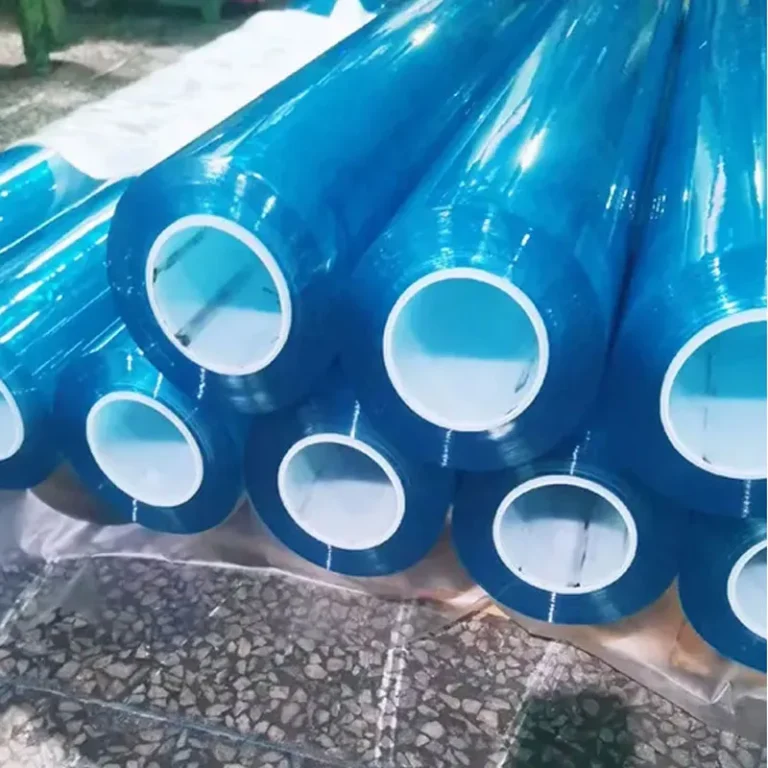
On the other end of the spectrum is the PVC film produced by advanced calendering lines. Unlike the foam or blow-molding processes used for some packaging, calendered PVC film is produced by squeezing a heated, malleable PVC compound through a series of heated rollers. This process creates a film with extremely uniform thickness, superior clarity, and much higher density. Our company, Henan Pulivk New Materials Co., Ltd., specializes in this precise manufacturing method, offering everything from wood grain film for furniture to high-performance industrial sheeting.
Unlike the flimsy nature of food wrap, PVC film manufactured for decorative or industrial purposes often ranges from 0.03 mm to 0.50 mm in thickness. It can be rigid or semi-rigid, and the surface can be engineered to be matte, glossy, or embossed. This type of film is built for durability and longevity, not single-use disposal.
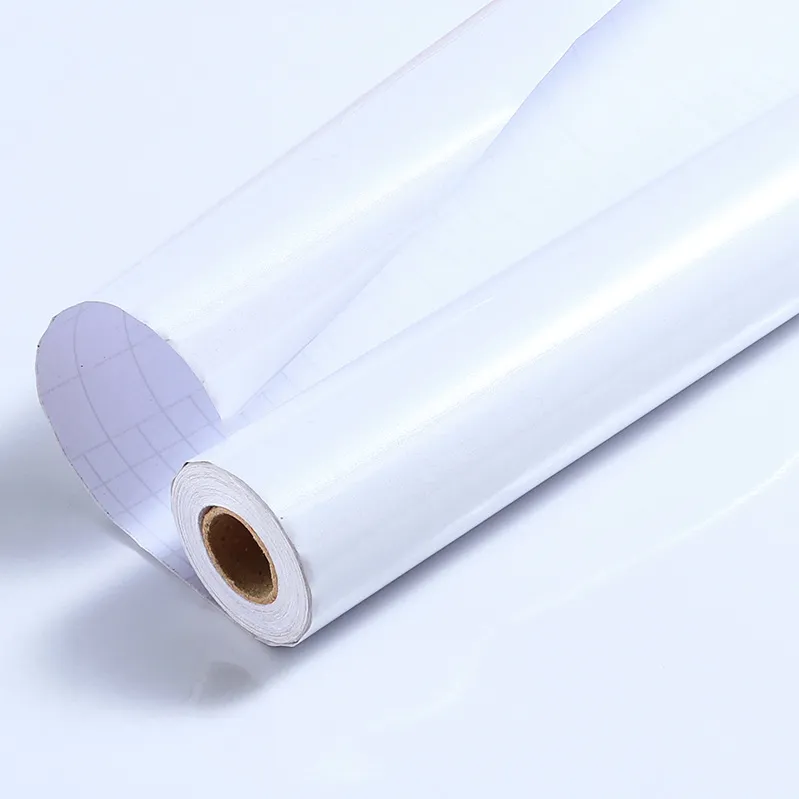
The foundational difference lies in the base polymer. Plastic wrap relies on polyethylene, a simple chain of carbon and hydrogen atoms. PVC film relies on polyvinyl chloride, which contains chlorine atoms. The presence of chlorine fundamentally changes the material’s behavior. It acts as a natural flame retardant and increases the material’s strength, but it also requires the addition of stabilizers and, in some cases, plasticizers to make it processable.
Modern calendered PVC films often utilize non-phthalate plasticizers for environmental compliance, aligning with global standards, whereas historically, the “smell” or “chemical taste” associated with old plastic wraps came from the migration of these additives into fatty foods. Today, a marble film for wall decoration and a food-grade LDPE wrap have completely incompatible formulation chemistries, making them unsuitable for each other’s intended uses.
To better visualize the technical gap, we can examine a direct breakdown of their properties. The performance metrics highlight why one is used for protecting leftovers and the other for laminating kitchen cabinets or protecting floor surfaces.
| Feature | Food Plastic Wrap (LDPE) | Calendered PVC Film |
|---|---|---|
| Base Material | Low-Density Polyethylene | Polyvinyl Chloride (PVC) |
| Typical Thickness | 0.01 mm – 0.02 mm | 0.03 mm – 0.50 mm |
| Primary Use | Short-term food storage | Furniture lamination, floor film, packaging |
| Tensile Strength | Low; stretches and tears easily | High; resistant to tearing and puncture |
| Heat Resistance | Very low; melts at approx. 105–115°C | Higher; can withstand processing temps up to 160°C+ |
| Surface Finish | Standard gloss; limited texture | Customizable: matte, embossed, 3D silk texture, etc. |
| Adhesive Options | Self-clinging only | Self-adhesive, heat-lamination, or glue-bonding |
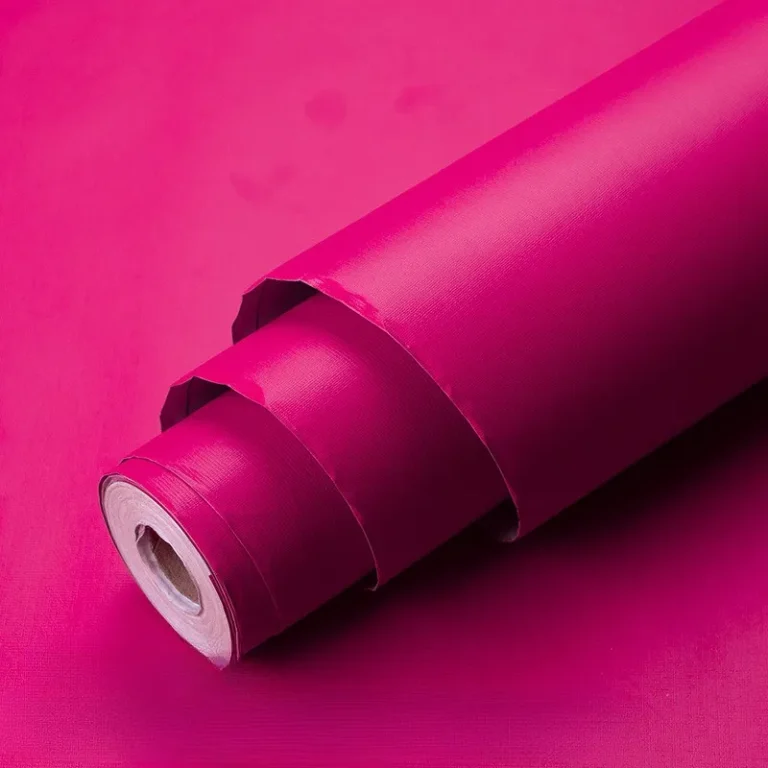
The intended environment dictates the engineering. Plastic wrap is a temporary barrier. You cover a bowl of salad, and you throw the film away within hours. PVC decorative film is a permanent surface solution. When you apply glossy wardrobe film, it becomes the visual and functional skin of the furniture for years. This demands high scratch resistance, color stability under UV light, and perfect adhesion to MDF or particleboard, none of which are requirements for a food storage bag.
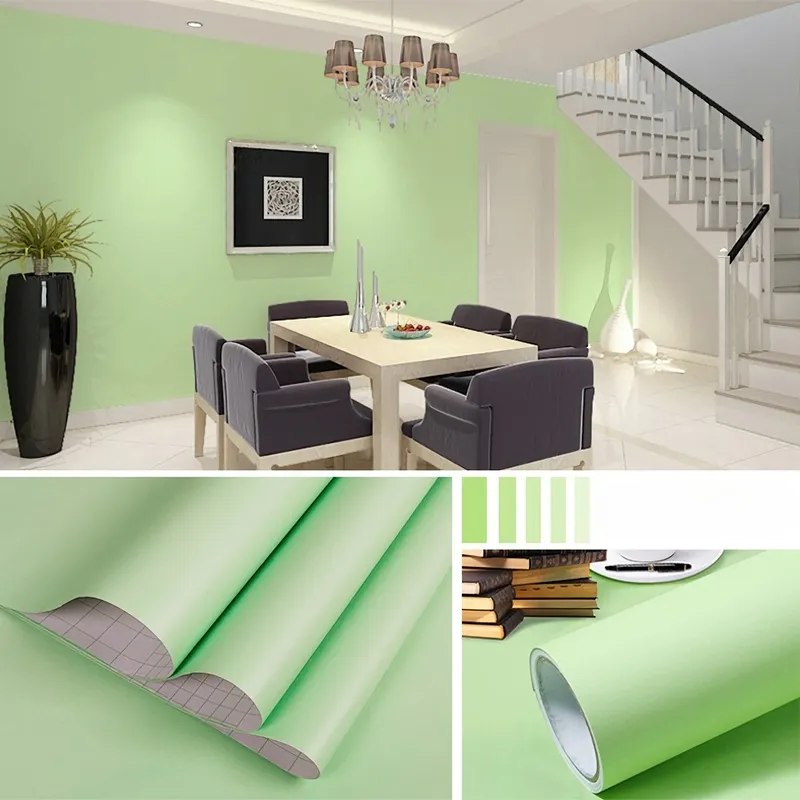
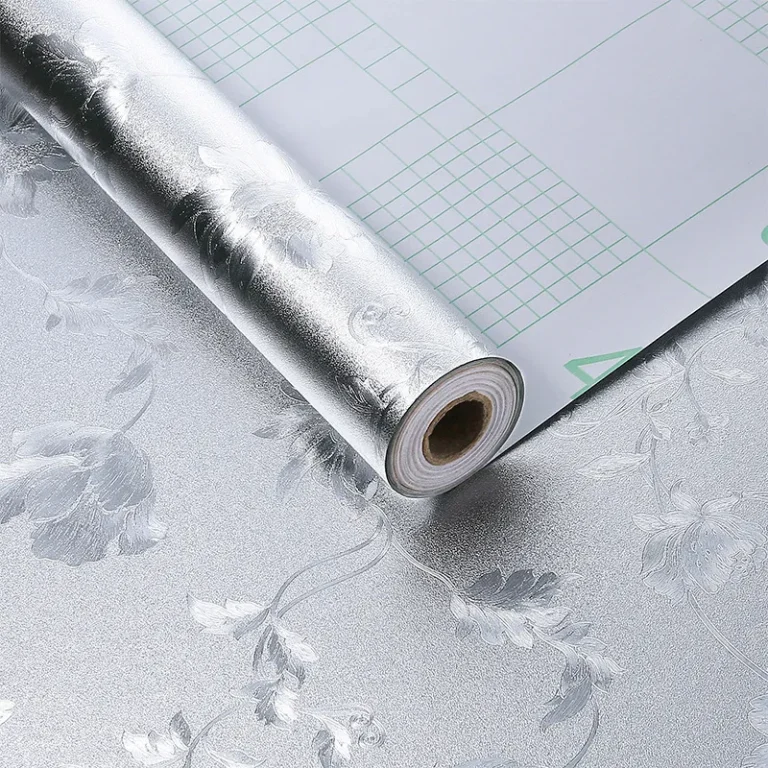
In construction and interior design, PVC film is often referred to as decorative vinyl. It can mimic materials like wood, leather, or stone with incredible fidelity. The embossing rollers used in a calendering production line can replicate the feel of natural wood grain or the smoothness of marble, a technological feat impossible to replicate on the melt-fracture surfaces of thin cling wrap.
If you try to repurpose industrial PVC film for food contact, you risk chemical contamination, as the stabilizers are not food-grade. Conversely, if you try to line a manufacture-grade cabinet with plastic wrap for cost-saving purposes, the result will be catastrophic adhesion failure, bubbling, and zero wear resistance.
For those requiring third-party validation, the industry relies on rigorous testing. For instance, material properties can be verified using Plastic Film Tensile Testing standards to ensure the film meets the structural demands it will face. Unlike cling film, tested primarily for migration limits, PVC films sold by reputable manufacturers comply with specific REACH and RoHS standards regarding heavy metal content and harmful substances.
Performance metrics such as PVC Film Dimensional Stability under heat are crucial. When a PVC film is applied to a kitchen door, it must not shrink away from the edges over time—a failure mode entirely irrelevant to the disposable world of plastic wrap. This is why industrial films are subjected to Plastic Film Thermal Shrinkage assessments to guarantee long-term stability.
While rigid PVC is often used for bottles, the flexible consumer wrap market has almost entirely abandoned PVC due to toxicity concerns related to plasticizer migration. The risk is particularly acute with fatty foods such as cheese or meat, which can absorb these chemicals. Modern LDPE wraps perform the cling function without migrating plasticizers. An industrial PVC film, designed for aesthetic lamination, simply does not belong in a refrigerator. Its edge is sharp, its stretch is minimal, and its additives are designed for mechanical abuse, not digestion.
Trying to laminate a panel with plastic wrap is physically impossible. The film is too thin to handle, has no dimensional stability under the heat of a laminating press, and possesses almost zero tear resistance when rubbed against a sharp corner. The surface tension and corona treatment needed for ink adhesion on PVC are entirely absent on cling wraps. An industry professional would immediately recognize the distinction: one is a tool for surface engineering, the other a tool for temporary preservation.
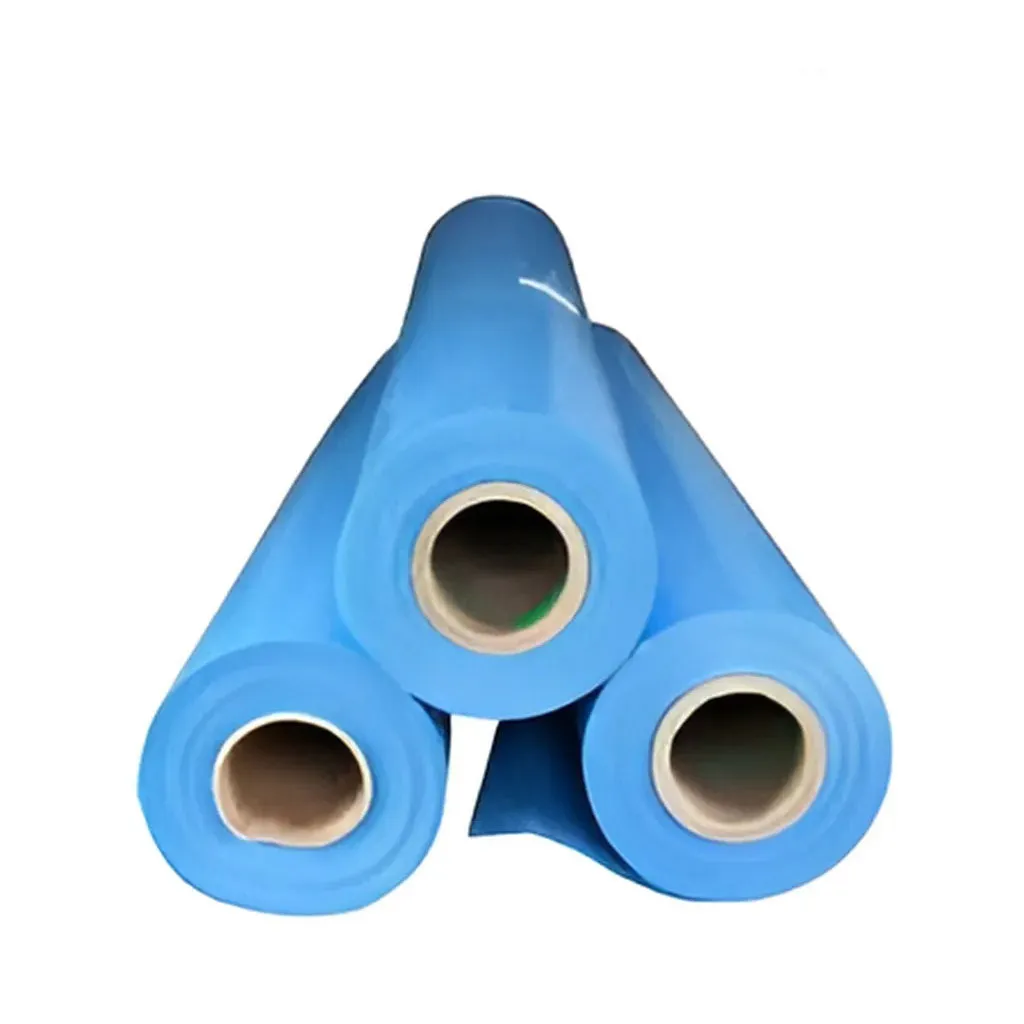
The scale of manufacturing also differs vastly. The extrusion machines for food wrap are designed for high-speed, thin-gauge cycling. A calendering line for PVC film is a heavy industrial setup involving precise temperature controls, embossing stations, and cooling rollers. This allows manufacturers to create specialty versions like antistatic films for electronics or UV-resistant outdoor films for construction—categories that do not exist in the plastic wrap vocabulary.
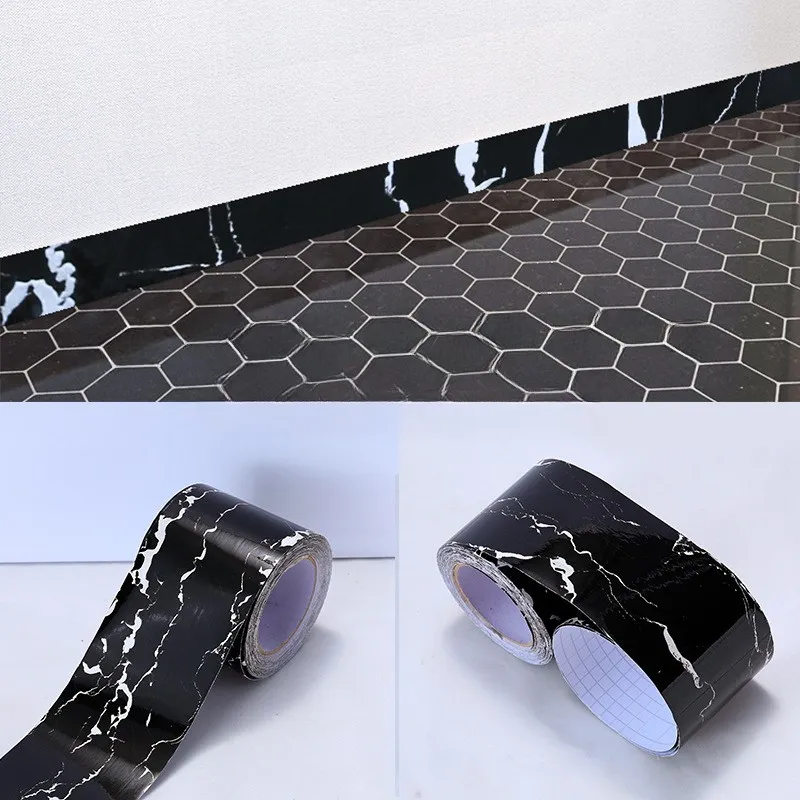
For instance, a PVC skirting film must resist kicks, moisture from floor cleaning, and abrasion from vacuum cleaners. It must also be aesthetically pleasing and match the floor color perfectly. A thin layer of polyethylene cannot offer this multi-functional performance. The integration of functional additives—antioxidants, UV absorbers, processing aids—into PVC represents a sophisticated chemical engineering challenge that results in a material far superior in a non-food context.
So, is PVC film the same as plastic wrap? No, and the distinction cannot be overstated. Plastic wrap, predominantly LDPE, is a low-cost, single-use consumable for food hygiene. PVC film, particularly the calendered variety, is a durable, high-performance construction and decorative material with immense versatility. When sourcing materials, understanding the difference between a “soft-stretchable” film and a “rigid-durable” film ensures you get the right performance, safety, and longevity for your specific project. For businesses needing the latter, choosing a factory with a complete in-house production chain, from calendering to splitting and packaging, guarantees quality and consistency that general-purpose plastic wraps could never provide.