Address
304 North Cardinal St.
Dorchester Center, MA 02124
Work Hours
Monday to Friday: 7AM - 7PM
Weekend: 10AM - 5PM
Address
304 North Cardinal St.
Dorchester Center, MA 02124
Work Hours
Monday to Friday: 7AM - 7PM
Weekend: 10AM - 5PM


 ByPulivk
The manufacturing process of PVC film is a sophisticated industrial operation that transforms polyvinyl chloride resin into versatile, flexible sheets used across countless industries. From wood grain film for furniture to protective membranes for medical environments, understanding how PVC film is made provides valuable insight into material selection, quality expectations, and cost considerations. This step-by-step guide walks you through the core production stages, highlighting key technical aspects and quality control measures that define modern calendered film manufacturing.
The journey begins with careful raw material selection. PVC film production relies on a precise blend of components, each serving a specific purpose in the final product’s performance. The foundation is PVC resin, which provides the structural backbone of the film. To this, manufacturers add plasticizers that impart flexibility, stabilizers that prevent thermal degradation during processing, and pigments for coloration. Depending on the application, additional modifiers may be incorporated to enhance properties such as UV resistance, flame retardancy, or anti-static behavior. The formulation stage is critical—even minor variations can significantly impact the film’s mechanical properties, surface finish, and long-term durability. Industry standards such as PVC Resin Viscosity testing help ensure consistent raw material quality before production begins.
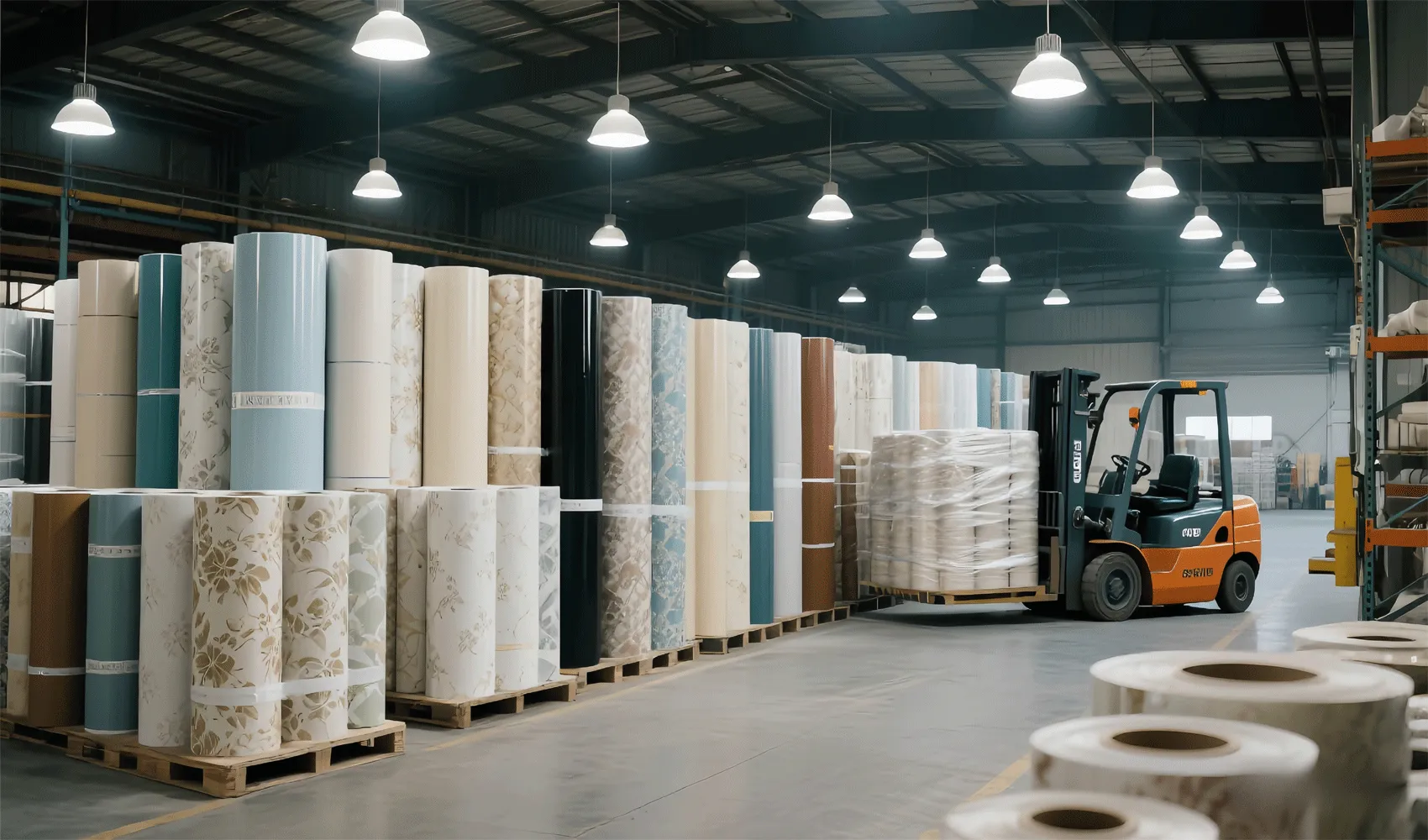
The first major stage in the manufacturing process of PVC film is compounding. Raw materials—PVC resin, plasticizers, stabilizers, fillers, and pigments—are precisely weighed and fed into high-speed mixers. These powerful machines blend the ingredients under controlled temperature conditions, typically reaching 110-130°C, which allows the liquid plasticizers to be fully absorbed by the resin particles. The result is a uniform, free-flowing powder known as dry blend. This step is essential because uneven dispersion of additives can lead to film defects such as color streaks, inconsistent flexibility, or premature aging. Modern compounding systems often include automated dosing equipment and computerized controls to maintain batch-to-batch consistency, a practice aligned with ASTM Plastics Standards for material quality assurance.
Once the dry blend is prepared, it moves to the plastication stage. The powder is fed into a twin-screw extruder or a continuous mixer, where it undergoes intense shearing and heating. Under temperatures ranging from 150°C to 190°C, the PVC particles melt and fuse together, transforming from a powdery solid into a homogeneous, viscous melt. This process, known as gelation, is crucial because the degree of fusion directly affects the film’s mechanical strength, clarity, and surface quality. Incomplete gelation results in weak spots and poor tensile properties, while over-gelation can cause discoloration and reduced flexibility. Operators carefully monitor screw speed, barrel temperature profiles, and residence time to achieve the optimal melt quality for the target film grade.
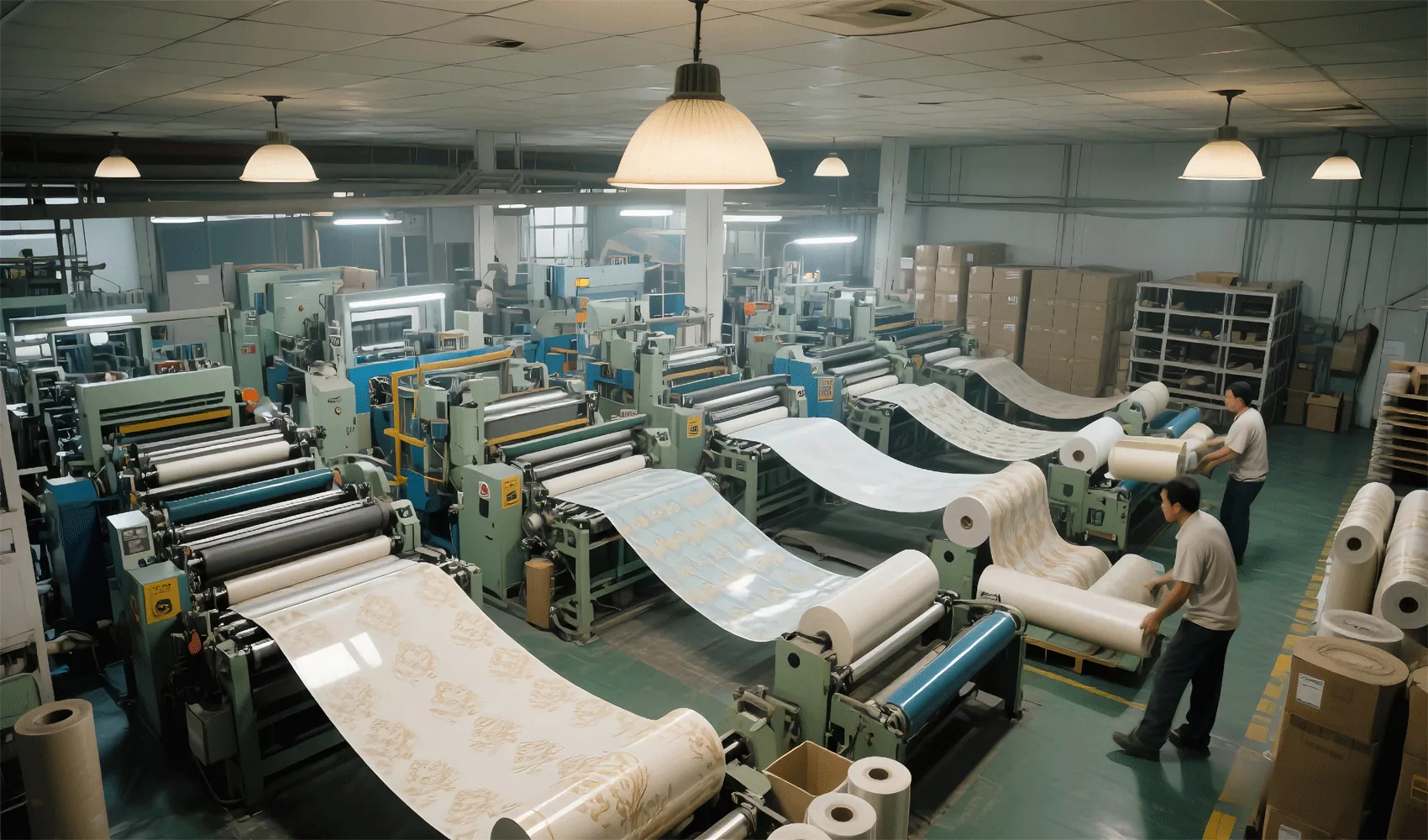
Calendering is the defining step in producing high-quality PVC film. The molten PVC compound passes through a series of highly polished, heated rollers arranged in a precise configuration—typically in an L-shaped, inverted L, or Z-type arrangement. These rollers progressively squeeze and stretch the material into a continuous sheet of uniform thickness. Calendered film manufacturing allows for tight thickness tolerances, often controlled within ±0.01 mm, thanks to sophisticated gap adjustment systems and real-time thickness monitoring. The roller surface texture determines the film’s finish: mirror-polished rolls produce glossy films, while matte or embossed rolls create textured surfaces. Temperature control across each roller is critical—the material must remain sufficiently plastic to be shaped without sticking or degrading. This stage is where the film’s basic physical properties are largely established.
Immediately after calendering, the film is still warm and receptive to surface modification. At this point, an embossing station may apply patterns ranging from subtle matte textures to deep wood grains, leather grains, or geometric designs. The embossing roll, often engraved with precision laser technology, presses the pattern into the hot film surface. Simultaneously, the film passes through cooling rollers that lock in the texture and stabilize the sheet dimensions. For specialized products like 3D silk texture film, this step requires exact pressure and temperature control to achieve consistent pattern depth and optical effects. Some films also receive corona treatment at this stage, which modifies surface energy to improve ink adhesion for subsequent printing or lamination processes.
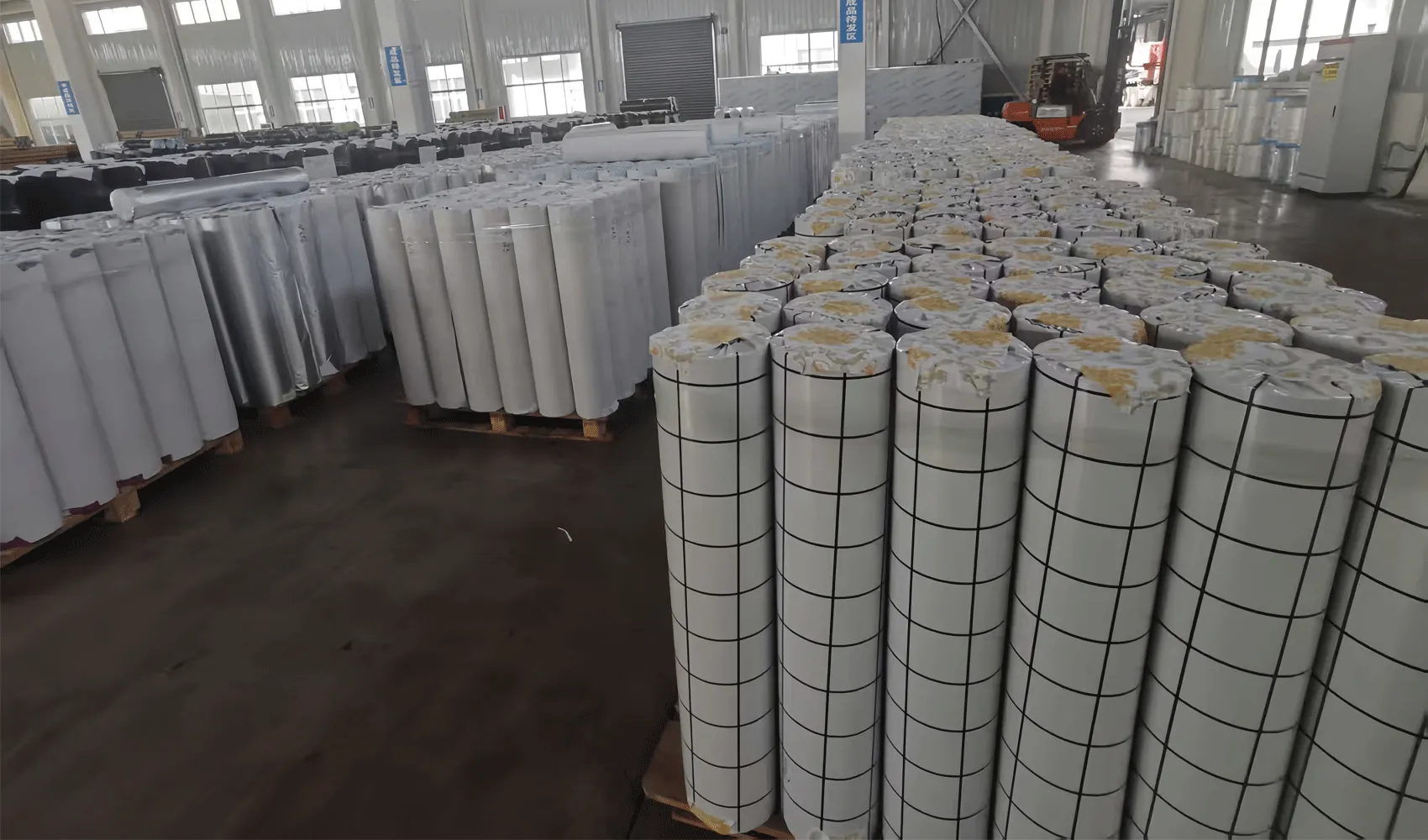
After forming and embossing, the film enters a multi-roll cooling train. Water-cooled or chilled rollers gradually reduce the film temperature from processing levels to near ambient. Controlled cooling is essential—rapid quenching can introduce internal stresses that lead to warping or dimensional instability, while cooling too slowly reduces production efficiency. The cooling section also includes tension control systems that maintain consistent web tension throughout the line. This prevents stretching, necking, or sagging that would compromise the film’s width and thickness uniformity. The PVC Film Dimensional Stability of the final product is largely determined by how well this cooling phase is managed.
For decorative PVC films, printing is a critical value-adding step. Rotogravure printing is the most common method, capable of reproducing intricate wood grain patterns, stone textures, and abstract designs with exceptional fidelity. Each color in the design requires a separate engraved cylinder, and multi-station presses apply them in precise registration. After printing, the film passes through drying ovens that evaporate the solvent-based or water-based inks. Modern printing lines incorporate automatic registration control systems and in-line color monitoring to maintain consistent print quality across thousands of meters. Companies offering PVC decorative film often maintain extensive design libraries while also providing custom color matching and pattern development services.
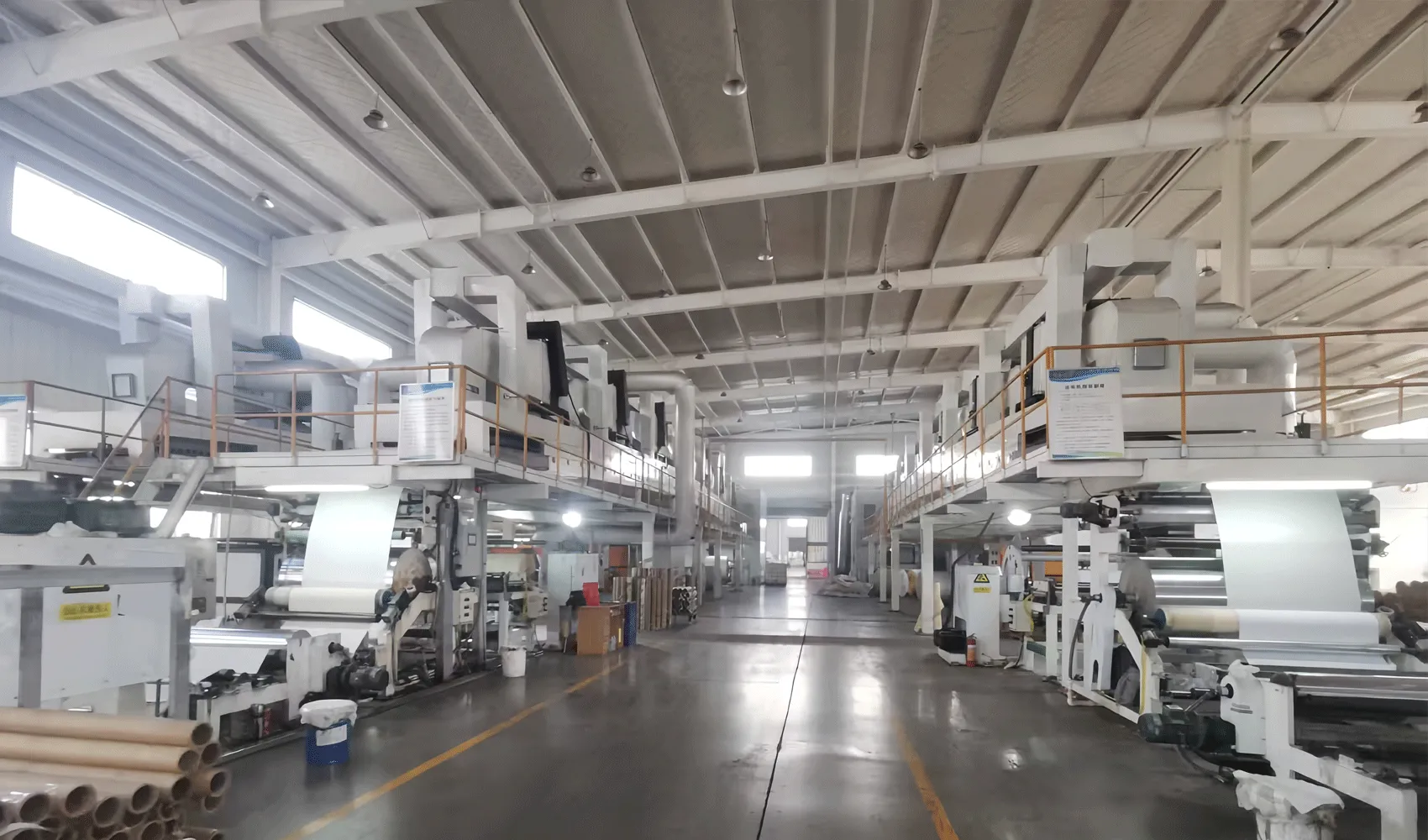
Throughout the production line, automated inspection systems continuously monitor film quality. High-resolution cameras scan for surface defects such as gels, fisheyes, scratches, or contamination. Thickness gauges using laser or beta-ray technology provide real-time profile measurements across the full web width. Any deviation beyond preset tolerances triggers immediate alerts, allowing operators to make corrections before significant waste occurs. Key performance parameters checked include:
Once the film passes all quality checks, it proceeds to the slitting and winding station. Here, the master roll—which can be up to 1500 mm wide—is slit into narrower rolls according to customer specifications. Precision slitting blades ensure clean edges without burrs or tears that could cause issues during subsequent processing. The film is then wound onto cardboard cores with carefully controlled tension to create firm, uniform rolls. Tension profiling is crucial; excessive winding tension can cause blocking or stretching, while insufficient tension leads to loose, telescoping rolls that are difficult to handle. Each finished roll is labeled with product specifications, batch numbers, and production dates for full traceability.
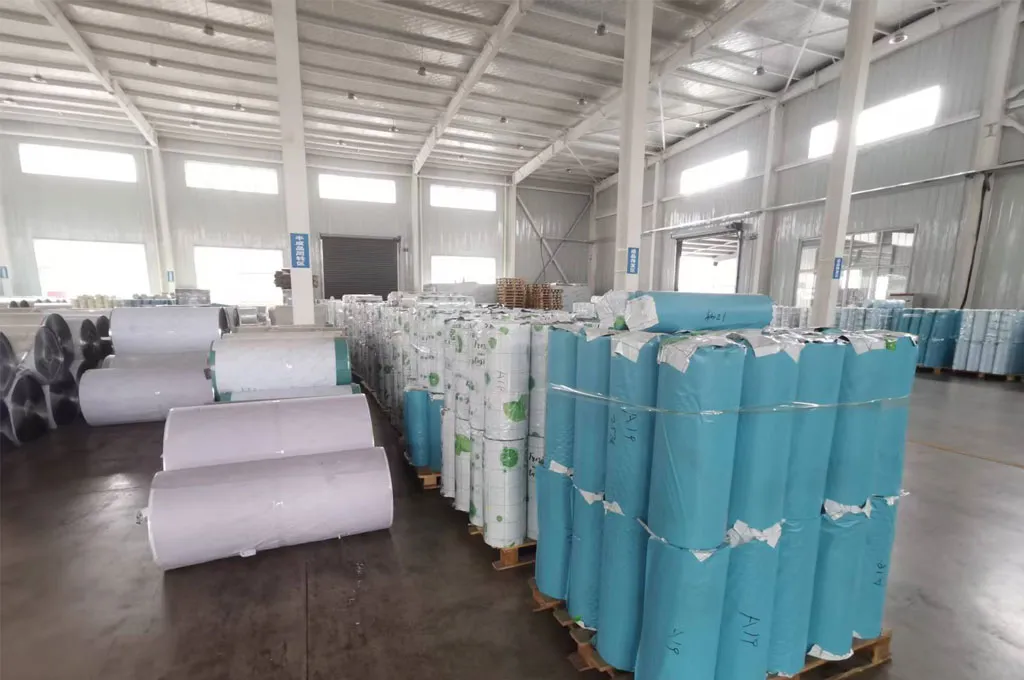
For customers requiring smaller roll sizes, the split packaging stage becomes essential. Full-width master rolls are cut into fixed-length, smaller rolls based on specific order requirements. Each individual roll is wrapped in dust-proof PE film or kraft paper to protect against contamination and moisture during storage and transit. Clear labels indicating product type, dimensions, batch information, and handling instructions are affixed to every roll. The rolls are then packed into export-grade cartons or secured on pallets with proper corner protection and strapping, ensuring safe delivery to destinations worldwide.
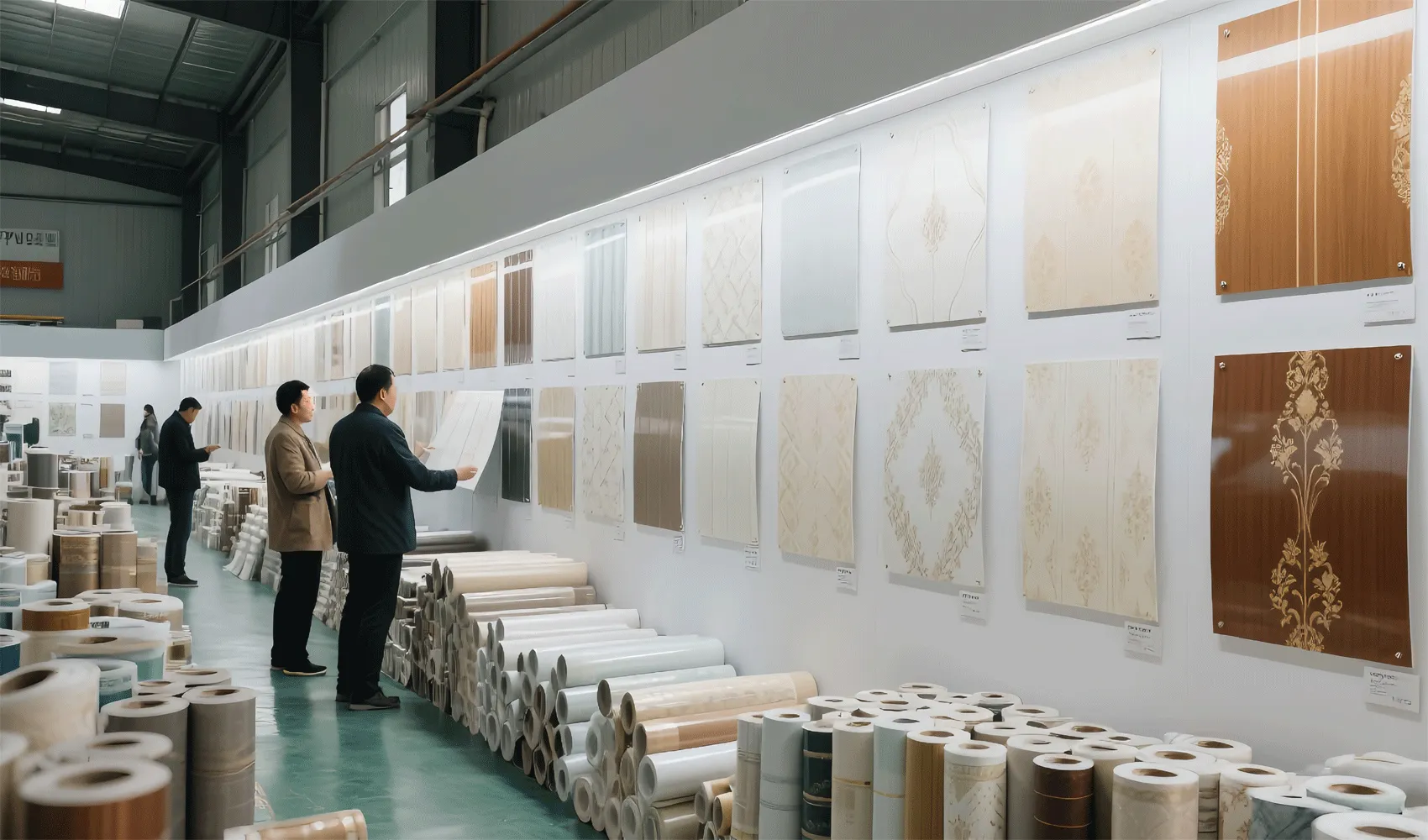
Quality management in PVC film manufacturing extends far beyond final inspection. A robust system incorporates multiple checkpoints from incoming raw material verification to in-process monitoring and finished product testing. The following table summarizes typical quality parameters and relevant international standards:
| Quality Parameter | Test Method | Standard Reference |
|---|---|---|
| Thickness Tolerance | Micrometer / Online Gauge | Plastic Film Thickness Testing |
| Tensile Strength | Universal Testing Machine | ISO Film Tensile Testing |
| Tear Resistance | Elmendorf Tear Tester | Plastic Film Tear Resistance |
| Surface Gloss | Glossmeter (60° Angle) | Plastic Film Gloss Testing |
| Haze and Transparency | Hazemeter | Plastic Film Haze Testing |
| Thermal Shrinkage | Oven Method | Plastic Film Thermal Shrinkage |
Modern PVC film manufacturing increasingly incorporates eco-friendly practices throughout the production chain. Many manufacturers now offer formulations free from lead-based stabilizers and restricted phthalates, complying with PVC REACH Restrictions and PVC Plasticizers and Phthalates regulations. In-house scrap recovery systems collect edge trim and off-spec material, which is reground and reintroduced into the production stream where appropriate, minimizing waste. The PVC Circular Economy model continues to evolve, with ongoing investments in recycling technologies and closed-loop material flows that reduce the environmental footprint of PVC film products.
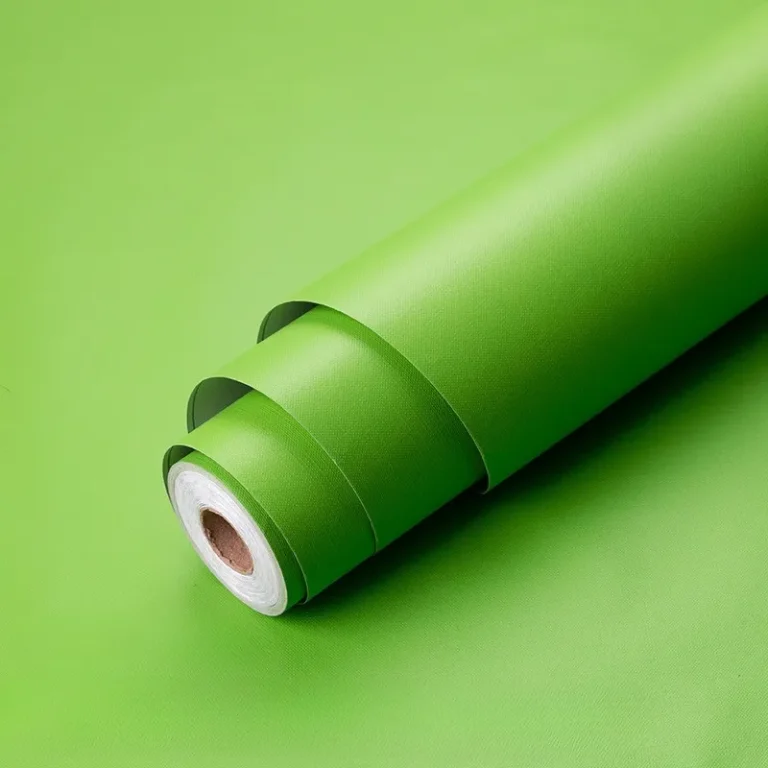
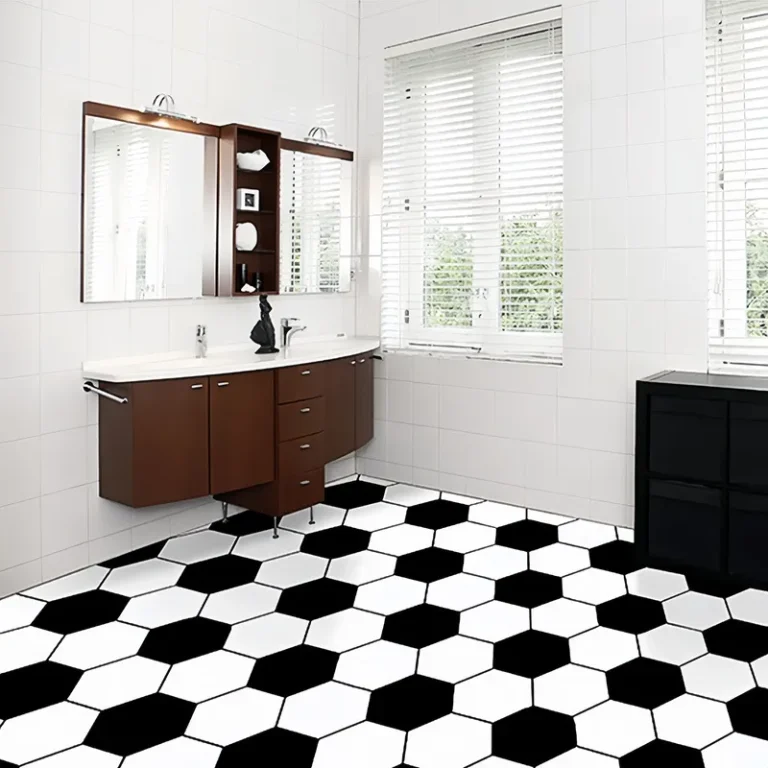
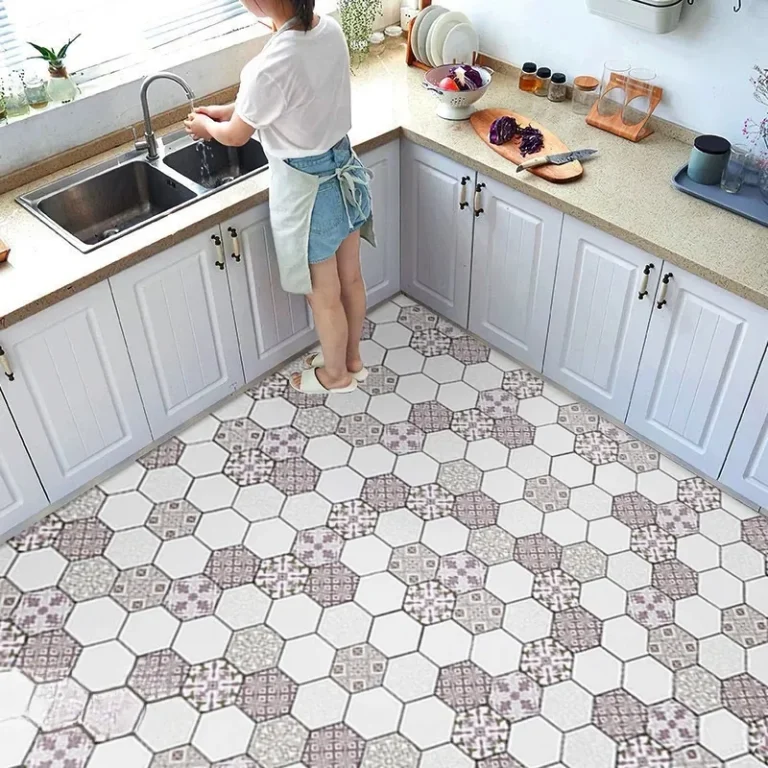
The versatility of PVC film is reflected in its wide-ranging applications. Calendered film serves as protective packaging, electrical insulation, and automotive interior surfacing. Decorative films transform furniture surfaces, interior walls, and doors with realistic wood, stone, and fabric textures. Floor film products provide durable, easy-to-clean surfaces for residential and commercial spaces. Specialty grades include anti-static films for electronics manufacturing, antibacterial films for healthcare environments, and UV-resistant films for outdoor use. This adaptability makes the manufacturing process of PVC film a topic of continuing relevance for engineers, designers, and procurement professionals worldwide.
Adherence to international standards is fundamental to PVC film manufacturing for global markets. Producers serving multiple regions must navigate a complex landscape of material specifications, performance requirements, and chemical regulations. Key frameworks include ASTM standards for the Americas, ISO standards for worldwide application, and region-specific regulations such as EU directives and U.S. FDA requirements. Products destined for food contact, medical, or children’s applications face particularly stringent oversight. Responsible manufacturers maintain comprehensive documentation demonstrating compliance throughout the supply chain, supported by regular third-party testing and certification.
Selecting the right manufacturing partner significantly influences product quality, lead times, and overall project success. Henan Pulivk New Materials Co., Ltd. operates integrated production facilities equipped with advanced calendering lines, multi-color printing lines, and automated split-packaging systems. This full in-house capability enables complete quality control from raw material processing to finished packaging, supporting consistent product delivery and cost-effective manufacturing. With flexible OEM services, custom color matching, and technical support throughout the application process, experienced manufacturers help bring design concepts to life while maintaining reliable supply chain performance.