Address
304 North Cardinal St.
Dorchester Center, MA 02124
Work Hours
Monday to Friday: 7AM - 7PM
Weekend: 10AM - 5PM
Address
304 North Cardinal St.
Dorchester Center, MA 02124
Work Hours
Monday to Friday: 7AM - 7PM
Weekend: 10AM - 5PM


 ByPulivk
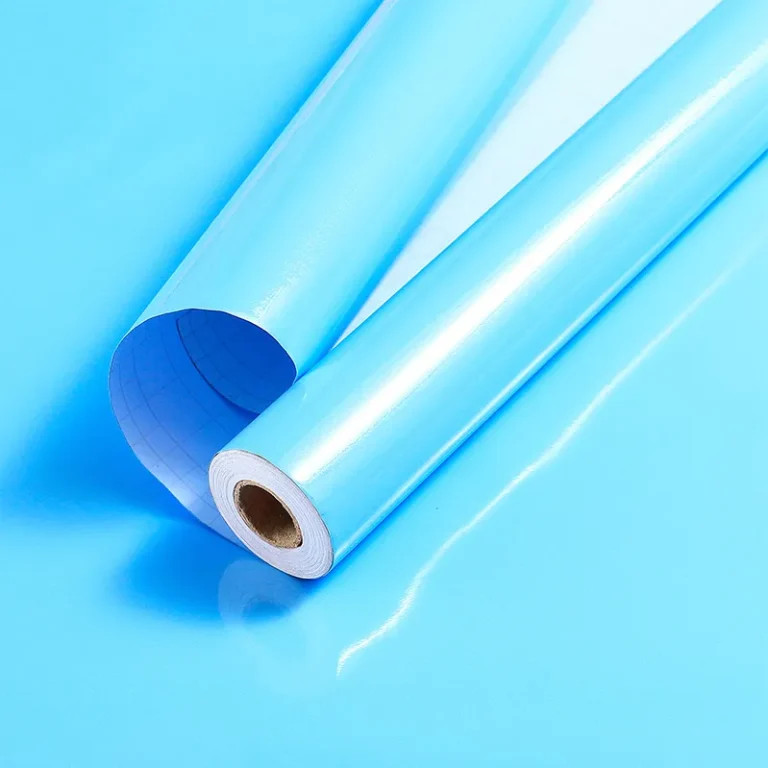
In modern manufacturing and interior design, peelable PVC forming film has become an indispensable material. Unlike traditional permanent laminates, this versatile film offers the unique ability to be temporarily applied and cleanly removed without leaving adhesive residue, making it ideal for protective applications, short-term renovations, and dynamic surface finishes. Whether you are a furniture maker looking to protect high-gloss panels during shipping or a contractor seeking a temporary decorative upgrade, understanding the properties of this material is crucial.
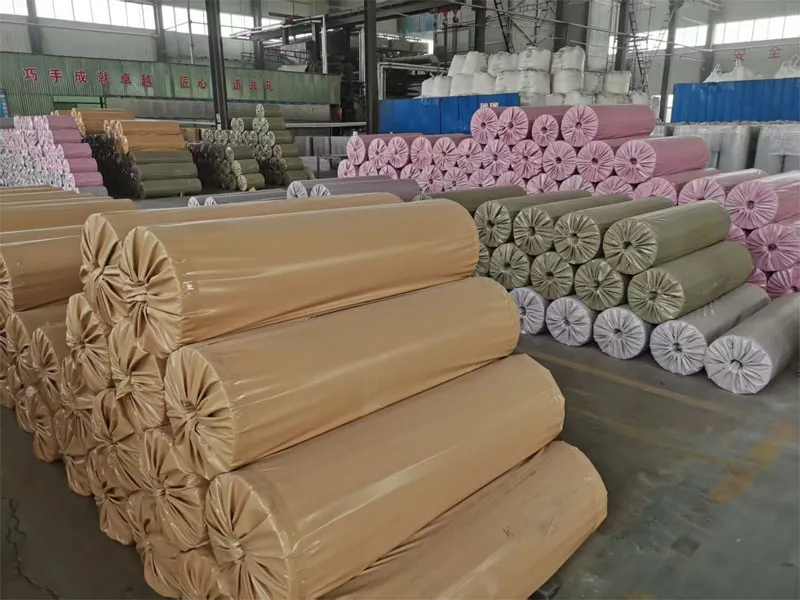
At its core, peelable PVC forming film is a specialized thermoplastic sheet designed for temporary bonding. It leverages the flexibility and durability of polyvinyl chloride while incorporating a low-tack adhesive system. This allows the film to be stretched and formed over complex 3D shapes using heat and vacuum pressure—a process known as membrane pressing or vacuum forming—yet still be stripped away easily when required. It serves a dual purpose: acting as a protective mask during transit and installation, or functioning as a short-to-medium term decorative surface that can be updated without damaging the substrate.
The adaptability of peelable PVC forming film has led to its widespread adoption across various sectors. From heavy industry to sensitive electronics, its protective and aesthetic properties are highly valued.
This is perhaps the most common domain for these films. High-end kitchen cabinets, wardrobe doors, and shelving units often feature intricate 3D textured surfaces that are vulnerable to scratches during assembly and transport. A peelable film acts as a sacrificial layer. Furthermore, in interior design, solid color films can be applied to furniture or wall panels to refresh a room’s aesthetic temporarily, which is particularly popular in rental properties or high-turnover commercial spaces.
Control panels, display screens, and polished metal surfaces on appliances are prone to fingerprints and micro-scratches. Here, antistatic variations of the film are critical. Using calendered PVC manufacturing techniques, these films provide excellent clarity and a static-free experience, ensuring electronic components remain pristine until they reach the end user.
During building renovations, surfaces like window frames, door thresholds, and even floor films need robust protection from paint splatters, dust, and heavy foot traffic. High-durability peelable films are designed to withstand these harsh conditions for weeks before being removed to reveal a spotless surface underneath.
Why are industries shifting towards peelable solutions? The advantages extend beyond simple surface protection and significantly impact operational efficiency and cost management.
The primary value lies in the adhesive technology. Unlike standard protective sheets that can leave a sticky mess or even lift the underlying paint, engineered peelable PVC forming film is formulated to maintain a stable bond that doesn’t strengthen over time. Once the job is done, it peels off cleanly, dramatically reducing cleaning time and rework costs.
By protecting original surfaces from damage, these films extend the lifespan of furniture and fixtures, reducing waste. For businesses, this means fewer rejected products and lower warranty claims. The ability to refurbish rather than replace large panels supports a more circular economy model, aligning with modern sustainability goals like the VinylPlus 2030 Commitment.
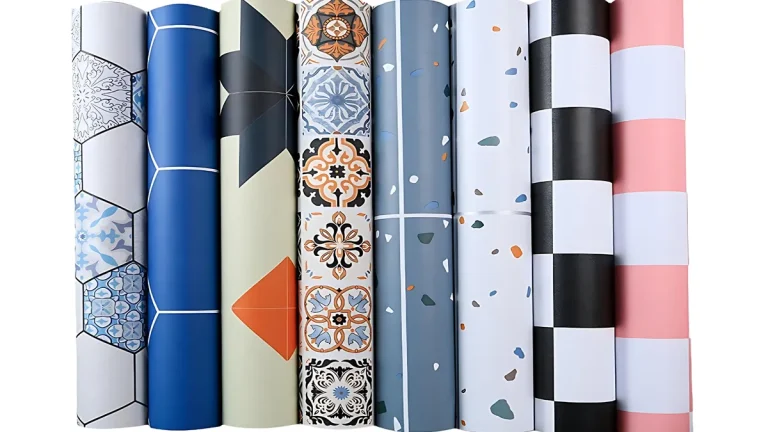
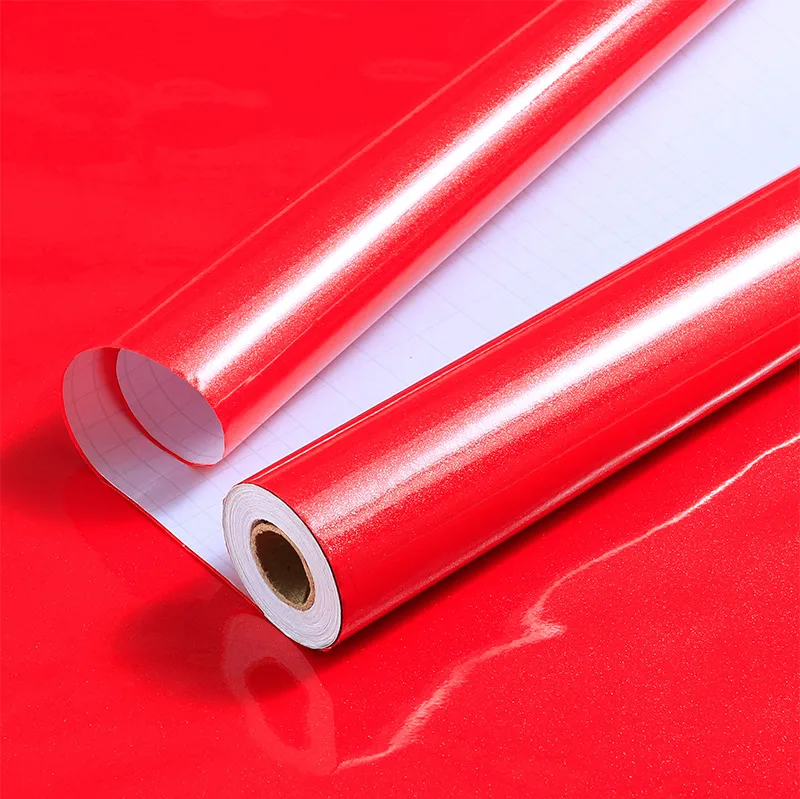
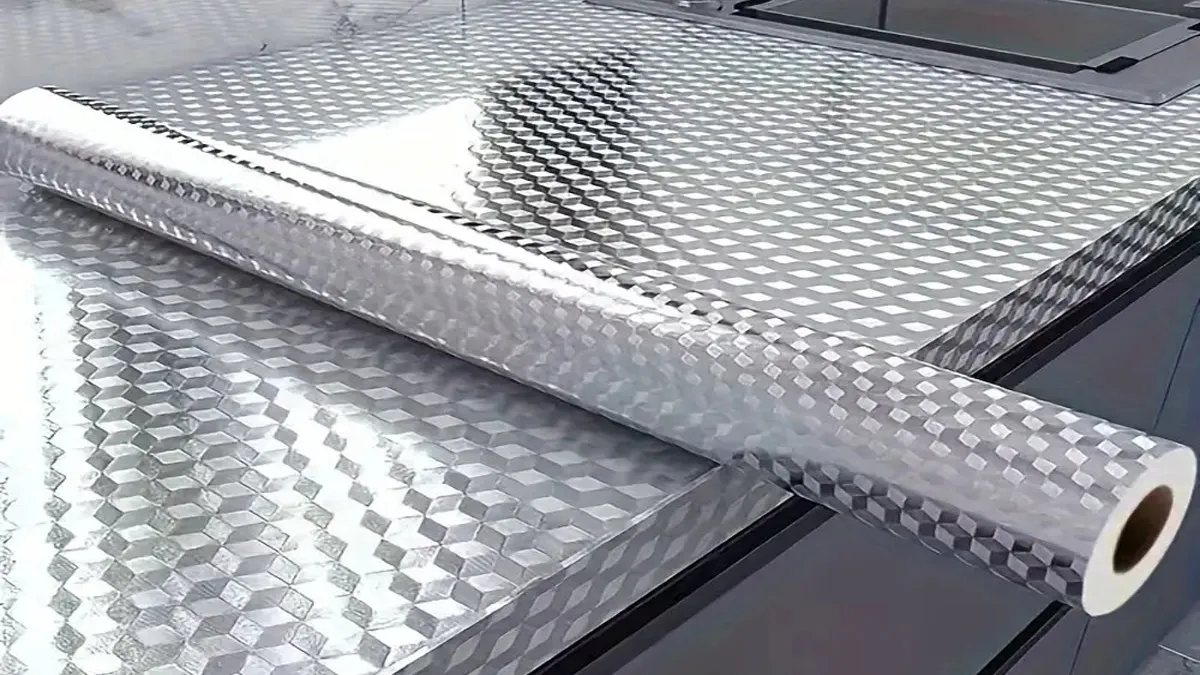
Peelable films are not just clear protectors. They come in a vast array of finishes, including wood grain, marble, matte, and high-gloss. This allows designers to experiment with bold patterns or sophisticated marble textures without committing to a permanent installation.
| Feature | Peelable PVC Film | Standard Permanent Film |
|---|---|---|
| Adhesive Type | Low-tack, removable | High-bond, permanent |
| Removal | Clean peel, no residue | Difficult, often damages substrate |
| Durability | Short to medium term | Long term (5-10 years) |
| Ideal Use | Protection, temporary decor | Permanent surfacing |
Selecting the correct film requires a balance of technical specifications and practical application needs. A mismatch can lead to adhesive failure or surface damage. Here are the critical factors to evaluate before placing an order:
The surface energy of the material you are protecting (wood, glass, cured paint, metal) dictates the required adhesion level. High-gloss UV-lacquered panels require a different tack level compared to textured wood grain films to prevent slipping or overly aggressive bonding.
Measured in mils or millimeters, thickness correlates directly with durability but inversely with flexibility. For deep 3D vacuum forming over complex profiles, a thinner, highly elastic film is necessary to avoid bridging or tearing. For flat surface protection, a thicker film offers superior puncture resistance. Refer to standardized testing methods like ISO 4593 for precise thickness verification.
If the product needs to be inspected while the film is on, clarity is key. Look for low-haze grades. Testing for transparency and haze can be benchmarked against standards such as ASTM D1003, ensuring the film does not obscure surface defects or color matching.
Ensure the film meets regional chemical regulations. For applications involving indirect food contact or interior decoration, the film must be free from harmful phthalates and heavy metals. Reputable manufacturers produce lead-free and phthalate-free formulations that comply with stringent EU REACH restrictions and RoHS directives, ensuring safety for both users and the environment.
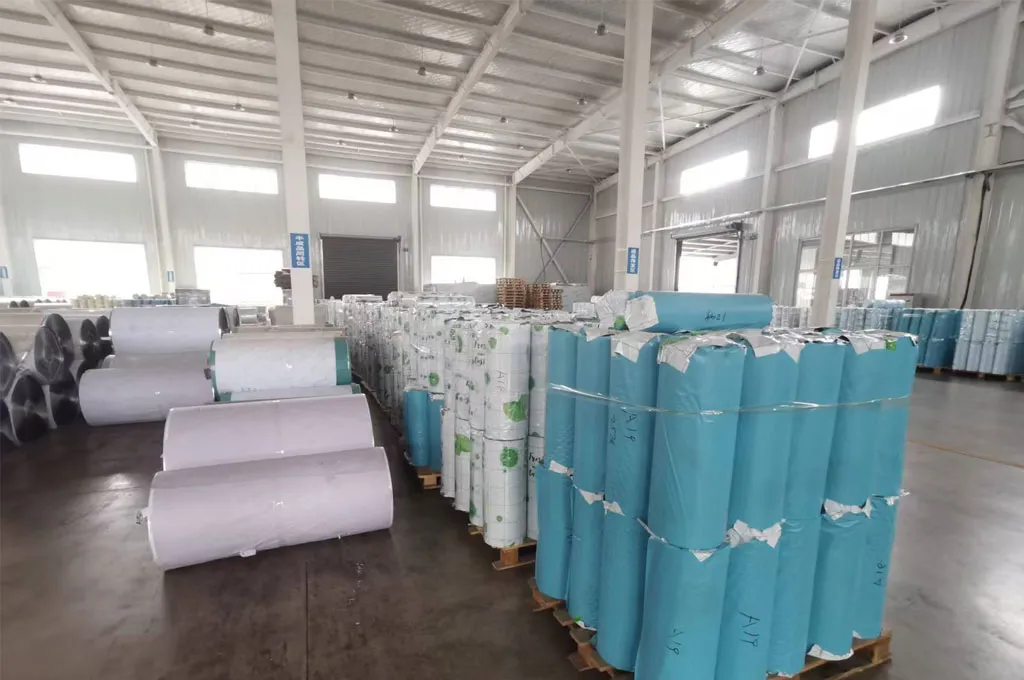
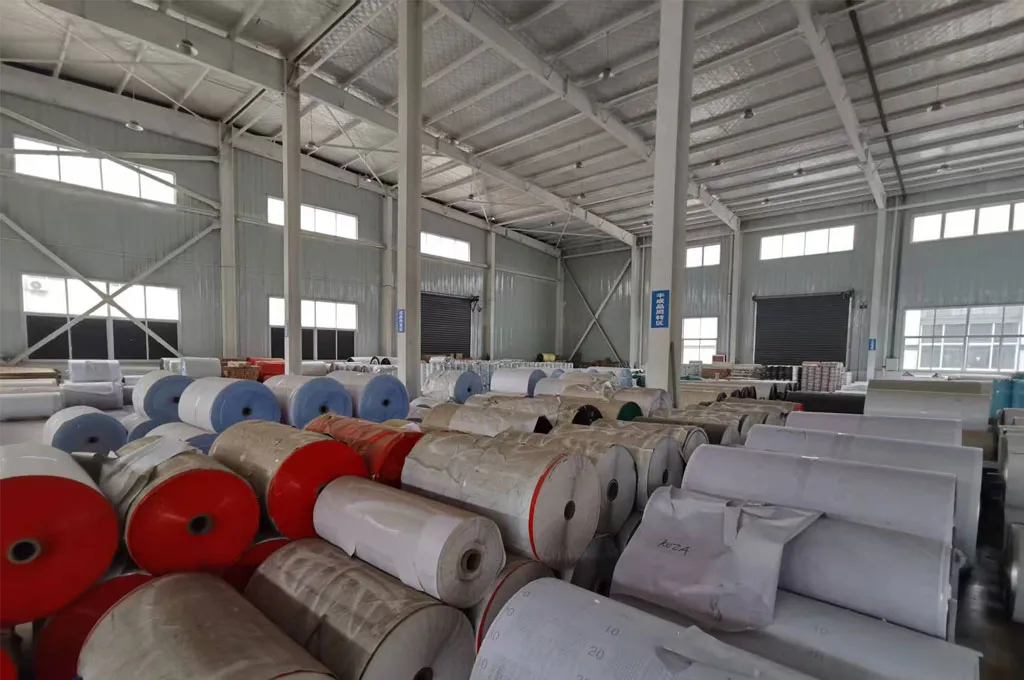
As a direct manufacturer, Henan Pulivk New Materials Co., Ltd. integrates the entire production chain—from advanced calendering and printing to precision split-packaging. With robust in-house capabilities, they offer efficient full-process production of peelable PVC forming film, ensuring strict quality control and cost-effectiveness for global buyers. Their PVC calendered film lines are capable of tailoring thicknesses, colors, and embossing effects to meet exact OEM specifications, serving over 2,000 decorative designs with flexible MOQs.
| Service Capability | Description |
|---|---|
| Custom Sizes | Thickness from 0.03mm to 0.50mm, width up to 1500mm, custom cut rolls. |
| Texture Library | Matte, glossy, wood grain, stone, brushed, 3D emboss, and custom patterns. |
| Quality Standards | Compliant with lead-free and phthalate-free regulations, tested for consistent peel strength. |
| Logistics | Global export to Southeast Asia, Middle East, Europe, and the Americas. |
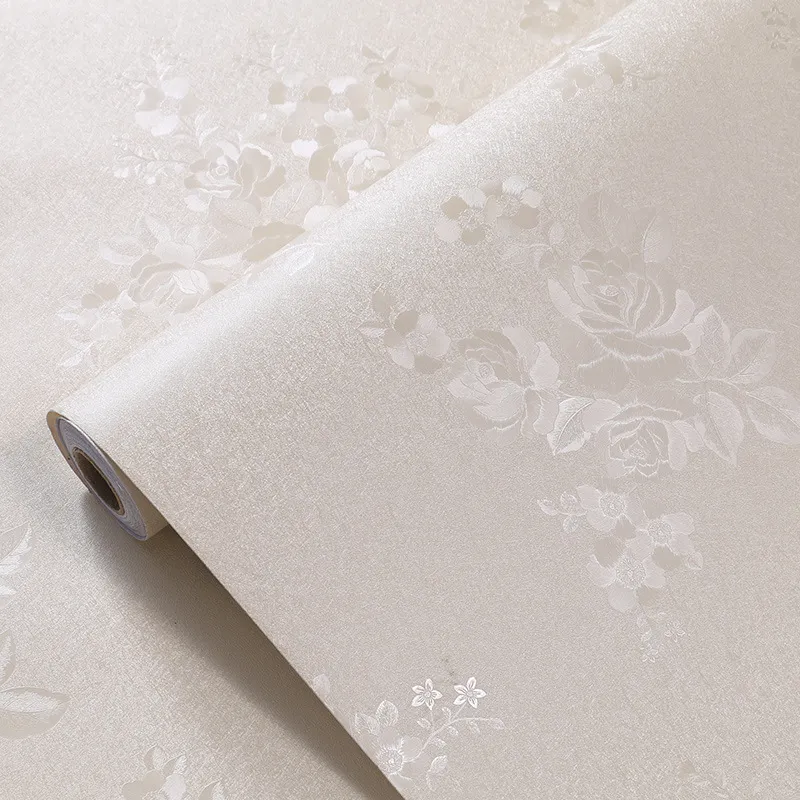
Many users confuse peelable films with standard static cling films. The key difference is the adhesive system—peelable films use a subtle pressure-sensitive adhesive that offers a more reliable bond on vertical surfaces compared to static cling, yet still removes without residue. Another common error is leaving the film on for too long beyond the manufacturer’s recommended period, which can cause the adhesive to crosslink, making removal difficult. Always test a sample area first, and if you are unsure about the correct peel strength for your project, request professional samples from your supplier.