Address
304 North Cardinal St.
Dorchester Center, MA 02124
Work Hours
Monday to Friday: 7AM - 7PM
Weekend: 10AM - 5PM
Address
304 North Cardinal St.
Dorchester Center, MA 02124
Work Hours
Monday to Friday: 7AM - 7PM
Weekend: 10AM - 5PM


 ByPulivk
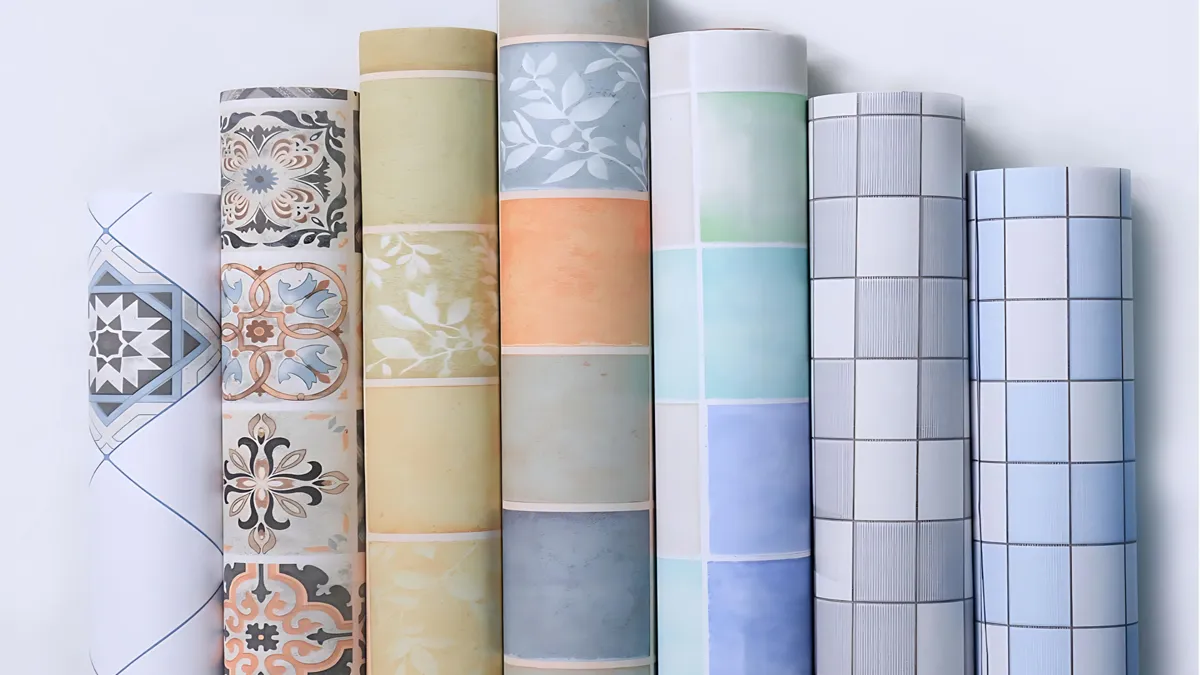
Polyvinyl chloride, commonly known as PVC, has become one of the most versatile and widely used thermoplastics in the world. Within this category, pvc film and sheet stand out for their adaptability across countless industries, from interior design and furniture manufacturing to packaging and medical applications. Whether you need a decorative surface finish or a high-performance protective barrier, these materials offer an unmatched combination of durability, flexibility, and cost-effectiveness. This comprehensive guide explores the different types, key applications, core benefits, and expert tips for selecting the ideal product for your specific needs.
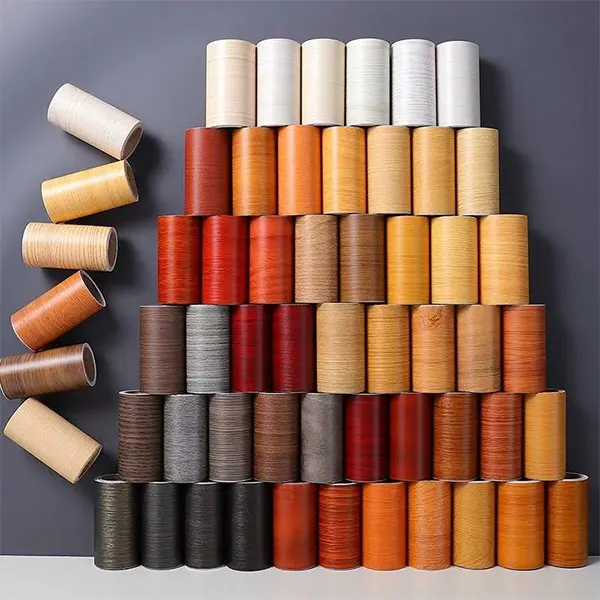
Navigating the market for pvc film and sheet can be complex, as the specific formulation and manufacturing process significantly alter the final properties of the material. Broadly, these products can be categorized into calendered films, decorative films, and functional sheets. Here is a detailed comparison of the primary types:
| Type | Key Characteristics | Common Applications | Popular Variants |
|---|---|---|---|
| Calendered Film | Excellent thickness tolerance, high clarity, versatile surface finishes | Packaging, stationery, protective layers, adhesive tape | Transparent film, frosted film, antistatic film, pearlescent film |
| Decorative Film | High-fidelity prints, realistic textures, wear-resistant topcoats | Furniture surfaces, interior walls, doors, skirting boards | Wood grain film, marble film, 3D silk texture film, solid color film |
| Floor Film | High abrasion resistance, slip-resistant options, waterproof | Residential and commercial flooring, bathroom stickers | Vinyl floor film, bathroom floor stickers, kitchen flooring |
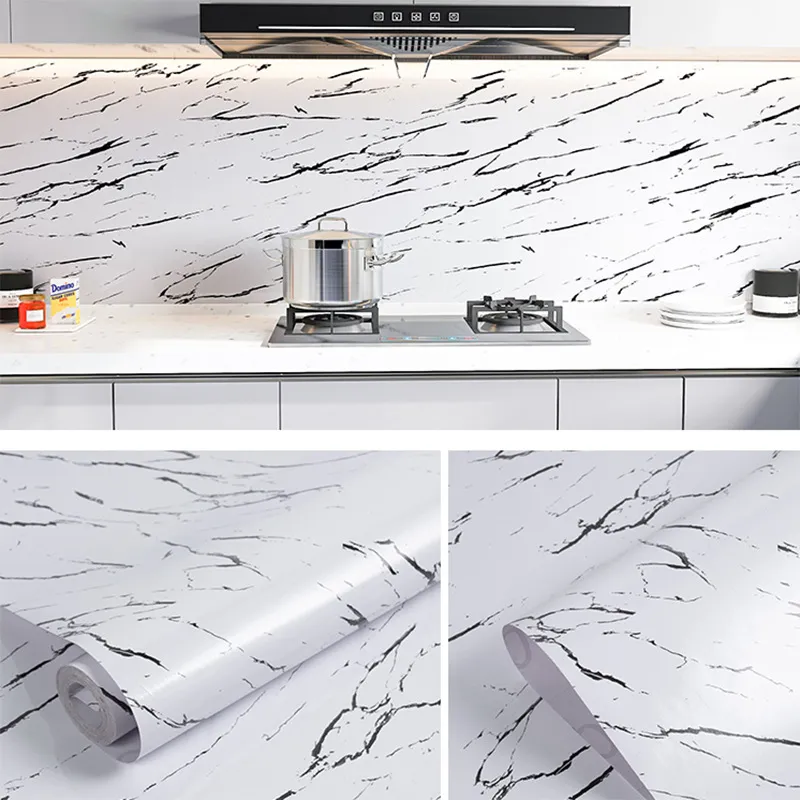
| Functional Sheet | Specialized properties like UV resistance, anti-fog, or oil-proof barriers | Kitchen backsplashes, electronic protection, cleanrooms | Kitchen anti-oil film, antistatic sheet, UV-resistant film |
The real strength of pvc film and sheet lies in its cross-industry versatility. It is not simply a single-use material; rather, it is a customizable solution that engineers and designers adapt to meet stringent aesthetic and performance requirements. Below are some of the most prominent sectors utilizing this technology today.
In the furniture industry, decorative PVC films have revolutionized surface finishing. Instead of relying on scarce natural wood veneers or costly lacquering processes, manufacturers can apply high-fidelity wood grain film to MDF or particleboard, achieving a realistic hardwood look at a fraction of the cost. Similarly, glossy wardrobe film provides a sleek, modern, high-shine finish that is fingerprint-resistant and easy to clean, perfect for sliding doors and cabinetry.
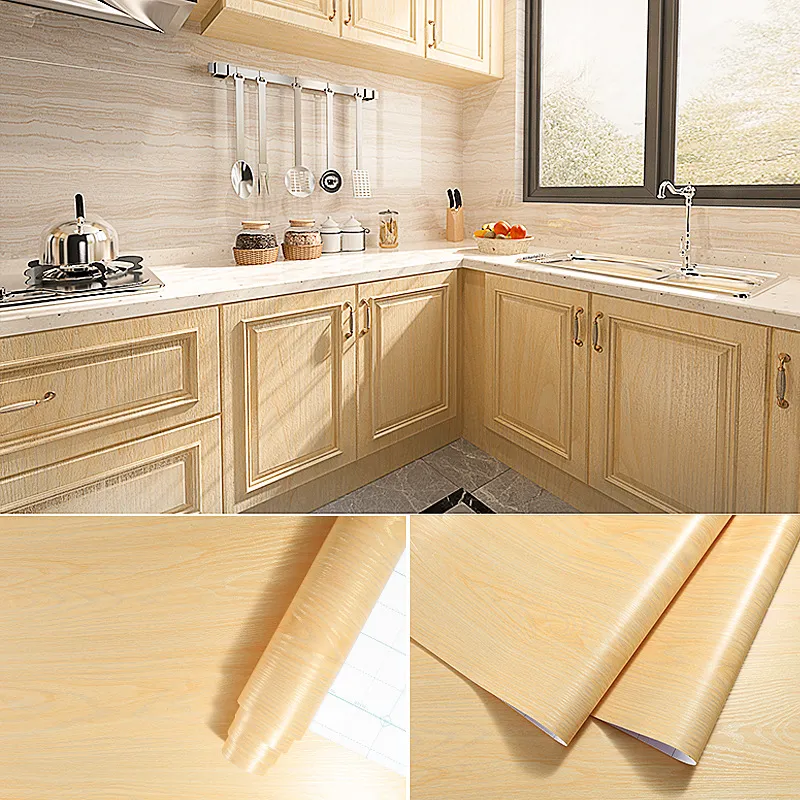
Builders and interior contractors rely on durable pvc film and sheet for wall protection and decoration. Products like solid color wallpaper and stone pattern films allow for rapid room transformations without the mess of traditional wet trades. Furthermore, PVC skirting film provides a moisture-resistant, easy-to-cut solution for finishing the base of plastered walls, protecting them from scuffs and water damage during cleaning.
Vinyl kitchen flooring and bathroom floor stickers represent one of the fastest-growing DIY segments. These products are engineered with a strong wear layer that resists heavy foot traffic, scratches, and stains. The installation is peel-and-stick, making it a favorite for renters and homeowners. The waterproof nature of the pvc film and sheet makes it uniquely suitable for wet areas, preventing the substrate from swelling or harboring mold.

Beyond aesthetics, the technical properties of PVC are critical. According to the rigorous testing defined under the ASTM D1003 standard for haze and luminous transmittance, manufacturers can produce optically clear calendered films for touch screens and display protection. Additionally, antistatic formulations prevent dust attraction and electrical discharge, safeguarding sensitive electronic components during assembly and transport.
Why do specifiers and procurement managers consistently opt for pvc film and sheet over alternatives like ABS, acrylic, or traditional paint? The answer lies in a unique convergence of technical and economic advantages:
Selecting the correct pvc film and sheet involves more than just picking a color. You must align the physical properties of the film with the demands of the application and the substrate. Here is a step-by-step selection framework:
Will the material be used indoors or outdoors? For exterior applications, ensure the film is formulated with UV stabilizers to prevent yellowing and embrittlement. A film that passes the ASTM D1204 test for dimensional stability is crucial in environments with fluctuating temperatures, as it ensures the adhesive layer won’t fail due to expansion or contraction.
Not all pvc film and sheet adhere well to every surface. Determine if you need a self-adhesive peel-and-stick backing or a thermoforming-grade film for lamination onto MDF with an adhesive like PUR. For difficult substrates like high-density polyethylene or metal, you may need a specialized primer or a film with an aggressive acrylic adhesive.
Thickness, typically measured in millimeters, dictates durability and conformability. Sheeting used for vacuum pressing furniture doors usually ranges from 0.12mm to 0.50mm, while a thin packaging film might be as low as 0.03mm. The ISO 4593 standard outlines precise methods for measuring film thickness, a key quality control checkpoint for suppliers.
The tactile experience is often the deciding factor for consumers. Decide whether you require a high-gloss finish for a modern look, a matte or super-matte finish to hide fingerprints, or a deep embossed texture like 3D silk or wood grain for realism. The specular gloss can be objectively measured using standards like ASTM D2457 to ensure batch-to-batch consistency.
Modern manufacturing has responded to environmental concerns with significant vigor. The VinylPlus circularity initiative showcases how the industry is moving towards a sustainable future through mechanical and chemical recycling. Furthermore, leading manufacturers now offer lead-free and phthalate-free formulations, known as non-toxic PVC, which comply with the stringent REACH restrictions for products destined for the European market. These eco-friendly options are safe for indoor air quality, making them suitable for nurseries and bedrooms.
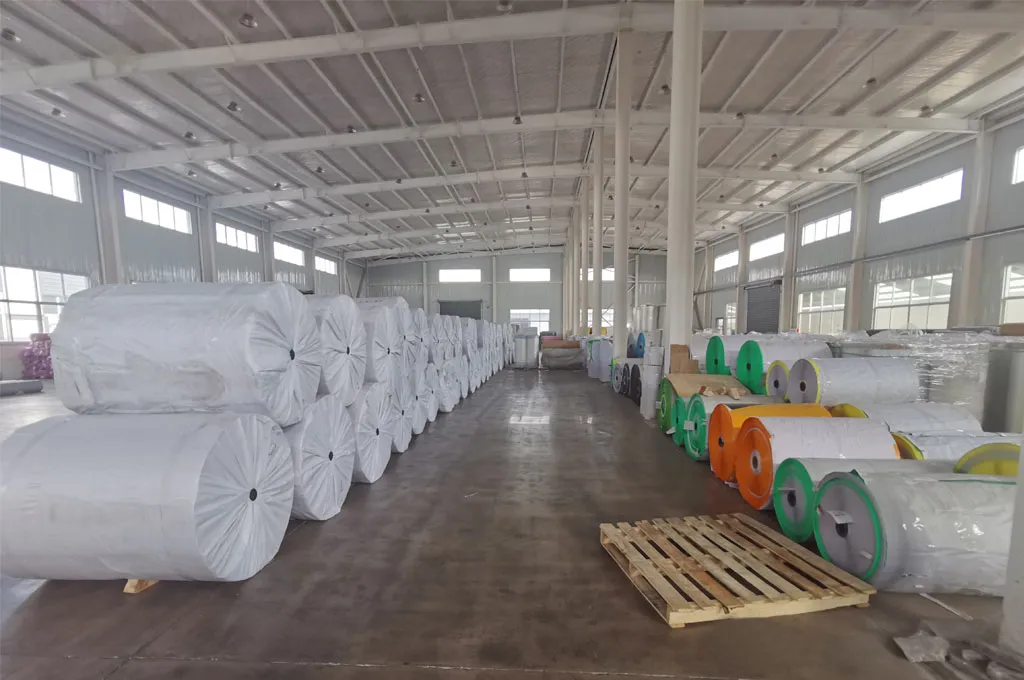
When you source your materials from a vertically integrated supplier like Henan Pulivk New Materials Co., Ltd., you benefit from full in-house production chains. From calendering and printing to split-packaging, this source-level control not only stabilizes lead times but also ensures that every roll meets your customized specifications without compromise. Whether you need a small batch of custom-colored pvc film and sheet or a bulk container order, the combination of modern equipment and rigorous quality control checkpoints guarantees consistent results.
To explore the full range of products and technical specifications, feel free to browse our online catalog or reach out directly for a sample kit. The right pvc film and sheet can elevate your product, protect your surfaces, and deliver a premium finish that stands the test of time.