Address
304 North Cardinal St.
Dorchester Center, MA 02124
Work Hours
Monday to Friday: 7AM - 7PM
Weekend: 10AM - 5PM
Address
304 North Cardinal St.
Dorchester Center, MA 02124
Work Hours
Monday to Friday: 7AM - 7PM
Weekend: 10AM - 5PM


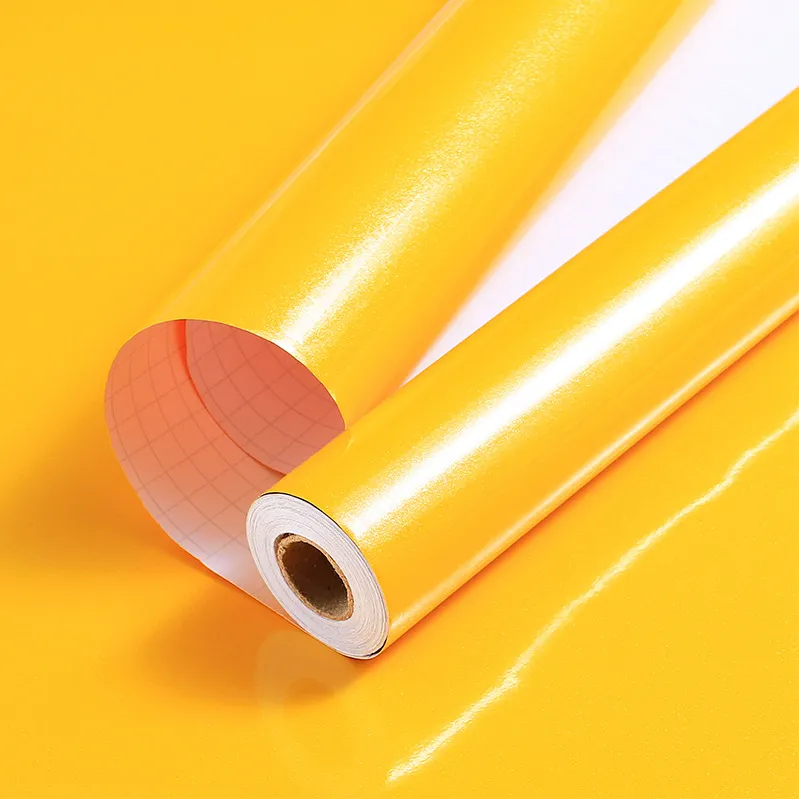
3D PVC film for wrapping has become a go-to solution for manufacturers, contractors, and DIY renovators who want a fast, clean, and visually premium surface upgrade—without repainting, re-laminating, or replacing entire panels. From furniture facelifts and door skins to retail fixtures and appliance panels, modern 3D embossed textures can convincingly mimic wood pores, stone depth, brushed metal, woven fabric, and artistic patterns while adding practical protection.
This guide explains what 3D PVC wrapping film is, the benefits you can expect, where it performs best, and how to choose the right finish for durability, aesthetics, and cost. You’ll also find a practical selection checklist and common questions at the end.
3D PVC film is a decorative polyvinyl chloride surface film designed to be wrapped or laminated onto substrates such as MDF, plywood, particle board, metal sheets, PVC boards, and composite panels. The “3D” effect typically refers to embossed depth (raised and recessed texture) and/or high-definition printing that creates realistic visual layers.
Key idea: A good 3D wrapping film is not only about looks. It’s a system that balances print clarity, emboss stability, adhesion compatibility, and wear resistance for the intended environment.
For large-scale projects, many buyers start from a stable base material such as calendered film and then choose printing, embossing, and functional coatings to match the application.
3D embossing can replicate tactile details—wood grains, silk-like fabric, leather-like microtexture, or hammered metal—at a fraction of the cost of natural materials. This makes it ideal for brands that want consistent “premium feel” across multiple SKUs and batches.
Wrapping can refresh surfaces with minimal downtime compared with sanding and painting. In many environments (retail, hospitality, office fit-outs), speed matters because closures cost money.
Quality PVC decorative films improve scratch resistance and stain resistance while offering easy wipe-clean maintenance. Depending on the coating, they can also support anti-fingerprint performance and enhanced chemical resistance for routine cleaners.
With OEM/ODM capabilities, you can customize color matching, pattern repeats, gloss level, and roll dimensions to fit your production process and market preferences—useful for furniture lines, wall panels, doors, and display systems.
When a supplier controls calendering, printing, and slitting/packing in-house, it’s easier to maintain consistent thickness, emboss depth, and color across batches—critical for chain-store rollouts or multi-unit property projects.
✔ Practical win:
If your surfaces are structurally sound but visually outdated, 3D PVC wrap is often the quickest route to “new look” results—especially for flat panels, cabinet faces, and large wall areas.
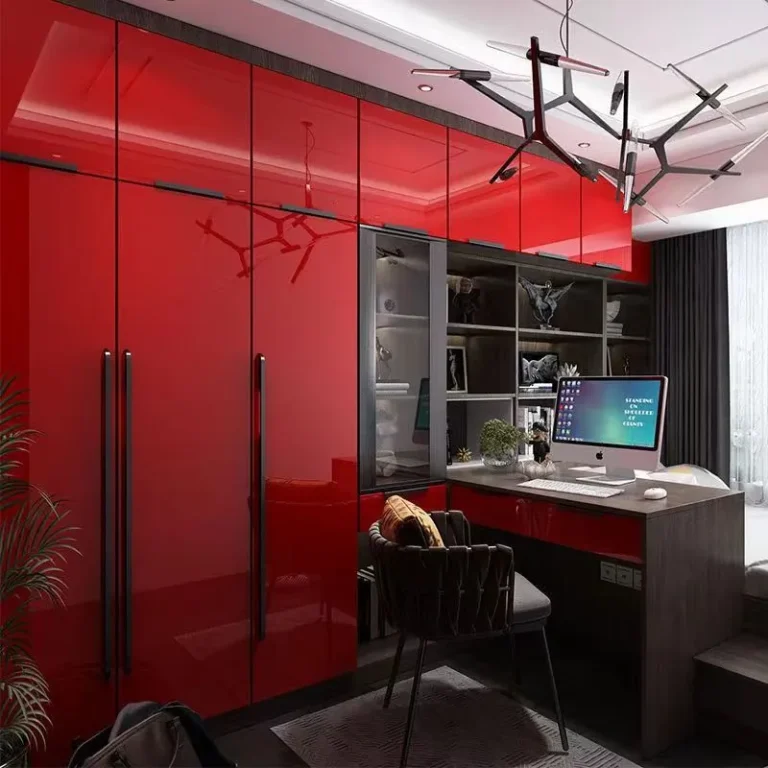
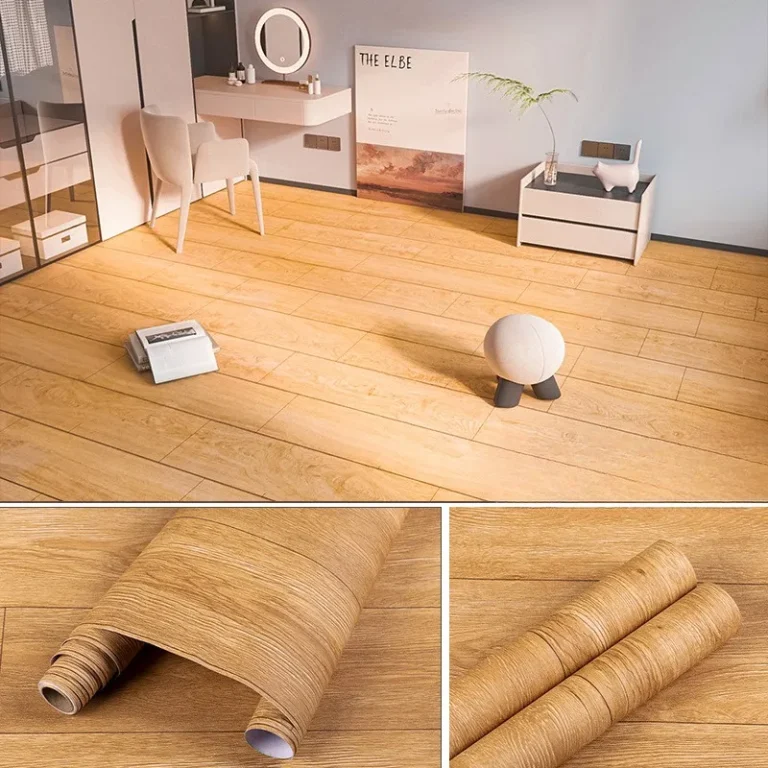
Wrapping films are widely used on wardrobe doors, cabinet panels, sideboards, headboards, and office furniture. A realistic wood pattern can be sourced from options like wood grain film, while higher-reflection interiors may prefer glossy or satin finishes for a more contemporary style.
Commercial interiors often need consistent, cleanable finishes. 3D PVC films can simulate stone, fabric, and artistic textures for lobbies, corridors, feature walls, and partitions—without the weight and cost of real stone slabs or specialty cladding.
Skirting and trim wraps help unify a room’s look while protecting high-contact zones from scuffs. For purpose-built options, see PVC skirting film.
Store displays, counters, and shelving systems benefit from 3D finishes because they look premium under bright lighting and are easier to refresh seasonally. Embossed textures also hide minor surface handling marks better than ultra-flat gloss surfaces.
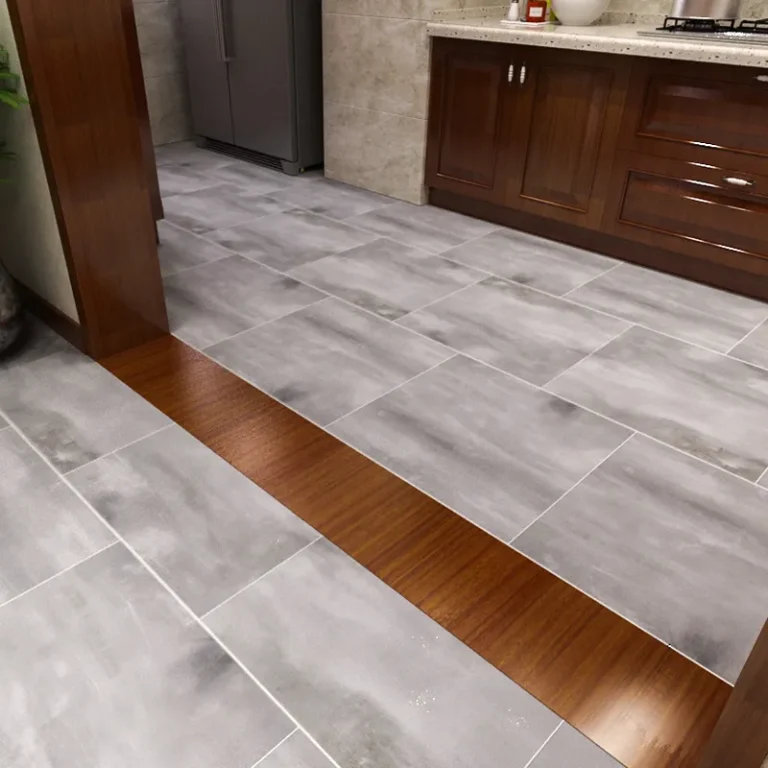
Flooring is a specialized use case that demands stricter wear and slip requirements. If your project is floor-oriented, use dedicated materials designed for that environment, such as floor film, rather than general furniture wrap.
⚑ Quick rule: Choose your finish based on lighting, touch frequency, cleaning chemicals, and expected service life—not only on a sample viewed under showroom lamps.
If possible, evaluate samples under your actual environment: warm lighting vs cool lighting, sunlight exposure, and real cleaning routines.
Start with the look: wood, stone, metal, fabric, or solid color. Then decide whether you want a subtle tactile effect (micro-emboss) or a bolder “hand-feel” (deep emboss).
Best for residential-style cabinetry, office furniture, and hospitality interiors. A synchronized emboss (texture aligned with the printed grain) improves realism and perceived quality.
Suitable for feature walls, counters (non-direct food prep surfaces unless certified), and high-contrast modern interiors. Consider lower gloss if the area has strong side lighting that could highlight seams.
For marble aesthetics, explore marble film.
Excellent for panels that people touch often: wardrobe doors, reception counters, or retail fixtures. A popular category is 3D silk texture film, known for understated depth and refined tactility.
Gloss is more than style—it affects fingerprints, scratch visibility, and how the space feels.
Emboss depth influences both aesthetics and practicality:
• Deeper emboss can look more realistic and hide light scuffs, but may trap dust in certain environments.
• Micro-emboss is easier to clean and often preferred for kitchens, clinics, and high-maintenance commercial interiors.
The best thickness depends on whether you are doing flat lamination, profile wrapping, or vacuum membrane pressing. Films must bend cleanly without whitening, cracking, or losing emboss definition on corners and radii.
When comparing samples, test them on your smallest radius and most complex profile. If you are wrapping door frames, trims, or grooved cabinet faces, flexibility and heat response matter as much as appearance.
Wrapping films may be used with different adhesive approaches depending on your process: hot-melt, solvent-based, water-based, PUR, or self-adhesive constructions. Mismatch is a common cause of bubbling, edge lifting, or long-term delamination.
⚠ Installation note: Always validate bond strength after full curing time, not only immediately after application.
If you are switching suppliers, changing substrate, or altering press temperature, run a small pilot to confirm adhesion and edge performance.
Beyond decoration, many projects benefit from functional surface treatments:
Kitchen cabinets & pantry units: satin or matte + stain-resistant coating; micro-emboss to simplify cleaning.
Wardrobes & bedroom furniture: wood grain with synchronized emboss or silk texture; semi-matte for calm lighting.
Retail counters & fixtures: deeper emboss or textured matte to hide handling marks; consider anti-fingerprint.
Wall panels & partitions: stone/marble or fabric textures; choose gloss based on ambient light to avoid glare hotspots.
Because wrapping film is a “finish layer,” small variations become very visible across large surfaces. Before you confirm a bulk order, clarify how the supplier manages consistency from raw material to finished rolls.
In-house control over calendering, printing, and slitting/packing helps reduce lead time and improves batch stability. Ask about thickness tolerance, color management, emboss tooling control, and batch traceability.
For indoor decoration and human-contact applications, confirm that materials are free of heavy metals and phthalates and can meet requirements such as ISO management systems and chemical compliance (commonly requested: REACH, RoHS, FDA depending on usage). Also ask whether inks and coatings are designed for low odor and indoor suitability.
Protective packaging (dust-proof PE wrap or kraft paper, labeled by specification) helps prevent edge damage, dust imprinting, and moisture issues—especially for export shipping and long-distance delivery.
Clean, dry, and stable substrates are non-negotiable. Dust, silicone residue, wax, and uneven fillers can cause visible defects or bonding failures that appear days after installation.
If using heat-assisted wrapping, keep process temperatures within the film’s recommended range. Overheating can soften emboss structure or distort print registration; underheating can cause poor conformity around corners.
Corners, edges, and handles are the first failure points. Choose a finish with appropriate flexibility, and ensure adhesive coverage is uniform. Where frequent impacts occur (e.g., retail counters), consider more textured finishes that hide wear and plan protective edge details in the design stage.
If you serve multiple customer segments, OEM customization can differentiate your product line without changing your underlying substrate. Typical customization includes thickness, width, roll length, emboss pattern, gloss level, functional coatings (anti-static/anti-fog), printing, and packaging labels.
★ Business advantage:
When your supplier can run full-process production (calendering → printing → slitting/packing), you can often get shorter lead times, more stable color lots, and lower total cost—especially on multi-SKU collections.
Yes, when you choose a finish with appropriate stain resistance and compatible adhesive. For wet zones, ensure proper edge sealing and avoid trapping moisture under the film.
Calendered film refers to the manufacturing method that creates a stable PVC sheet. Decorative 3D film typically adds printing, embossing, and sometimes functional top coatings on top of that base.
Matte hides fingerprints and glare better; glossy looks brighter and more “luxury” but shows smudges more easily. For high-touch doors, satin or matte is often the easiest to maintain.
In most OEM/ODM programs, yes. You can typically customize thickness, width, roll length, emboss texture, printing design, and packaging labels to match your production and branding needs.
Share the application (furniture/wall/trim), required thickness and width, finish (gloss/matte/emboss), color or pattern reference, adhesive/lamination method, and estimated quantity—then request samples for real-condition testing before mass production.