Address
304 North Cardinal St.
Dorchester Center, MA 02124
Work Hours
Monday to Friday: 7AM - 7PM
Weekend: 10AM - 5PM
Address
304 North Cardinal St.
Dorchester Center, MA 02124
Work Hours
Monday to Friday: 7AM - 7PM
Weekend: 10AM - 5PM


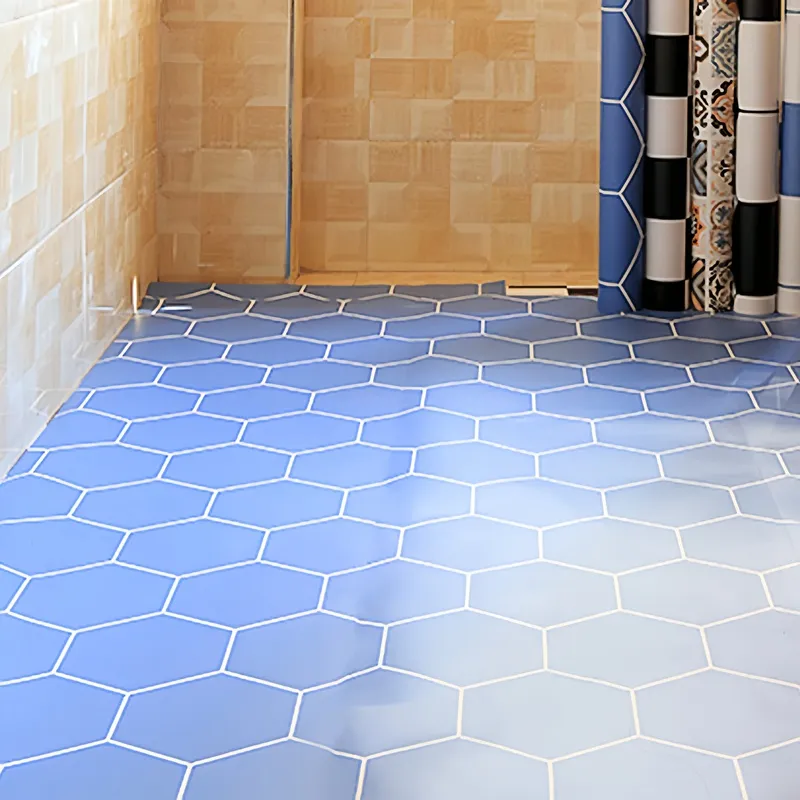
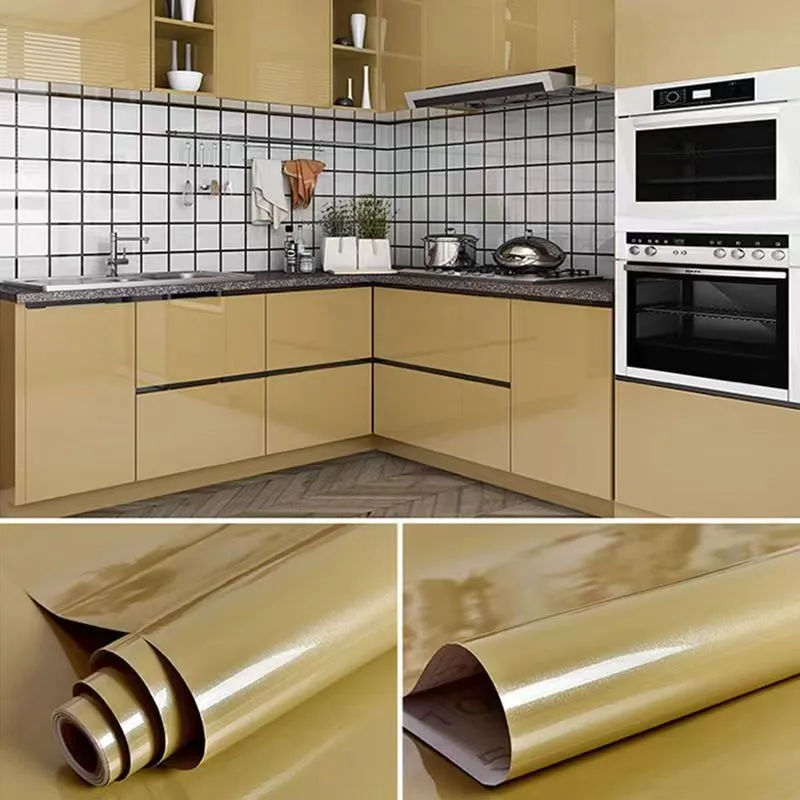
High gloss PVC film is a premium decorative surface solution designed to deliver a mirror-like shine, strong visual depth, and easy-clean performance for modern furniture and interior design. From sleek kitchen cabinet fronts and wardrobe doors to wall panels and commercial fixtures, it helps brands and fabricators achieve a “lacquer look” with better consistency, faster processing, and more controllable cost. This guide explains benefits, common uses, technical specifications, and a practical buying checklist—so you can select the right film for your project with confidence.
Key takeaway:
High gloss PVC film is not just “shiny plastic.” When engineered correctly (optical clarity, surface hardness, stable thickness, reliable adhesion), it becomes a high-performance finish suitable for daily-touch furniture surfaces.
High gloss PVC film is a thin decorative sheet made from polyvinyl chloride (PVC) with a specially controlled surface finish that reflects light strongly and evenly. Depending on application, it can be supplied as calendered film, printed decorative film, textured film, or self-adhesive film. For furniture manufacturing, it is commonly laminated onto panels (MDF, particle board, plywood) or applied on profile-wrapped components using vacuum press or wrapping machines.
In production, consistent gloss depends on raw material control, calendering precision, coating/printing stability, and strict quality inspection. If you are comparing base film types, calendered options are a common foundation for decorative surfaces—see
Calendered Film
for a reference category used widely in interior decorative applications.
◆ 1) High-end aesthetic with strong depth
High gloss surfaces amplify space perception and lighting. In compact apartments, showrooms, and retail interiors, reflective fronts can make rooms feel larger and more premium.
◆ 2) Fast, repeatable production vs. painted lacquer
Compared with multi-layer spray painting, film lamination can reduce process steps and reduce variability between batches—especially important for large cabinet projects that require consistent color and gloss across multiple shipments.
◆ 3) Easy cleaning for high-touch environments
The smooth surface allows routine cleaning with mild detergent and soft cloth. This makes it practical for kitchens, wardrobes, hospitality furniture, and commercial interiors where maintenance time matters.
◆ 4) Broad design flexibility
High gloss can be paired with solid colors, marble looks, metallic tones, or mixed-material concepts. For example, bright solid fronts can be combined with stone patterns for a modern contrast—browse
Marble Film
as a complementary decorative option.
◆ 5) Suitable for OEM/ODM customization
You can tailor thickness, width, roll length, colors, printing, and packaging to match your production line and local market taste—especially useful for brands building a consistent “signature gloss” across product lines.
High gloss PVC film is widely used anywhere a clean, reflective surface is desired—while keeping fabrication scalable. Below are practical, high-frequency applications:
When buying high gloss PVC film, the “best” option depends on where and how it will be used. A cabinet door surface needs different performance than a vertical wall panel. Use the following checklist to compare suppliers and avoid hidden risks.
Common furniture films fall into multiple thickness ranges depending on process and function. More important than the nominal value is tolerance stability across the roll and between batches. Stable thickness supports consistent lamination pressure, predictable forming, and fewer surface waves.
A true high gloss film should reflect light evenly without haze, orange peel, or micro-scratch marks coming from packaging or handling. For showroom-grade furniture, uniformity matters as much as the numeric gloss value.
Tip for sampling:
Ask for multiple rolls from different batches if your project is large. Compare color, gloss, and surface clarity under both cool-white and warm lighting.
Solid colors need tight delta control so cabinet fronts match over time. Printed designs need stable registration and repeat length, especially when different panels must align visually in a modular installation.
Evaluate tensile strength, elongation, and tear resistance according to your forming method. For wrapping and profiling, you need sufficient elongation without whitening or gloss cracking.
High gloss film performance depends heavily on matching the film to the right adhesive and board. Compatibility affects edge lift, bubbling, and long-term durability. Confirm whether your line uses PUR, solvent-based, water-based, or hot-melt systems, and validate with real press conditions.
Depending on environment and user behavior, consider add-ons like anti-static, anti-fog, or special protective coatings. In kitchens and high-traffic furniture, surface protection can significantly reduce visible fingerprints and micro-scratches.
For interior projects, confirm relevant compliance such as ISO management systems and chemical restrictions (e.g., REACH/RoHS). If the film may contact skin or be used in sensitive environments, request test reports and ensure the supplier uses eco-friendly, non-toxic inks.
High gloss is ideal when you want visual impact and a “luxury” look. Matte works better for subtle, calm interiors and can hide fingerprints more easily. Textured films offer tactile comfort and can reduce reflection while adding design depth.
If your customers value a softer visual feel or want to hide minor handling marks, a textured decorative film can be a better fit. For example, tactile options like
3D Silk Texture Film
can deliver premium “touch” while maintaining design sophistication.
Even the best film can look poor if processing parameters are wrong. The final appearance depends on substrate flatness, adhesive selection, temperature/pressure control, and edge treatment.
Common for cabinet doors and furniture panels. Critical factors include board sanding quality, dust control, adhesive coating weight, pressing temperature, and sufficient curing time before machining.
Used for shaped edges and routed patterns. Film must have suitable elongation and heat response. Pay attention to corner forming, edge sealing, and cooling to prevent stress marks and later edge lift.
Whether you are a furniture factory, distributor, or brand owner, sourcing is easier when you treat film selection like a system—material + process + packaging + service.
MOQ varies by thickness, color, pattern, and customization level. Many suppliers support both trial orders and mass production. For OEM/ODM projects, clarify color matching targets, roll width/length, core size, and whether you need separate protective wrapping per roll.
A supplier with integrated calendering, printing, and slitting/packaging can control quality more tightly and reduce delivery risk. Full-process control usually improves batch stability, shortens lead time, and allows more flexible customization—especially for large furniture programs requiring repeat orders over months.
Procurement note:
If you plan to expand beyond glossy surfaces, consider a coordinated decorative set (wood grain, stone, solid color) so your product catalog stays visually consistent. For example:
Wood Grain Film
can complement high gloss solid colors for a balanced “warm + modern” furniture line.
Daily maintenance is straightforward: wipe with a soft cloth and mild cleaner. For glossy surfaces, prevention is as important as cleaning—use protective packaging during transport, avoid abrasive pads, and maintain clean workstations to reduce micro-scratches during installation.
1) Is high gloss PVC film suitable for kitchen cabinets?
Yes, it is commonly used for cabinet doors because it is easy to clean and delivers a premium look. Confirm adhesion compatibility, edge sealing, and surface coating requirements for oil and frequent wiping.
2) How do I prevent scratches on high gloss surfaces?
Use protective packaging during cutting and assembly, keep worktops dust-free, and clean with microfiber cloth only. If your project is high-touch, ask about protective top coatings.
3) What specifications should I share to get an accurate quotation?
Provide film type, thickness, width, roll length, color/pattern reference, surface finish (high gloss level), application method (lamination/wrapping), and target quantity.
4) Can high gloss PVC film be customized for OEM/ODM projects?
Yes. Common customizations include thickness, width, color matching, printed designs, functional coatings (e.g., anti-static), and export-ready packaging with specification labels.
5) How can I verify consistent quality across batches?
Request batch traceability, QC inspection records, and pre-production samples. For large orders, test multiple rolls from different batches under the same lamination conditions before final confirmation.