Address
304 North Cardinal St.
Dorchester Center, MA 02124
Work Hours
Monday to Friday: 7AM - 7PM
Weekend: 10AM - 5PM
Address
304 North Cardinal St.
Dorchester Center, MA 02124
Work Hours
Monday to Friday: 7AM - 7PM
Weekend: 10AM - 5PM


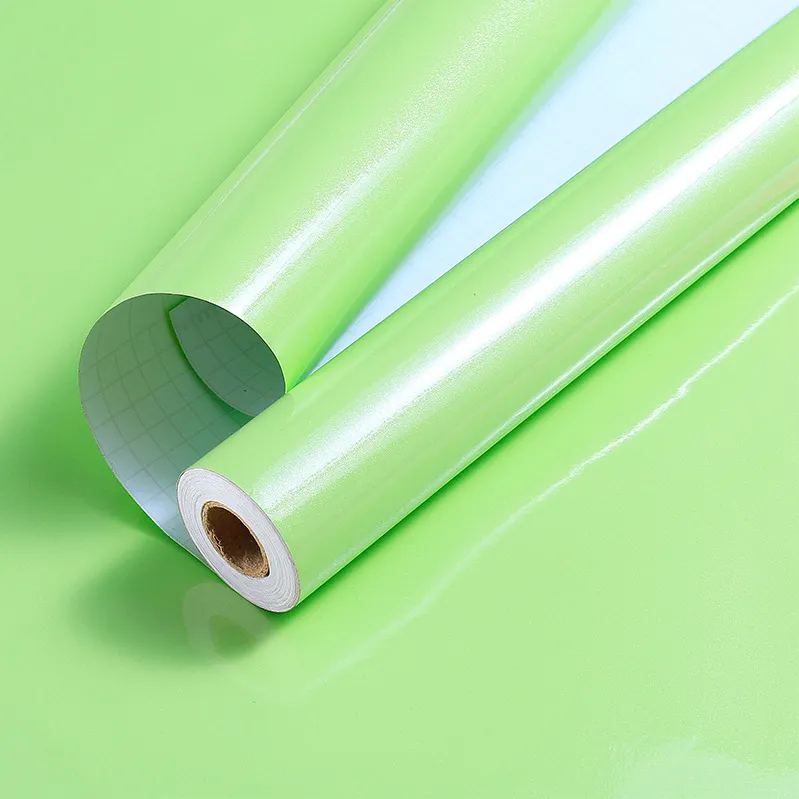
Stretch ceiling PVC film has become a go-to solution for designers and contractors who want a clean, modern finish without the mess of traditional ceiling renovation. It delivers a smooth, continuous surface that can brighten a space, hide imperfections, and integrate lighting in a way that feels architectural rather than decorative. This guide covers what stretch ceiling PVC film is, why it performs so well, how installation works, and where it makes the most sense in contemporary interiors.
Key takeaway:
A stretch ceiling uses a tensioned PVC membrane fixed into perimeter tracks. The result is a perfectly level, low-maintenance ceiling that can be installed quickly and paired with hidden LEDs, acoustic layers, or printed effects.
Stretch ceiling PVC film is a flexible polyvinyl chloride membrane manufactured to consistent thickness and strength, then cut and welded to fit a room’s dimensions. During installation, the film is warmed and tensioned into a special perimeter profile (often aluminum or PVC). Once cooled, it becomes taut, forming a seamless plane.
Compared with gypsum board or plaster finishes, the membrane method reduces dust, shortens installation time, and avoids curing and repainting. It also enables design options like high-gloss reflections, matte minimalism, translucent backlighting, or textured effects that mimic fabric, stone, or metal.
✔ Practical definition:
A stretch ceiling is a tensioned PVC film system consisting of (1) perimeter track, (2) membrane, and (3) accessories such as corners, rings, diffusers, and lighting mounts.
Modern interiors tend to prioritize clean lines, controlled lighting, and surfaces that stay visually calm. Stretch ceiling PVC film matches that brief because it provides a uniform finish that hides waviness, cracks, patch repairs, or uneven paint. It also reduces visible joints—an advantage in open-plan layouts and minimalist homes where ceiling imperfections stand out.
High-performing stretch ceilings depend on consistent film thickness, stable color, reliable tensile strength, and controlled surface finish. Manufacturers with full-process production (calendering, printing, slitting, packing) can better maintain consistency across batches and shorten lead times for projects with tight schedules.
Choosing the right film finish is both a visual and technical decision. A glossy ceiling can amplify light and make compact rooms feel larger, while matte reduces reflections and looks more architectural. Textured films add depth and can soften echo in large spaces when combined with acoustic layers.
Matte PVC film: clean, modern, low-reflection. Ideal for living rooms, offices, galleries, and any space where glare control matters.
High-gloss PVC film: mirror-like effect that boosts brightness and visual height. Best in lobbies, retail, and compact corridors—use carefully in bedrooms if reflections feel distracting.
Translucent (luminous) PVC film: pairs with LED panels/strips behind the membrane to create a soft, shadow-free “light ceiling.” Great for clinics, beauty studios, kitchens, and modern hospitality.
Textured & embossed films: add tactile depth and help disguise minor dust or marks. For fabric-like effects, consider a silk-style surface such as
3D silk texture film.
Many PVC decorative and architectural films are produced using calendering—an industrial process that delivers controlled thickness and smoothness for stable performance. If you are comparing specifications for large commercial ceilings, start by understanding the base material options such as
calendered film,
then confirm which ceiling system profiles and welding methods your installer uses.
Stretch ceiling installation is more like precision fitting than traditional ceiling finishing. Most issues people worry about—sagging, wrinkles, uneven edges—come down to measurement accuracy, perimeter preparation, and correct tensioning temperature.
⚠ Installation tip:
Plan lighting early. A luminous ceiling needs space for LED layout, diffusion distance, ventilation for drivers, and access panels for maintenance. Late changes can force visible patches or uneven brightness.
Stretch ceiling PVC film works in both residential and commercial spaces, but it’s especially effective where you need speed, cleanliness, and a premium finish. Below are practical use cases that pair performance with design intent.
In open-plan layouts, ceilings visually connect zones. A matte stretch ceiling gives a calm, uniform plane, while a subtle texture can add softness without busy patterns. Consider integrating linear LED channels to reinforce the geometry of the space and make circulation feel intentional.
Kitchens demand surfaces that handle humidity and occasional residue. Stretch ceilings can be wiped clean, and they pair well with practical protective films used in cooking zones. For example, if you are coordinating ceiling upgrades with cabinet and backsplash protection, you may also explore
kitchen anti-oil film
for high-splash areas to maintain a consistent, easy-care finish throughout the room.
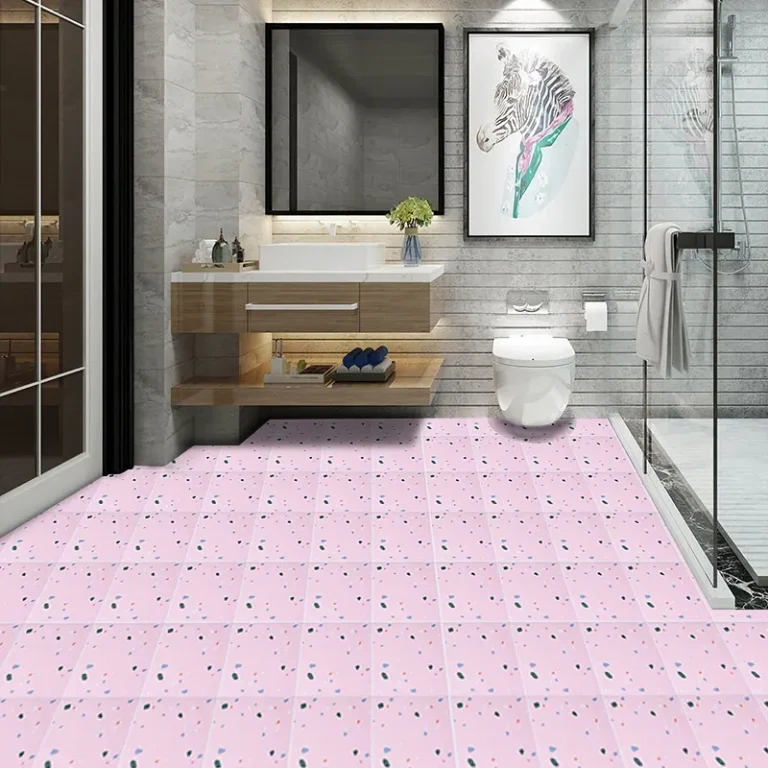
Bathrooms benefit from moisture-resistant ceiling solutions, especially in apartments and hotels where ventilation varies. A bright matte ceiling improves perceived cleanliness, while translucent film with warm lighting can create a spa mood. Coordinate with slip-resistant and water-friendly floor surface options such as
bathroom floor stickers
when you want a quick refresh with minimal demolition.
Retail and hospitality projects often prioritize fast turnaround and consistent appearance across multiple sites. Stretch ceilings can standardize lighting and finish while supporting brand colors or prints. High-gloss ceilings can amplify brightness, while luminous ceilings make products look evenly lit without harsh shadows.
Modern workplaces and clinics prefer surfaces that look crisp, resist staining, and are easy to maintain. Translucent ceilings with diffused LED lighting can reduce glare on screens and create a calm, professional atmosphere.
If you want a cohesive interior language, align ceiling finish with wall and trim materials. Neutral matte ceilings pair well with minimal wall coverings such as
solid color wallpaper,
helping the space feel larger and more “architected” without adding visual noise.
Selection is not just about color. The best results come from matching the film type, thickness, finish, and ceiling system accessories to the room’s function and lighting plan.
Stretch ceiling PVC film is designed for everyday interiors, but good maintenance habits keep the surface looking “just installed.” In most cases, routine dusting and occasional wiping are enough.
🧼 Use: a soft microfiber cloth, mild soap solution, and gentle wiping motion.
🚫 Avoid: abrasive pads, strong solvents, and aggressive scrubbing—these can dull glossy finishes or mark matte surfaces.
🔧 Plan access: keep lighting drivers and key junctions reachable so future servicing doesn’t require partial disassembly.
Indoor materials should support healthy, comfortable living. Many modern PVC films are produced with controlled formulations and inks intended for interior decorative use. When specifying for projects such as schools, medical spaces, or hospitality, request documentation for relevant standards and confirm the film is suitable for long-term indoor exposure.
Beyond compliance, durability is also a sustainability factor: a ceiling that stays clean-looking and stable for years reduces repainting cycles and renovation waste. For large or multi-site projects, consistent manufacturing and batch control help maintain uniform appearance between rooms and phases.
Stretch ceiling pricing varies by room size, geometry, finish, and lighting complexity. A simple rectangle in matte film is typically more economical than a multi-level design with luminous panels, custom prints, or numerous cutouts.
Stretch ceiling PVC film is a strong option for modern interiors that need a refined finish, quick installation, and lighting integration. Whether you’re renovating a home, outfitting a retail space, or upgrading hospitality rooms, the system delivers a sleek ceiling plane that can be customized from understated matte to dramatic luminous designs.
The best outcomes come from choosing the right film finish, planning lighting early, and working with experienced installers who understand tensioning, detailing, and long-term service access.
When properly measured and tensioned into the correct track system, the membrane stays taut for years. Sagging is usually linked to poor installation, incorrect heating, or inadequate perimeter fixing.
Yes. Fixtures require proper mounting platforms and reinforcement rings so the film is supported and protected at cutouts. Plan locations before the membrane is installed.
It’s commonly used in bathrooms due to moisture resistance, but performance depends on correct detailing (sealed edges, ventilation, and compatible fixtures).
Use a soft microfiber cloth and mild soapy water. Avoid abrasive pads and strong solvents that may damage the surface finish.
Matte is best for glare control and a minimal look, glossy increases brightness and perceived height, and translucent is ideal for luminous ceilings with diffused LED lighting.