Address
304 North Cardinal St.
Dorchester Center, MA 02124
Work Hours
Monday to Friday: 7AM - 7PM
Weekend: 10AM - 5PM
Address
304 North Cardinal St.
Dorchester Center, MA 02124
Work Hours
Monday to Friday: 7AM - 7PM
Weekend: 10AM - 5PM


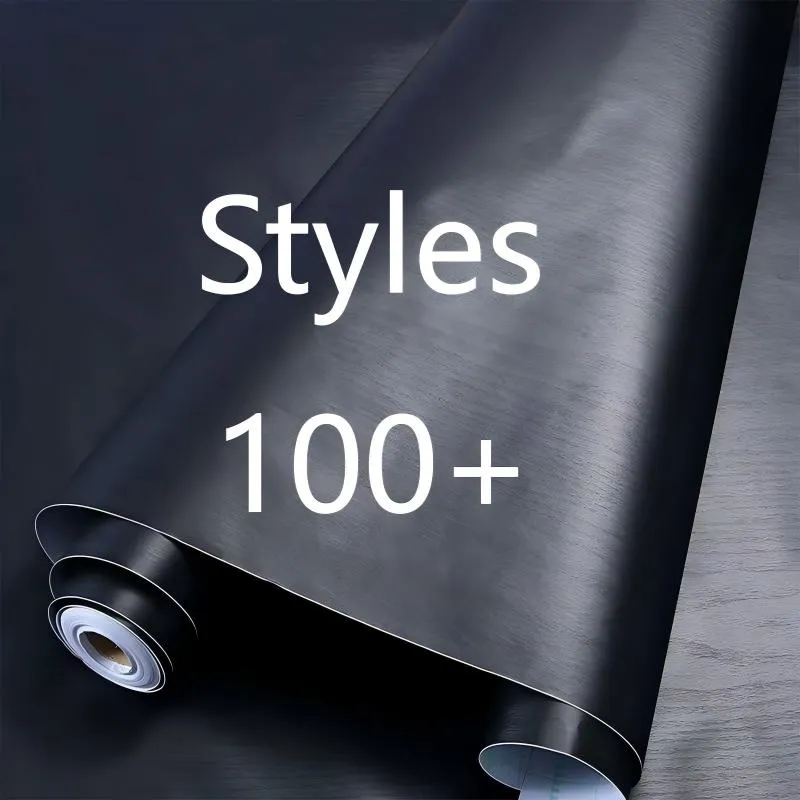
Air duct film, a specialized subset of PVC films, plays a crucial role in modern HVAC (Heating, Ventilation, and Air Conditioning) systems. These thin, durable sheets are designed to line or wrap air ducts, providing a smooth, sealed surface that improves air quality, enhances energy efficiency, and protects the ductwork from corrosion and dust accumulation. Unlike standard decorative films, air duct films are engineered with specific properties to withstand airflow, temperature variations, and potential moisture within duct systems.
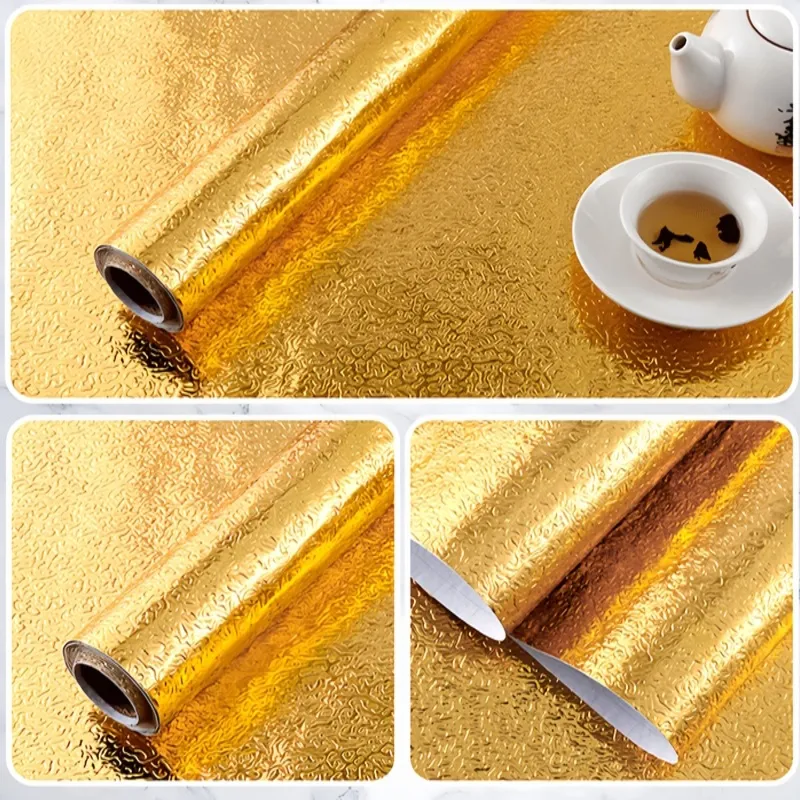
The performance of an air duct film is largely determined by its type and material composition. Selecting the right film is essential for meeting the specific demands of an HVAC project.
This is the most common type, typically made from flexible, calendered PVC. It acts as a protective inner lining for sheet metal ducts, preventing fiberglass from shedding into the airstream and providing a smooth surface that reduces air resistance (friction loss). It is excellent for improving indoor air quality in commercial and residential buildings.
This film is part of a composite material used to wrap the exterior of ducts. It often features a foil or reinforced layer bonded to a foam insulation backing. The film layer serves as a vapor barrier and protective jacket, preventing condensation and thermal loss, thereby boosting the overall energy efficiency of the HVAC system.
For critical environments like hospitals, laboratories, and cleanrooms, specialized films are used. Antimicrobial films inhibit the growth of mold, bacteria, and fungi within the ductwork. Anti-static films prevent the buildup of static electricity, which can attract and hold dust and particulate matter, ensuring cleaner airflow.
This film forms the inner core of flexible, round ducts. It is designed to be highly flexible and crush-resistant, maintaining an open airway even when the duct is bent. It’s often reinforced with metal wire or synthetic fibers for structural integrity and is crucial for installations requiring ductwork to navigate around obstacles.
• Low VOC Emission: Essential for maintaining healthy indoor air quality.
• Fire Resistance (Class 1 / Class A): A non-negotiable safety requirement for building codes.
• Flexibility & Tear Strength: Must withstand installation handling and air pressure.
• Temperature Tolerance: Should perform consistently across the operating range of the HVAC system.
Air duct film is indispensable across various sectors, solving practical problems related to air delivery, hygiene, and energy conservation.
Commercial & Office Buildings: In large-scale HVAC systems, liner films in main supply and return ducts minimize friction, allowing fans to work less hard and significantly reducing energy costs. They also contain insulation fibers and prevent metal corrosion.
Healthcare Facilities: Hospitals use antimicrobial duct liner films in operating rooms, isolation wards, and patient rooms to control pathogens. The smooth surface is also easy to clean during maintenance, supporting strict hygiene protocols. For other hygienic surfaces in such environments, materials like marble film might be used on walls or furniture for easy cleaning.
Residential HVAC Systems: Increasingly used in high-performance homes for improved air quality. Liner films prevent dust from accumulating in ductwork, which is a common source of allergens and irritants for homeowners.
Industrial & Manufacturing Plants: Ducts in factories may be exposed to corrosive fumes or high humidity. Specialized films with enhanced chemical resistance protect the duct metal, extending the system’s lifespan and ensuring consistent airflow for ventilation or process needs.
Retail & Hospitality: In restaurants, hotels, and shopping malls, quiet operation is key. Acoustic duct liner films help dampen the noise from airflow and equipment, creating a more pleasant environment for guests and customers. The aesthetic finish of spaces in these sectors is often enhanced with decorative films, such as wood grain film for furniture or solid color wallpaper for feature walls.
Proper installation is critical to the film’s performance. Incorrect application can lead to air leaks, film detachment, and reduced system efficiency.
1. Duct Assessment: Thoroughly inspect the ductwork. Ensure it is structurally sound, dry, and free of sharp edges, debris, and old, failing liner. Measure the duct dimensions accurately to plan film cutting.
2. Safety First: Wear appropriate PPE—safety glasses, gloves, and a dust mask. Ensure the HVAC system is powered off and locked out.
3. Material & Tool Gathering: You will need the air duct film, a sharp utility knife, a straight edge, a high-quality spray adhesive specifically rated for duct liner (contact adhesive is common), a notched trowel or sprayer for adhesive, and a roller for smoothing.
Step 1: Cutting the Film. Unroll the film on a clean, flat surface. Measure and mark the required dimensions, adding a slight overlap (typically 1-2 inches) for seams. Use a straight edge and utility knife to make clean, straight cuts.
Step 2: Applying Adhesive. Apply a uniform, thin layer of approved adhesive to the back of the film panel or to the duct surface, following the manufacturer’s instructions. Allow it to become tacky (usually 2-5 minutes).
Avoid over-applying adhesive, as excess can bleed through the film or create lumps. For large panels, apply adhesive in sections to prevent it from drying before you can position the film.
Step 3: Positioning & Smoothing. Carefully position the film onto the duct surface. Start from one edge and slowly press it into place, using a roller to work outwards and eliminate air bubbles or wrinkles. Apply firm, even pressure across the entire surface.
Step 4: Seaming & Finishing. For adjacent panels, create a butt joint or a shiplap joint. Ensure seams are tight and sealed with adhesive. Trim any excess film at duct openings, registers, and corners with a sharp knife for a clean finish. Use a seam roller to ensure all edges are fully bonded.
• Curing Time: Allow the adhesive to fully cure (consult product datasheet, often 24-48 hours) before pressurizing the duct system.
• Inspection: Visually inspect all seams and surfaces for proper adhesion and absence of gaps or loose areas.
• System Start-up: Gradually bring the HVAC system online. Monitor for any unusual noises or vibrations that might indicate a loose section of film.
• Documentation: Keep a record of the film type, adhesive used, and installation date for future maintenance reference. For more insights into material applications, you can explore our knowledge base.
It can be installed in both. For retrofit projects, the existing duct must be thoroughly cleaned, dried, and assessed for damage. Installation in existing ducts is more challenging due to access limitations but is a common method for upgrading old, fibrous duct liner.
Primarily in two ways: First, the smooth surface reduces turbulent airflow and friction loss, meaning the fan uses less energy to move air. Second, when used as part of an insulated duct wrap, it prevents thermal loss/gain, reducing the load on heating and cooling equipment.
High-quality, code-compliant air duct films are manufactured to be thermally stable and have low VOC emissions. They are tested to withstand the temperature and humidity ranges within standard HVAC systems without degrading or off-gassing. Always specify films that meet relevant standards like UL 181 for air duct safety.
When installed correctly in a properly maintained HVAC system, a quality air duct film can last the lifetime of the ductwork itself—often 20 years or more. Its lifespan exceeds that of traditional fibrous liners, which can degrade and shed particles over time.
Absolutely not. Only films and adhesives specifically tested, rated, and approved for use in air handling systems (like UL 181 listed) should be used. Using non-compliant materials can pose serious fire hazards, emit harmful fumes, and violate building codes, voiding insurance. For compliant materials, consult with specialists like Pulivk Film who understand industrial specifications.