Address
304 North Cardinal St.
Dorchester Center, MA 02124
Work Hours
Monday to Friday: 7AM - 7PM
Weekend: 10AM - 5PM
Address
304 North Cardinal St.
Dorchester Center, MA 02124
Work Hours
Monday to Friday: 7AM - 7PM
Weekend: 10AM - 5PM


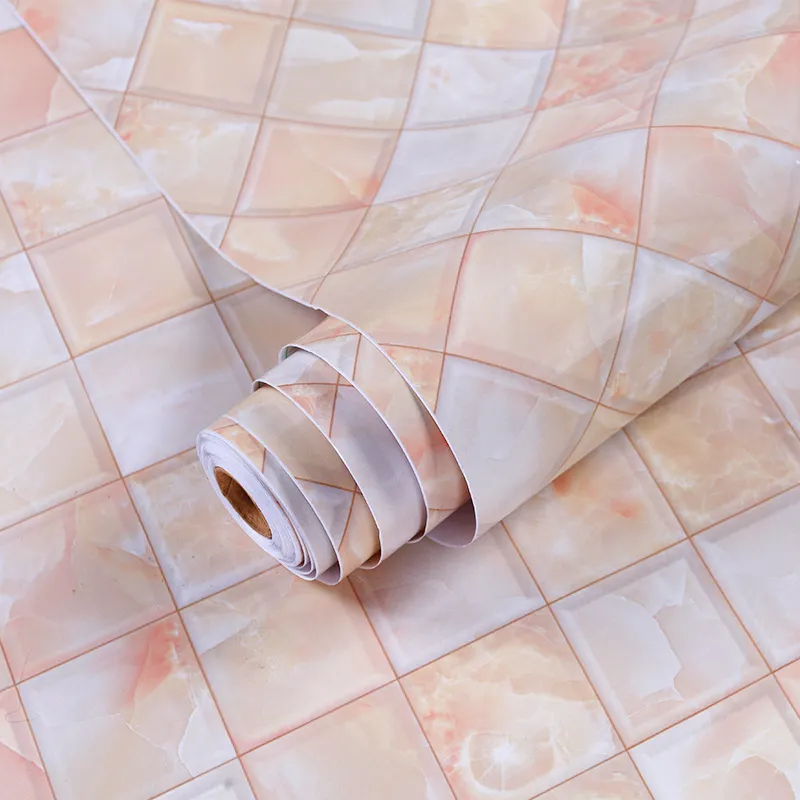
Air duct film, a specialized application of high-performance PVC film, plays a crucial role in modern HVAC (Heating, Ventilation, and Air Conditioning) systems. These films are engineered to line the interior of air ducts, providing a smooth, durable, and hygienic surface that improves airflow efficiency, reduces energy loss, and prevents contamination. This guide delves into the types of air duct films, their wide-ranging applications, and a detailed installation guide for professionals and DIY enthusiasts.

At its core, air duct film is a thin, flexible sheet material, often based on polyvinyl chloride (PVC), designed to be installed inside sheet metal, fiberglass, or flexible ductwork. Its primary function is to create a sealed, non-porous barrier. This barrier minimizes air leakage (which can account for significant energy waste), prevents the buildup of dust, mold, and microbial growth within the duct’s insulation, and ensures cleaner air delivery throughout a building. For foundational materials, calendered film often serves as the base due to its consistent thickness and smooth surface.
Key Benefit: Properly installed air duct film can enhance system efficiency by up to 20%, reduce maintenance costs, and significantly improve indoor air quality by containing particulates and allergens within the duct assembly.
The selection of air duct film depends on the specific requirements of the HVAC system, including temperature range, fire safety codes, and hygiene standards. Here are the main categories:
This is the most common type, made from flexible PVC. It is cost-effective, easy to install, and provides an excellent vapor barrier. It is suitable for residential and commercial applications where extreme temperatures are not a concern. These films often come in plain or reinforced varieties.
Mandatory for many commercial, industrial, and public buildings, fire-retardant air duct films are formulated with additives that inhibit flame spread and smoke production. They must meet specific national and international standards (e.g., UL, ASTM).
Critical for hospitals, laboratories, cleanrooms, and food processing facilities, these films contain additives that inhibit the growth of mold, bacteria, and fungi on the film’s surface. This is essential for maintaining sterile environments and preventing sick building syndrome.
Some films are laminated to foam or fiberglass backing, serving a dual purpose: providing the smooth surface of a film liner while adding thermal insulation and sound dampening properties to reduce noise from air movement.
The use of air duct film extends far beyond simple residential HVAC. Its properties make it indispensable in sectors where air quality, efficiency, and safety are paramount.
In large buildings with complex ductwork, film liners prevent insulation fibers from entering the airstream, protect metal ducts from corrosion caused by condensation, and maintain designed airflow rates by sealing joints and seams.
Hospitals and clinics use antimicrobial duct film to create a critical barrier against pathogens. It supports infection control protocols by providing a cleanable, non-porous surface that doesn’t harbor contaminants, directly impacting patient safety.
In factories, duct film can be resistant to chemical fumes or high humidity. It protects duct integrity from corrosive environments and ensures exhaust systems for dust or particulates remain efficient and contained.
For homeowners, installing film-lined ducts during construction or renovation improves energy efficiency, reduces dust around vents, and can alleviate issues for allergy sufferers. The principles of creating a clean, sealed surface are similar to those used in applying protective kitchen anti-oil film to cabinetry.
Restaurants and hotels benefit from both hygienic and fire-rated films. They prevent grease and moisture from degrading duct insulation in kitchen exhaust systems (complementing products like kitchen oil-proof aluminum foil for surfaces) and ensure safe air handling in guest areas.
Proper installation is key to performance. While professional installation is recommended for large projects, understanding the process is valuable.
1. System Shutdown: Turn off the HVAC system completely.
2. Duct Inspection: Access the ductwork. Check for existing damage, moisture, or major debris. These issues must be remedied before lining.
3. Safety Gear: Wear a respirator mask, safety goggles, and gloves. The work area can be dusty.
4. Material Acclimation: Allow the film roll to acclimate to the room temperature for at least 24 hours to prevent condensation later.
Thoroughly clean the interior duct surface. Remove all loose dust, rust, and old insulation material. The surface must be dry and structurally sound. For metal ducts, ensure there are no sharp edges or protruding fasteners that could puncture the film.
Adhesive Choice: Use a pressure-sensitive adhesive (PSA) or contact cement specifically designed for duct liner film. Spray adhesives offer even coverage.
Application: Apply a thin, uniform coat of adhesive to the back of the film sheet and/or to the prepared duct surface, as per the product instructions.
Positioning: Carefully position the film into the duct. For rectangular ducts, start from one corner and smooth it outwards, working to eliminate air bubbles and wrinkles. Use a soft roller or squeegee to ensure full contact.
The weakest points are the seams. Overlap adjacent film sheets by at least 2 inches (50mm). Seal the overlap thoroughly with adhesive or a compatible PSA tape designed for duct systems. Pay special attention to corners and transitions, just as precision is needed when installing PVC skirting film for a perfect finish.
Allow the adhesive to cure fully before restarting the HVAC system. Refer to the adhesive manufacturer’s data sheet for cure time, which depends on temperature and humidity. Once cured, perform a visual inspection to ensure all areas are securely bonded and sealed. Finally, restore system access panels and restart the system, monitoring for any unusual odors initially.
For small, accessible sections of straight ductwork, a competent DIYer can attempt it with proper safety gear and materials. However, for entire systems, complex layouts, or commercial properties, hiring a licensed HVAC professional is strongly recommended to ensure correct material selection, sealing, and compliance with building codes.
When installed correctly in a suitable environment, a quality air duct film liner can last the lifetime of the ductwork itself, often 20 years or more. Its longevity surpasses many other surface treatments, similar to the durability offered by high-grade vinyl kitchen flooring films.
Properly installed film creates a smoother interior surface than unlined sheet metal or fibrous insulation, which actually reduces friction and can improve airflow. The key is ensuring the film is applied smoothly without significant wrinkles or sags that could cause turbulence.
High-quality films from reputable manufacturers like Pulivk are formulated to be low-VOC (Volatile Organic Compound) and comply with strict indoor air quality standards (e.g., GREENGUARD). Always request product safety data sheets (SDS) and certification reports to verify compliance for your specific project.
While it can seal small gaps from the inside, duct film is primarily a liner, not a primary sealant for major leaks or disconnected joints. Significant leaks should be repaired with metal tape or mastic by a professional before the liner is installed. For more insights on material applications, explore our knowledge base.