Address
304 North Cardinal St.
Dorchester Center, MA 02124
Work Hours
Monday to Friday: 7AM - 7PM
Weekend: 10AM - 5PM
Address
304 North Cardinal St.
Dorchester Center, MA 02124
Work Hours
Monday to Friday: 7AM - 7PM
Weekend: 10AM - 5PM


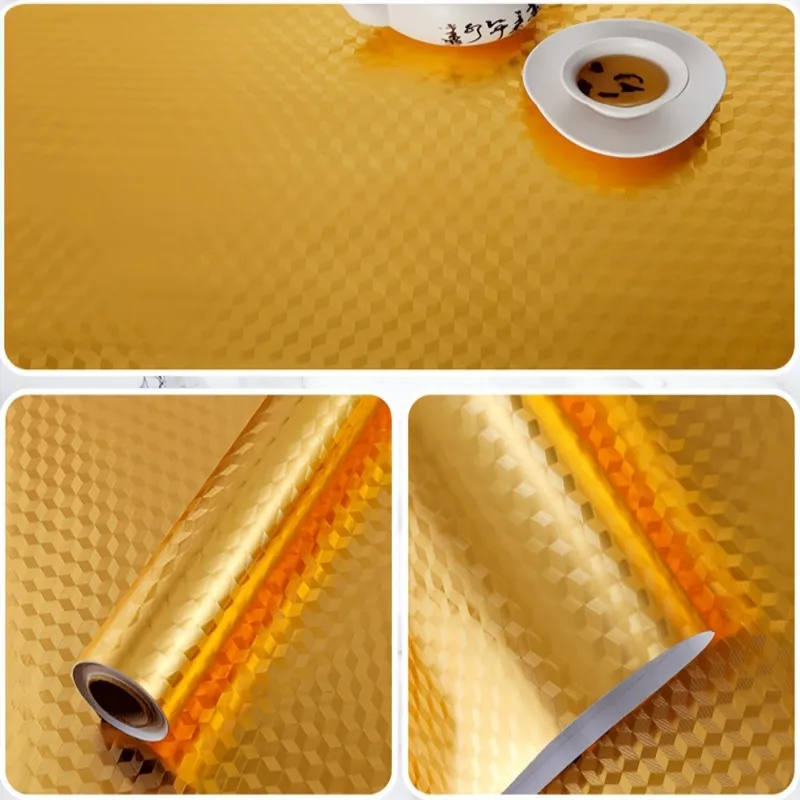
Air duct film, a specialized type of PVC film, plays a crucial role in modern construction and renovation, particularly within HVAC (Heating, Ventilation, and Air Conditioning) systems. Its primary function is to protect ductwork during construction, prevent contamination, and sometimes serve as a vapor barrier or insulation facing. This guide delves into the various types of air duct films, their diverse applications, and provides a detailed installation guide to ensure optimal performance.
At its core, air duct film is a flexible sheeting material, often based on polyvinyl chloride (PVC), polyethylene (PE), or laminated composites. It is engineered for durability, tear resistance, and specific permeability properties. Unlike standard decorative films, air duct films are designed to withstand the environmental conditions within construction sites and the operational demands of HVAC systems.
Key Function: The fundamental purpose is to seal and protect the interior of sheet metal, fiberglass, or flexible ducts from dust, debris, and moisture during the building process. This protection is vital for maintaining indoor air quality (IAQ) and ensuring the efficiency and longevity of the HVAC system.
The selection of air duct film depends heavily on the duct material, local building codes, and specific project requirements. Here are the most common types:
This is the most commonly recognized type. It is a temporary, often clear or opaque, plastic sheeting taped over duct openings and installed registers. Its sole job is to keep construction dust, drywall mud, and other particulates from entering the duct system. It is typically a low-density polyethylene (LDPE) film that is easy to apply and remove.
For insulated ducts, especially those using fiberglass blanket insulation, a laminated film acts as the outer facing. This film serves a dual purpose: it holds the insulation in place and provides a critical vapor barrier to prevent condensation from forming on the cold duct surface. This type is usually a reinforced laminate with aluminum foil or a coated polymer layer for low permeability. For projects requiring a specific aesthetic or functional finish, calendered PVC films can be engineered for similar barrier properties with added durability.
The inner liner of flexible ducting (flex duct) is itself a type of air duct film. It is a spirally-wound, wire-reinforced plastic film that creates a smooth airway to minimize air resistance. This film must be flexible, durable, and often have anti-microbial properties. While specialized, its manufacturing shares principles with high-grade PVC skirting films used in construction, which also demand flexibility and resilience.
In commercial buildings and high-rises, building codes often mandate the use of fire-retardant materials. Specialized air duct films are manufactured with fire-resistant additives. These films are used to seal gaps around duct penetrations through walls and floors (firestop systems) to prevent the spread of fire and smoke, a critical life safety function.
Air duct film finds application far beyond simple dust protection:
• New Construction: Ubiquitous in residential, commercial, and industrial builds for protecting all installed ductwork.
• Renovation & Remodeling: Essential for sealing off existing ducts in occupied spaces during work to prevent dust from circulating into living areas.
• Healthcare & Laboratory Facilities: Requires ultra-clean protocols. Special static-dissipative or sealed film protocols are used to maintain sterile environments during installation.
• Industrial Settings: Used on process ducting to contain particulates or protect sensitive exhaust systems during plant modifications.
• Residential HVAC Maintenance: Temporary film can be used during system cleaning or filter changes to isolate sections.
Pro Tip: For related interior applications that also benefit from protective and decorative films, consider vinyl kitchen flooring or kitchen anti-oil films for surfaces that require easy cleaning and durability, sharing similar material science principles with specialized duct films.
Proper installation is key to the film performing its job. Here is a best-practice guide for applying temporary construction protection film.
• Air duct film (typically 3-6 mil polyethylene sheeting on a roll)
• Painter’s tape (low-adhesion, blue or green) or duct tape for heavier duty seals
• Utility knife or scissors
• Marker (optional)
• Ladder (if needed)
Ensure the duct register, grille, or opening is clean and dry. Unroll the film and measure a piece that generously covers the opening, leaving at least 6-8 inches of excess on all sides for taping. For round vents, cut a square piece large enough to cover.
Place the film over the opening. Using painter’s tape, start by securing the top edge firmly to the wall, ceiling, or duct surface. The goal is to create a complete seal. Work your way down the sides, pulling the film taut but not overly stretched to avoid tearing. Finally, seal the bottom edge. Overlap tape strips to ensure no gaps.
Critical Check: Run your hand around all taped edges. The film should be drum-tight, with no loose flaps or gaps where dust could enter. For high-dust environments, a second layer of tape over the first can provide extra security.
Use a marker to write “DO NOT REMOVE – HVAC PROTECTION” or a similar message directly on the film. This prevents accidental removal by other tradespeople. You can also note the room or duct number.
Inspect all protected openings periodically throughout the construction phase. Repair any tears or loose tape immediately. Removal should be one of the final cleaning steps. Carefully peel off the tape and film, disposing of it properly. Any adhesive residue from the tape can usually be wiped off with a mild cleaner.
This is typically done by HVAC professionals as part of insulating bare sheet metal ducts:
1. The fiberglass insulation blanket is wrapped around the duct.
2. The film-facing (vapor barrier) is pulled taut around the insulation.
3. Special foil tape or mastic is used to seal all seams longitudinally and circumferentially.
4. All joints, corners, and connections to fittings are meticulously sealed to create a continuous, unbroken barrier. This process mirrors the precision needed in applying high-quality wood grain films or marble films for decorative surfaces, where seamlessness is paramount for aesthetics and function.
While heavy-duty garbage bags or drop cloths might work in a pinch, they are not ideal. Proper construction protection film is the correct thickness (mil rating) to resist punctures and tears and is on a roll for easy handling and cutting. For permanent vapor barriers, using the wrong material can lead to condensation and mold growth.
Temporary construction film can typically remain in place for the duration of the construction phase, which could be several months. However, it should be inspected regularly. Permanent vapor barrier films are designed to last the lifetime of the duct system.
The most frequent error is inadequate sealing. Simply draping film over a vent or using small pieces of tape allows dust to infiltrate. A complete, taut seal on all edges is non-negotiable for effective protection.
Many modern films are recyclable (LDPE #4). Always check with local recycling facilities. For permanent barriers, selecting films from manufacturers committed to environmental standards, like those adhering to ISO 14001, is advisable. The focus on eco-friendly materials is also seen in other sectors, such as producers of PVC films who prioritize safe, compliant production.
This should be clearly defined in the project specifications. Typically, the HVAC contractor installs protection after ductwork is in but before system startup. Removal is often part of the final cleaning protocol, which may be handled by the general contractor or a dedicated cleaning crew. Clear communication is essential to prevent unprotected ducts.