Address
304 North Cardinal St.
Dorchester Center, MA 02124
Work Hours
Monday to Friday: 7AM - 7PM
Weekend: 10AM - 5PM
Address
304 North Cardinal St.
Dorchester Center, MA 02124
Work Hours
Monday to Friday: 7AM - 7PM
Weekend: 10AM - 5PM


In the intricate world of HVAC systems, every component plays a crucial role in ensuring efficiency, air quality, and energy conservation. One such vital, yet often underappreciated, component is air duct film. This specialized material is essential for sealing, insulating, and protecting the ductwork that forms the circulatory system of heating, ventilation, and air conditioning units. Understanding its types, applications, and correct installation methods is key to maintaining an optimal indoor environment and system longevity.

Air duct film, often a form of flexible laminate or coated material, is designed to line, seal, or wrap ductwork. Its primary function is to prevent air leakage, which can account for significant energy loss in a building. By ensuring that conditioned air travels efficiently from the HVAC unit to the intended spaces, these films contribute directly to lower utility bills and reduced carbon footprint. Additionally, they act as a barrier against moisture, dust, and microbial growth, which are common culprits behind poor indoor air quality and system corrosion.
The deployment of high-quality air duct film offers a multitude of benefits:
● Energy Efficiency: Sealing ducts with appropriate film can improve HVAC system efficiency by up to 20-30%, preventing costly heated or cooled air from escaping into unconditioned spaces like attics or crawl spaces.
● Improved Air Quality: It creates a non-porous barrier that inhibits the infiltration of dust, insulation fibers, and allergens into the air stream, promoting healthier indoor air.
● Moisture and Condensation Control: In climates with high humidity, condensation on ductwork can lead to mold and mildew. Vapor-retardant films prevent this moisture accumulation.
● Acoustic Dampening: Certain thicker films can help reduce the transmission of noise from the HVAC system through the ducts, contributing to a quieter indoor environment.
● Durability and Protection: The film protects the duct metal from corrosion and physical damage, extending the system’s operational life.
The choice of film depends heavily on the duct material, location, and specific performance requirements. Here’s a breakdown of the most common types.
These are impermeable or semi-permeable sheets, typically made from reinforced polyethylene or laminated foil. They are essential for wrapping fiberglass duct board or insulating flexible ducts in spaces where humidity control is critical, such as basements or exterior walls. Their primary job is to prevent moisture from permeating the insulation, which would drastically reduce its R-value and foster biological growth.
While not a film in the traditional sense, duct sealing mastic is a paste-like material often applied with a reinforcing fabric or mesh film. This system is superior to tape alone for sealing joints and seams in sheet metal ducts. The film mesh embedded in the mastic provides incredible strength and longevity, ensuring the seal doesn’t crack or peel over time due to thermal expansion and vibration. For a robust sealing solution, explore specialized calendered films that serve as excellent backers.
Many flexible ducts (flex ducts) have an internal liner made from a thin, durable film. This liner provides a smooth airway to minimize air resistance (static pressure) and is often treated to be antimicrobial. The quality of this inner film directly impacts airflow efficiency and hygiene.
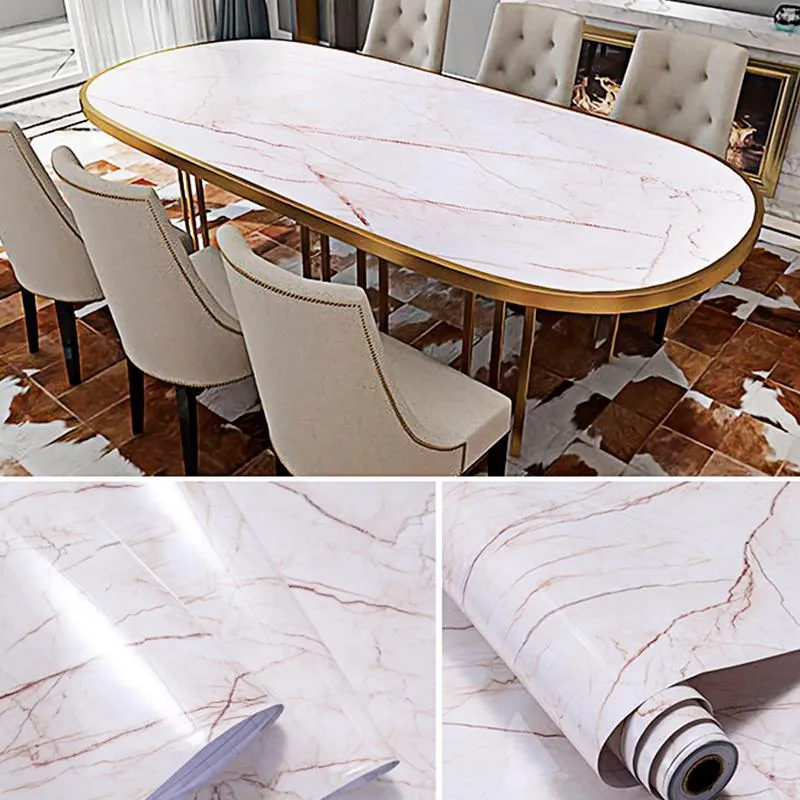
In exposed ductwork applications, such as in industrial lofts or modern commercial designs, ducts may be wrapped with decorative films. These can mimic materials like marble or wood grain, turning functional components into design elements. They also add a layer of protection against scratches and dust.
Air duct film is not a one-size-fits-all solution; its use is tailored to specific parts of the HVAC system.
In new builds, films are integrated from the start. Vapor barrier films are meticulously wrapped around insulated ducts in walls and ceilings before drywall is installed. All seams are sealed to create a continuous barrier, which is a critical step for meeting modern energy codes.
Existing homes often have leaky, uninsulated ducts in attics or garages. Here, retrofitting with insulating wrap and vapor barrier film is one of the most cost-effective energy upgrades. It involves cleaning the existing ducts and then wrapping them securely, paying special attention to joints and connections.
Proper installation is paramount. Incorrectly applied film can be worse than none at all, trapping moisture against the duct and causing accelerated corrosion (a phenomenon known as “sweating”).
Tools Needed: Utility knife, heavy-duty scissors, measuring tape, straight edge, cleaning rag, appropriate adhesive or mastic, sealing brush or gun, and safety gear (gloves, mask, goggles).
Preparation: The duct surface must be clean, dry, and free of dust, oil, or old tape residue. Any existing insulation should be dry and in good condition. Measure the duct runs to minimize seams.
Start by wrapping the insulated duct with the film. Overlap seams by a minimum of 2 inches. The vapor barrier should be on the outside (warm-in-winter side) of the insulation. Pull the film taut to avoid sagging but not so tight that it compresses the insulation.
This is the most critical step. Use a UL-181 listed foil tape or mastic system specifically designed for ducts.
Pay extra attention to connections at registers, plenums, and around bends.
Where ducts penetrate walls, floors, or the building envelope, seal the gap between the duct and the penetration with a non-hardening sealant or more mastic. Ensure the vapor barrier is continuous.
Once installed, inspect the entire run. Look for gaps, loose film, or unsealed seams. A common test is to feel for air leaks with your hand when the system is running, or to use smoke pencils for a more precise check.
❌ Using Duct Tape (Cloth-Backed): Standard duct tape degrades quickly on ducts due to temperature swings and dust. It is not an acceptable sealing material.
❌ Compressing Insulation: Wrapping film too tightly reduces the R-value of the underlying insulation.
❌ Incomplete Sealing: A single small gap can negate the benefits of the entire installation. Be thorough.
❌ Ignoring Local Codes: Always follow local building and mechanical codes, which may specify film permeability ratings (perm ratings) and fire resistance.
Selecting a reliable supplier for duct film and related materials is as important as the installation itself. Pulivk Film stands out in this field, bringing expertise from the broader world of high-performance PVC films to HVAC applications. While known for decorative solutions like 3D texture films, their principles of quality control, customization, and durability translate directly to technical duct films.
Their full-process control—from calendering to precise slitting—ensures consistent thickness and material properties, which is critical for reliable vapor barriers. For specialized projects requiring custom permeability, width, or reinforcement, their OEM/ODM capability allows for tailored solutions. Furthermore, a commitment to eco-friendly materials and compliance with international safety standards (like REACH and RoHS) means the films are safe for installation in occupied spaces and contribute to a healthier building overall.
No. Not all plastics are suitable. Proper duct vapor barrier film has a specific permeability rating (perm rating) to control moisture movement effectively. It is also often reinforced with fabric or scrim for durability and tear resistance. Using inappropriate sheeting can trap moisture and cause damage.
Professionally installed duct film and seals should last 10-15 years or more. However, an inspection every 3-5 years is advisable, especially if you notice a spike in energy bills, uneven room temperatures, or increased dust. Physical damage or signs of moisture on the film warrant immediate attention.
Sealing accessible ducts in a basement or attic can be a DIY project for a handy homeowner, provided they use the correct materials (mastic, UL-181 tape) and follow safety procedures. However, sealing ducts inside walls, ceilings, or complex commercial systems should always be handled by a licensed HVAC professional to ensure code compliance and system safety.
Insulation wrap (like fiberglass duct wrap) provides thermal resistance. Vapor barrier film is a separate layer that controls moisture migration. Often, they are combined in a single product—an insulated wrap with a foil or polyethylene vapor barrier facing attached.
For more in-depth information on materials and their applications, a valuable resource is the knowledge base provided by industry suppliers like Pulivk, which covers technical aspects and best practices for various films and related products.