Address
304 North Cardinal St.
Dorchester Center, MA 02124
Work Hours
Monday to Friday: 7AM - 7PM
Weekend: 10AM - 5PM
Address
304 North Cardinal St.
Dorchester Center, MA 02124
Work Hours
Monday to Friday: 7AM - 7PM
Weekend: 10AM - 5PM


Air duct film, a specialized component within HVAC (Heating, Ventilation, and Air Conditioning) systems, plays a crucial yet often overlooked role in maintaining indoor air quality, energy efficiency, and system longevity. These films are applied to the interior surfaces of air ducts to create a smooth, sealed, and protective barrier. This guide delves into the various types of air duct films, their primary uses, and provides a comprehensive installation overview.
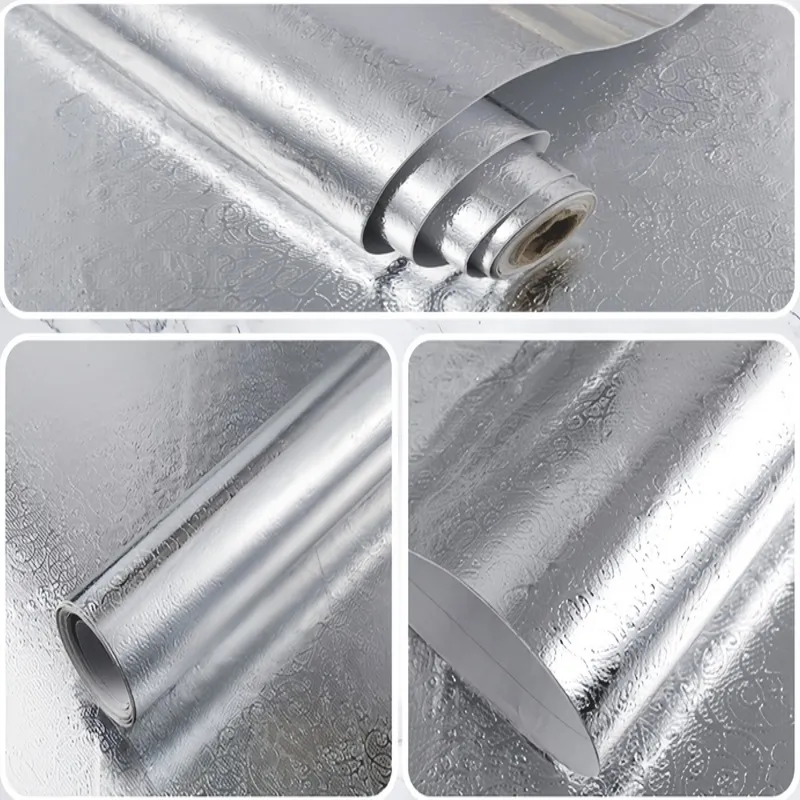
The primary function of air duct film is to seal and protect the ductwork. Unsealed or poorly sealed ducts can leak conditioned air into unconditioned spaces like attics or crawl spaces, leading to significant energy loss—sometimes as much as 30%. Furthermore, ducts can accumulate dust, mold, and other contaminants over time, which are then circulated throughout a building. A properly installed film acts as a barrier, preventing air leakage and inhibiting the growth and spread of pollutants from the duct surface into the airstream.
Key Benefit: Beyond sealing, certain specialized films offer additional properties like antimicrobial protection or enhanced thermal insulation, directly contributing to a healthier indoor environment and lower utility bills.
Air duct films are not one-size-fits-all. They are manufactured from different materials to suit specific applications and performance requirements within the HVAC system.
These are among the most common types used for duct sealing and vapor barriers. PE films are typically flexible, durable, and resistant to moisture, making them excellent for preventing condensation within ducts, which is a common precursor to mold growth. They are often used in conjunction with tape or mastic for sealing joints and seams in ductwork.
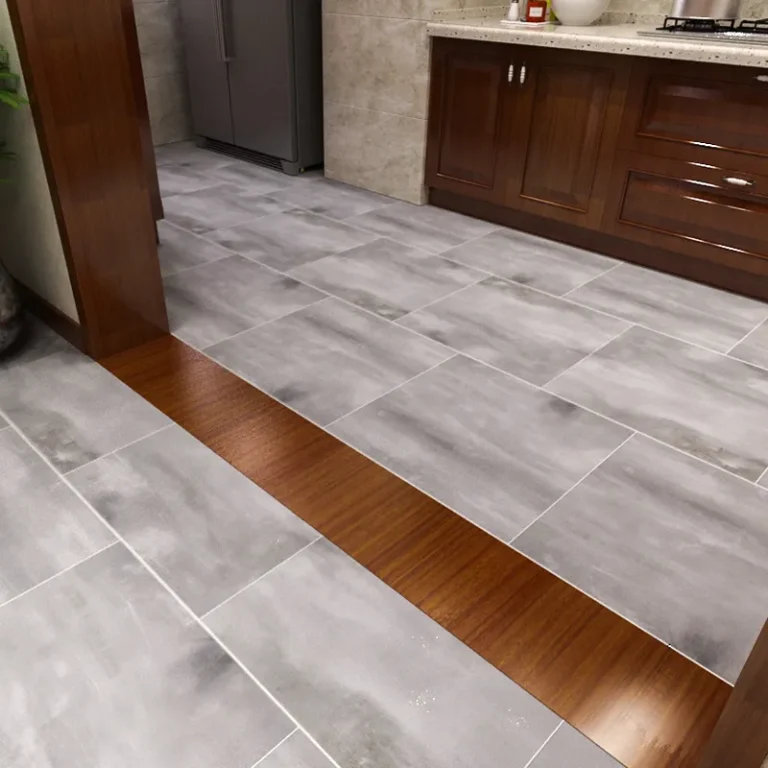
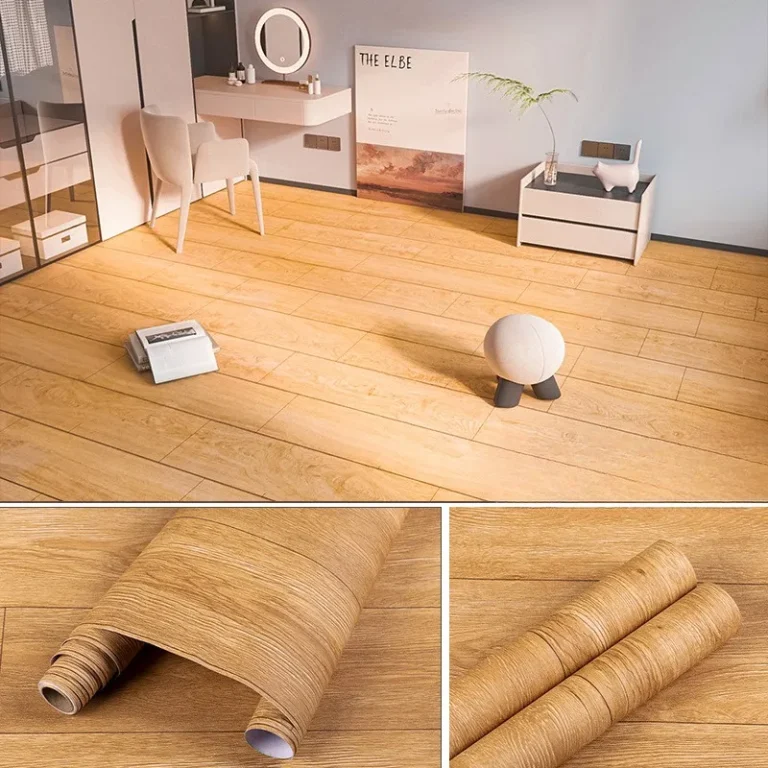
PVC films offer high strength, excellent chemical resistance, and good fire-retardant properties. They are often used in more demanding industrial or commercial applications where durability is paramount. Some calendered PVC films provide a very smooth surface that minimizes air friction (pressure drop) within the duct, improving system efficiency. For decorative integration in visible areas, options like marble film or wood grain film can be used on external duct covers to match interior design themes.
These films consist of a layer of aluminum foil laminated to a backing material like paper or plastic. The aluminum layer provides an exceptional radiant heat barrier and superior vapor resistance. This type is frequently used in high-temperature applications or in climates where controlling radiant heat gain/loss is critical for HVAC efficiency.
For applications requiring extra tear strength and durability, films reinforced with a fabric scrim (a mesh-like material) are used. These are ideal for ducts in areas prone to physical impact or where the ducts might experience movement or vibration.
The application of duct film extends across residential, commercial, and industrial HVAC systems with several key purposes.
The most fundamental use. Film and sealant are applied over joints, seams, and connections in sheet metal, flex duct, or fiberboard ducts to create an airtight seal. This is a cornerstone of energy-efficient HVAC design.
Rigid fiberglass duct boards often have a factory-applied film or foil facing. This facing protects the fibrous glass material from erosion into the airstream and provides a smooth surface for airflow.
After professional duct cleaning, a new antimicrobial-coated film can sometimes be applied to the interior of cleaned ducts to leave a fresh, sealed surface that resists future microbial growth.
Some laminated films with mass-loaded vinyl layers can help dampen the transmission of noise generated by air handlers and flowing air through the duct system.
Proper installation is critical for the film to perform as intended. This process is best performed by HVAC professionals, but understanding the steps is valuable for homeowners and facility managers.
1. System Shutdown: Turn off the HVAC system completely at the thermostat and circuit breaker.
2. Inspection & Cleaning: Thoroughly inspect the ductwork for existing damage, large holes, or significant mold growth. These issues must be repaired prior to film application. Vacuum loose debris from the ducts.
3. Safety Gear: Installers must wear appropriate personal protective equipment (PPE): gloves, safety glasses, and an N95 respirator, especially in confined or dusty spaces.
4. Surface Preparation: Ensure the duct surface (metal, fiberglass) is dry, clean, and free of grease or dust for optimal adhesion.
5. Cutting and Fitting: Cut the film to size, allowing for slight overlap at seams. For complex fittings (elbows, transitions), create paper templates first.
6. Adhesive Application: Apply a recommended UL-listed duct mastic or specialized adhesive evenly to the duct surface or the back of the film, depending on the product instructions. Brushes or rollers work well.
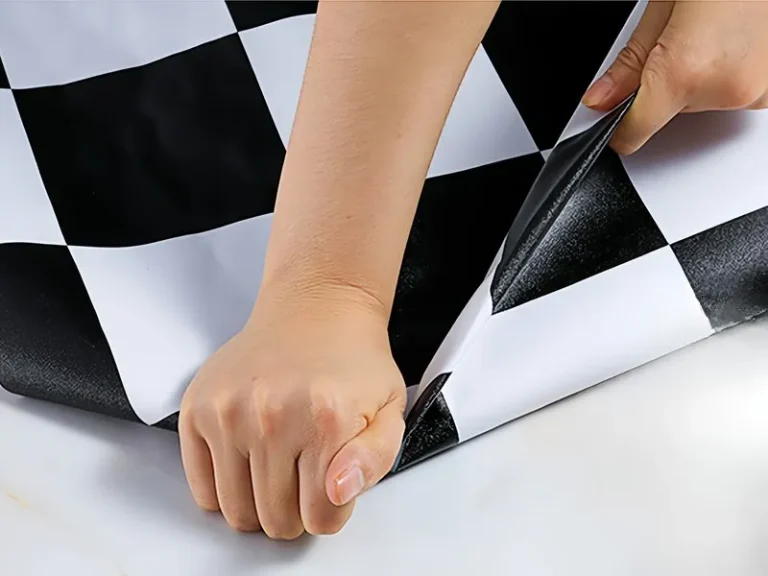
7. Film Placement: Carefully position the film onto the duct, smoothing it out from the center to the edges to remove air bubbles and ensure full contact with the adhesive.
8. Sealing Seams and Edges: Overlap seams by at least 2 inches. Apply a generous bead of mastic over all seams, edges, and around penetrations (like damper shafts). Reinforce with embedded fiberglass mesh tape for high-strength seams if required.
⚠️ Critical Note: Standard cloth duct tape is not recommended for permanent sealing. The adhesive dries out and fails over time. Always use pressure-sensitive aluminum foil tape or mastic specifically rated for HVAC duct systems.
9. Curing Time: Allow the mastic or adhesive to fully cure as per the manufacturer’s specifications before restarting the HVAC system. This can take from a few hours to 24-48 hours.
10. Performance Testing: After curing, a professional should perform a duct leakage test (e.g., with a duct blaster) to quantitatively verify the integrity of the seal and measure the improvement in system airtightness.
Selecting a reliable supplier for duct film materials is as important as the installation itself. A quality supplier, like Pulivk Film, offers more than just a product. They provide material consistency, technical data sheets for code compliance, and products that are fit for purpose. For instance, films used in air ducts must often meet specific fire safety (e.g., UL 181) and low VOC emission standards. A reputable manufacturer will have these certifications readily available. Exploring their knowledge base can also provide valuable insights into material properties and best practices.
While small, accessible repairs might be a DIY project, comprehensive duct sealing with film is best left to certified HVAC professionals. They have the proper tools, materials, and knowledge to ensure a safe, effective, and code-compliant installation that truly improves system performance.
When installed correctly with appropriate materials, air duct film and sealant can last for the lifetime of the ductwork, often 10-20 years or more. Its longevity is a key reason it’s considered a cost-effective upgrade.
Yes, significantly. By preventing unfiltered air from attics, walls, or crawl spaces from being sucked into leaks, and by sealing off potential mold growth sites on the duct interior, it reduces the circulation of dust, allergens, and microbial contaminants.
This is a crucial distinction. An air barrier stops the movement of air. A vapor barrier stops the diffusion of moisture vapor. Some materials, like certain polyethylene or foil laminates, can function as both. The climate and duct location dictate which property is more important.
The primary “downside” is the initial cost of professional installation. However, this is almost always offset by energy savings within a few years. It’s also vital that combustion appliance (furnace, water heater) vents are NEVER sealed, as this can cause dangerous carbon monoxide backdrafting. A professional will identify these safety-critical areas.