Address
304 North Cardinal St.
Dorchester Center, MA 02124
Work Hours
Monday to Friday: 7AM - 7PM
Weekend: 10AM - 5PM
Address
304 North Cardinal St.
Dorchester Center, MA 02124
Work Hours
Monday to Friday: 7AM - 7PM
Weekend: 10AM - 5PM

 ByPulivk
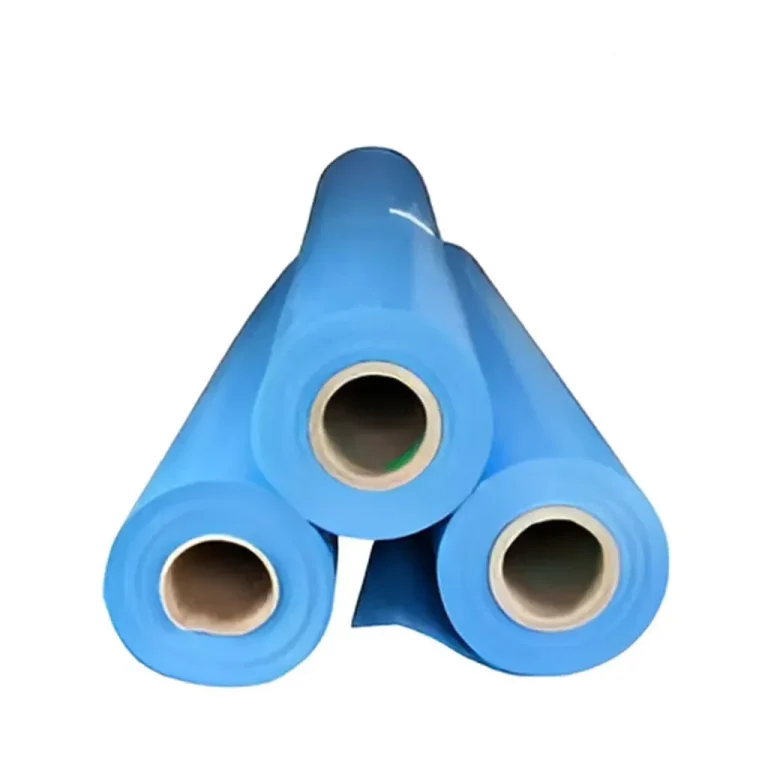
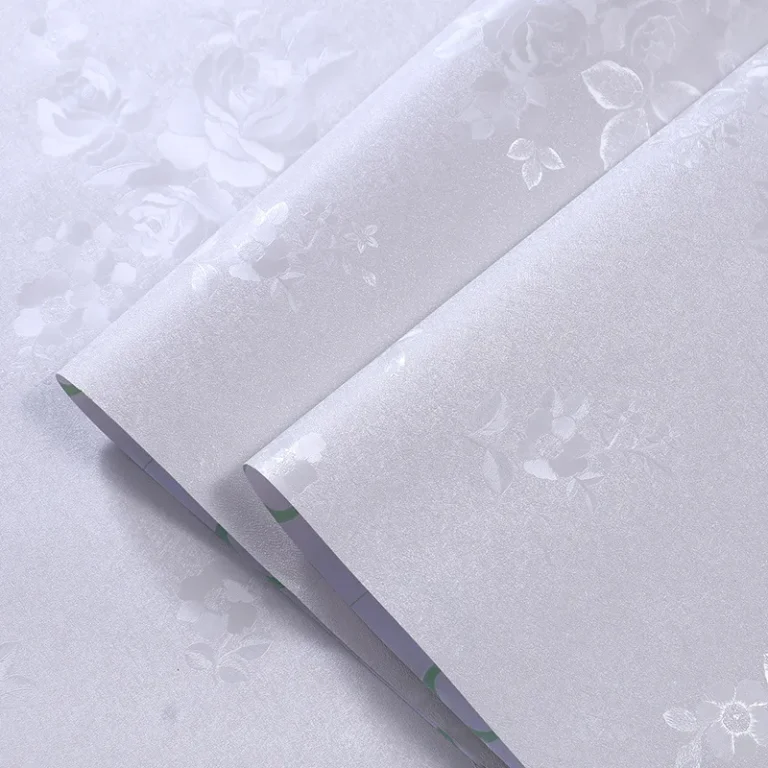
When surfaces are exposed to sunlight, heat, or harsh indoor lighting for extended periods, ordinary PVC membrane film often degrades, becomes brittle, and develops an unsightly yellow tint. This discoloration not only compromises the visual appearance but also signals a breakdown in the material’s structural integrity. For architects, furniture manufacturers, and interior designers, selecting an anti yellow pvc membrane film is not just about aesthetics—it is a critical decision for long-term durability and cost efficiency.
The yellowing of standard PVC film occurs due to photo-oxidation and thermal degradation. Ultraviolet (UV) radiation and high temperatures break down the polymer chains, leading to the formation of conjugated double bonds that absorb blue light and reflect a yellow hue. To combat this, advanced anti yellow pvc membrane film formulations integrate high-performance UV absorbers, hindered amine light stabilizers (HALS), and antioxidants directly into the calendering process. This multi-layered defense mechanism significantly slows the degradation kinetics, ensuring the film maintains its original color and mechanical properties for years.
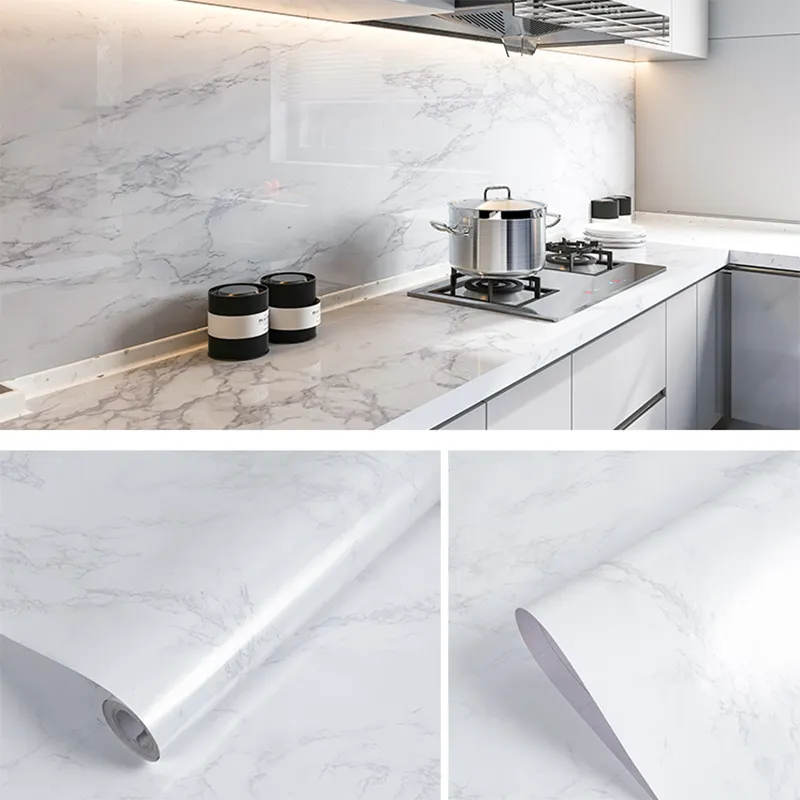
Unlike conventional surface coverings that require frequent replacement, a premium anti yellow pvc membrane film offers a permanent protective layer. These films are engineered for high-traffic and high-exposure environments.
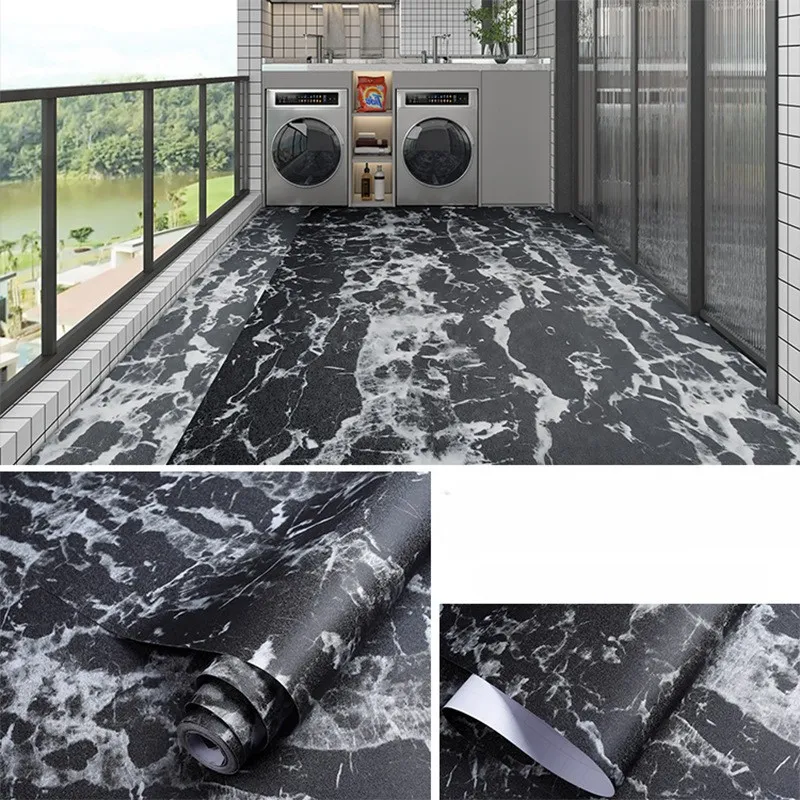
To truly understand the value of investing in anti yellow pvc membrane film, it helps to compare its performance against standard grade films. The table below highlights the critical differences in material formulation and expected lifecycle.
| Performance Indicator | Standard PVC Film | Anti-Yellow PVC Membrane Film |
|---|---|---|
| UV Degradation Point | 6-12 months | 5-10+ years |
| Color Fastness (Blue Wool Scale) | 3-4 | 7-8 |
| Plasticizer Retention | Moderate Volatility | High Molecular Weight Retention |
| Application Lifecycle Cost | High (Frequent Replacement) | Low (Install and Forget) |
Producing a reliable anti yellow pvc membrane film demands strict adherence to international testing protocols. Reputable manufacturers validate their films using ASTM D1593 standards for nonrigid vinyl chloride plastic sheeting. This ensures consistency in thickness, opacity, and resistance to environmental stress cracking.
Furthermore, ISO 527-3 testing is crucial for verifying the tensile properties of these films. When sourcing anti yellow pvc membrane film, buyers should request technical data sheets confirming compliance with these benchmarks, specifically looking for low Delta E values in accelerated weathering tests (QUV) to guarantee minimal color shift.
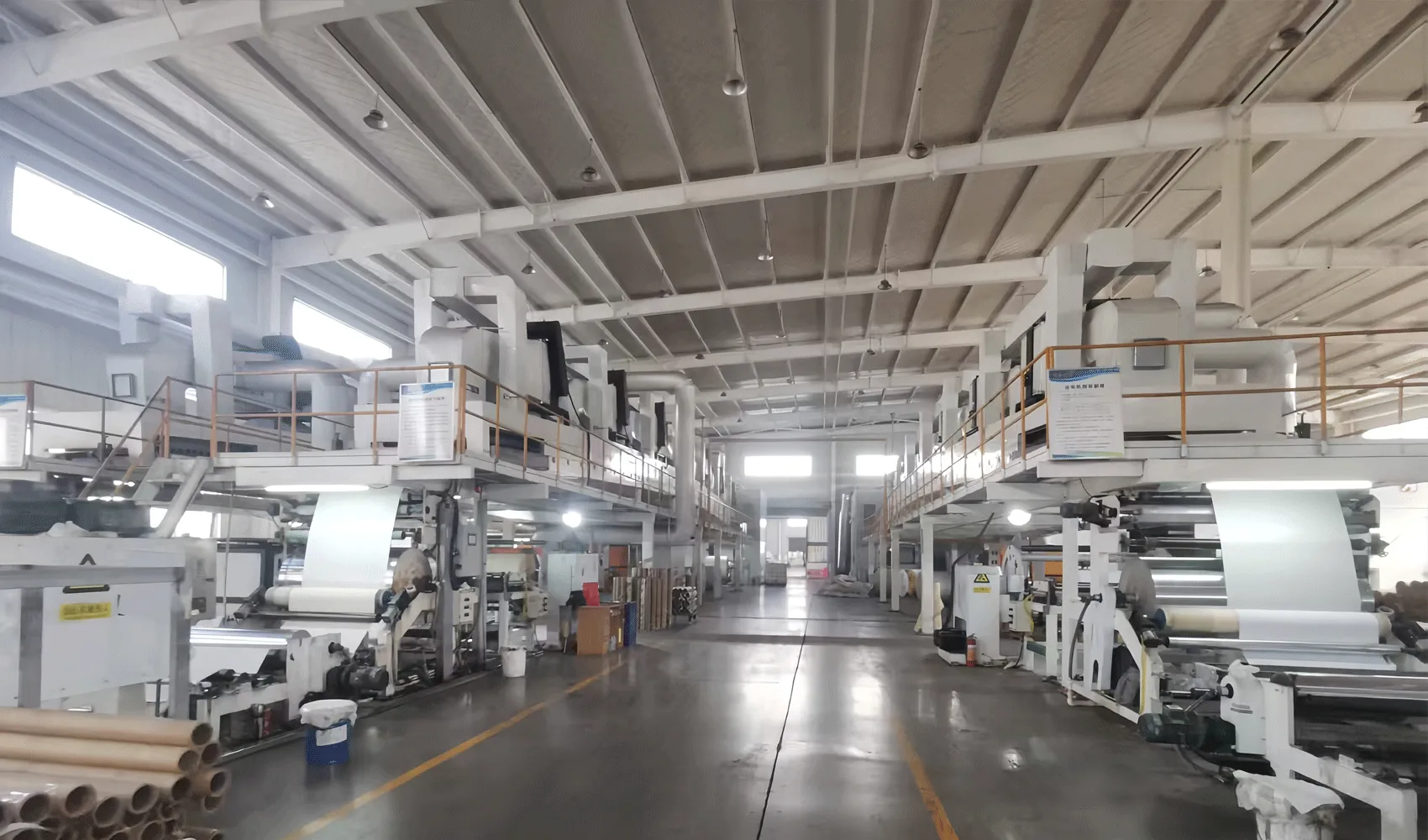
The unique properties of this film make it the ideal choice for areas where traditional materials fail. Here are the top sectors benefiting from anti yellow pvc membrane film:
| Industry Sector | Application Example | Key Benefit |
|---|---|---|
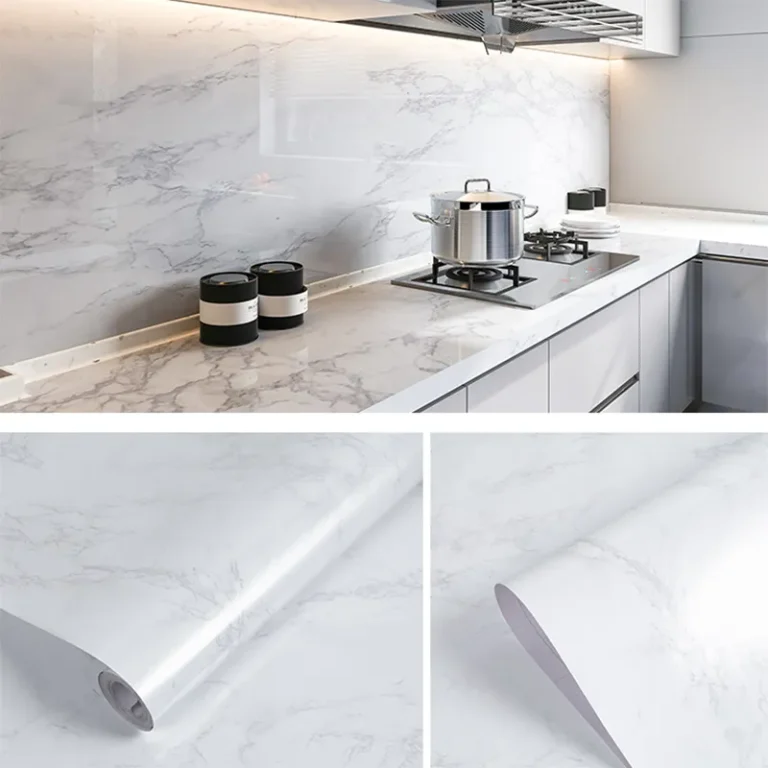
| Furniture Manufacturing | Wardrobe surfaces, cabinet fronts | Permanent white retention |
| Architectural Interiors | Wall panels, column cladding | Sunlight-facing window endurance |
| Healthcare Facilities | Cleanroom partitions, medical cabinets | Sterile appearance stability |
| Retail Displays | Show fixtures, lightbox diffusion | No discoloration under halogen/LED |
To maximize the life of the anti yellow pvc membrane film, correct installation is just as important as the material quality. Always ensure the substrate is clean, dry, and free of dust or oil. For flat lamination, using a pressure-sensitive adhesive compatible with PVC prevents chemical interactions that might trigger yellowing. For 3D vacuum pressing, maintain uniform heat distribution to avoid stressing the film’s UV-inhibiting layer.
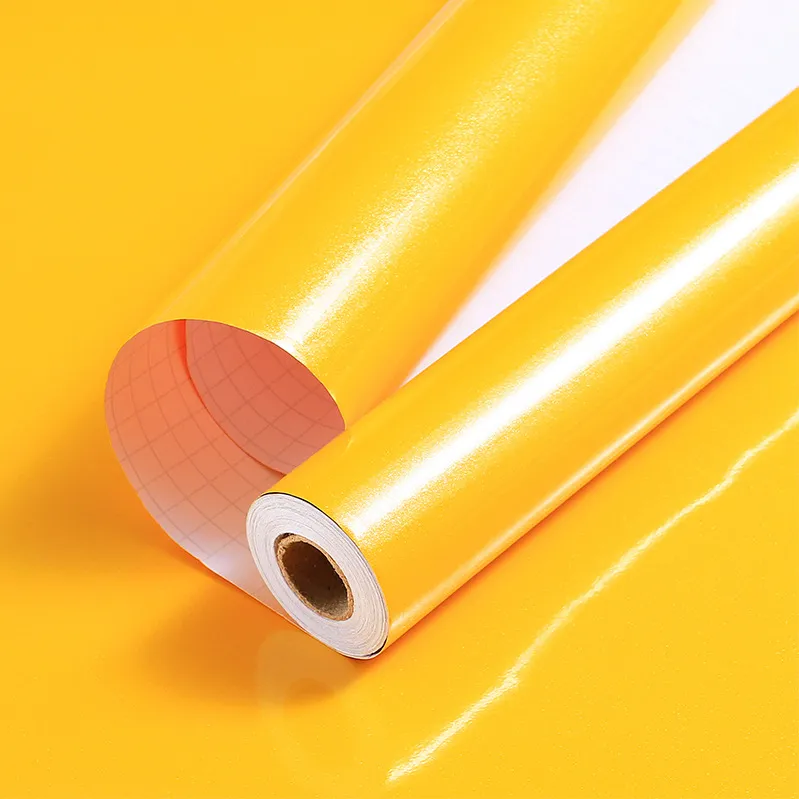
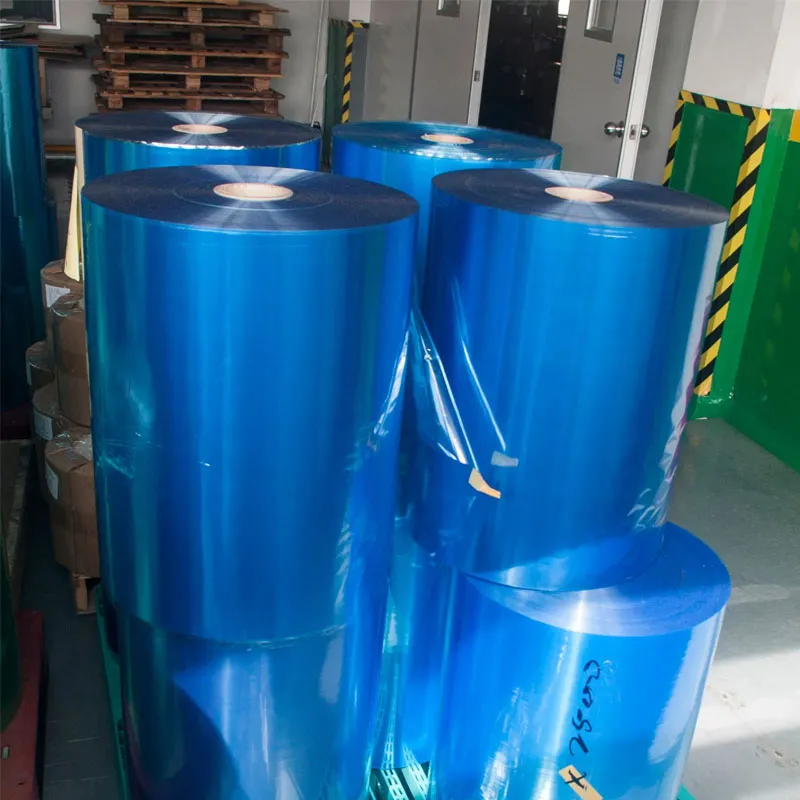
When evaluating suppliers, it is essential to look for integrated production capabilities. A factory that masters the entire calendering, printing, and packaging chain can guarantee that the UV stabilizers are perfectly dispersed within the PVC matrix. Companies like Henan Pulivk New Materials Co., Ltd. utilize advanced calendering lines to produce anti yellow pvc membrane film that meets stringent export requirements for Southeast Asia, the Middle East, and Europe. Their full in-house production ensures that every roll of white film stays white, regardless of the climatic challenges it faces.
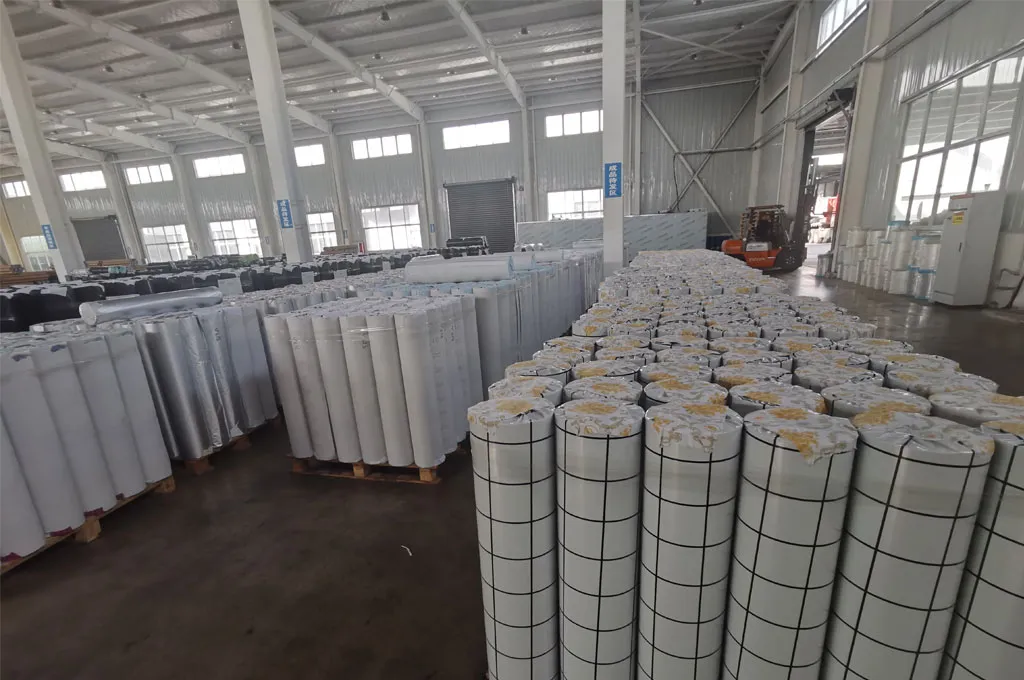
Choosing an anti yellow pvc membrane film is an investment in the lifecycle cost of a product or interior space. By eliminating the risk of early discoloration, these specialized films preserve brand aesthetics, reduce maintenance overhead, and prevent the waste associated with premature material replacement. When your project demands a pristine finish that stands the test of time, ensure your material specification prioritizes verified anti-yellow performance backed by robust circular economy credentials.