Address
304 North Cardinal St.
Dorchester Center, MA 02124
Work Hours
Monday to Friday: 7AM - 7PM
Weekend: 10AM - 5PM
Address
304 North Cardinal St.
Dorchester Center, MA 02124
Work Hours
Monday to Friday: 7AM - 7PM
Weekend: 10AM - 5PM


 ByPulivk
In modern healthcare environments, material selection directly impacts patient safety and clinical outcomes. Among the various polymers available, biocompatible PVC film has emerged as a preferred choice for applications ranging from fluid bags to sterile packaging. Its unique combination of flexibility, durability, and biological safety makes it indispensable in medical device manufacturing worldwide.
Medical professionals and device manufacturers increasingly rely on biocompatible PVC film that meets stringent regulatory requirements while delivering consistent performance. Understanding what makes this material suitable for healthcare applications is essential for procurement specialists, product designers, and quality assurance teams.
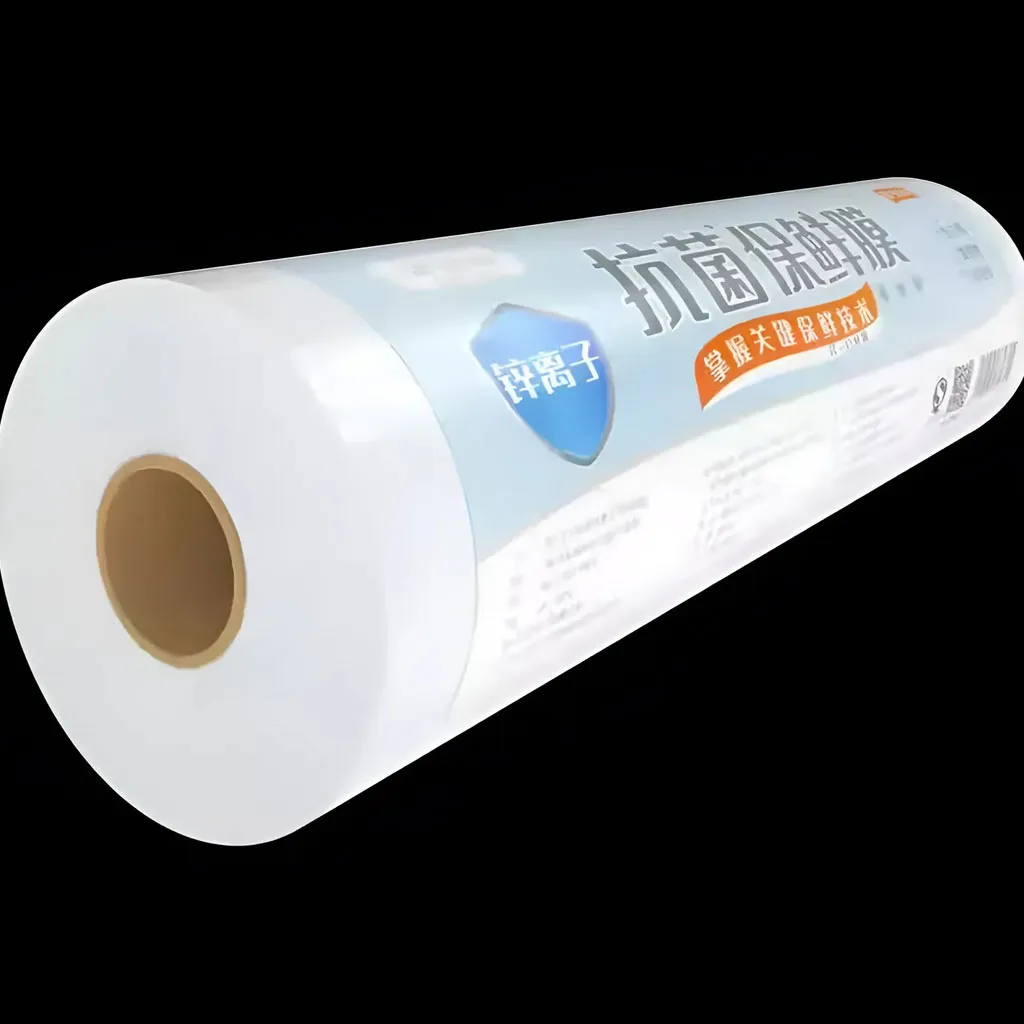
Biocompatibility refers to a material’s ability to perform its intended function without causing adverse biological responses. For medical grade PVC film, this means passing rigorous testing protocols that evaluate cytotoxicity, sensitization, and intracutaneous reactivity. The formulation of these films requires careful selection of plasticizers, stabilizers, and processing aids that meet pharmaceutical standards.
Modern PVC calendered film production for medical use eliminates phthalate-based plasticizers that have raised health concerns. Instead, manufacturers now utilize alternative plasticizers such as DOTP (dioctyl terephthalate) and TOTM (trioctyl trimellitate), which demonstrate superior toxicological profiles. These advanced formulations undergo thorough evaluation according to recognized standards including those from ASTM PVC Film Standard and related ISO guidelines for medical devices.
The biocompatibility assessment encompasses several critical factors that manufacturers must verify before a film can be designated for medical use. These evaluations form the foundation of regulatory submissions and quality management systems across global markets.
| Biocompatibility Test | Assessment Focus | Relevant Standard |
|---|---|---|
| Cytotoxicity | Cell viability and growth inhibition | ISO 10993-5 |
| Sensitization | Allergic reaction potential | ISO 10993-10 |
| Irritation | Skin and mucosal response | ISO 10993-23 |
| Systemic Toxicity | Acute and subchronic effects | ISO 10993-11 |
| Hemocompatibility | Blood interaction assessment | ISO 10993-4 |
The versatility of biocompatible PVC film enables its use across a wide spectrum of healthcare settings. Each application demands specific performance characteristics that the material must consistently deliver throughout its service life.
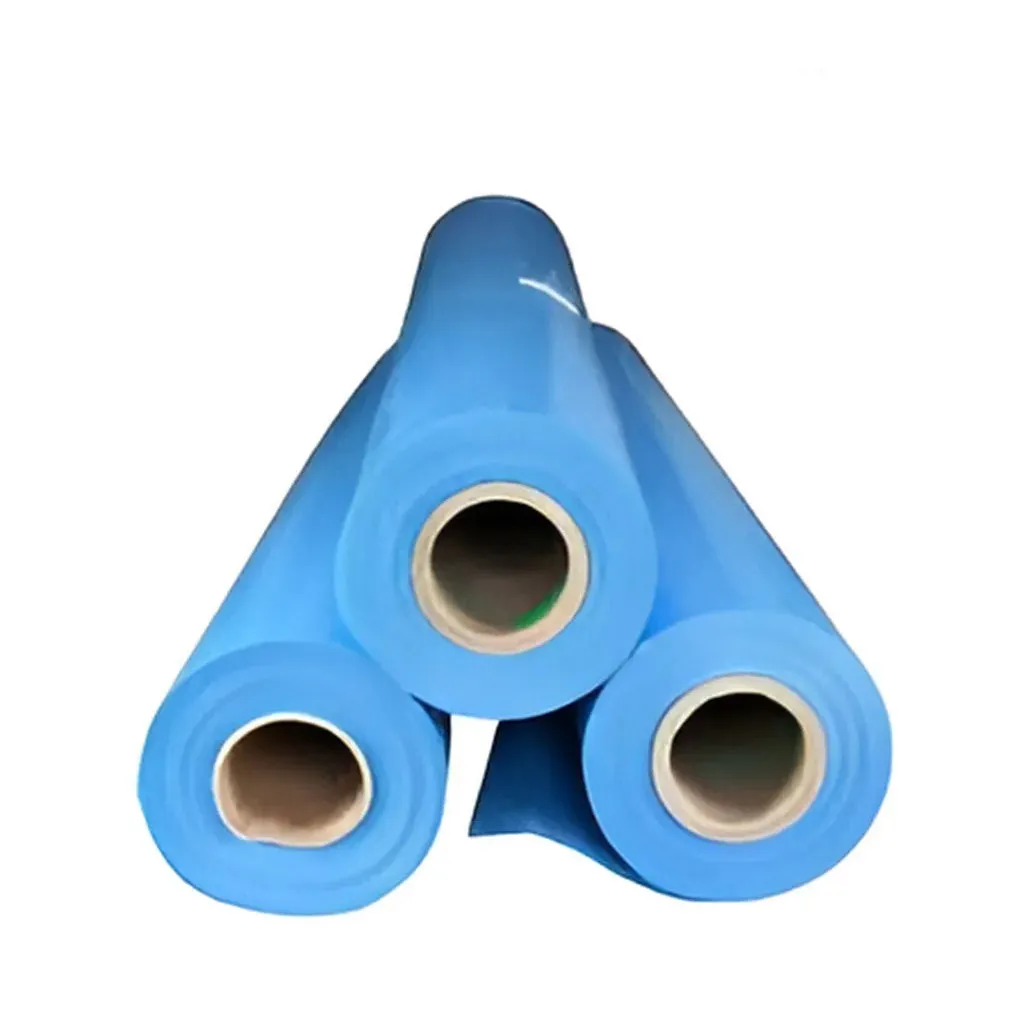
Blood storage containers and intravenous solution bags represent one of the most critical applications for PVC calendered film. The material must prevent leaching of harmful substances while maintaining the integrity of stored fluids. Advanced formulations ensure that the film remains flexible at low temperatures required for blood product storage.
Medical device packaging demands films that can withstand sterilization processes including ethylene oxide (EtO), gamma irradiation, and autoclaving. Antimicrobial medical films used in sterile barrier systems must maintain seal integrity while allowing easy peel-open access in clinical settings.
Operating room environments require materials that create effective barriers against pathogens and fluids. Biocompatible films used in surgical drapes combine liquid repellency with breathability, contributing to infection control protocols in hospitals and surgical centers.
Medical-grade PVC remains a material of choice for catheter and tubing applications due to its kink resistance and compatibility with various connector systems. The smooth surface characteristics minimize trauma during insertion while providing reliable fluid transport properties.
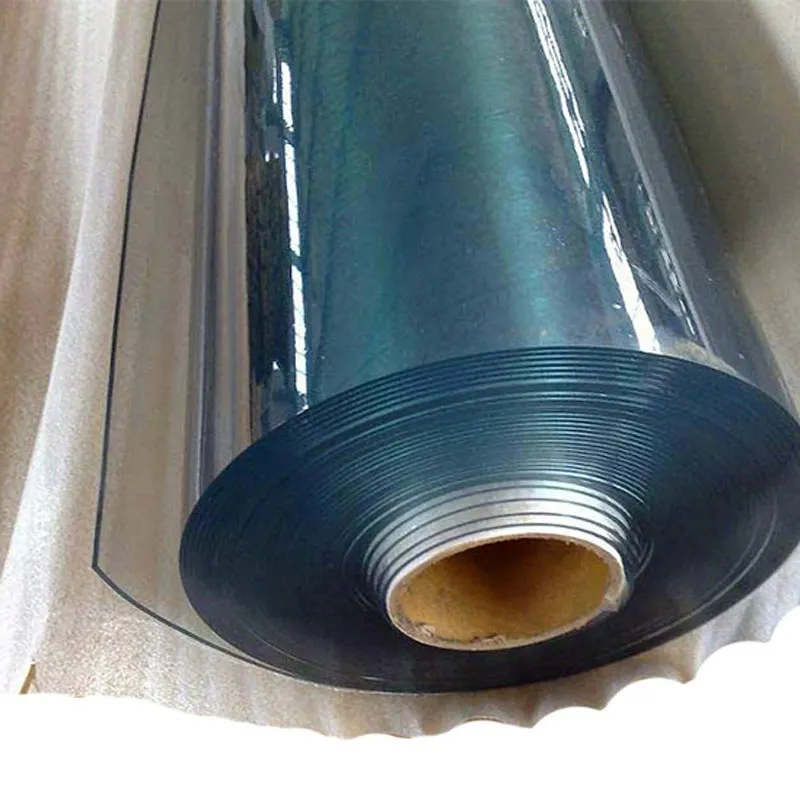
Medical applications impose demanding performance requirements on film materials. Medical grade PVC film must demonstrate consistent physical and mechanical properties that ensure reliable function throughout the product lifecycle. Quality control protocols aligned with Plastic Film Tensile Testing methodologies verify these critical parameters.
Navigating the regulatory landscape for medical materials requires comprehensive documentation and adherence to multiple standards frameworks. Biocompatible PVC film manufacturers must demonstrate compliance with applicable regulations in target markets, including FDA requirements in the United States and Medical Device Regulation (MDR) in the European Union.
The FDA provides guidance on PVC Plasticizers and Phthalates in medical applications, while the European Chemicals Agency maintains EU PVC Chemical Restrictions that impact material selection decisions. Understanding these requirements early in the product development process helps avoid costly reformulation efforts.
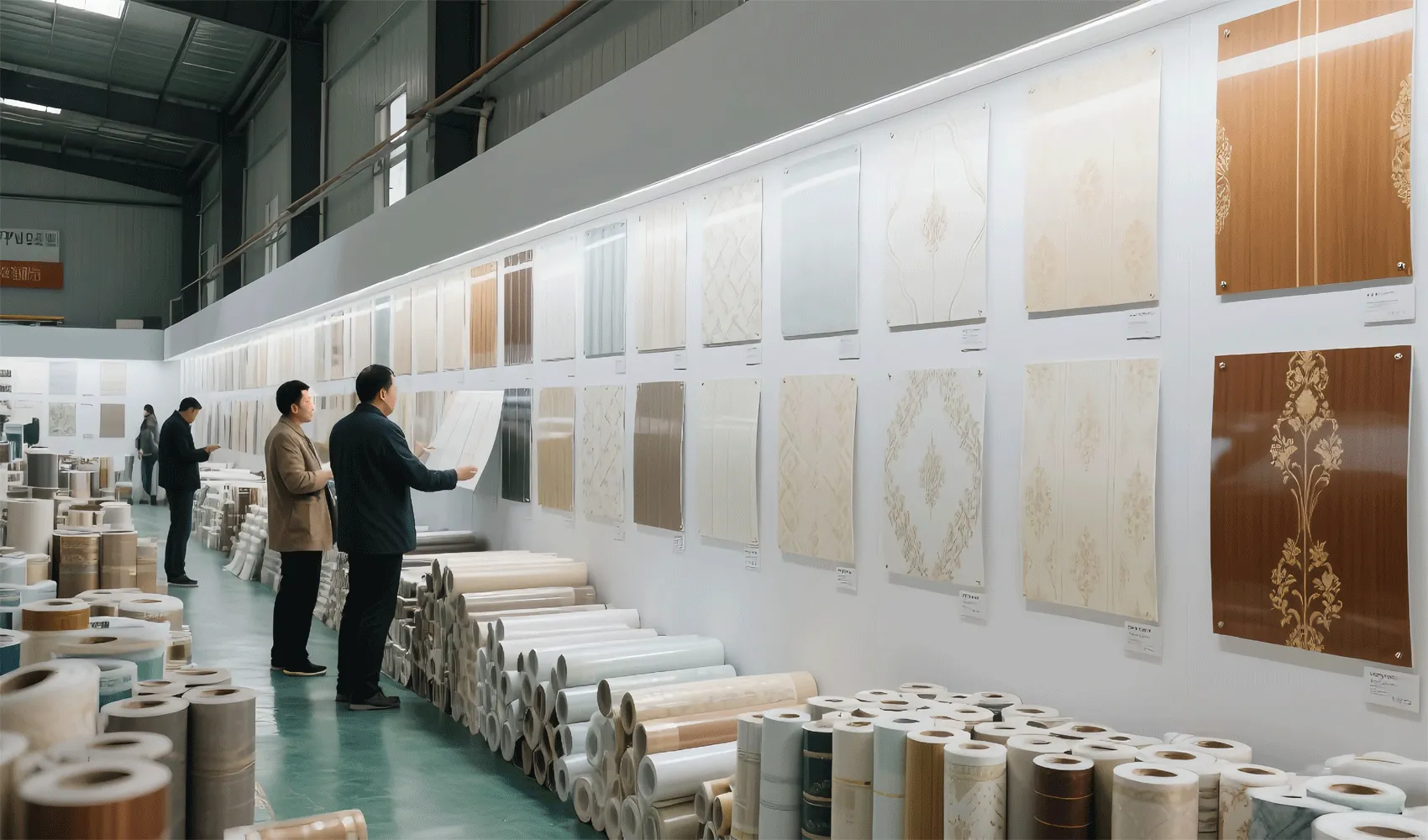
Producing biocompatible PVC film for medical applications requires controlled manufacturing environments and rigorous quality management. Cleanroom production conditions minimize particulate contamination, while automated monitoring systems ensure batch-to-batch consistency. Henan Pulivk New Materials Co., Ltd. maintains advanced calendering lines with integrated quality control checkpoints that verify film properties throughout the production cycle.
The production of medical grade PVC film involves precise control over raw material selection, processing temperatures, and post-treatment procedures. Each production batch undergoes comprehensive testing including thickness measurement per Plastic Film Thickness Testing protocols and mechanical property verification to ensure compliance with specifications.
Choosing the optimal film for a specific medical application involves evaluating multiple factors beyond basic biocompatibility. Procurement teams should consider the complete performance profile and supply chain reliability when making material decisions.
| Selection Criteria | Key Considerations |
|---|---|
| Application Type | Direct patient contact, fluid storage, or secondary packaging requirements |
| Sterilization Method | Compatibility with EtO, gamma, e-beam, or autoclave sterilization processes |
| Plasticizer Type | Non-phthalate alternatives including DOTP, TOTM, or citrate-based systems |
| Film Thickness | Ranging from 0.05mm to 0.50mm depending on mechanical requirements |
| Regulatory Support | Availability of technical dossiers and regulatory submission assistance |
The medical film industry continues to evolve with innovations focused on sustainability and enhanced functionality. Biocompatible PVC film development now incorporates bio-based plasticizers and improved recycling considerations aligned with PVC Recycling and Circularity initiatives. Antimicrobial surface treatments and advanced barrier properties represent growing areas of research that promise to expand medical PVC applications further.
As healthcare systems worldwide prioritize patient safety and infection control, the demand for high-quality medical PVC films continues to grow. Manufacturers investing in advanced production capabilities and comprehensive technical support are well-positioned to serve this expanding market with reliable, biocompatible solutions that meet the evolving needs of medical device companies and healthcare providers.
For procurement professionals and product developers seeking biocompatible PVC film solutions, evaluating suppliers with demonstrated expertise in medical-grade materials is essential. Comprehensive technical documentation, consistent product quality, and responsive customer support form the foundation of successful medical device manufacturing partnerships.