Address
304 North Cardinal St.
Dorchester Center, MA 02124
Work Hours
Monday to Friday: 7AM - 7PM
Weekend: 10AM - 5PM
Address
304 North Cardinal St.
Dorchester Center, MA 02124
Work Hours
Monday to Friday: 7AM - 7PM
Weekend: 10AM - 5PM


Cabinet PVC wrapping film is one of the fastest ways to upgrade cabinet doors and panels without replacing the entire kitchen or wardrobe system. It combines decorative style (wood, stone, fabric, solid colors, metallic looks) with practical performance (easy cleaning, moisture resistance, scratch resistance depending on finish). Whether you’re a furniture maker, a contractor, or a homeowner planning a remodel, understanding film types and finishes helps you choose a surface that looks premium and lasts.
Key idea:
PVC wrapping film is not just “a sticker.” In professional cabinet production, it’s typically applied with heat/pressure (wrapping, lamination, or membrane press), creating a uniform, design-rich surface that can mimic natural materials at a controlled cost.
Best use cases:
kitchen cabinet doors, vanity units, wardrobe panels, office storage, shopfitting, and renovation overlays—especially where moisture and daily cleaning are unavoidable.
PVC wrapping film is a thin polyvinyl chloride sheet engineered for decorative and protective surfacing. For cabinets, it is commonly used to wrap MDF, plywood, particle board, or composite panels. Depending on the product structure, the film may include printed layers (pattern), embossed layers (texture), and protective topcoats (scratch/chemical resistance, matte/anti-fingerprint performance).
Many modern cabinet lines use PVC films because they deliver consistent color and texture, reduce reliance on natural veneer supply, and support high-volume manufacturing with repeatable quality. For deeper background on PVC film categories and applications, you can explore the knowledge hub at
https://pvcfilmtec.com/knowledge/.
✔ Aesthetic versatility
Choose from wood grain, marble, solid colors, brushed metal, textile-like patterns, and artistic textures. Films can also be embossed for tactile realism, making “visual depth” possible even on flat cabinet faces.
✔ Moisture & stain resistance (finish-dependent)
In kitchens and bathrooms, frequent wiping is normal. PVC surfaces generally resist water splash and common stains better than porous natural materials, especially with proper edge wrapping and good adhesive bonding.
✔ Production efficiency
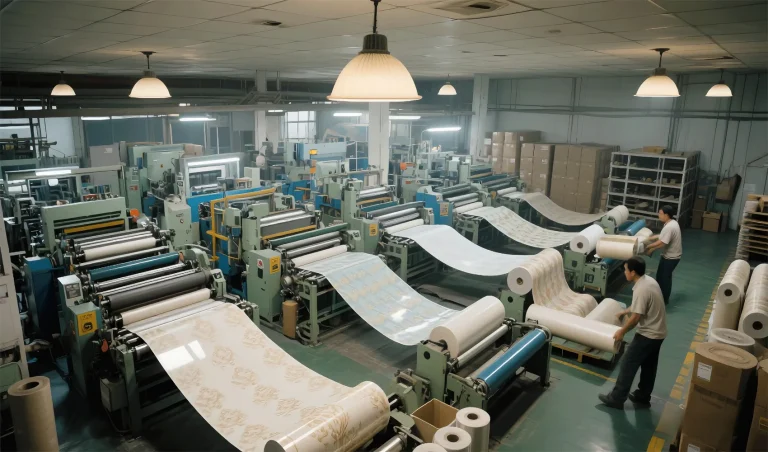
For cabinet factories, film wrapping supports scalable output and consistent batches. With calendering + printing + slitting/packaging in one supply chain, lead times and cost variability can be reduced compared with multi-vendor finishing systems.
✔ Easy maintenance
Most cabinet films are cleaned with mild detergent and a soft cloth. Matte and anti-fingerprint topcoats can make daily smudges less visible—useful for families with kids or high-traffic rental properties.
Cabinet wrapping films differ by manufacturing method, appearance, and functional topcoats. Below are the categories most buyers compare when selecting a “best finish.”
Calendered film is formed through a rolling process that creates stable thickness and good dimensional control—important for consistent wrapping results and predictable tension on production lines. It’s widely used as a base for decorative cabinet films and can be printed/embossed.
See product reference:
https://pvcfilmtec.com/product/calendered-film/.
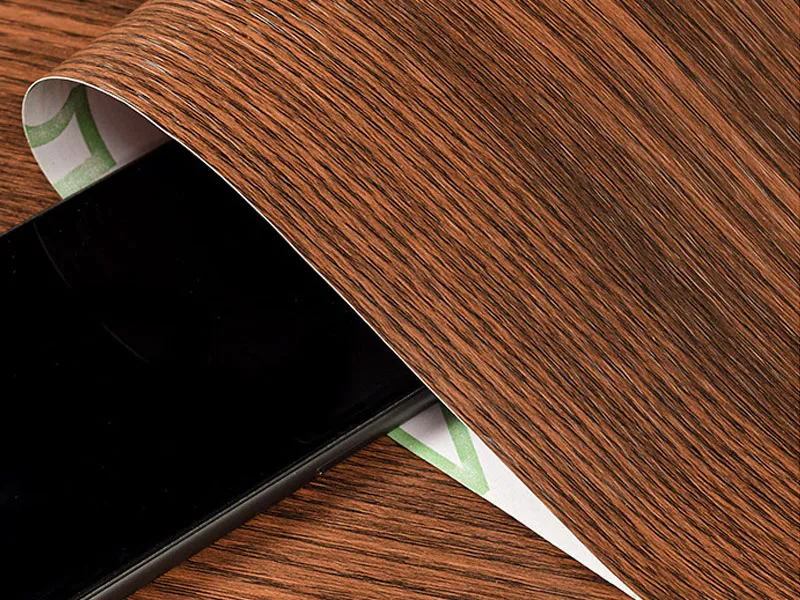
Wood grain film remains a top cabinet choice because it pairs well with modern, Scandinavian, Japandi, and transitional interiors. Printed grains plus embossing can mimic oak, walnut, ash, teak, and more.
Browse examples:
https://pvcfilmtec.com/product/wood-grain-film/.
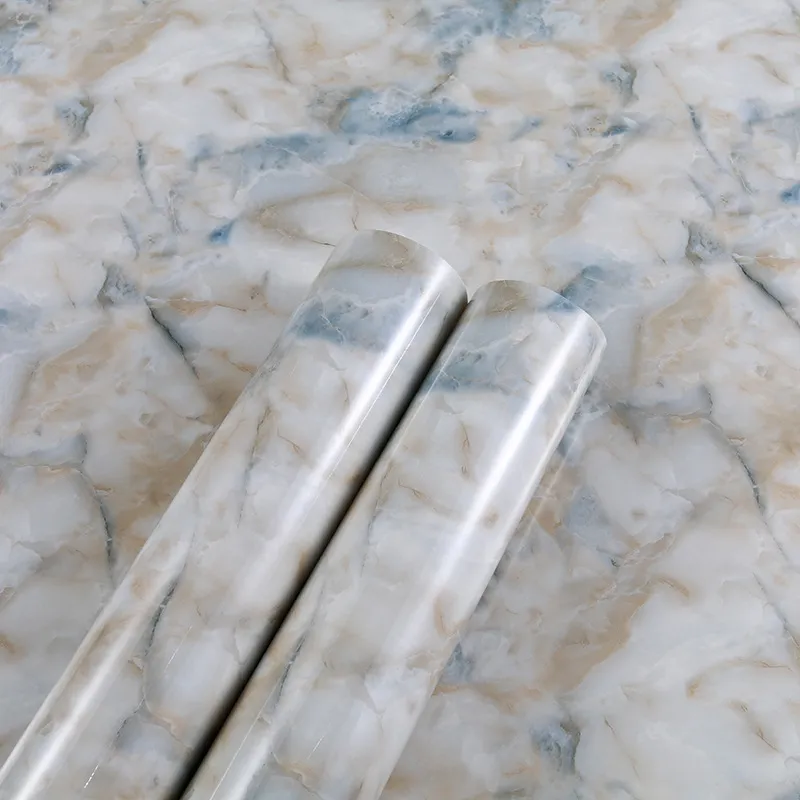
Marble visuals deliver a premium feel for kitchens, islands, and vanity cabinetry—without the sealing and staining concerns of real stone. Stone-look films can be high-gloss for drama or matte for a calmer, modern look.
Reference:
https://pvcfilmtec.com/product/marble-film/.
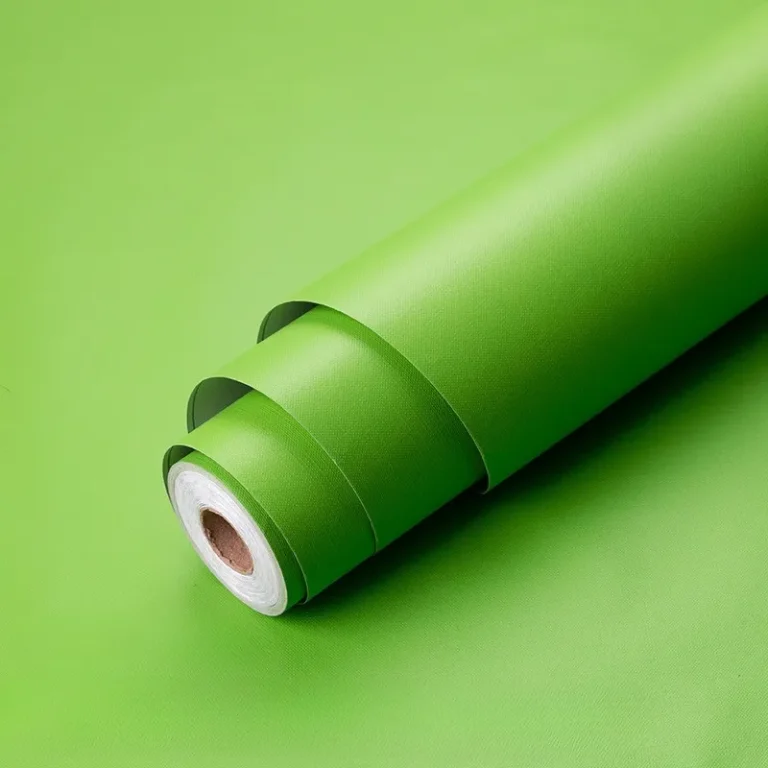
Solid colors are often chosen for handleless kitchens, contemporary wardrobes, and commercial interiors. Matte solids hide micro-scratches better than high gloss and can feel more “architectural.” For matching wall and cabinet aesthetics, some projects also pair cabinet films with coordinated surfaces like:
https://pvcfilmtec.com/product/solid-color-wallpaper/.
Embossed textures add depth you can feel—useful when you want cabinetry to look like fabric weave, brushed surfaces, or artistic relief patterns. One example category is:
https://pvcfilmtec.com/product/3d-silk-texture-film/.
⚑ Quick selection tip:
For busy family kitchens, prioritize matte / anti-fingerprint over pure high-gloss. For show kitchens and display cabinetry, high gloss can look impressive under controlled lighting.
⚑ For manufacturers:
Ask for specs on thickness tolerance, emboss depth consistency, and topcoat test data (scratch/chemical) to keep batch-to-batch performance stable.
“Best finish” depends on how the cabinets are used, cleaned, and lit. Below are common finish choices and what they do well.
High gloss reflects light strongly, making small kitchens feel brighter and visually larger. It pairs nicely with minimalist layouts and modern hardware. However, it can show fingerprints and hairline scratches more clearly—especially on dark colors.
Matte finishes feel modern and calm, reduce glare under strong lighting, and typically hide small surface marks better than gloss. Many homeowners prefer matte for daily-use kitchens because it looks clean even between wipe-downs.
Soft-touch films provide a premium, tactile surface often used for wardrobes, vanity cabinetry, and boutique retail fixtures. They can elevate perceived quality, but you should confirm stain resistance and cleaning guidance (some soft-touch coatings require more careful maintenance).
Textures can mask fingerprints and create realism (e.g., wood pores, linen weave). They also reduce the “flat plastic look” sometimes associated with smooth surfaces.
Metallic styles work well for contemporary kitchens, office storage, or commercial interiors. They tend to highlight straight lines and can look especially sharp paired with black fixtures and cool-toned countertops.
High-stress zones: areas near sinks, dishwashers, trash pull-outs, and kids’ snack drawers.
Consider matte/anti-fingerprint, stronger topcoats, and reliable edge wrapping.
Lower-stress zones: pantry doors, uppers, display cabinets.
You can prioritize appearance (gloss, textured, or special patterns).
Bright, direct lighting (spotlights, strong window exposure) makes gloss glare more noticeable. Matte looks smoother in bright kitchens, while gloss can brighten darker rooms. If possible, evaluate sample films under the exact lighting where the cabinets will live.
Thickness affects handling during wrapping and durability perception. For demanding cabinet environments, ask suppliers for test references such as scratch resistance, abrasion, chemical resistance (household cleaners), and heat stability near cooking zones.
Deeper embossing can look more like real wood or fabric, but may trap grime in heavy-use kitchens if cleaning is inconsistent. For rental units or commercial sites with frequent wipe-downs, light texture or matte smooth finishes often perform best.
If a project requires future add-ons (new pantry, extra wardrobe module), choose a film supplier with strong batch traceability and stable printing control to keep color and pattern alignment consistent.
A great film can still fail if application and substrate prep are weak. Cabinet PVC films are typically applied in professional settings using wrapping machines, membrane press, or lamination processes. Durability depends on bonding quality, edge sealing, and correct temperature/pressure parameters.
MDF and board surfaces should be smooth, dust-free, and properly sealed/primed when required. Surface contamination is one of the most common reasons for bubbles, edge lifting, or premature delamination.
Edges and corners are where cabinets receive the most knocks. Films designed for wrapping need good elongation and forming behavior so the finish stays tight without whitening, stress marks, or rebound.
⚠ Common failure signals to watch:
edge lifting, bubbles, wrinkles near corners, and color mismatch across doors.
These usually point to prep/adhesive/temperature issues rather than the pattern itself.
Most PVC cabinet films are easy to maintain, but long life comes from simple routines. Use a soft microfiber cloth with mild soap and water for everyday cleaning. Avoid abrasive pads and harsh solvents unless the supplier confirms chemical resistance for your specific topcoat.
For cabinet brands and furniture factories, customization is often the difference between a generic finish and a signature product line. Custom options can include thickness, roll width, emboss patterns, gloss level, color matching, printing design, and packaging style for transport safety.
A supplier with integrated calendering, printing, and slitting/packaging can better control quality and shorten delivery windows—especially when you need consistent batches for large projects. If you’re evaluating a partner, it helps to review their product scope and capabilities on
https://pvcfilmtec.com/about-us/
and request samples early to test under your own production settings.
A cabinet finish is only as dependable as the consistency behind it. When comparing suppliers, ask for quality control scope, compliance standards, and how they protect rolls during shipping (dust-proof wrapping, labeling, moisture protection). Also confirm whether they can support trial orders and repeat production with traceability.
Questions that save time:
If you need quotes or samples for cabinet PVC wrapping films, the fastest route is typically to provide thickness, width, pattern/finish, quantity, and application method details via the contact page:
https://pvcfilmtec.com/contact/.
1) Is cabinet PVC wrapping film safe for indoor use?
Many modern PVC films are manufactured to meet major compliance expectations (such as REACH/RoHS) and can be produced with eco-friendly inks. Always request compliance documents and test reports for your target market.
2) Which finish is easiest to maintain: gloss or matte?
Matte (especially anti-fingerprint matte) usually hides smudges better and reduces glare, making it a common choice for daily-use kitchens. Gloss is easy to wipe but shows fingerprints and micro-scratches more clearly.
3) Can PVC film be wrapped on routed/shaker-style cabinet doors?
Yes—if the film has good forming performance and the door profile corners are designed with appropriate radii. Proper adhesive choice, clean substrate, and correct temperature/pressure settings are essential for stable edges.
4) How do I avoid color mismatch between cabinet batches?
Confirm batch control and traceability, approve a master sample, and order enough material for the full project whenever possible. For phased projects, keep a reserved roll lot for future additions.
5) What details should I send to request a quotation?
Share film type (wood/marble/solid/etc.), thickness, width/roll size, finish (gloss/matte/soft-touch), pattern/color references, quantity, and intended application method (wrapping/lamination). This helps suppliers quote accurately and suggest the right topcoat.