Address
304 North Cardinal St.
Dorchester Center, MA 02124
Work Hours
Monday to Friday: 7AM - 7PM
Weekend: 10AM - 5PM
Address
304 North Cardinal St.
Dorchester Center, MA 02124
Work Hours
Monday to Friday: 7AM - 7PM
Weekend: 10AM - 5PM


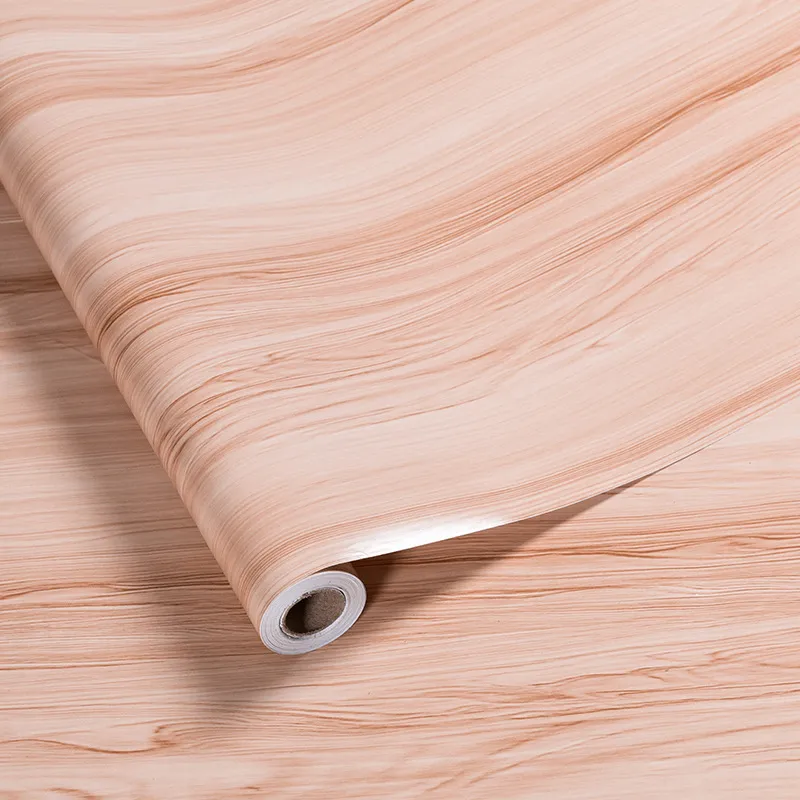
Calendar PVC film (more commonly written as calendered PVC film) is a versatile plastic sheet produced through a calendering process that delivers stable thickness, smooth surfaces, and excellent cost-performance for large-scale applications. From furniture wrap and wall decoration to advertising, flooring protection, and industrial laminations, this material is chosen when you need consistent quality, efficient processing, and repeatable appearance across many rolls.
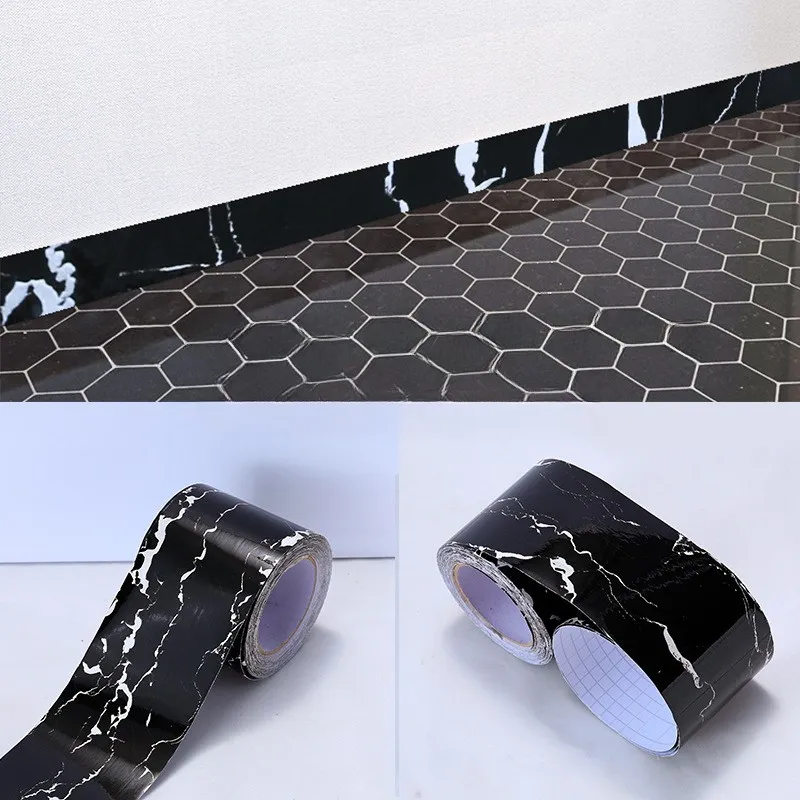
This guide explains uses, benefits, specifications, and selection tips so you can choose the right type for your project—whether you’re sourcing for cabinets, doors, panels, exhibitions, or functional films such as anti-static and self-adhesive solutions.
Calendered PVC film is made by mixing PVC resin with plasticizers, stabilizers, pigments, and functional additives, then passing the compound through heated rollers (a calender line) to form a continuous sheet. Compared with some other film-forming methods, calendering is valued for high output, excellent thickness control, and surface uniformity.
Key point: Calendered PVC film is engineered for stable, scalable production. That consistency is why it’s widely used in furniture decoration, building materials, advertising, and industrial protection.
In real-world sourcing, “calendered film” often describes the manufacturing route, while “decorative film” describes the end-use and surface design (wood grain, marble, matte, glossy, embossed, etc.). Many decorative PVC films are produced by calendering and then enhanced through printing, embossing, coating, lamination, or adhesive application.
If you’re exploring product options, you can start with a dedicated calendered film category such as
Calendered Film
and then refine by texture, pattern, or function.
Because PVC formulations can be adjusted for flexibility, durability, and surface effects, calendered PVC film serves both decorative and functional roles. Below are the most common application clusters.
Used for cabinet doors, wardrobes, wall panels, and office furniture surfaces. Popular options include wood grain, matte solid colors, soft-touch, and high-gloss finishes.
Explore pattern-driven options like
Wood Grain Film
for a natural look with easier cleaning than real wood veneer.
Calendered PVC film is widely used for wall coverings, decorative trims, and skirting where installers value consistent roll quality and repeatable color/texture. For edge and baseboard decoration, see
PVC skirting film.
Used as decorative layers and protective layers for floors, including residential and light commercial environments. Options range from embossed anti-slip textures to easy-clean topcoats. For sourcing references, check
Floor Film.
For display backdrops, signage overlays, and decorative wraps, calendered PVC film offers printability and flatness. Special textures can create premium visual depth, such as
3D Silk Texture Film.
In procurement, “best” rarely means the highest spec—it usually means the best match of performance, appearance, and cost. Calendered PVC film is popular because it hits that balance for many industries.
✔ Consistent thickness & roll-to-roll uniformity
Stable thickness helps laminators and press lines avoid bubbles, wrinkling, and uneven gloss.
✔ Strong design flexibility
From wood grain and marble to solid colors, embossed textures, and metallic looks—visual options scale well in production.
✔ Durable and easy to maintain
Good resistance to everyday wear, stains, and moisture (depending on formulation and topcoat).
✔ Customizable function
Anti-static, self-adhesive, anti-fog, food-grade coatings, or special surface finishes can be built into the film specification.
For indoor decoration and human-contact scenarios, buyers increasingly focus on low-odor and regulated substances. Reputable suppliers can support compliance targets such as ISO systems and chemical regulations (e.g., REACH/RoHS), and provide test reports upon request.
Calendered PVC film isn’t one product—it’s a category. Two films can look similar but behave very differently in lamination, thermoforming, or long-term use. Confirm the specs below in writing to reduce production risk.
Film is sensitive to dust, pressure marks, and edge damage. Confirm packaging such as individual roll wrapping (e.g., PE dust film or kraft paper), labeling, pallet method, and moisture protection—especially for sea freight and long storage cycles.
The “right” calendered PVC film is the one that meets your processing method, appearance targets, and end-user environment. Use the checklist below to narrow options efficiently.
➤ Furniture wrapping (flat lamination): prioritize surface consistency, adhesion compatibility, and low shrinkage.
➤ Membrane press / thermoforming: prioritize elongation, forming window, and emboss depth stability.
➤ Self-adhesive decoration: prioritize adhesive aging, clean removability (if needed), and liner quality.
Glossy surfaces can make small rooms feel brighter but show fingerprints more easily.
Matte/super-matte hides smudges and looks premium in modern interiors.
Embossed textures reduce scratch visibility and add realism to wood and stone patterns.
For stone aesthetics in retail or hospitality spaces, consider marble-like patterns such as
Marble Film.
Request samples that match your exact spec (thickness, finish, color, emboss). Run a small trial on your real line: check bonding, edge wrapping, heat response, surface defects, and roll flatness.
If your project is time-sensitive, also confirm lead time, batch consistency, and whether the supplier can keep a color standard for future reorders.
Many issues attributed to “film quality” are actually caused by mismatch between film spec and processing conditions. Below are frequent failure modes and how to reduce them.
⚠ Bubbles or silvering after lamination
Often linked to adhesive mismatch, trapped air, contaminated substrate, or incorrect pressure/temperature. Ensure substrate cleanliness, confirm adhesive type, and run trials for your press settings.
⚠ Shrinkage / edge lifting
Common in heat exposure or unstable formulation. Specify dimensional stability requirements and confirm correct processing temperature window.
⚠ Color difference between batches
Tighten acceptance criteria using agreed color standards, batch traceability, and pre-production sample approval for each run.
⚠ Surface scratches or pressure marks
Improve packaging, handling, and storage conditions; use protective interleaving or better wrapping for high-gloss films.
If you purchase calendered PVC film at scale, supplier capabilities determine whether you get stable deliveries and repeatable results. Look for manufacturers that control the full chain: calendering, printing, and slitting/packaging, along with multi-step quality checks from raw material to finished roll.
If you want to learn more about product categories, specifications, and selection logic across film types, browse
Knowledge
for practical references and sourcing guidance.
RFQ essentials:
1) Is “calendar PVC film” the same as “calendered PVC film”?
In most purchasing contexts, yes. “Calendar” is often a spelling variation; the correct industry term is calendered, referring to the roller-based production process.
2) What’s the best finish for cabinets: glossy or matte?
Glossy looks bright and premium but shows fingerprints more easily; matte/super-matte hides smudges and suits modern interiors. Choose based on lighting, usage frequency, and cleaning habits.
3) Can calendered PVC film be customized for OEM projects?
Yes. Typical OEM/ODM customization includes thickness, width, roll size, color/pattern, emboss, functional coatings (anti-static/anti-fog), and packaging.
4) How do I reduce batch-to-batch color variation?
Approve a signed color standard, request batch traceability, confirm color tolerance, and validate each production run with pre-shipment checks (especially for wood grain and marble patterns).
5) What information should I provide to get an accurate quotation?
Provide application, process method, thickness/width/roll length, finish, pattern/color code, required performance specs, compliance needs, order quantity, and desired delivery time.