Address
304 North Cardinal St.
Dorchester Center, MA 02124
Work Hours
Monday to Friday: 7AM - 7PM
Weekend: 10AM - 5PM
Address
304 North Cardinal St.
Dorchester Center, MA 02124
Work Hours
Monday to Friday: 7AM - 7PM
Weekend: 10AM - 5PM


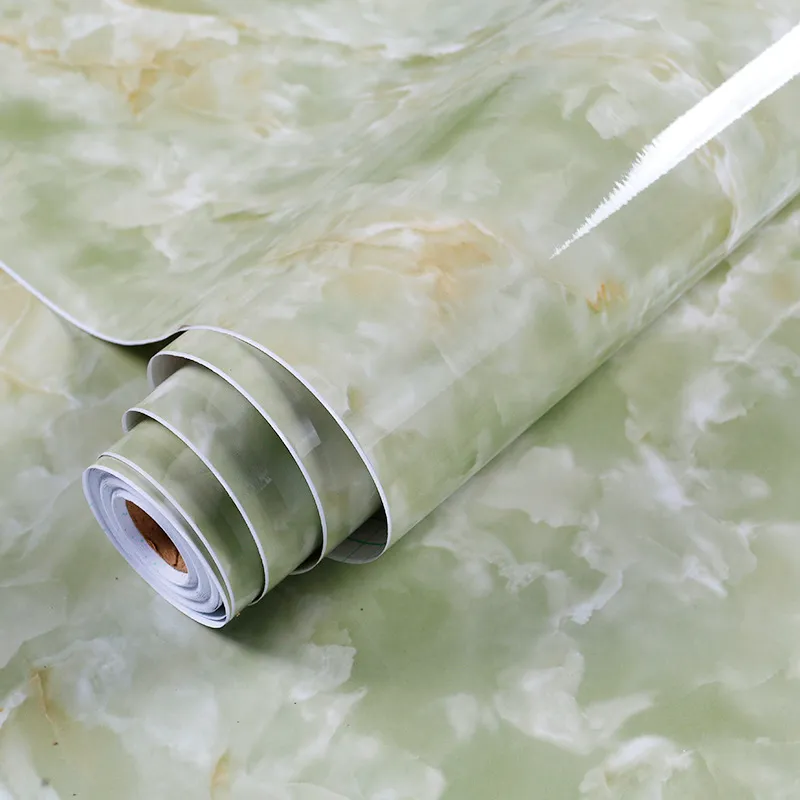
PVC film can often be refurbished — repaired, cleaned, or replaced — depending on the damage type, film quality, and desired finish. This guide shows practical repair steps, restoration methods, cost and time expectations, and when a full replacement is the smarter choice.
Short answer: Yes. Small scratches, peeling edges, and surface stains are usually repairable or restorable. Severe delamination, deep gouges, or wide-area wear often call for replacement of the film. The final decision depends on the film type (self-adhesive, calendered, laminated), substrate, and end-use.
Refurbishing PVC film saves time and money compared with full replacement, reduces waste, and preserves design continuity. For rental properties, retail displays, kitchen cabinets, and furniture refacing projects, refurbishment is a frequently chosen option.
Before any work, identify the film type. Glossy and matte calendered films have different repair characteristics than textured or self-adhesive films. Highly textured or printed films are harder to invisibly repair because pattern matching is required.
– Self-adhesive decorative films: easy to replace and patch in small areas.
– Calendered and cast PVC furniture film: more durable, better for heat-activated re-lamination.
– Protective and floor films: primarily replaced if cut or deeply scratched.
Use these basic steps for light surface damage on glossy or matte PVC films:
Microfiber cloth, mild detergent, isopropyl alcohol (70%), thermal hair dryer or heat gun (low setting), plastic scraper or squeegee, vinyl repair kit or matching touch-up marker.
1. Clean the area with mild detergent and dry with a microfiber cloth.
2. Remove grease and adhesives using a small amount of isopropyl alcohol — test in an inconspicuous area first.
3. For shallow scratches, warm the film gently with a hair dryer to relax surface tension and rub lightly with a soft cloth in circular motions.
4. Use a vinyl touch-up marker or repair filler for tiny chips; blend with a damp cloth.
5. For lifted edges, apply a thin layer of pressure-sensitive adhesive (PSA) or use heat to re-adhere, smoothing with a squeegee.
Sun-fade, nicotine, or kitchen oil stains often respond to careful cleaning and re-polishing:
– Use non-abrasive cleaners and a microfiber pad.
– For dull finishes, specialized vinyl rejuvenators can restore sheen — apply sparingly and follow manufacturer instructions.
– Avoid harsh solvents on printed films as they may remove ink.
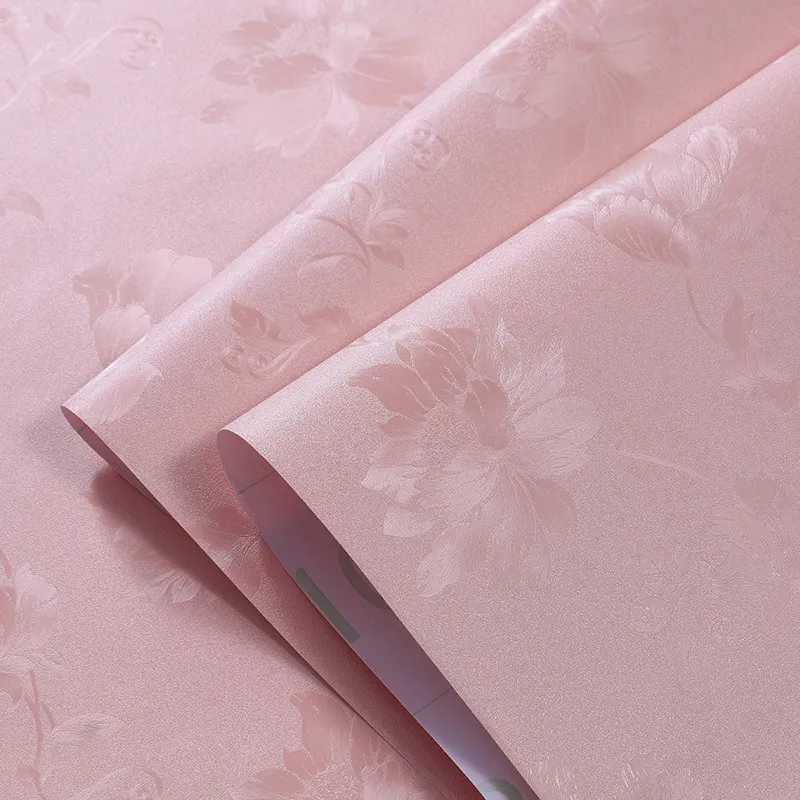
Consider replacement if any of the following apply:
DIY is ideal for minor blemishes, peeled corners, and small patches. Professional refurbishment is recommended for textured prints, pattern matching, complex re-lamination, or projects requiring warranty-level results. Professionals also offer industrial tools (heat presses, solvent welding, re-coating) for longer-lasting repairs.
| Issue | DIY possible | Time | Cost estimate | Post-repair lifespan |
|---|---|---|---|---|
| Small scratch or scuff | Yes | 15–60 minutes | $0–$30 (cleaner & marker) | 1–3 years |
| Edge peel / small bubble | Yes | 30–120 minutes | $10–$60 | 2–5 years |
| Large delamination / pattern mismatch | No (recommended pro) | 4–24 hours (site dependent) | $150–$800 (or more) | 5–15 years (with proper install) |
– Clean regularly with non-abrasive cleaners and soft cloths.
– Avoid prolonged exposure to direct sunlight or high heat where possible.
– Use cutting boards and surface protectors to prevent accidental cuts.
– For kitchen and bathroom films, choose anti-oil or waterproof grades for better longevity.
When replacement is needed, select a film that matches abrasion resistance, UV stability, and texture for the application. Look for suppliers that offer full production control and OEM options for consistent color and quality.
Pulivk (Henan Pulivk New Materials Co., Ltd.) provides full in-house production — calendering, printing, split-packaging — and supports OEM/custom sizes, colors, and prints. For commercial projects or bulk replacement needs, working with a manufacturer that controls raw materials and processing helps ensure consistent results and stable lead times.
Heat can relax minor wrinkles, re-adhere lifted edges, and help smooth bubbles, but it won’t fix physical cuts, missing material, or deep abrasion.
Printed films are harder to match if color or pattern is damaged; small fixes can work, but large areas often need full-panel replacement to look seamless.
Repairing extends product life and reduces waste. When replacement is necessary, ask suppliers about recyclable options and responsible disposal.
For tailored product options and OEM services, visit Pulivk at https://pvcfilmtec.com/ to explore film types, finishes, and custom production capabilities.