Address
304 North Cardinal St.
Dorchester Center, MA 02124
Work Hours
Monday to Friday: 7AM - 7PM
Weekend: 10AM - 5PM
Address
304 North Cardinal St.
Dorchester Center, MA 02124
Work Hours
Monday to Friday: 7AM - 7PM
Weekend: 10AM - 5PM


PVC film is widely chosen for furniture surfaces, wall décor, doors, floors, and protective coverings because it balances appearance, flexibility, and cost. But one question comes up in almost every project: Can PVC film be scratch-resistant? The practical answer is “yes—up to a point.” Scratch resistance depends on film formulation, surface finish, thickness, coating choices, and how the film is installed and used.
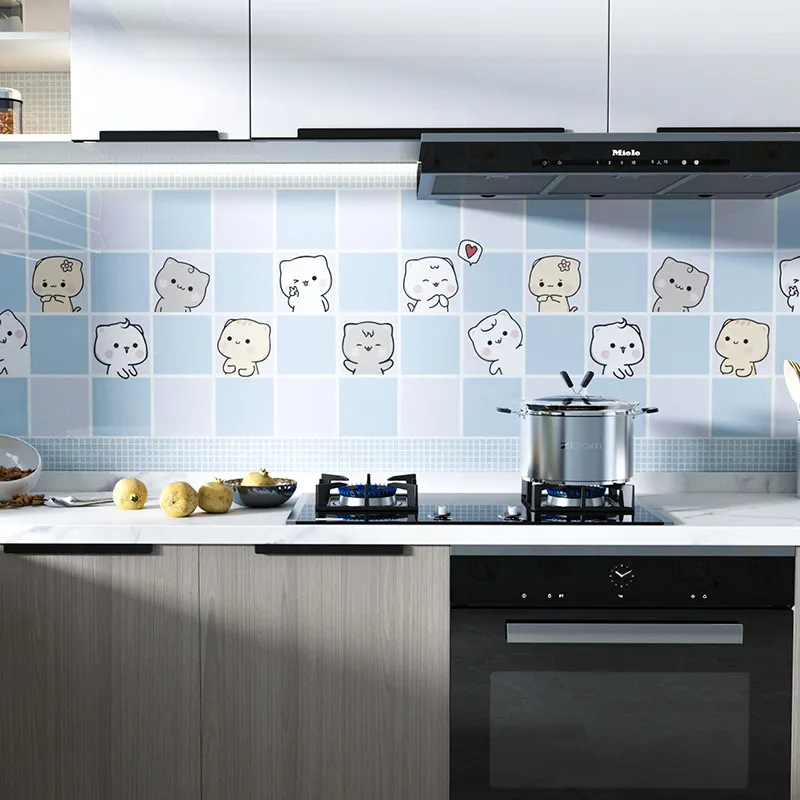
This guide explains what scratch-resistant really means, where PVC film performs well, where it has limits, and how manufacturers and buyers can improve durability for high-touch environments like cabinets, wardrobes, retail fixtures, office furniture, and flooring.
✔ Key takeaway:
PVC film can be engineered to resist everyday scuffs, fingernail marks, and cleaning abrasion, but it is not a “scratch-proof” surface like ceramic or hardened glass. The best results come from choosing the right structure (calendered/cast), finish (matte/embossed), and protective top layer.
“Scratch-resistant” is often used loosely. In real production and quality control, it usually refers to a surface that reduces visible marks under typical contact: sliding objects, dust abrasion, repeated wiping, or incidental impacts. PVC film scratch resistance is influenced by two dimensions:
① Surface hardness / mar resistance
How well the top surface prevents micro-scratches and haze caused by repeated rubbing (cloth, sponge, dust, packaging friction).
② Deep scratch / gouge resistance
How well the film resists deeper damage from sharp edges, metal keys, grit trapped under a sliding object, or corner impacts.
Many PVC films can be optimized for the first category (mar resistance). Deep gouge resistance is more limited because PVC is a polymer that can be cut by hard, sharp objects—especially under load.
PVC film is a thermoplastic. Its durability is shaped by formulation choices (resins, plasticizers, stabilizers), film structure, and the surface finish created during calendering/printing/lamination. Common reasons scratches appear include:
Tip for spec sheets:
Ask for scratch test methods and acceptance criteria (e.g., abrasion cycles, pencil hardness, steel wool rub, or internal rub tests). “Scratch-resistant” without a test reference is only a marketing label.
When properly engineered and paired with the right substrate (MDF, plywood, boards, metal panels, etc.), scratch-resistant PVC film delivers several advantages in real installations:
Cabinet doors, wardrobes, drawers, wall panels, and skirting boards experience repeated contact. A more abrasion-resistant top surface helps reduce whitening, haze, and visible scuff trails—especially under strong indoor lighting.
In kitchens, retail, and office spaces, cleaning is frequent. A suitable topcoat can reduce micro-scratches from wiping and help keep a consistent finish, particularly on matte and satin products.
For furniture factories and contractors, better surface durability often means fewer complaints, fewer replacements, and longer time before refurbishment is needed.
Best-fit applications:
cabinet surfaces, wardrobe panels, decorative wall sheets, commercial display fixtures, elevator interior decorative panels (when properly specified), and protective laminations on boards.
Even high-grade PVC film has boundaries. Understanding them helps you choose the right product category and avoid unrealistic expectations.
Keys, blades, metal edges, and abrasive grit can cut into the film. A tougher top layer may reduce visibility, but deep scratches may still occur.
High-gloss finishes reflect light like a mirror. Small marks that are “acceptable” on matte can become obvious on gloss, particularly on dark colors.
Some strong solvents, aggressive degreasers, or abrasive powders can soften or roughen the surface, making future scratches easier. This is common in heavy-use kitchens and industrial cleaning routines.
⚠ Practical reminder:
Scratch resistance is a system property: film + adhesive + substrate + edge finishing + usage environment. A premium film can still fail if edges lift, dust is trapped during lamination, or cleaning tools are too abrasive.
Improving durability is usually a combination of material choices and process control. Below are the most effective levers.
Calendered PVC film is commonly used for decorative and industrial applications because it provides stable thickness, good dimensional control, and scalable production. A well-made base improves consistency for coatings and embossing, which directly impacts scratch performance.
For projects that demand stable quality and repeatable performance, consider a verified production route like
calendered film
and specify thickness according to end-use (furniture surfaces vs. flooring vs. wall panels).
Texture is a powerful “optical durability” tool. Fine embossing can hide minor scuffs and reduce the mirror effect that exposes micro-marring. Textured surfaces can also improve grip and reduce the severity of visible wipe marks.
In decorative interiors, fabrics and silk-like textures can provide a premium look while improving perceived wear resistance. For example, a
3D silk texture film
can mask light scratches better than high-gloss surfaces in similar lighting.
If scratch resistance is critical, specify a functional top layer designed to increase surface hardness and abrasion resistance. Depending on the application, options may include harder clear coats, wear-resistant layers, or special functional treatments. The goal is to make the outermost layer more resistant to micro-marring while maintaining flexibility and adhesion.
What to request from suppliers:
A wall decorative film and a floor surface film live in different worlds. Foot traffic carries grit that acts like sandpaper, quickly creating wear patterns. If the film is intended for floor-related scenarios, specify a product designed for that wear profile, such as
floor film,
and confirm abrasion/wear-layer expectations early in sampling.
Many “scratch issues” are actually process issues. Common causes include dust contamination during lamination, dragging rolls on rough surfaces, or unprotected stacking that creates rub marks during shipping. Strong packaging and dust protection reduce surface defects before the film even reaches the end-user.
Handling checklist:
keep worktables clean; use protective interleaving where needed; avoid sliding finished panels face-to-face; store away from heat sources; and use supplier-recommended packing (dust-proof PE wrap or kraft paper per roll) for safer transport.
Two films can have similar mechanical durability but look very different after use. “Scratch visibility” often matters as much as scratch depth. Use the following practical guidance:
Looks premium and clean, but shows micro-scratches and swirl marks more easily—especially on dark colors.
Consider premium options only when cleaning habits are gentle and usage is moderate, such as wardrobes and vertical panels. If you need glossy solutions, explore products designed for that aesthetic like
glossy wardrobe film.
Hides light scuffs better and is often preferred for high-touch furniture and modern interiors. Matte surfaces also reduce the “highlighting” effect from overhead lights.
Excellent at hiding micro-marring and improving perceived durability. Great for wood grains, stone grains, and fabric patterns used on cabinets, wall panels, and skirting.
For desks, cabinet doors, and wardrobe panels, prioritize mar resistance and cleanability. Matte or lightly textured wood grain finishes often deliver the best balance. In busy spaces (rental apartments, hotels, student housing), choose finishes that reduce scratch visibility rather than pushing extreme gloss.
A popular decorative route is
wood grain film,
where embossing and pattern depth can help hide everyday wear.
Walls typically face lower mechanical abuse than floors, but they can be scratched by moving furniture, cleaning tools, and children’s toys. For corridors and commercial interiors, textured finishes are often the safest choice to maintain appearance over time.
Skirting boards are frequently hit by vacuum cleaners, shoes, and mops. This “impact + rubbing” combination makes them a high-risk scratch zone. Consider a dedicated skirting solution such as
PVC skirting film,
and ensure corners and edges are finished properly to prevent lifting that can worsen wear.
Kitchen surfaces are exposed to oil splashes, frequent wiping, and stronger cleaners. If you only optimize scratch resistance but ignore chemical resistance, the surface may soften or haze and become easier to mar. For cabinetry near stoves and prep zones, specify a film that is intended for kitchen conditions and confirm the recommended cleaning routine with the supplier.
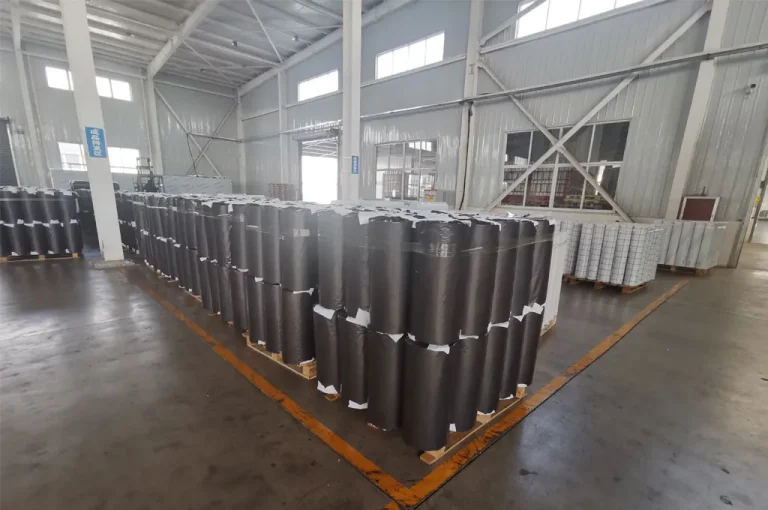
Scratch resistance is not only about a “good formula.” Consistency matters—especially for large projects where multiple batches must match. Full-process production (calendering, printing, slitting, and packaging) helps control variables like thickness tolerance, embossing stability, coating uniformity, and contamination risk.
What “good QC” looks like:
batch traceability; multi-stage inspections from raw materials to finished rolls; testing for thickness, tensile strength, adhesion, and surface appearance; and export-ready protective packaging to reduce rub marks during shipping.
Choosing PVC film by pattern alone is risky. To avoid expensive rework, write a performance-oriented specification and confirm it during sampling:
⭐ Best practice:
Request sample rolls and run a small in-house simulation: repeated wipe test, object slide test with clean and gritty conditions, and chemical spot test with the cleaners used on-site. Realistic trials prevent surprises after mass installation.
No. PVC film can be scratch-resistant and highly durable for everyday use, but sharp objects and abrasive grit can still cause damage.
Matte, satin, and textured/embossed finishes generally hide micro-scratches better than high-gloss surfaces.
Not always. Thickness can improve durability in some cases, but topcoat design, embossing, and formulation often matter more for surface mar resistance.
Yes. Harsh chemicals, solvents, and abrasive pads can roughen or soften the surface. Use supplier-recommended cleaners and non-abrasive cloths.
Request the test method and acceptance criteria (abrasion/scratch test type), plus batch consistency controls and application guidance for your substrate and usage environment.