Address
304 North Cardinal St.
Dorchester Center, MA 02124
Work Hours
Monday to Friday: 7AM - 7PM
Weekend: 10AM - 5PM
Address
304 North Cardinal St.
Dorchester Center, MA 02124
Work Hours
Monday to Friday: 7AM - 7PM
Weekend: 10AM - 5PM


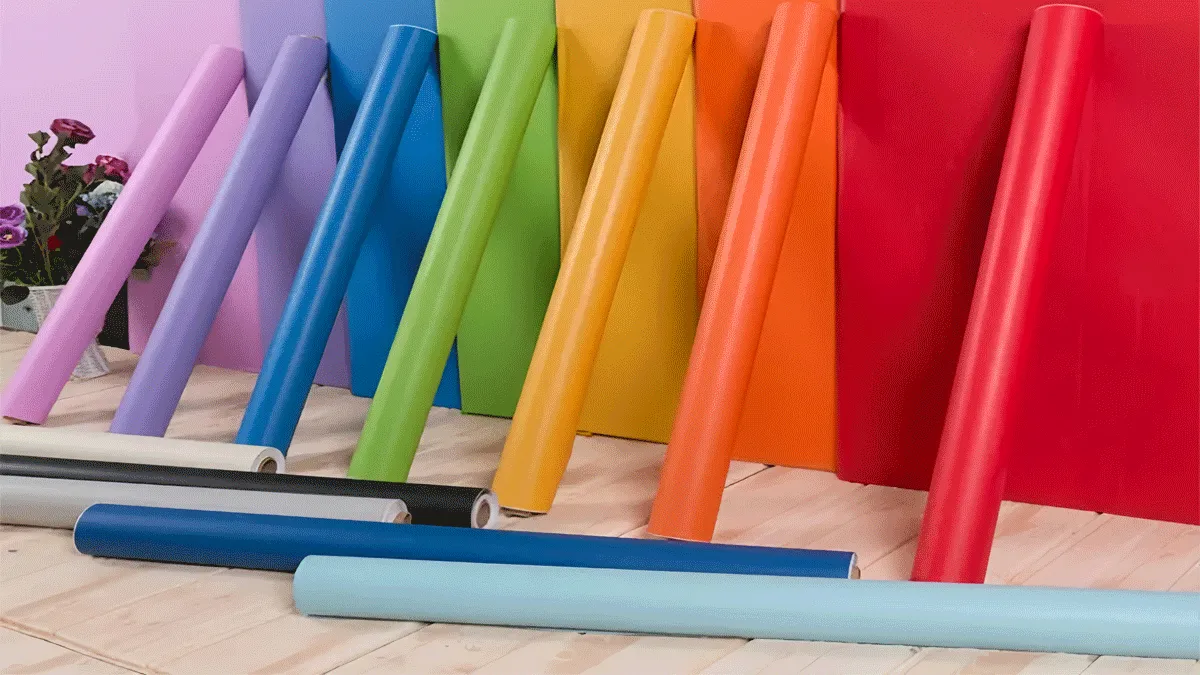
PVC film is widely used in interior finishing, and wall coverings are one of its most practical applications when you want a fast makeover, consistent patterns, and easy cleaning. But “Can PVC film be used for wall coverings?” depends on the surface condition, the film type (calendered, decorative, self-adhesive, etc.), and where the wall is located (dry living spaces vs. humid bathrooms vs. high-traffic commercial areas).

Key takeaway:
PVC film can work very well as a wall covering when the substrate is smooth, stable, and properly prepared—especially for kitchens, rentals, retail spaces, and quick commercial renovations.
Best results come from:
choosing the right surface finish (matte/embossed), adhesive system, and functional treatments (waterproof, anti-static, easy-clean).
PVC film is a thin sheet made from polyvinyl chloride that can be produced with different textures, colors, thicknesses, and performance features. For wall coverings, it’s often selected because it can be printed or embossed to imitate premium finishes—like wood grain, marble, fabric, brushed metal, or artistic textures—while remaining more cost-efficient and easier to wipe clean than many traditional wall materials.
For example, calendered film is commonly used as a stable base for decorative applications. Depending on the project, you can also choose self-adhesive constructions for faster installation, or films intended for lamination onto panels that later become wall cladding systems.
Decorative PVC film is manufactured with controlled color and pattern repeat, making it easier to achieve a uniform look across multiple walls, rooms, or store branches. This matters for franchise retail, hotels, and office fit-outs that demand consistent branding and finish quality.
Many PVC decorative films are designed to be wipe-clean. In kitchens, corridors, children’s rooms, and commercial spaces, this can reduce maintenance time. Waterproof variants can also help protect walls from splashes and day-to-day humidity (note: waterproof surface ≠ waterproof wall system—edges and seams still matter).
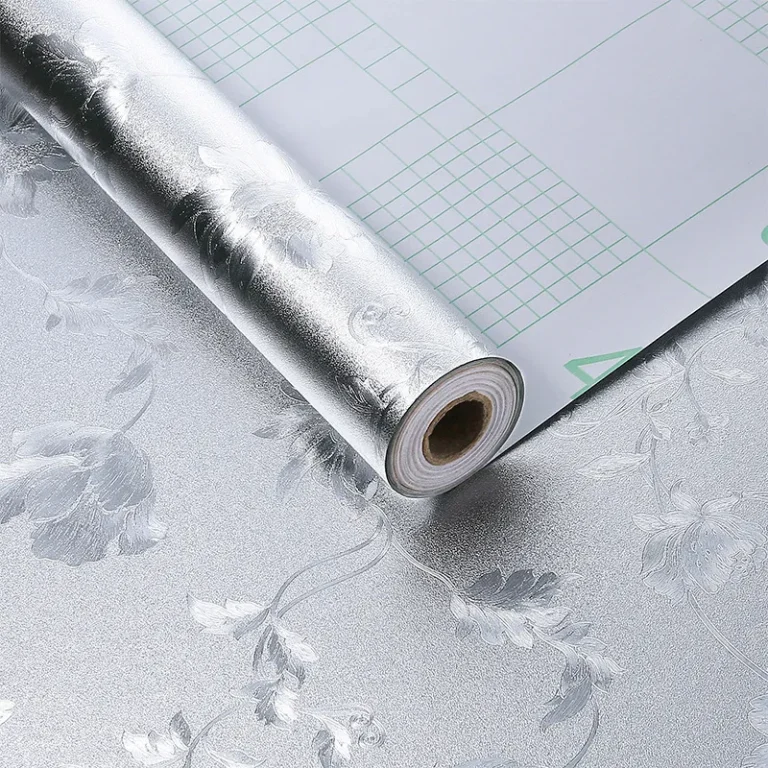
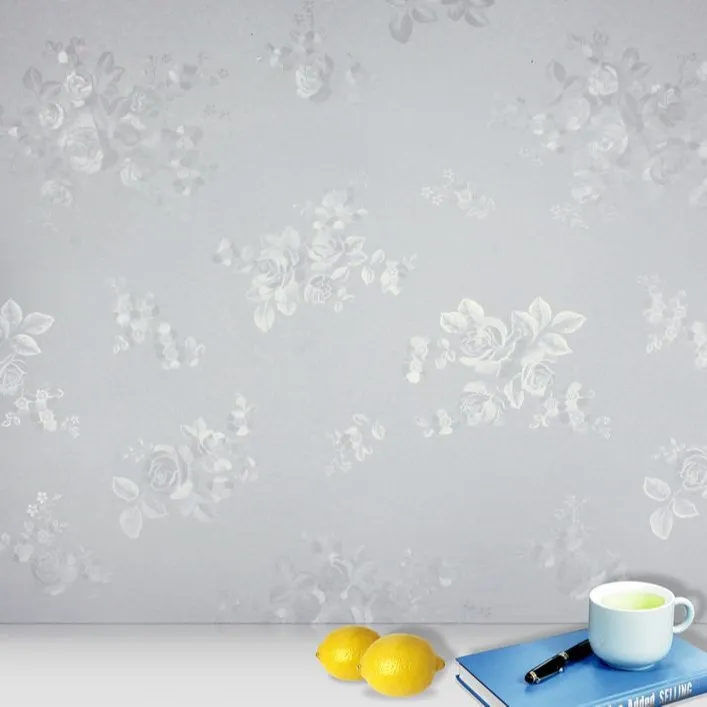
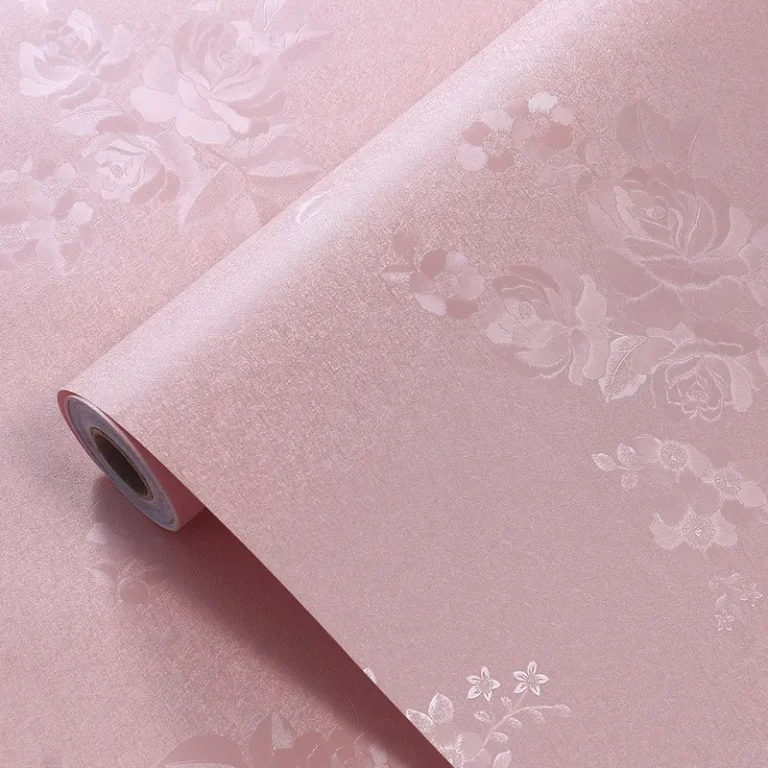
Want a tactile wall but don’t want thick panels or messy wet trades? Embossed films—like a fabric-like surface—can create depth while keeping the overall build light. A good example is 3D silk texture film, which can add a refined, soft-texture feel for feature walls and reception areas.
In rental apartments, pop-up shops, or fast remodel cycles, PVC film can be a practical alternative to repainting or replacing wall materials. It’s especially useful when the goal is a clean, modern look with predictable labor time.
Manufacturers can customize thickness, width, roll length, pattern, color matching, surface finish (glossy/matte), and functional coatings (e.g., anti-static). This flexibility helps architects and contractors match wall finishes to furniture, doors, and flooring for a cohesive design.
⚠ Important:
Most failures with wall film come from poor surface prep, not from the film itself.
For backsplash-adjacent walls (not directly behind open flame), PVC film can help resist cooking splashes and simplify cleaning. If oil exposure is expected, selecting a film designed for anti-oil performance can significantly improve long-term appearance.
Feature walls benefit from textured or patterned film that photographs well and stays consistent over time. Consider stone or marble effects like marble film for modern commercial interiors where you want a premium look with controlled costs.
Self-adhesive options are popular for fast upgrades. Neutral palettes can modernize a room without a full repaint. A clean, minimal look can be achieved with solid color wallpaper, which also helps hide minor scuffs if the wall is properly leveled and primed.
In hallways, waiting areas, and service corridors, films can help reduce visible wear compared with paint—especially when paired with protective trims or skirting solutions to guard the lower wall against impact and cleaning equipment.
Glossy films can look premium but may highlight wall imperfections and seams under side lighting. Matte and embossed finishes are more forgiving for residential walls and high-traffic zones.
✅ Useful upgrades for wall projects:
Wood tones work well in living rooms, bedrooms, and hospitality environments. Lighter wood patterns can visually expand small rooms, while deeper tones can create a premium, lounge-like mood when paired with warm lighting.
Marble effects can deliver a clean, architectural look for feature walls, reception desks, and elevator lobbies—especially when you choose a low-gloss or soft satin finish to reduce glare.
Solid colors are practical for retail chains and office spaces that need brand-consistent interiors. They also hide seam lines better than high-contrast patterns when installed on very large walls.
For interior wall coverings, buyers often ask about indoor safety. Quality suppliers can provide films made with environmentally friendly inks and materials designed for indoor use, along with relevant compliance documentation. If your project requires specific regulations (commercial buildings, healthcare, schools), confirm the film system’s test reports and suitability for that environment.
✔ Choose PVC film if you want:
✖ Consider other solutions if you have:
It can if the paint is weak, chalky, or not well-bonded to the plaster. Do a small test patch first, and avoid applying film over peeling or damp paint.
It can work in splash zones or on well-ventilated bathroom walls, but seam sealing and moisture control are essential. If the wall has recurring condensation or hidden dampness, solve that first.
Matte or embossed textures usually hide minor defects better than high-gloss finishes, which reflect light and can highlight bumps and seams.
Use a soft cloth with mild soap and water. Avoid abrasive pads and strong solvents unless the supplier explicitly confirms chemical resistance for your film type.
Poor preparation: dusty walls, loose paint, uneven surfaces, or hidden moisture. A clean, smooth, sealed substrate is the foundation for long-lasting adhesion.