Address
304 North Cardinal St.
Dorchester Center, MA 02124
Work Hours
Monday to Friday: 7AM - 7PM
Weekend: 10AM - 5PM
Address
304 North Cardinal St.
Dorchester Center, MA 02124
Work Hours
Monday to Friday: 7AM - 7PM
Weekend: 10AM - 5PM


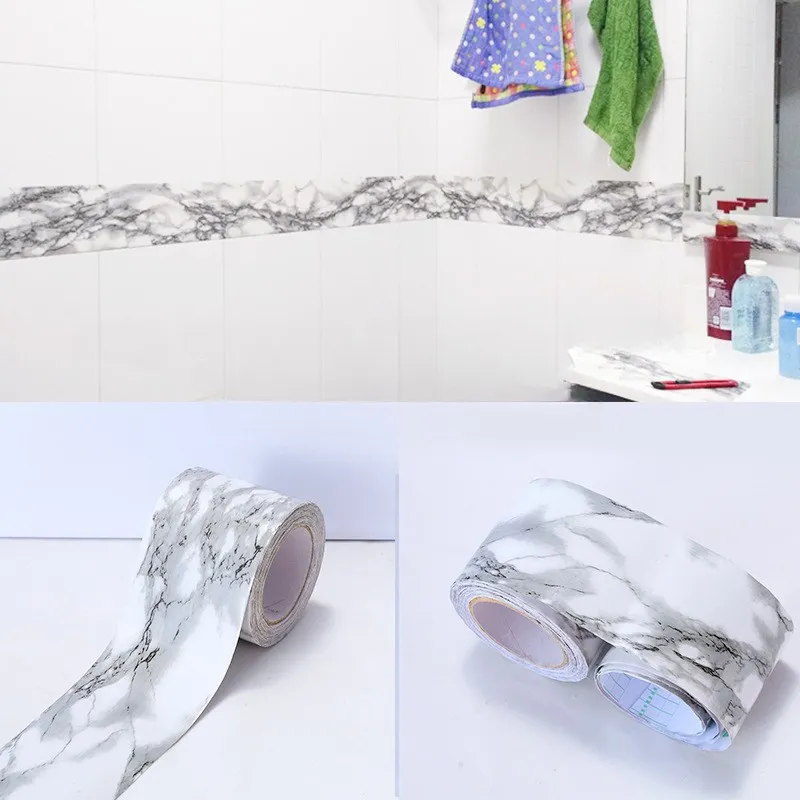
Cast PVC shrink film represents a specialized segment within the versatile world of PVC films. Unlike its calendered counterpart, which is formed by pressing molten PVC between heated rollers, cast film is produced by spreading a liquid PVC plastisol onto a moving belt or drum, followed by heating to gel and fuse the material. This manufacturing process yields a film with distinct characteristics: exceptional clarity, uniform thickness, and a lower inherent shrinkage rate, making it the premier choice for applications demanding precise dimensions and high-gloss, distortion-free surfaces.
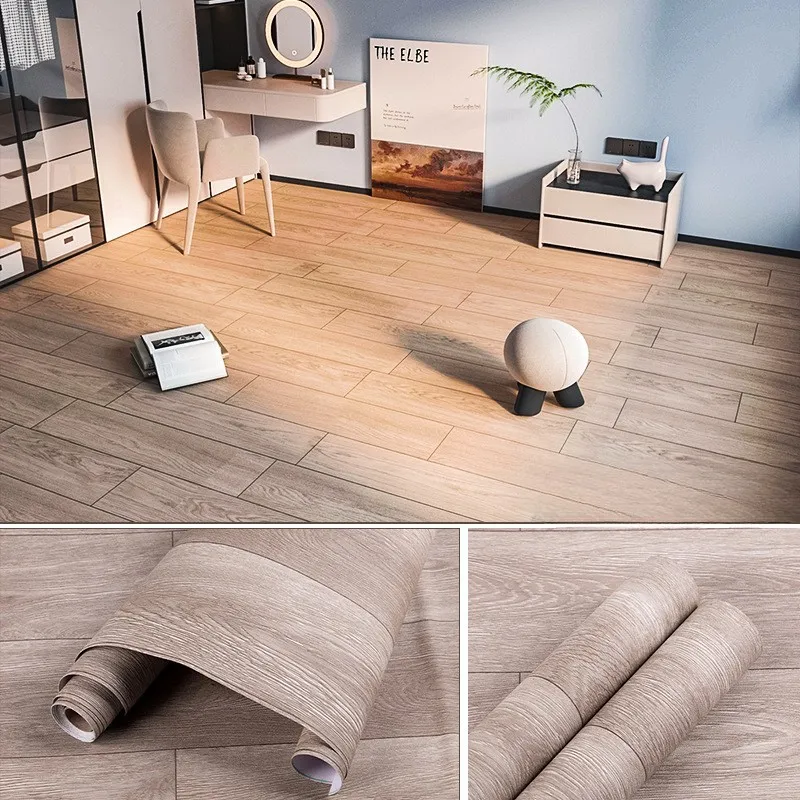
The functionality of cast PVC shrink film is largely defined by its formulation and subsequent treatment. Understanding the core types is essential for selecting the right material for your project.
This is the most common type, prized for its crystal-clear transparency and high gloss finish. It offers excellent printability, making it ideal for sleeve labeling, tamper-evident bands, and premium product packaging where product visibility is paramount. Its consistent shrinkage provides a tight, conforming fit.
Cast films serve as an excellent substrate for high-quality printing. Brands can pre-print logos, instructions, barcodes, or intricate designs directly onto the film before it is applied and shrunk. This creates a seamless, integrated label that is durable and resistant to scuffing or peeling.
Formulated for increased toughness, these films offer superior puncture and tear resistance. They are used for bundling multi-packs, securing hardware components, or protecting industrial parts during shipping and storage. Their enhanced durability ensures integrity even in rough handling conditions.
Specially engineered to activate and shrink at lower heat thresholds. This is critical for packaging heat-sensitive products like chocolates, certain pharmaceuticals, or electronics components that could be damaged by the higher temperatures required for standard shrink films.
The unique properties of cast PVC shrink film unlock solutions across a diverse range of sectors. Its combination of clarity, conformity, and durability makes it indispensable.
This is the most visible application. Cast PVC shrink film is used for:
While specific food-grade formulations are required, cast PVC shrink film is widely used for packaging fresh produce, frozen foods, and baked goods. Its clarity showcases the product, and it can be engineered with perforations for breathability. For more specialized kitchen applications, such as protecting backsplashes, materials like Kitchen Anti-oil Film offer tailored solutions.
Beyond retail, its role is crucial in supply chains:
High-clarity, medical-grade cast PVC film is used for sterilizable packaging of surgical instruments and kits. The film allows for clear visibility of contents while maintaining a sterile barrier. Tamper-evident seals on medicine bottles are also a common application.
Off-the-shelf solutions don’t always fit unique challenges. This is where the expertise of a specialized manufacturer becomes critical. A provider like Pulivk Film, with full control over its production line, can deliver highly customized cast PVC shrink film solutions.
Films can be engineered with specific additives to achieve desired traits:
Every aspect of the film’s physical dimensions can be tailored:
This is where branding and information come to life. Custom solutions include:
High-Definition Flexographic or Gravure Printing: For vibrant, multi-color graphics, text, and scannable barcodes.
Special Inks: Using metallic, fluorescent, or scented inks to create standout packaging on the shelf.
Perforations and Tear Strips: Engineering easy-open features for consumer convenience, a principle also applied in user-friendly products like Bathroom Floor Stickers.
Leading manufacturers offer end-to-end support from concept to delivery. This involves collaborative design, prototyping to test fit and performance, strict quality control throughout production, and export-ready packaging. This holistic approach ensures that the final product, whether it’s a custom shrink film or a Wood Grain Film for furniture, meets exact specifications.
Cast film is produced by spreading liquid PVC onto a belt, resulting in superior clarity, gloss, and dimensional stability with lower shrinkage. Calendered film is pressed between rollers, which can be more cost-effective for certain applications but may have slightly lower clarity and higher, less predictable shrinkage. The choice depends on the required finish and precision.
Traditional PVC can pose recycling challenges. However, the industry is advancing with more sustainable options. These include films containing recycled PVC content, bio-based plasticizers, and development of fully recyclable mono-material structures. Always check with your supplier for their latest eco-friendly formulations and disposal guidelines.
Cost is influenced by several variables: the custom formulation complexity, order quantity (with lower costs per unit at higher volumes), the type and extent of printing required, and any special performance additives or coatings. Requesting a detailed quotation based on your specifications is the best way to determine accurate pricing.
Thickness is measured in microns or gauge. Lighter gauges (e.g., 25-40 microns) are suitable for simple sleeve labels on stable products. Medium gauges (40-75 microns) are common for multi-packs and general packaging. Heavy gauges (75+ microns) are used for pallet wrapping and industrial part protection where high strength is needed. Your supplier can recommend the optimal gauge based on your product’s weight, shape, and required durability.
Yes, but only if it is specifically formulated and certified as food-grade. Food-grade cast PVC films must comply with stringent regional regulations (like FDA in the USA or EFSA in Europe), ensuring they are free from harmful migrants like heavy metals or specific phthalates. Always verify the compliance certificates from your supplier for any food-related project.