Address
304 North Cardinal St.
Dorchester Center, MA 02124
Work Hours
Monday to Friday: 7AM - 7PM
Weekend: 10AM - 5PM
Address
304 North Cardinal St.
Dorchester Center, MA 02124
Work Hours
Monday to Friday: 7AM - 7PM
Weekend: 10AM - 5PM


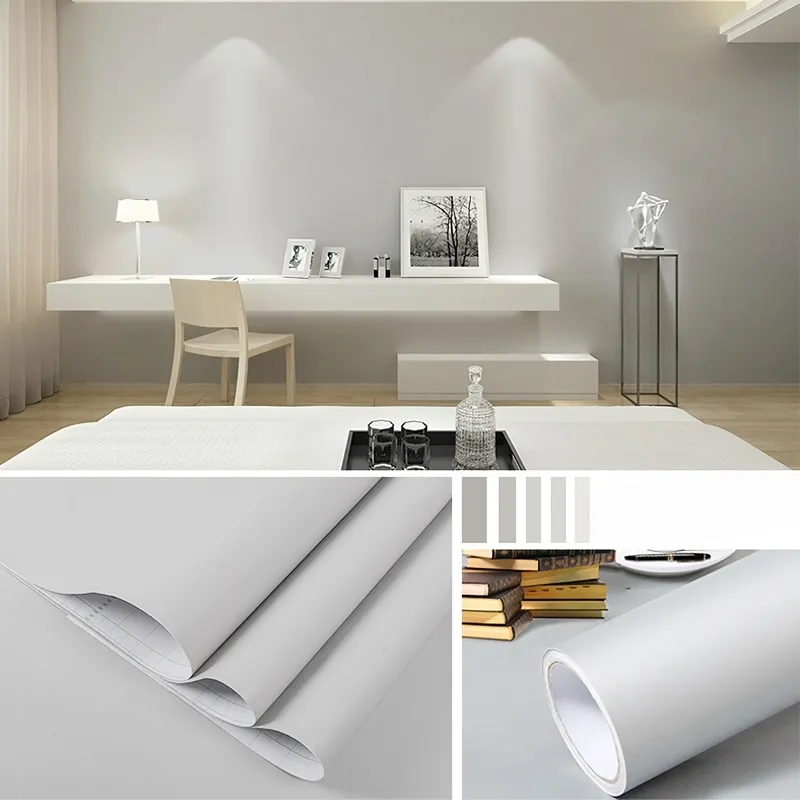
Cheap PVC film doesn’t mean “low-grade.” In packaging, printing, and protective covering, the smartest buyers look for a film that delivers stable thickness, clean surface quality, dependable winding, and consistent performance—while keeping total cost under control. Whether you’re converting rolls for retail packaging, laminating graphics, protecting finished products, or covering panels and furniture parts, PVC film remains one of the most versatile and budget-friendly materials when the specification is matched to the job.
This guide explains how affordable PVC film rolls are made, what types and finishes to choose, and how to buy cost-effectively without risking failure in production. You’ll also find practical tips for storage, processing, and quality checks so your team can reduce waste, rework, and downtime.
Key idea:
The “best cheap” PVC film is the one that hits your required thickness tolerance, surface finish, and compatibility with inks/adhesives—not simply the lowest price per kilogram.
PVC film (polyvinyl chloride film) is widely used because it balances visual appeal, mechanical strength, barrier properties, and process flexibility. Compared with many specialty plastics, PVC film can be calendered and finished in high volumes, which helps keep pricing competitive for roll-to-roll converting.
Clear, matte, or embossed PVC films are used for protective wrapping, isolation layers, and specialty packaging where clarity, stiffness, or texture matters.
PVC film provides a stable surface for printing and laminating, enabling vivid color and clean finishing for advertising, display, and exhibition use.
From furniture surfaces to electronic components and temporary construction protection, PVC film can be specified to deliver scratch resistance, anti-static performance, or easy-release behavior.
Affordable rolls should still meet essential production and quality expectations. If any of these are inconsistent, you may “save” on purchase cost but lose more through scrap and complaints.
✔ Buyer checkpoint:
Ask for batch traceability, thickness test data, and a clear statement of compliance (e.g., REACH, RoHS, FDA where applicable). These reduce sourcing risk for global exports.
“PVC film” is not one single product. Your costs and results depend heavily on the type, finish, and added functions. Below are high-demand options used across packaging, printing, and protective covering.
Calendered film is manufactured through a calendering process for stable thickness and scalable production. It’s a common choice when you need reliable, cost-effective rolls for conversion.
For product reference, see Calendered Film.
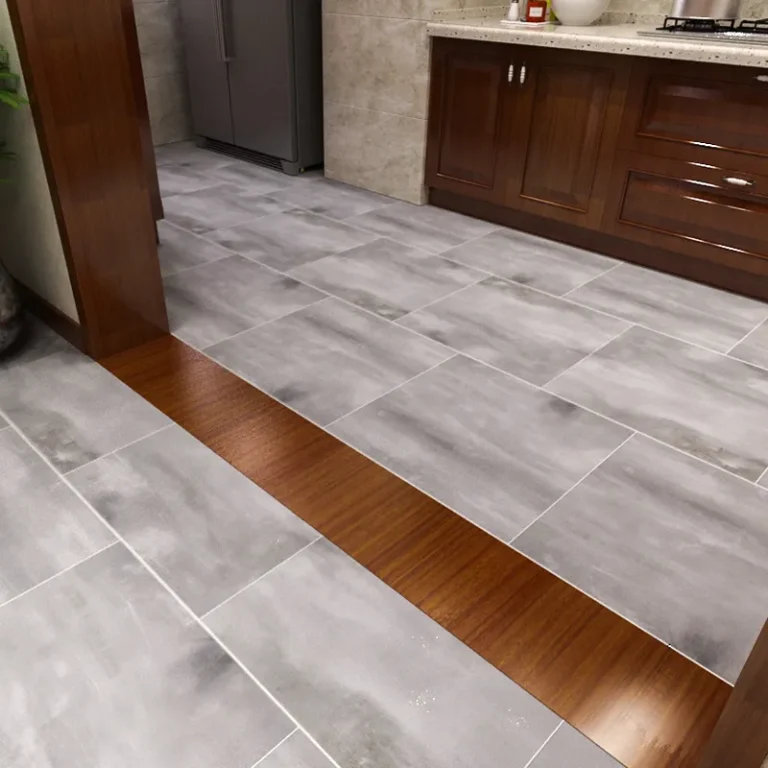
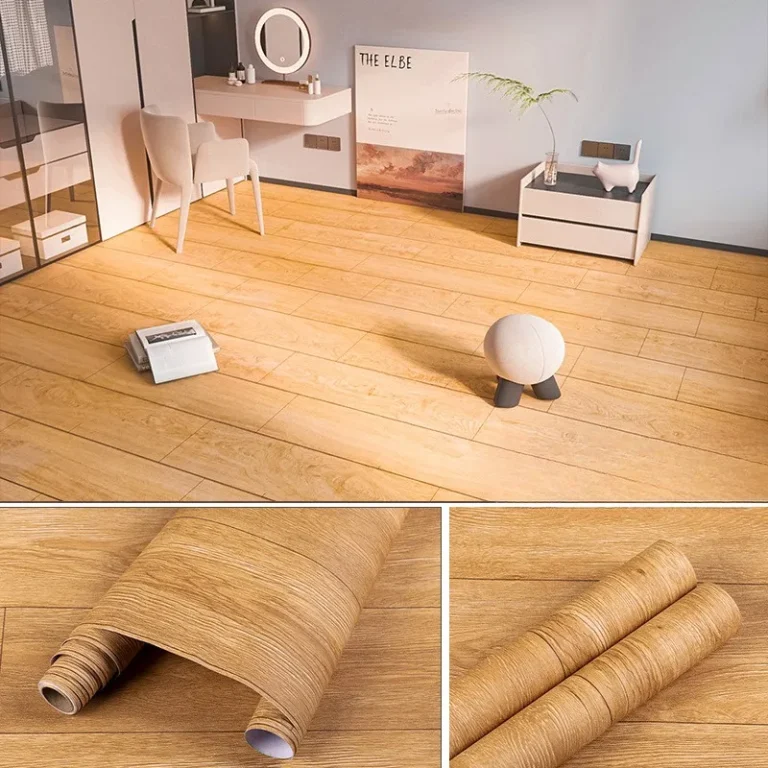
Decorative PVC films add patterns and textures—wood, marble, cloth, brushed metal, or embossed effects—often used in furniture panels, wall systems, and retail fixtures. When selected correctly, they deliver “premium look” while keeping material spend manageable.
A popular textured option is 3D Silk Texture Film.
For protective covering, transparent films let operators see the surface beneath while preventing scuffs. Matte and embossed finishes help hide fingerprints and minor scratches, and can also improve handling during converting.
In electronics, appliances, and clean environments, functional coatings can be crucial. Anti-static film helps reduce dust attraction and discharge risk; anti-fog improves visibility; self-adhesive options simplify application on-site. These features can still be budget-friendly when built into a stable base film.
The fastest way to waste money is to buy a “cheap” film with the wrong spec. Instead, decide the minimum performance you truly need, then optimize the roll configuration for your converting line.
In packaging, the “right” PVC film depends on whether you need visibility, stiffness, sealing/lamination performance, or just protective separation. Many converters prefer consistent rolls that run smoothly through slitting and rewinding with minimal edge damage.
Choose transparent film with stable gauge to avoid “waves” and ensure clean appearance. Consider matte/embossed if fingerprints or glare are an issue.
For stacking sheets or separating sensitive surfaces, look for smooth winding, low contamination, and consistent release behavior to reduce scratches.
For printing applications, the film surface and treatment are often more important than the base thickness. If you’re laminating printed layers or applying coatings, confirm the film’s surface energy and compatibility with your ink system (solvent, UV, water-based) and laminating adhesive.
Tip for converters:
If you see ink flaking, silvering, or weak lamination bonds, don’t immediately blame the press.
Verify film treatment level, surface cleanliness, and storage conditions (humidity/temperature), then run a small adhesion test before mass production.
For broader product information and technical articles, you can also browse
Knowledge.
Protective PVC film is used to prevent scratches, dust, and handling marks on finished items during manufacturing, transportation, and installation. The key is deciding whether you need temporary protection (easy peel, short period) or longer-term protection (better durability and resistance).
PVC decorative films help manufacturers and contractors refresh interiors quickly—walls, doors, skirting, and furniture surfaces—without the cost of replacing core materials. This is especially effective for rental properties, retail fit-outs, and fast renovation cycles where appearance, easy cleaning, and repeatable color matching are priorities.
Skirting film helps unify edges, hide imperfections, and protect high-contact areas.
See PVC skirting film.
For floors and heavy traffic zones, choose films designed for abrasion resistance and stable performance.
Explore Floor Film.
One reason some suppliers can offer cheaper PVC film rolls reliably is full-process control—from calendering to printing to slitting and packaging. When a manufacturer controls each step, they can reduce changeover losses, shorten lead times, and keep quality consistent across repeated orders.
Pulivk Film, for example, focuses on PVC film R&D and production across multiple categories including calendered film, decorative film, transparent film, soft-touch film, and more. With integrated lines, rolls can be slit and packed to your specification, then wrapped individually with dust-proof materials and labeled for safer export handling.
What this means for your budget:
fewer middle steps and fewer handoffs typically lead to better roll consistency, less rework, and a lower total landed cost—even if the unit price looks similar.
If you need a competitive edge—unique patterns, branded packaging, or special surface functions—OEM/ODM services can still be cost-effective when applied strategically. The goal is to customize only what affects end-use performance or customer perception, while keeping the base structure standardized for manufacturing efficiency.
Even when buying “cheap” PVC film, you can protect your operation with a short incoming inspection routine. This is especially important for printing and lamination workflows, where small defects create large scrap volumes.
With roll materials, shipping damage quickly turns “affordable” into “expensive.” Reliable suppliers pack each roll with dust protection (PE film or kraft paper), apply clear spec labels, and support palletization that prevents moisture and edge impacts during sea freight.
If you source internationally, confirm lead time planning and documentation early. For direct inquiries and RFQs, you can use
Contact
to submit your spec list, estimated quantities, and target application.
⚑ Cost-saving note:
Matching roll width to your converting layout can cut trim waste significantly. A slightly different width can reduce scrap every shift—often saving more than negotiating a small unit-price discount.
PVC film is also widely used for decorative surfacing (furniture, walls, doors), industrial protection (scratch/dust barriers), and functional applications such as anti-static layers in electronics and appliances.
Choose the minimum thickness that still meets your mechanical needs (tear resistance, stiffness, durability) and process needs (slitting, printing, lamination). Most problems come from wrong thickness tolerance, not just thickness itself.
Yes. OEM/ODM options commonly include custom colors and patterns, gloss/matte control, embossing, and functional coatings such as anti-static or anti-fog—depending on your end-use requirements.
Provide the application, thickness, width, roll length, finish, color/pattern, core size, and any special requirements (printing/lamination, anti-static, compliance). This ensures the quote matches the correct structure rather than a generic low-price offer.
Request samples, run a small production trial, confirm compliance documentation, and standardize an incoming inspection routine (thickness, surface, winding). Also verify export packing to prevent shipping damage and edge deformation.