Address
304 North Cardinal St.
Dorchester Center, MA 02124
Work Hours
Monday to Friday: 7AM - 7PM
Weekend: 10AM - 5PM
Address
304 North Cardinal St.
Dorchester Center, MA 02124
Work Hours
Monday to Friday: 7AM - 7PM
Weekend: 10AM - 5PM


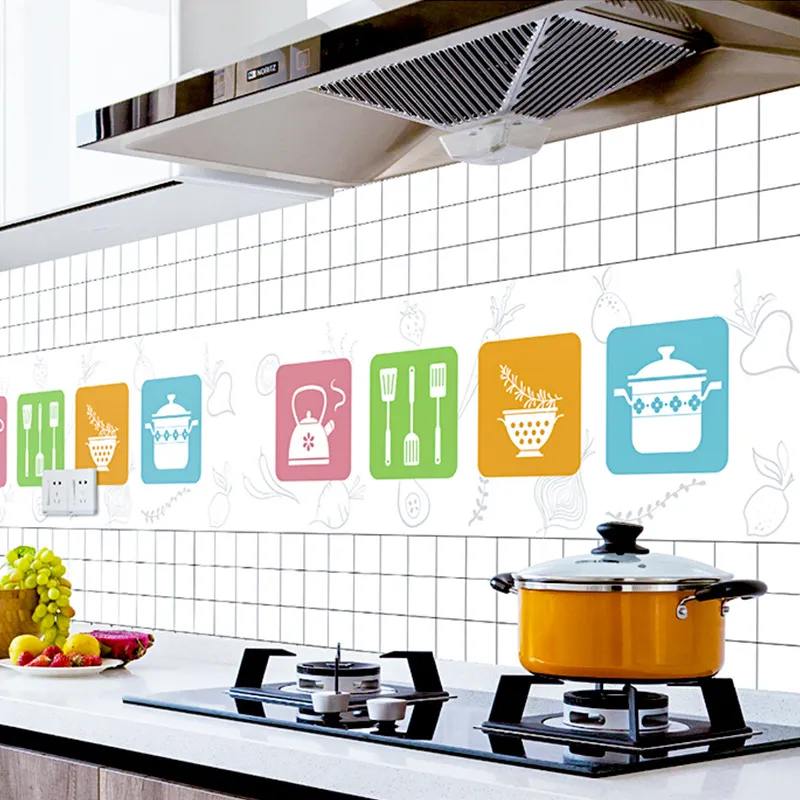
In China’s fast-moving manufacturing and construction ecosystem, heat insulation PVC film has become a practical, scalable material choice for factories, contractors, furniture makers, and brand owners that need a surface layer with thermal buffering, durability, and design flexibility. From humid southern cities to colder northern regions with centralized heating, buyers often need films that keep interiors comfortable, protect substrates, and maintain stable appearance across seasons.
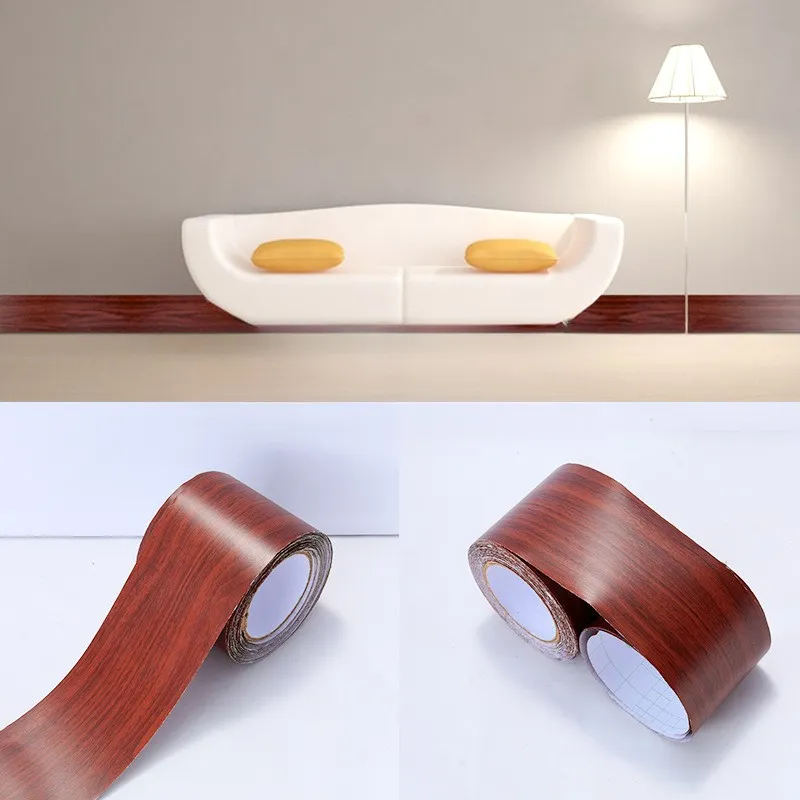
This guide explains what China-made heat insulation PVC film is, why it performs well, where it is used, and how to choose the right type for your product or project—especially if you need consistent quality for export or large-volume supply.
Key takeaway:
Heat insulation performance is not only about “thicker film.” It depends on formulation, structure (single vs. laminated), surface finish, adhesive system, and the target substrate.
Heat insulation PVC film is a calendered or laminated polyvinyl chloride sheet engineered to reduce heat transfer, stabilize surface temperature, and protect the base layer. In many real-world applications, it works as a functional decorative skin: improving comfort, limiting minor thermal shocks, and adding resistance to moisture, abrasion, and household chemicals.
In China, PVC film production is closely tied to large-scale calendering lines, printing, embossing, and slitting systems. This enables suppliers to offer stable roll consistency, customized textures, and faster lead times for industries such as furniture, wall panels, doors, flooring, and appliances.
PVC film itself is not a thick foam insulator; instead, it supports heat insulation goals by:
✔ Reducing surface heat exchange: specific formulations and multi-layer structures can slow temperature change on the surface.
✔ Protecting substrates: it limits moisture ingress and surface damage that can worsen thermal performance in composites and wood-based panels.
✔ Enabling reflective or functional layers: when paired with reflective layers, specialized coatings, or compatible substrates, overall thermal comfort improves.
China’s PVC film supply chain is known for high output capacity, rapid pattern development, and broad application experience. For overseas buyers, this often means more options when balancing cost, performance, and branding needs.
China market context:
Because many Chinese households prioritize easy-to-clean interiors (especially kitchens) and value durable finishes for long-term living, decorative PVC films have evolved toward
stain resistance, moisture resistance, and stable appearance under seasonal temperature changes.
When applied to panels, doors, cabinets, or interior surfaces, PVC film helps reduce rapid surface temperature changes and can improve tactile comfort. This is particularly useful in environments that switch between air-conditioning and heating, or in spaces exposed to sun-facing windows.
Many indoor insulation problems get worse when moisture penetrates the substrate. PVC film provides a water-resistant surface layer that helps protect MDF, plywood, and composite panels—while staying easy to wipe clean.
Instead of using solid wood, stone, or metal sheets, designers can achieve similar looks with printed and embossed film: wood grain, marble, brushed metal, fabric textures, and 3D patterns—often with lower total weight and simpler installation.
Properly chosen PVC films can provide good resistance to scuffs, everyday chemicals, and repeated cleaning. In commercial spaces—retail, offices, hospitality—this durability translates to lower maintenance costs and fewer repairs.
China-made PVC film is widely used across multiple sectors. Below are practical application clusters where heat insulation goals often intersect with decoration and protection.
Kitchen cabinets, wardrobe doors, office furniture, and tabletops frequently use decorative PVC films to resist stains and humidity while maintaining a stable look. For premium styling, buyers often select realistic textures such as
Wood Grain Film
or high-contrast stone patterns such as
Marble Film.
For residential renovations and commercial fit-outs, films are used on wall panels, partitions, ceilings, and skirting surfaces. Skirting is a high-impact area for cleaning and daily wear, so many projects specify dedicated materials like
PVC Skirting Film.
In some product structures, PVC film is part of a layered flooring system; in others, it functions as a protective and decorative layer. For flooring-focused solutions, buyers typically review performance options such as
Floor Film,
where abrasion resistance, slip behavior, and dimensional stability are key selection points.
Appliances and electronics often require surfaces that are easy to clean, scratch-resistant, and sometimes anti-static. Functional coatings and controlled thickness help meet assembly and end-use requirements.
Printed PVC films support consistent branding across chain stores and exhibitions. The advantage is scalable pattern control and repeatability—important when rolling out the same design across multiple locations.
Calendered film is widely used due to stable thickness control and good productivity. If you are comparing base film structures, start with
Calendered Film,
then define the finish, texture, and coating package that matches your thermal and durability goals.
For heat insulation goals, a multi-layer approach can improve overall performance because each layer can be optimized: one for print/appearance, one for mechanical strength, and another for functional properties (e.g., thermal buffering, barrier, or adhesive compatibility). The best choice depends on the substrate and the end-use temperature range.
⚠ Practical note:
If your product faces higher surface temperatures (sun exposure, near cooking areas, or near equipment), prioritize
heat resistance + adhesion stability rather than only “insulation” claims.
Selecting the right China heat insulation PVC film is easiest when you decide from the application backward. Use the checklist below to avoid common mismatches between appearance samples and mass-production performance.
Start with the environment: Is it a kitchen cabinet near stoves, a wall panel near sunlight, a retail fixture under strong lighting, or a floor exposed to seasonal heating? In China, homes often emphasize kitchen cleanliness and humidity resistance, while northern areas may stress performance under prolonged heating seasons. Your scenario determines the functional “must-haves.”
Thickness impacts stiffness, wrapping behavior, and perceived quality. But the correct thickness depends on whether you laminate onto MDF, plywood, metal, plastic boards, or foam panels. For complex profiles and wrapping, you may need better elongation and forming behavior rather than simply thicker film.
✅ Quick guidance:
Flat lamination often prioritizes thickness stability and surface hardness.
Profile wrapping often prioritizes flexibility, elongation, and stable adhesion on corners.
Heat insulation PVC film frequently serves in high-touch, high-cleaning zones. Consider:
Many field failures are adhesion-related: bubbling, edge lifting, or delamination after temperature cycling. Ensure the film matches your process (hot lamination, cold lamination, PUR, water-based adhesive, solvent-based systems) and your substrate’s surface energy.
★ Tip for procurement teams:
Request a sample specifically made for your lamination line settings and run a small pilot test that includes heat cycling (warm/cool) before approving mass production.
Optional treatments can add value but also cost. Common functional options include anti-static, anti-fog, food-grade coatings, and special protective topcoats. Choose based on real use: electronics may require anti-static; medical packaging may prioritize clean handling; kitchen environments may focus on oil resistance and stain release.
If you sell into regulated markets or supply large retailers, confirm that the film meets your compliance list (e.g., REACH, RoHS, ISO systems) and that test reports can be provided. Also confirm batch traceability and QC checks (thickness, adhesion, optics, strength) for consistent deliveries.
For chain-store rollouts or modular furniture lines, color drift can be costly. Ask how the supplier manages ink control, printing repeatability, and batch approval standards—especially for complex wood grains and stone textures.
Premium surfaces rely on the alignment of texture and print. Misalignment makes wood grain look artificial. If your brand targets high-end interiors, specify emboss registration expectations.
Moisture, compression, and edge damage can ruin film rolls before they reach your factory. Confirm roll wrapping, edge protectors, labeling, and palletization—especially for sea freight routes.
Many China suppliers offer OEM/ODM for thickness, width, roll length, pattern, color, and packaging. A practical workflow is:
① Requirement definition: application + substrate + process + target look
② Sampling: color/pattern proof + surface selection + trial roll
③ Pilot test: lamination trial + heat/humidity cycling + abrasion/cleaning checks
④ Mass production: batch QC + slitting/packing + shipping schedule
To speed up sampling, provide clear parameters: thickness range, width, roll length, desired gloss level, emboss reference, and acceptance criteria. For exporting brands, include any compliance list and labeling/packaging requirements early.
Ensure panels are dry, clean, and stable. Moisture inside wood-based boards can cause bubbling after lamination, especially when heated.
Many quality issues come from inconsistent roller temperature or pressure. If your product is positioned as “heat insulation,” the film should survive moderate thermal cycling; however, production parameters still need to be stable to avoid stress marks and edge lifting.
Corners are the first failure points. For profile wrapping, select a film with suitable elongation and request supplier guidance on recommended adhesives and line settings.
No. It is mainly a functional surface film that supports thermal comfort and protects substrates; major insulation typically comes from the underlying panel or system design.
Run a pilot that includes adhesion checks, cleaning/chemical resistance, and heat cycling (warm/cool) on your real substrate using your real lamination settings.
Glossy is easier to wipe and looks bright; matte hides fingerprints and glare better. Choose based on lighting, cleaning habits, and the visual style of your cabinet line.
Yes. OEM/ODM commonly covers thickness, width, roll length, surface texture, printing, and export-ready packaging—typically after sampling and pilot validation.
Use an approved master sample, define measurable acceptance criteria, and request batch control plus traceability. For large projects, consider reserving material/ink lots for continuity.